The normal lubrication oil pressure for Diesel Generator engines ranges from 2.0 to 5.0 bar (29–73 psi) at rated speed and operating temperature, with minimum safe pressure typically at 1.0 bar (14.5 psi). Huaquan Power summarizes the following detailed guide on diesel generator Oil Pressure specifications, monitoring, and troubleshooting.
What Is the Normal Oil Pressure Range for Diesel Generator Engines?
Lubrication oil pressure varies depending on engine speed, oil temperature, and engine design. Furthermore, maintaining correct oil pressure ensures adequate lubrication of all bearing surfaces and moving components. Consequently, understanding the specified pressure ranges for different operating conditions prevents engine damage.
What Are the Pressure Specifications at Different Operating Conditions?
| Operating Condition | Oil Pressure Range | Warning Threshold |
|---|---|---|
| Rated speed, normal temperature | 3.0–5.0 bar (44–73 psi) | Below 2.0 bar |
| Rated speed, cold start | 5.0–7.0 bar (73–102 psi) | Above 8.0 bar |
| Low idle speed | 1.0–2.5 bar (15–36 psi) | Below 0.8 bar |
| Hot engine at idle | 0.8–1.5 bar (12–22 psi) | Below 0.5 bar |
| Shutdown threshold | N/A | 0.5–1.0 bar (engine protection) |
During cold starts, oil pressure reads significantly higher because cold oil has greater viscosity. Furthermore, as the engine reaches operating temperature (80–95°C), oil viscosity decreases and pressure settles to the normal range. Additionally, Huaquan Power Generators feature engine protection systems that automatically shut down the engine if oil pressure drops below the critical threshold.
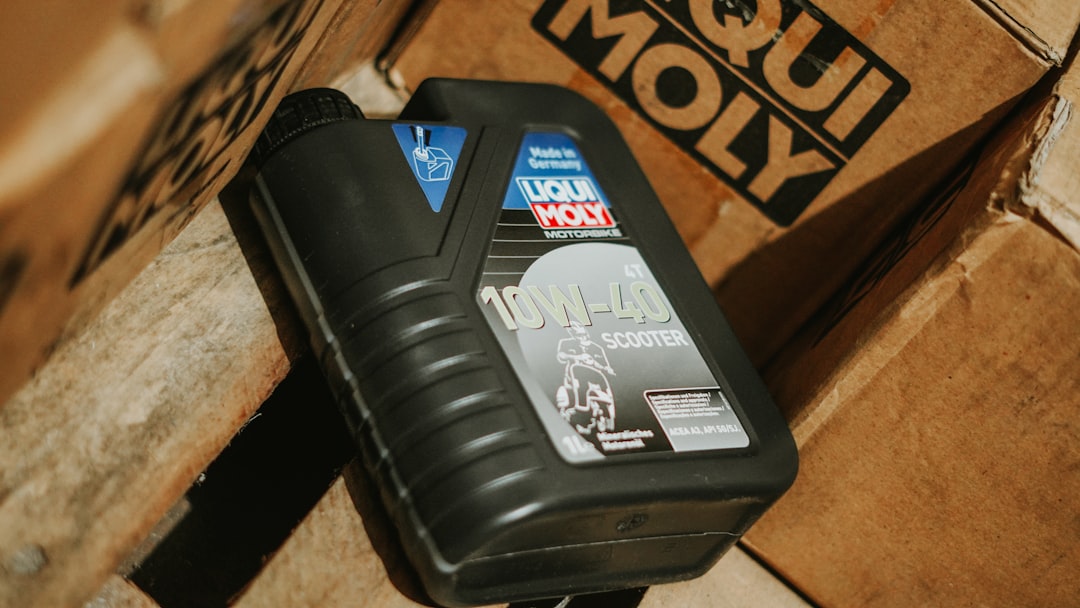
How Does Oil Viscosity Grade Affect Operating Pressure?
| Oil Viscosity Grade (SAE) | Cold Start Pressure | Operating Pressure at 90°C | Recommended Ambient Range |
|---|---|---|---|
| SAE 5W-30 | 4.0–6.0 bar | 2.5–4.0 bar | -25°C to +30°C |
| SAE 10W-30 | 4.5–6.5 bar | 2.8–4.2 bar | -20°C to +35°C |
| SAE 15W-40 | 5.5–7.5 bar | 3.0–5.0 bar | -15°C to +45°C |
| SAE 20W-50 | 6.0–8.5 bar | 3.5–5.5 bar | -10°C to +50°C |
How Does the Diesel Engine Lubrication System Maintain Oil Pressure?
The lubrication system maintains oil pressure through a positive displacement oil pump, pressure relief valve, and filtered oil galleries. Furthermore, the oil pump draws oil from the sump and delivers it under pressure to all engine bearings and moving parts. Additionally, the pressure relief valve limits maximum system pressure to prevent filter and seal damage.
What Are the Key Components Affecting Oil Pressure?
| Component | Function | Failure Impact on Pressure |
|---|---|---|
| Oil Pump (Gear Type) | Delivers oil at required flow and pressure | Low pressure if worn or damaged |
| Pressure Relief Valve | Limits maximum system pressure | High pressure if stuck closed; low if stuck open |
| Oil Filter | Removes contaminants from oil | Low pressure if severely clogged (bypass valve opens) |
| Main and Rod Bearings | Provide oil film clearance for crankshaft | Low pressure if excessively worn (increased clearance) |
| Oil Cooler | Maintains oil temperature within range | Low pressure if restricted or leaking |
| Oil Level in Sump | Reservoir supply for pump intake | Low pressure if level below minimum mark |
What Causes Low Oil Pressure in Diesel Generator Engines?
Low oil pressure ranks among the most critical engine conditions requiring immediate attention. Furthermore, continuing to operate with insufficient oil pressure causes rapid bearing failure and catastrophic engine damage. Consequently, understanding the root causes enables prompt corrective action.
What Are the Common Causes and Their Solutions?
| Cause | Symptom Detail | Corrective Action |
|---|---|---|
| Low oil level | Gradual pressure drop, flickering warning light | Add oil to MAX mark on dipstick |
| Incorrect oil viscosity | Low pressure at operating temperature | Change to correct SAE grade for ambient |
| Worn main/rod bearings | Consistently low pressure under all conditions | Engine overhaul required |
| Faulty oil pressure sensor | Low reading but engine sounds normal | Replace sensor, verify with mechanical gauge |
| Clogged oil filter | Gradual pressure increase then sudden drop | Replace filter and oil immediately |
| Oil pump wear | Low pressure at all RPM ranges | Replace or rebuild oil pump |
| Oil dilution with fuel | Low pressure, thin oil, fuel smell on dipstick | Identify fuel leak source, change oil |
| Stuck pressure relief valve | Very low or very high pressure | Clean or replace relief valve |
⚡ Explore Related Solutions
- 🏭 500kW Diesel Generator
- 🏭 1000kW Diesel Generator
- 🏭 500kW YC Diesel Generator
- 🔧 KMS (Cummins/Doosan) Series
- 🔧 SC (SDEC) Series
- 📋 Diesel Generator Sets
- 📋 Order Process — How to Buy
- 📋 Contact Us
💡 Need a customized solution? Contact our engineering team for project-specific recommendations.
How to Monitor and Test Diesel Generator Oil Pressure?
Accurate oil pressure monitoring prevents unexpected engine failures and enables predictive maintenance. Furthermore, combining electronic monitoring with periodic mechanical verification ensures reliable readings. Therefore, Huaquan Power recommends a dual-approach monitoring strategy.
What Monitoring Methods Are Available?
| Method | Accuracy | Installation Point | Monitoring Frequency |
|---|---|---|---|
| Dashboard gauge (electric) | ±10% | Instrument panel | Continuous visual check |
| Warning light/alarm | On/Off threshold | Instrument panel | Automatic |
| Engine protection shutdown | Preset threshold | Control system | Automatic |
| Mechanical gauge (test) | ±2% | Oil gallery port (M10/M12) | During service intervals |
| SCADA/remote monitoring | ±5% | Controller analog input | Continuous remote |
How to Perform an Oil Pressure Diagnostic Test?
To diagnose oil pressure issues accurately, install a calibrated mechanical gauge at the engine oil gallery test port. Furthermore, record pressure readings at cold start, idle speed, and rated speed. Specifically, compare all readings against the engine manufacturer specifications. Additionally, if the mechanical gauge confirms low pressure, proceed to check oil level, oil condition, and filter status. Moreover, if these items are satisfactory, perform bearing clearance inspection through oil pan removal. Consequently, this systematic approach identifies the root cause without unnecessary disassembly. Importantly, Huaquan Power service technicians carry calibrated test equipment for accurate on-site diagnostics.
| Test Step | Procedure | Expected Result |
|---|---|---|
| 1. Install mechanical gauge | Connect to main oil gallery port | Gauge reads zero before start |
| 2. Cold start reading | Start engine, record pressure at 1500 RPM | 5.0–7.0 bar (cold oil) |
| 3. Hot idle reading | After 20 min warm-up, record at idle | 0.8–1.5 bar |
| 4. Hot rated speed | Record at full rated RPM | 3.0–5.0 bar |
| 5. Compare with spec | Evaluate deviation from nameplate | Within ±15% of specified |
Frequently Asked Questions
Q1: What is the minimum safe oil pressure for a diesel generator?
The minimum safe oil pressure at rated speed is typically 1.5–2.0 bar (22–29 psi), depending on the engine model. Furthermore, at idle speed, the minimum acceptable pressure is 0.5–0.8 bar. Additionally, Huaquan Power generators are configured with automatic shutdown at 0.5–1.0 bar to prevent engine damage. Therefore, never bypass or disable the low oil pressure protection system.
Q2: Why does oil pressure drop when the engine warms up?
Oil pressure drops as the engine warms up because oil viscosity decreases with temperature. Specifically, when cold, SAE 15W-40 oil has viscosity around 200 cSt, but at operating temperature (100°C), viscosity reduces to approximately 12–14 cSt. Furthermore, lower viscosity creates less flow resistance, resulting in lower pressure readings. Additionally, this is normal behavior, not a fault condition. However, if pressure drops below the specified range, investigate for bearing wear or oil degradation.
Q3: Can a faulty oil pressure sensor cause false low readings?
Yes, a faulty oil pressure sensor frequently causes false low readings. Furthermore, sensor failure typically produces a sudden pressure drop to zero or near-zero, while the engine runs normally without unusual sounds. Additionally, verify suspected sensor failures by installing a mechanical gauge at the test port. Therefore, always confirm low readings with a mechanical gauge before undertaking major engine repairs.
Q4: How often should oil pressure be checked?
Huaquan Power recommends checking oil pressure at every startup and continuously during operation via the dashboard gauge or monitoring system. Furthermore, perform a mechanical gauge verification test every 2000 operating hours or whenever the electronic reading appears abnormal. Additionally, record pressure readings in the maintenance log to establish baseline trends for predictive analysis.
Q5: Does high oil pressure indicate a problem?
Excessively high oil pressure can indicate a problem. Specifically, pressures above 7.0 bar at operating temperature suggest a stuck pressure relief valve, incorrectly viscous oil, or a blocked oil gallery. Furthermore, prolonged high pressure stresses oil filter seals and gasket joints, potentially causing leaks. Therefore, investigate persistently high pressure readings to identify and resolve the underlying cause.
Conclusion
Maintaining correct lubrication oil pressure is essential for diesel generator engine reliability and longevity. Huaquan Power recommends three critical practices: (1) Monitor oil pressure at every startup and during operation using both electronic and mechanical gauges. (2) Never ignore low oil pressure warnings—shut down immediately and diagnose the root cause. (3) Use the correct oil viscosity grade for ambient temperature conditions. For expert engine service and genuine parts, contact Huaquan Power at +86-159-0536-0210 or visit huaquanpower.net.