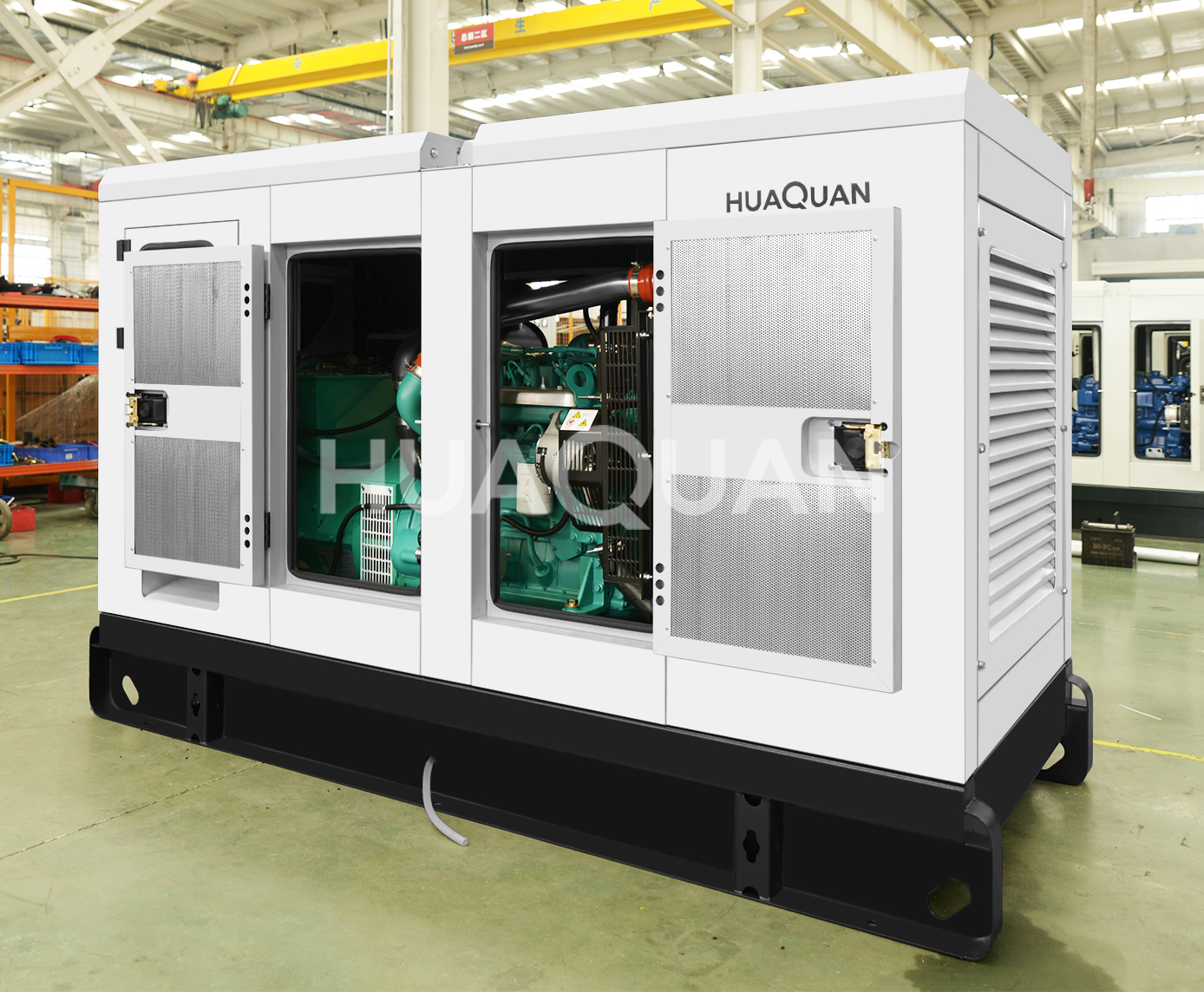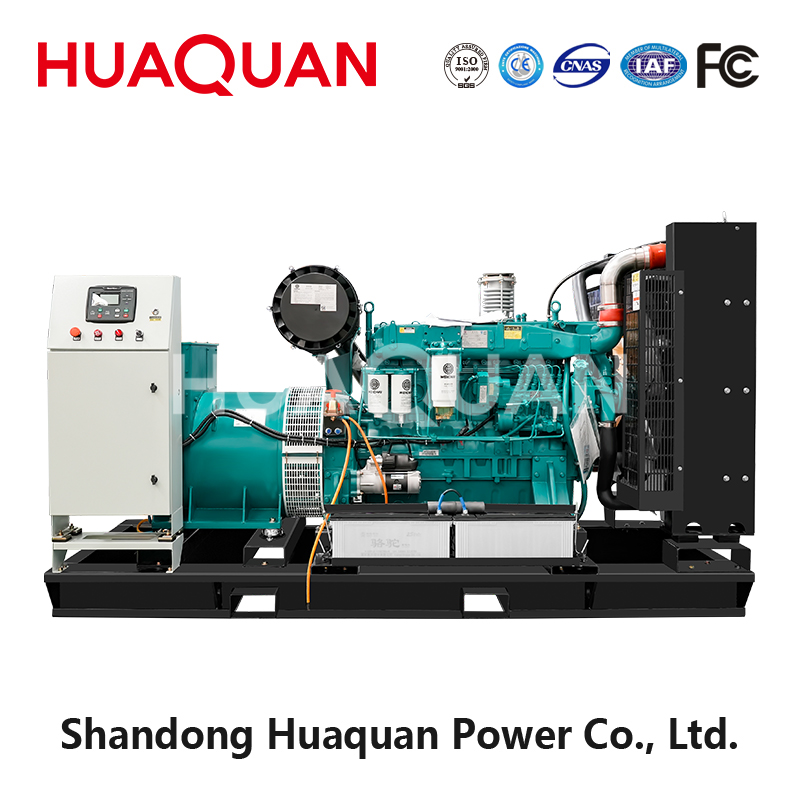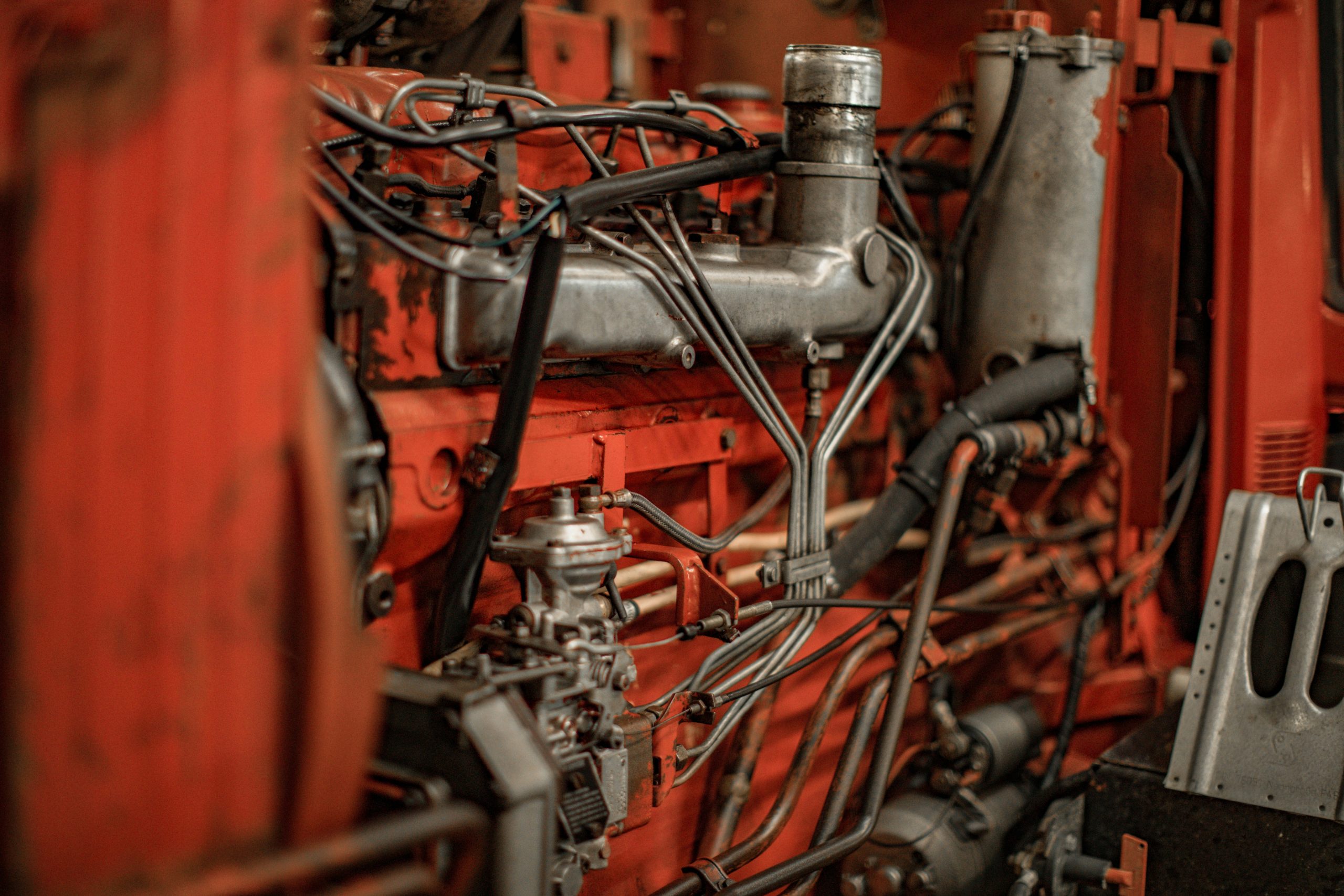
The normal operating coolant temperature for Diesel Generator engines ranges from 80°C to 95°C (176–203°F), with the thermostat typically opening at 71–82°C and the high temperature alarm activating at 105–110°C. Huaquan Power summarizes the following detailed guide on diesel generator Coolant temperature specifications, monitoring, and thermal management.
What Is the Normal Operating Temperature for diesel generator coolant?
Maintaining coolant temperature within the specified range ensures optimal combustion efficiency, reduced emissions, and extended engine life. Furthermore, operating too cold causes incomplete combustion and carbon buildup, while operating too hot risks engine damage. Consequently, precise temperature management represents a critical aspect of generator operation.
What Are the Temperature Thresholds for Different Conditions?
| Condition | Temperature Range | Action Required |
|---|---|---|
| Cold start (initial) | Ambient to 40°C | Allow warm-up before applying load |
| Thermostat opening | 71–82°C (varies by model) | Normal—coolant begins flowing through radiator |
| Normal operating range | 80–95°C | Ideal operating condition |
| High temperature warning | 100–105°C | Check cooling system, reduce load |
| High temperature alarm | 105–110°C | Shutdown imminent—investigate immediately |
| Automatic shutdown | 110–120°C (varies by engine) | Engine protection shutdown activated |
During initial startup, the thermostat remains closed to allow rapid engine warm-up. Furthermore, once the coolant reaches the thermostat opening temperature, the valve gradually opens and directs flow through the radiator. Additionally, Huaquan Power engines feature precision thermostats that maintain stable operating temperature within a narrow band of ±3°C under varying load conditions.
How Does Load Affect Coolant Temperature?
| Load Percentage | Typical Coolant Temperature | Heat Rejection to Coolant |
|---|---|---|
| No load (idle) | 70–80°C | 10–15% of fuel energy |
| 25% load | 78–85°C | 20–25% of fuel energy |
| 50% load | 82–88°C | 25–30% of fuel energy |
| 75% load | 85–92°C | 28–33% of fuel energy |
| 100% load (prime) | 88–95°C | 30–35% of fuel energy |
| 110% load (standby) | 92–100°C | 32–38% of fuel energy |
How Does the Diesel Generator Cooling System Regulate Temperature?
The cooling system maintains engine temperature through a combination of the water pump, thermostat, radiator, and coolant flow circuits. Furthermore, each component plays a specific role in the thermal management process. Additionally, Huaquan Power designs Cooling Systems with adequate capacity margin to handle extreme ambient conditions.
What Is the Role of the Thermostat in Temperature Regulation?
The thermostat serves as the primary temperature control valve in the cooling system. Specifically, when the engine is cold, the thermostat blocks coolant flow to the radiator, directing it through a bypass circuit back to the engine. Furthermore, as coolant temperature rises to the thermostat opening point, the wax pellet inside expands and gradually opens the valve. Consequently, hot coolant flows to the radiator for heat dissipation while cooler coolant returns to the engine. Moreover, the thermostat continuously modulates flow to maintain the target operating temperature.
| Thermostat Specification | Typical Value | Notes |
|---|---|---|
| Opening temperature | 71°C or 82°C | Depends on engine model |
| Full open temperature | Opening temp + 12–15°C | Valve lift ≥7 mm |
| Full open flow rate | Rated pump flow capacity | Typically 200–800 L/min |
| Leak rate (closed) | ≤0.5 L/min at rated pressure | Test at 20°C below opening |
| Service life | 2000–3000 operating hours | Replace during major service |
What Causes Diesel Generator Coolant Overheating?
Coolant overheating represents one of the most common and damaging generator operating faults. Furthermore, identifying the root cause quickly prevents expensive engine damage. Consequently, Huaquan Power recommends systematic diagnosis of overheating conditions.
What Are the Common Overheating Causes and Solutions?
| Cause | Symptom Pattern | Solution |
|---|---|---|
| Low coolant level | Gradual temperature rise, air in system | Top up coolant, check for leaks |
| Thermostat stuck closed | Rapid overheating, radiator cold | Replace thermostat |
| Radiator air flow blocked | Temperature rises with load | Clean radiator fins, remove obstructions |
| Water pump failure | Gradual overheating, no circulation | Replace water pump |
| Fan belt loose or broken | Overheating at all loads | Adjust tension or replace belt |
| Coolant passage scale buildup | Chronic moderate overheating | Flush cooling system with descaling agent |
| Blown head gasket | Sudden overheating, bubbles in coolant | Major engine repair required |
| Overloading beyond rated capacity | Temperature rises only at high load | Reduce load to rated capacity |
What Coolant Specifications Should Diesel Generators Use?
Selecting the correct coolant type and maintaining proper concentration protects the cooling system from corrosion, freezing, and boiling. Furthermore, using incompatible coolant types causes accelerated component degradation. Therefore, Huaquan Power specifies coolant requirements for each generator model.
| Specification | Requirement | Notes |
|---|---|---|
| Coolant type | Ethylene glycol-based with SCA | Avoid propylene glycol unless specified |
| Antifreeze concentration | 40–50% by volume | 50% provides protection to -37°C |
| pH value (50% concentration) | 7.5–9.5 | Below 7.0 indicates depletion |
| Freezing point (50% mix) | -37°C | Test with refractometer annually |
| Boiling point (50% mix, pressurized) | ≥108°C at 1.0 bar cap pressure | Higher pressure = higher boiling point |
| SCA (Supplemental Coolant Additive) | Maintain per test strip results | Prevents liner pitting and corrosion |
| Water quality | Demineralized or distilled | Never use tap water (minerals cause scale) |
How to Maintain the Diesel Generator Cooling System?
Proactive cooling system maintenance prevents overheating failures and extends engine service life. Furthermore, regular inspections identify developing issues before they cause unplanned shutdowns. Therefore, Huaquan Power recommends following a structured maintenance schedule.
What Is the Recommended Cooling System Maintenance Schedule?
| Task | Interval | Key Action |
|---|---|---|
| Check coolant level | Daily / Before each start | Verify level at expansion tank between MIN-MAX |
| Inspect for leaks | Weekly | Check hoses, clamps, radiator, water pump |
| Check fan belt tension | Every 500 hours | Deflection 10–15 mm with 10 kg force |
| Test coolant concentration | Every 1000 hours or 6 months | Refractometer test, adjust if needed |
| Inspect radiator fins | Every 1000 hours | Clean with compressed air, straighten bent fins |
| Replace thermostat | Every 3000 hours | Test opening temperature before installation |
| Flush and replace coolant | Every 4000 hours or 2 years | Use descaling flush, refill with correct mix |
| Replace coolant hoses | Every 8000 hours or 5 years | Check for hardening, cracking, swelling |
How to Properly Bleed Air from the Cooling System?
After coolant replacement or system service, trapped air causes inaccurate temperature readings and reduced cooling capacity. Furthermore, air pockets create localized hot spots that damage cylinder liners and head gaskets. Specifically, to bleed the system, fill the radiator slowly with the engine off and the heater valve open. Then, start the engine and run at idle while adding coolant as the level drops. Additionally, squeeze the upper and lower radiator hoses to help release trapped air bubbles. Moreover, continue until no more bubbles appear and the coolant level stabilizes. Consequently, verify proper bleeding by confirming that the heater produces warm air and the temperature gauge reads within the normal range.
Frequently Asked Questions
Q1: What temperature should the diesel generator coolant alarm be set to?
Huaquan Power recommends setting the high temperature warning at 100–105°C and the automatic shutdown at 110–115°C, depending on the engine model. Furthermore, these thresholds provide sufficient margin to prevent engine damage while avoiding nuisance shutdowns. Additionally, always verify alarm settings match the engine manufacturer specifications for your specific generator model.
Q2: Can I use water instead of coolant in an emergency?
In an emergency, you can temporarily use clean demineralized water, but this provides no freeze protection, no corrosion inhibition, and a lower boiling point. Furthermore, running on plain water risks liner pitting, corrosion, and overheating due to the lower boiling point. Therefore, replace with the correct coolant mixture as soon as possible. Additionally, never mix different coolant types or colors, as incompatible additives can form damaging gels.
Q3: How long does it take for a diesel generator to reach normal operating temperature?
A diesel generator typically reaches normal operating temperature (80–95°C) within 10–20 minutes under load. Furthermore, at no-load idle, warm-up takes significantly longer—30 minutes or more. Therefore, Huaquan Power recommends applying at least 30% load within 5 minutes of starting to promote efficient warm-up. Additionally, prolonged no-load operation causes incomplete combustion and carbon buildup.
Q4: Why is my generator running cold (below 80°C)?
Running consistently below 80°C usually indicates a thermostat stuck in the open position, allowing continuous radiator flow even during warm-up. Furthermore, operating too cold causes incomplete fuel combustion, increased carbon deposits, and cylinder glazing. Additionally, check the thermostat by removing it and testing in heated water—observe the opening temperature. Therefore, replace any thermostat that fails to close completely at room temperature.
Q5: How does ambient temperature affect generator coolant temperature?
Ambient temperature directly affects radiator heat dissipation capacity. Specifically, for every 1°C increase in ambient temperature above the design point (typically 40°C), the coolant temperature rises approximately 0.5–0.8°C. Furthermore, in ambient temperatures above 45°C, ensure the cooling system has adequate capacity margin. Additionally, Huaquan Power offers enhanced cooling packages for tropical and desert installations with oversized radiators and higher-capacity fans.
Conclusion
Proper coolant temperature management ensures diesel generator reliability and engine longevity. Huaquan Power recommends three essential practices: (1) Monitor coolant temperature continuously and respond promptly to warning alarms. (2) Maintain the correct coolant type and concentration with regular testing. (3) Never operate without a thermostat or with compromised cooling components. For cooling system service and genuine replacement parts, contact Huaquan Power at +86-159-0536-0210 or visit huaquanpower.net.