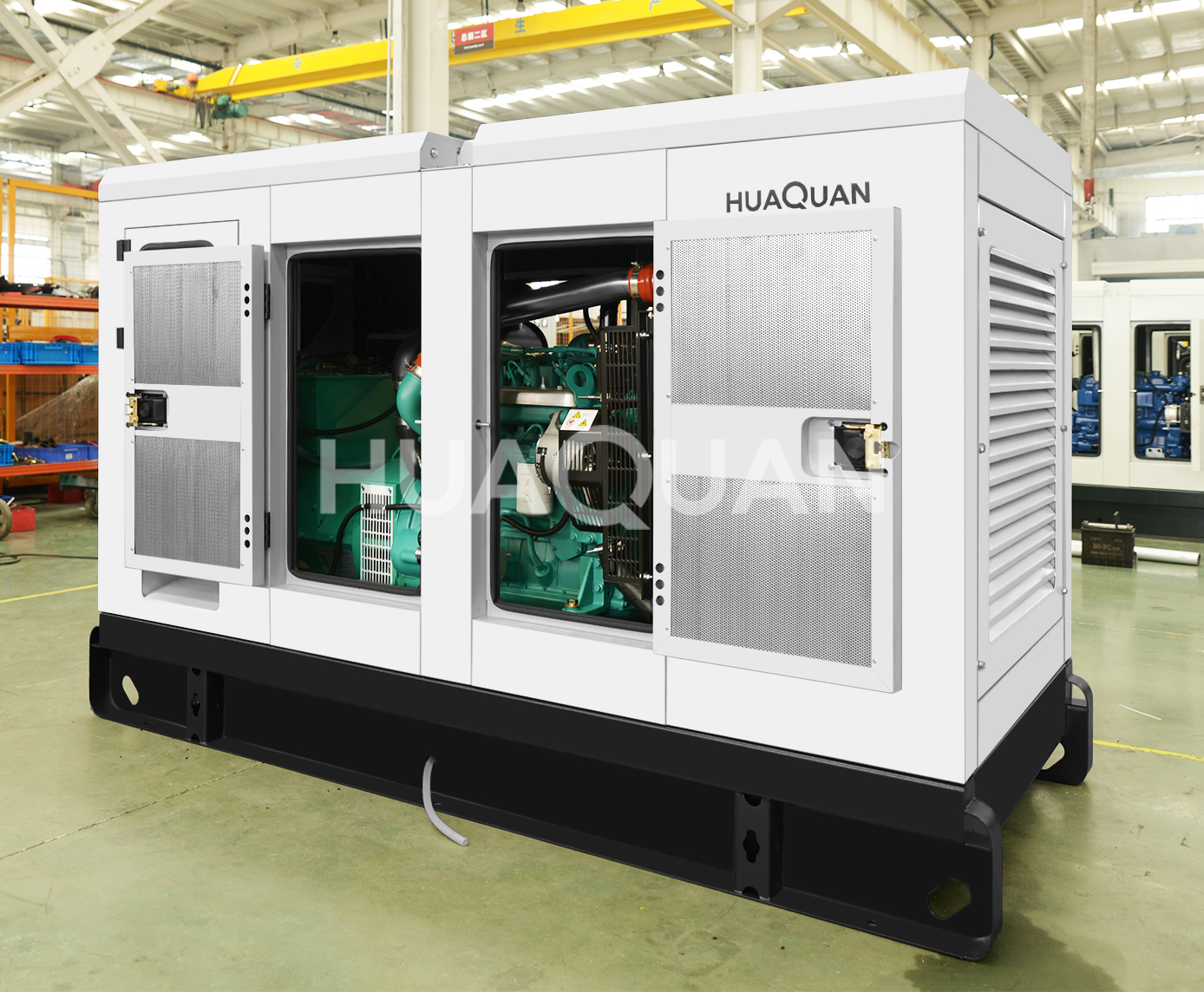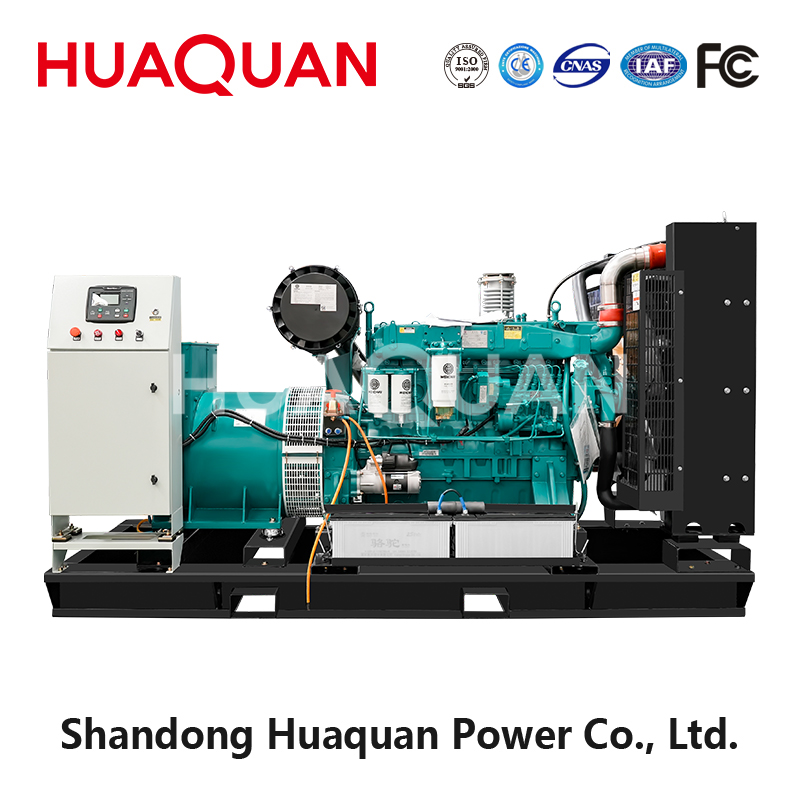
The normal operating 冷却剂 temperature for 柴油发电机组 发动机温度范围为 80°C 至 95°C (176–203°F), 恒温器通常在 71–82°C 时打开,高温警报在 105–110°C 时激活. Huaquan Power summarizes the following detailed guide on diesel generator 冷却液 温度规格, 监控, 和热管理.
What Is the Normal Operating Temperature for 柴油发电机冷却液?
将冷却液温度保持在指定范围内可确保最佳燃烧效率, 减少排放, 并延长发动机寿命. 此外, 运行温度太低会导致燃烧不完全和积碳, 运行温度过高可能导致发动机损坏. 最后, 精确的温度管理是发电机运行的一个关键方面.
不同条件下的温度阈值是多少?
| 健康)状况 | 温度范围 | 需要采取的行动 |
|---|---|---|
| 冷启动 (initial) | Ambient to 40°C | Allow warm-up before applying load |
| Thermostat opening | 71–82°C (varies by model) | Normal—coolant begins flowing through radiator |
| 正常工作范围 | 80–95°C | Ideal operating condition |
| 高温警告 | 100–105°C | Check cooling system, reduce load |
| 高温报警 | 105–110°C | Shutdown imminent—investigate immediately |
| Automatic shutdown | 110–120°C (varies by engine) | Engine protection shutdown activated |
During initial startup, the thermostat remains closed to allow rapid engine warm-up. 此外, once the coolant reaches the thermostat opening temperature, the valve gradually opens and directs flow through the 散热器. 此外, Huaquan Power engines feature precision thermostats that maintain stable operating temperature within a narrow band of ±3°C under varying load conditions.
负载如何影响冷却液温度?
| 负载百分比 | Typical Coolant Temperature | 冷却液散热 |
|---|---|---|
| 无负载 (闲置的) | 70–80°C | 10–15% of fuel energy |
| 25% 加载 | 78–85°C | 20–25% of fuel energy |
| 50% 加载 | 82–88°C | 25–30% 的燃料能源 |
| 75% 加载 | 85–92°C | 28–33% 的燃料能源 |
| 100% 加载 (主要的) | 88–95°C | 30–35% 的燃料能量 |
| 110% 加载 (支持) | 92–100°C | 32–38% 的燃料能源 |
柴油发电机冷却系统如何调节温度?
这 冷却系统 maintains engine temperature through a combination of the water pump, 恒温器, 散热器, 和冷却剂流动回路. 此外, 每个组件在热管理过程中都发挥着特定的作用. 此外, 华泉动力设计 冷却系统s with adequate capacity margin to handle extreme ambient conditions.
恒温器在温度调节中的作用是什么?
恒温器充当冷却系统中的主要温度控制阀. 具体来说, 当发动机冷时, 恒温器阻止冷却剂流向散热器, 通过旁路电路将其引导回发动机. 此外, 当冷却液温度升至恒温器开启点时, 里面的蜡粒膨胀并逐渐打开阀门. 最后, 热的冷却液流向散热器散热,而较冷的冷却液返回发动机. 而且, 恒温器不断调节流量以维持目标工作温度.
| 温控器规格 | 典型值 | 笔记 |
|---|---|---|
| 开启温度 | 71°C 或 82°C | 取决于发动机型号 |
| 全开温度 | 开启温度 + 12–15°C | 气门升程≥7毫米 |
| 全开流量 | 泵额定流量 | 通常为 200–800 升/分钟 |
| 泄漏率 (关闭) | 额定压力下≤0.5 L/min | 在低于开封温度 20°C 的温度下进行测试 |
| 使用寿命 | 2000–3000 运行小时 | 在主要维修期间更换 |
柴油发电机冷却液过热的原因是什么?
冷却剂过热是最常见且最具破坏性的发电机运行故障之一. 此外, 快速找出根本原因可防止昂贵的发动机损坏. 最后, 华全动力建议对过热情况进行系统诊断.
常见的过热原因及解决方法有哪些?
| 原因 | 症状模式 | 解决方案 |
|---|---|---|
| 冷却液液位低 | 温度逐渐升高, 系统中有空气 | 加满冷却液, 检查是否有泄漏 |
| 恒温器卡在关闭状态 | 快速过热, 散热器冷 | 更换恒温器 |
| 散热器气流受阻 | 温度随负载升高 | 清洁散热器翅片, 清除障碍物 |
| 水泵故障 | 逐渐过热, 没有流通 | 更换水泵 |
| 风扇皮带松动或断裂 | 所有负载下过热 | 调整张力或更换皮带 |
| 冷却液通道水垢积聚 | 慢性中度过热 | 使用除垢剂冲洗冷却系统 |
| 吹制头垫片 | 突然过热, 冷却液中有气泡 | 需要对发动机进行大修 |
| 超载超过额定容量 | 仅在高负载时温度才会升高 | 将负载降低至额定容量 |
⚡ 探索相关解决方案
💡 需要定制解决方案? 联系我们的工程团队 针对特定项目的建议.
柴油机应采用什么冷却液规格 发电机 使用?
选择正确的冷却剂类型并保持适当的浓度可保护冷却系统免受腐蚀, 冷冻, 和沸腾. 此外, 使用不兼容的冷却剂类型会导致部件加速退化. 所以, 华全电力规定了各发电机型号的冷却液要求.
| 规格 | 要求 | 笔记 |
|---|---|---|
| 冷却液类型 | 基于乙二醇和 SCA | 除非另有说明,否则避免使用丙二醇 |
| 防冻液浓度 | 40–50%(体积) | 50% 提供 -37°C 的保护 |
| pH值 (50% 专注) | 7.5–9.5 | 以下 7.0 表示耗尽 |
| 冰点 (50% 混合) | -37℃ | 每年用折射仪测试 |
| 沸点 (50% 混合, 加压的) | ≥108°C 时 1.0 酒吧帽压力 | Higher pressure = higher boiling point |
| SCA (Supplemental Coolant Additive) | Maintain per test strip results | Prevents liner pitting and corrosion |
| Water quality | Demineralized or distilled | Never use tap water (minerals cause scale) |
如何维护柴油发电机冷却系统?
Proactive cooling system maintenance prevents overheating failures and extends engine service life. 此外, regular inspections identify developing issues before they cause unplanned shutdowns. 所以, Huaquan Power recommends following a structured maintenance schedule.
建议的冷却系统维护计划是多少?
| 任务 | 间隔 | Key Action |
|---|---|---|
| 检查冷却液液位 | 日常的 / Before each start | Verify level at expansion tank between MIN-MAX |
| 检查是否有泄漏 | 每周 | 检查软管, 夹子, 散热器, 水泵 |
| Check fan belt tension | 每一个 500 小时 | Deflection 10–15 mm with 10 kg force |
| Test coolant concentration | 每一个 1000 小时或 6 月 | Refractometer test, adjust if needed |
| Inspect radiator fins | 每一个 1000 小时 | Clean with compressed air, straighten bent fins |
| 更换恒温器 | 每一个 3000 小时 | Test opening temperature before installation |
| Flush and replace coolant | 每一个 4000 小时或 2 年 | Use descaling flush, refill with correct mix |
| Replace coolant hoses | 每一个 8000 小时或 5 年 | Check for hardening, 开裂, 肿胀 |
如何正确排出冷却系统中的空气?
After coolant replacement or system service, trapped air causes inaccurate temperature readings and reduced cooling capacity. 此外, air pockets create localized hot spots that damage cylinder liners and head gaskets. 具体来说, to bleed the system, fill the radiator slowly with the engine off and the heater valve open. 然后, start the engine and run at idle while adding coolant as the level drops. 此外, squeeze the upper and lower radiator hoses to help release trapped air bubbles. 而且, continue until no more bubbles appear and the coolant level stabilizes. 最后, verify proper bleeding by confirming that the heater produces warm air and the temperature gauge reads within the normal range.
经常问的问题
Q1: 柴油发电机冷却液报警温度应设置为多少?
Huaquan Power recommends setting the high temperature warning at 100–105°C and the automatic shutdown at 110–115°C, 取决于发动机型号. 此外, these thresholds provide sufficient margin to prevent engine damage while avoiding nuisance shutdowns. 此外, always verify alarm settings match the engine manufacturer specifications for your specific generator model.
Q2: 紧急情况下可以用水代替冷却液吗?
紧急情况下, you can temporarily use clean demineralized water, but this provides no freeze protection, no corrosion inhibition, and a lower boiling point. 此外, running on plain water risks liner pitting, 腐蚀, and overheating due to the lower boiling point. 所以, replace with the correct coolant mixture as soon as possible. 此外, never mix different coolant types or colors, as incompatible additives can form damaging gels.
第三季度: 柴油发电机需要多长时间才能达到正常工作温度?
A diesel generator typically reaches normal operating temperature (80–95°C) within 10–20 minutes under load. 此外, at no-load idle, warm-up takes significantly longer—30 minutes or more. 所以, 华泉电力建议至少申请 30% load within 5 minutes of starting to promote efficient warm-up. 此外, prolonged no-load operation causes incomplete combustion and carbon buildup.
第四季度: 为什么我的发电机运转很冷 (80℃以下)?
Running consistently below 80°C usually indicates a thermostat stuck in the open position, allowing continuous radiator flow even during warm-up. 此外, operating too cold causes incomplete fuel combustion, increased carbon deposits, 和圆筒玻璃. 此外, check the thermostat by removing it and testing in heated water—observe the opening temperature. 所以, replace any thermostat that fails to close completely at room temperature.
Q5: 环境温度如何影响发电机冷却液温度?
Ambient temperature directly affects radiator heat dissipation capacity. 具体来说, for every 1°C increase in ambient temperature above the design point (typically 40°C), the coolant temperature rises approximately 0.5–0.8°C. 此外, in ambient temperatures above 45°C, ensure the cooling system has adequate capacity margin. 此外, Huaquan Power offers enhanced cooling packages for tropical and desert installations with oversized radiators and higher-capacity fans.
结论
Proper coolant temperature management ensures diesel generator reliability and engine longevity. 华泉电力推荐三项基本做法: (1) Monitor coolant temperature continuously and respond promptly to warning alarms. (2) Maintain the correct coolant type and concentration with regular testing. (3) Never operate without a thermostat or with compromised cooling components. For cooling system service and genuine replacement parts, 联系华泉电力: +86-159-0536-0210 或访问huaquanpower.net.