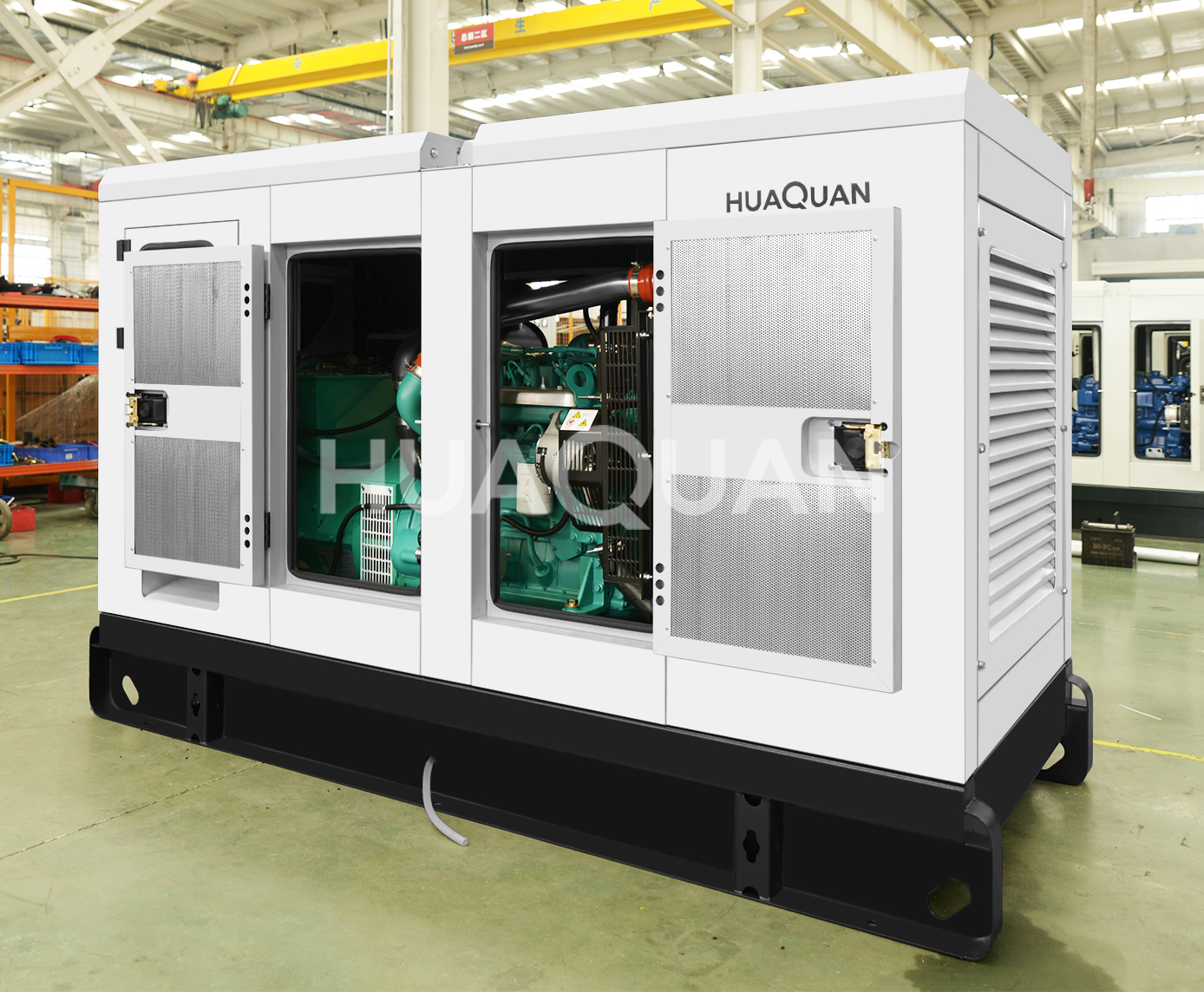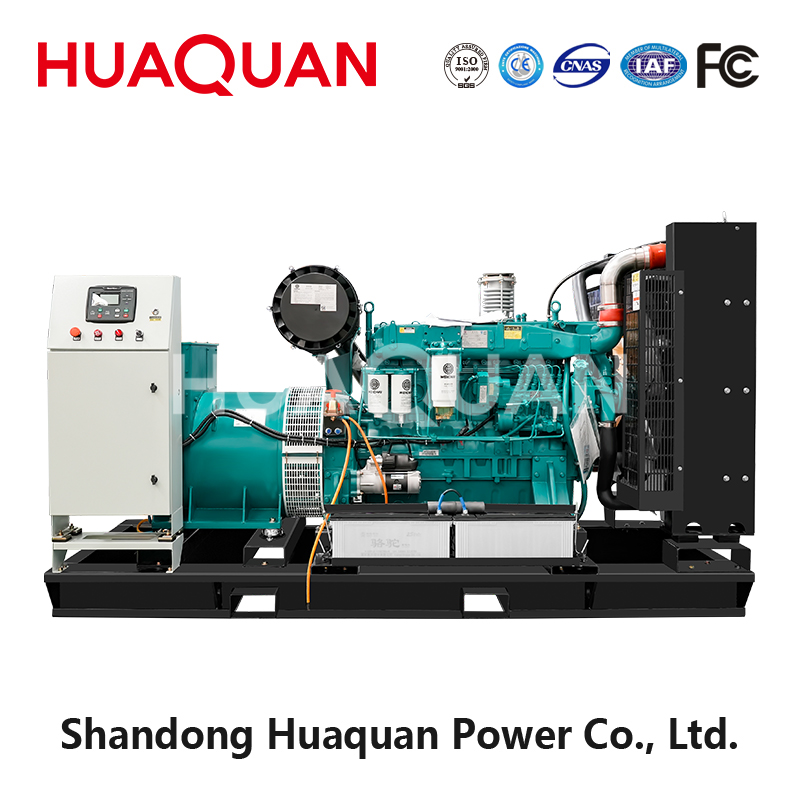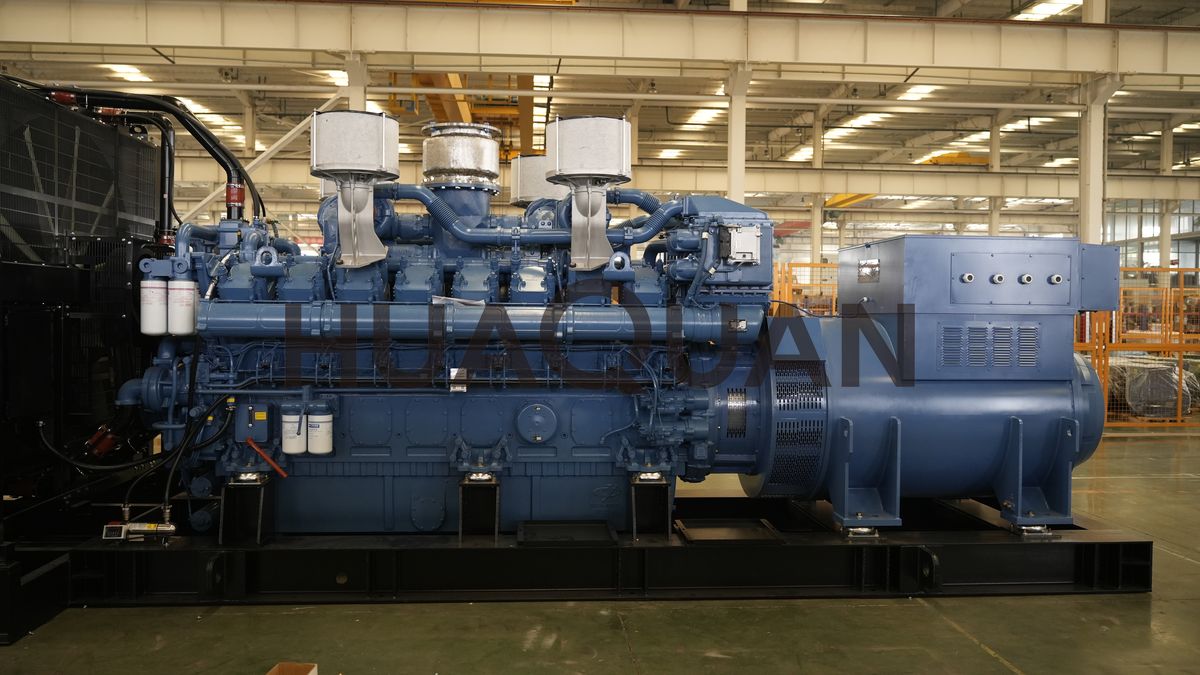
Reducing Diesel Generator fuel consumption saves money and extends engine life. First of all, diesel Generators typically consume 0.25-0.40 liters per kWh at full load. Therefore, a 100kW generator may use 25-40 liters per hour. This guide shows how to reduce diesel generator fuel consumption by 15-30% through proper operation and maintenance.
What Affects Diesel Generator Fuel Consumption?
Load Factor Impact
First, the load factor has the biggest impact on diesel generator fuel consumption. Specifically, generators are most efficient at 70-80% of rated capacity. Furthermore, running at very low load (below 30%) wastes fuel and can cause engine damage. Therefore, size your generator correctly for the expected load. Moreover, avoid running large generators for small loads.
| Load Percentage | Fuel Efficiency | Recommendation |
|---|---|---|
| Below 30% | Poor (wet stacking risk) | Avoid if possible |
| 30-50% | Fair | Not optimal but acceptable |
| 50-75% | Good | Normal operating range |
| 75-90% | Best efficiency | Ideal for fuel economy |
| 90-100% | Good but stressed | Short periods only |
Engine Condition
Next, engine condition directly affects diesel generator fuel consumption. Specifically, worn injectors, clogged air filters, and dirty fuel systems increase fuel use. Furthermore, proper maintenance keeps the engine running efficiently. Therefore, follow the manufacturer’s service schedule carefully. In addition, use quality fuel and oil to maintain optimal performance.
| Engine Issue | Fuel Impact | Solution |
|---|---|---|
| Dirty air filter | +5-10% consumption | Clean or replace filter |
| Worn injectors | +10-20% consumption | Rebuild or replace injectors |
| Bad fuel | +5-15% consumption | Use quality diesel |
| Low compression | +10-25% consumption | Engine overhaul needed |
How Does Load Management Reduce Fuel Consumption?
Right-Size Your Generator
Choosing the correct generator size is the first step to minimize diesel generator fuel consumption. Specifically, a generator that is too large runs at low load, wasting fuel. Furthermore, a generator that is too small runs at full capacity, reducing efficiency. Therefore, calculate your actual power needs before selecting a generator. Also, consider multiple smaller units for variable loads.
| Load Type | Recommended Sizing | Reason |
|---|---|---|
| Steady load | 75-85% of rated capacity | Best efficiency point |
| Variable load | Peak load × 0.8 | Handles peaks efficiently |
| Starting motors | Account for surge | Motor starting current |
| Multiple units | Parallel smaller generators | Match load with units |
Use Automatic Load Management
Also, automatic load management systems optimize diesel generator fuel consumption. Specifically, these systems start and stop generators based on actual load demand. Furthermore, they prevent running multiple units at low load. Moreover, modern controllers can sync generators in parallel for efficient operation. Therefore, invest in automatic load management for large installations.
What Maintenance Practices Improve Fuel Efficiency?
Air Filter Maintenance
A clean air filter is essential for low diesel generator fuel consumption. Specifically, a clogged filter restricts airflow, causing incomplete combustion and wasted fuel. Furthermore, check air filters weekly in dusty environments. Moreover, replace filters according to the maintenance schedule or when they show visible dirt. The Wikipedia diesel engine article explains air-fuel mixture importance.
| Air Filter Status | Visual Check | Action |
|---|---|---|
| Clean | Original color, no dirt | Continue normal use |
| Slightly dirty | Light dust on surface | Clean with compressed air |
| Dirty | Visible dirt buildup | Replace filter |
| Clogged | Heavy dirt, restricted flow | Replace immediately |
Fuel System Service
Next, the fuel system directly impacts diesel generator fuel consumption. Specifically, clean injectors spray fuel in the correct pattern for efficient combustion. Furthermore, clogged or worn injectors waste fuel and cause smoke. Therefore, service the fuel system regularly. Moreover, use quality fuel additives to keep injectors clean. Visit Huaquan Power for fuel system parts.
| Fuel System Task | Frequency | Benefit |
|---|---|---|
| Replace fuel filter | Every 250-500 hours | Prevents injector clogging |
| Drain water separator | Weekly | Prevents water damage |
| Injector inspection | Every 1000 hours | Maintains spray pattern |
| Use fuel additive | Per product instructions | Keeps system clean |
Oil and Lubrication
Also, proper lubrication reduces internal friction and diesel generator fuel consumption. Specifically, use the correct oil grade for your engine and climate. Furthermore, change oil on schedule to maintain viscosity. Moreover, check oil level daily to prevent damage. In addition, synthetic oils can improve efficiency slightly in some applications.
| Oil Maintenance | Schedule | Efficiency Impact |
|---|---|---|
| Oil change | Every 250-500 hours | Reduces friction |
| Oil filter change | With each oil change | Keeps oil clean |
| Check oil level | Daily | Prevents damage |
| Use correct grade | Always | Optimal lubrication |
How Does Operating Temperature Affect Fuel Use?
Engine Warm-Up
Cold engines have higher diesel generator fuel consumption. Specifically, cold oil has more viscosity, causing more friction. Furthermore, cold engines need richer fuel mixtures. Therefore, allow the engine to warm up before applying full load. Moreover, in cold climates, consider engine block heaters to reduce warm-up time and fuel use.
| Coolant Temperature | Engine Status | Fuel Efficiency |
|---|---|---|
| Below 60°C | Cold, incomplete burn | Poor |
| 60-75°C | Warming up | Improving |
| 75-90°C | Normal operating range | Optimal |
| Above 95°C | Overheating risk | Reducing efficiency |
What Role Does Generator Speed Play in Fuel Economy?
Fixed Speed vs Variable Speed
Most diesel generators run at fixed speed (1500 or 1800 RPM) for correct frequency output. Furthermore, this fixed speed means diesel generator fuel consumption is relatively constant even at low load. However, variable speed generators can adjust engine speed to match load, improving efficiency at partial load. Therefore, consider variable speed technology for applications with highly variable loads.
| Generator Type | Speed Control | Efficiency at Partial Load |
|---|---|---|
| Fixed speed (standard) | Constant 1500/1800 RPM | Lower at light loads |
| Variable speed | Adjusts to load | Higher at light loads |
| Hybrid (with battery) | Runs at optimal load | Best overall efficiency |
How Much Fuel Can Proper Maintenance Save?
Efficiency Improvement Summary
Proper maintenance can reduce diesel generator fuel consumption by 10-25%. Specifically, clean filters, proper oil, and tuned injectors all contribute. Furthermore, correct sizing and load management add even more savings. Therefore, a well-maintained, correctly sized generator can save thousands of dollars in fuel costs over its lifetime.
| Improvement Area | Potential Savings | Investment Required |
|---|---|---|
| Correct sizing | 10-30% | Planning time only |
| Air filter maintenance | 5-10% | Low cost filter |
| Fuel system service | 5-15% | Maintenance cost |
| Load management | 10-20% | Controller investment |
| Total potential | 15-35% | Varies by situation |
Frequently Asked Questions
How much fuel does a diesel generator use per hour?
First of all, diesel generator fuel consumption varies by size and load. Specifically, most diesel generators use 0.25-0.40 liters per kWh at full load. Therefore, a 100kW generator at full load consumes about 25-40 liters per hour. Furthermore, at half load, consumption drops to about 15-20 liters per hour, but efficiency is lower.
Is it bad to run a generator at low load?
Yes, running below 30% load can harm the engine and increase diesel generator fuel consumption per kWh. Specifically, low load causes incomplete combustion and carbon buildup (wet stacking). Furthermore, this damages the turbocharger and exhaust system over time. Therefore, generators should run above 50% load whenever possible for best efficiency and engine health.
Does diesel fuel quality affect generator consumption?
First of all, fuel quality has a significant impact on diesel generator fuel consumption. Specifically, low-quality diesel may have lower energy content and more contaminants. Furthermore, poor fuel can clog filters and damage injectors, reducing efficiency. Therefore, always use quality diesel from reputable suppliers. Moreover, store fuel properly to prevent degradation.
How can I calculate my generator fuel cost?
First, estimate your average load in kW. Next, multiply by the typical consumption rate of 0.3 liters/kWh for diesel generator fuel consumption calculation. Furthermore, multiply by hours of operation and fuel price. For example, a 50kW load running 10 hours at $1.50/liter costs about $225. Therefore, reducing consumption saves significant money over time.
What is the best load percentage for generator efficiency?
First of all, the best efficiency is typically at 75-85% of rated capacity. Specifically, this load range optimizes diesel generator fuel consumption while maintaining engine health. Furthermore, avoid running below 50% for extended periods. Moreover, running above 90% is acceptable for short periods but stresses the engine. Therefore, size generators to run in the 70-85% range for normal loads.
⚡ Explore Related Solutions
- 🏭 100kW Diesel Generator
- 🏭 500kW Diesel Generator
- 🏭 1000kW Diesel Generator
- 🏭 500kW YC Diesel Generator
- 🔧 KMS (Cummins/Doosan) Series
- 📋 Diesel Generator Sets
- 📋 Order Process — How to Buy
- 📋 Contact Us
💡 Need a customized solution? Contact our engineering team for project-specific recommendations.
Conclusion: Optimize Your Diesel Generator Fuel Consumption
In summary, reducing diesel generator fuel consumption requires attention to several factors. First, choose the correct generator size for your load. Next, maintain the engine properly with clean filters and injectors. Also, operate at optimal load ranges between 70-85%. Furthermore, consider load management systems for variable loads. Therefore, following these guidelines can reduce fuel costs by 15-35%. Contact Huaquan Power for efficient generators and expert advice.