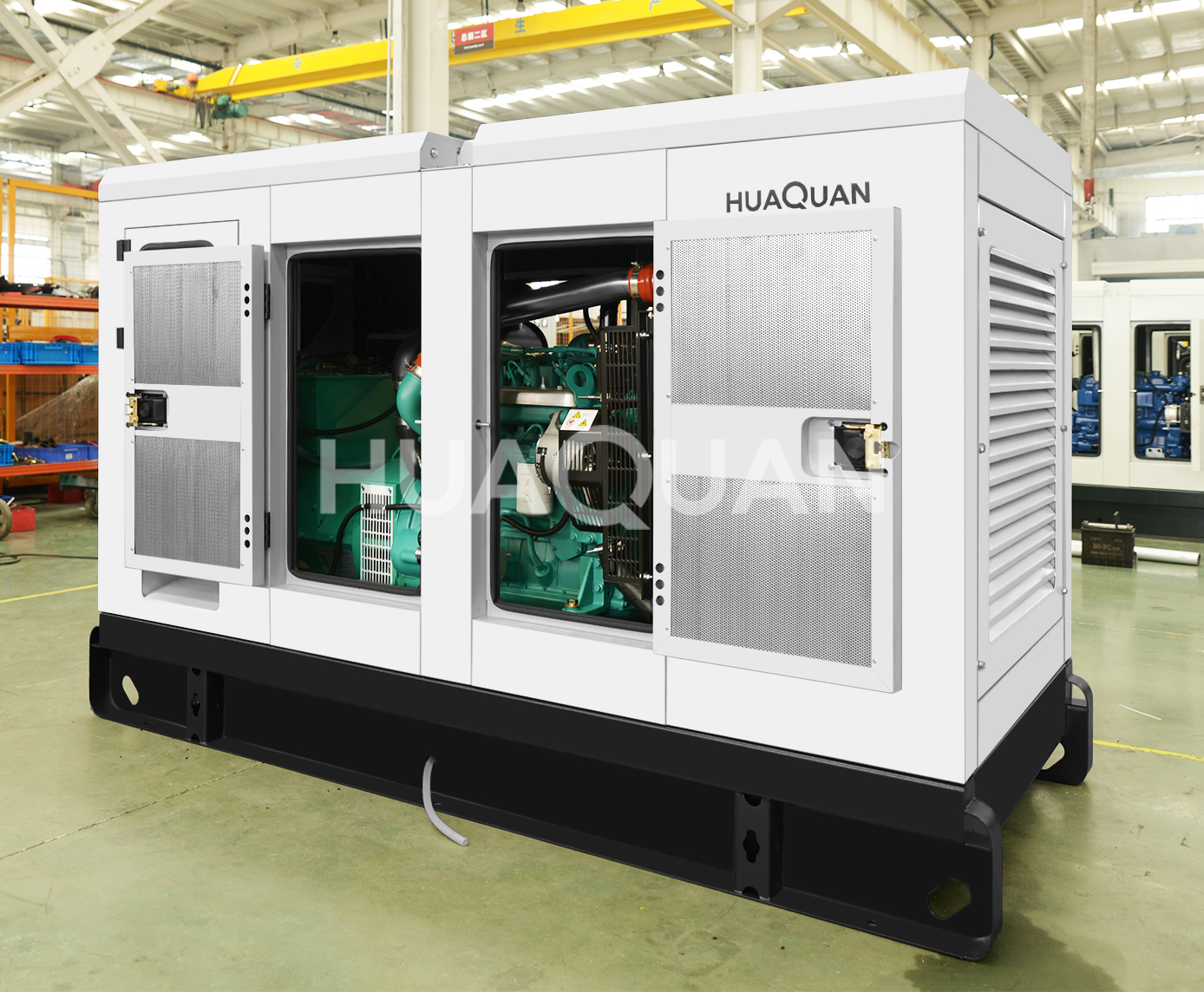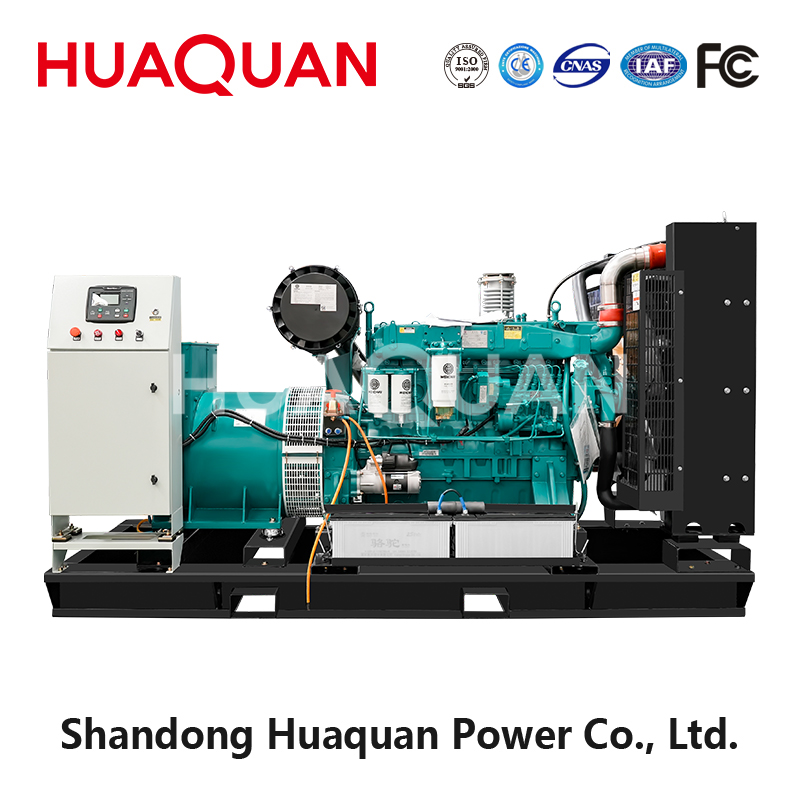
Following Diesel Generator safety precautions protects people and property from harm. First of all, diesel Generators produce high voltage, heat, and exhaust gases that can be dangerous. Therefore, proper safety procedures are essential for all personnel who work with or near generators. This guide covers critical diesel generator safety precautions for installation, operation, and maintenance.
What Are the Main Hazards of Diesel Generators?
Electrical Hazards
First, electrical hazards are the most serious concern when discussing diesel generator safety precautions. Specifically, generators produce high voltage that can cause fatal electric shock. Furthermore, improper grounding or connection to building systems creates shock and electrocution risks. Therefore, only qualified electricians should install and maintain generator electrical systems.
| Electrical Hazard | Risk Level | Prevention |
|---|---|---|
| High voltage output | Fatal | Keep panels closed, use lockout/tagout |
| Improper grounding | Fatal | Verify grounding before operation |
| Backfeed to utility | Fatal to lineworkers | Use proper transfer switch |
| Wet conditions | High | Keep generator dry, use GFCI |
| Exposed wiring | High | Inspect regularly, repair damage |
Fire and Explosion Hazards
Next, fire hazards require attention in diesel generator safety precautions. Specifically, diesel fuel is flammable and can ignite if exposed to hot surfaces or sparks. Furthermore, battery hydrogen gas is explosive during charging. Moreover, accumulated oil and fuel can catch fire. Therefore, maintain cleanliness and have proper fire suppression equipment.
| Fire Risk | Source | Prevention |
|---|---|---|
| Fuel ignition | Hot surfaces, sparks | Keep fuel lines away from exhaust |
| Battery explosion | Hydrogen gas | Ventilate battery area, no sparks nearby |
| Oil fire | Oil leaks on hot parts | Clean spills, fix leaks promptly |
| Electrical fire | Short circuits | Proper wiring, circuit protection |
What Installation Safety Precautions Are Required?
Location and Ventilation
Proper location is a key diesel generator safety precautions requirement. First, generators must be installed in well-ventilated areas to prevent carbon monoxide buildup. Furthermore, indoor installations need proper exhaust systems that vent outside. Moreover, outdoor installations need protection from weather and flooding. The Wikipedia carbon monoxide article explains why ventilation matters.
| Installation Type | Safety Requirements | Key Considerations |
|---|---|---|
| Indoor | Exhaust system, ventilation, fire suppression | Carbon monoxide detection required |
| Outdoor enclosure | Weather protection, security, drainage | Sound attenuation, fuel containment |
| Mobile/trailer | Stable surface, cable protection, grounding | Local noise regulations |
| Rooftop | Weight capacity, vibration isolation, access | Fuel supply safety |
Electrical Installation Standards
Also, electrical installation must follow codes as part of diesel generator safety precautions. Specifically, use proper transfer switches to prevent backfeed. Furthermore, ensure grounding meets NEC or local code requirements. Moreover, size wiring correctly for the generator output. Therefore, always hire licensed electricians for generator installation.
| Electrical Requirement | Standard | Why It Matters |
|---|---|---|
| Transfer switch | NEC Article 700, 701, 702 | Prevents backfeed to utility lines |
| Grounding | NEC Article 250 | Prevents shock and electrocution |
| GFCI protection | NEC 210.8 for outdoor | Protects against ground faults |
| Conductor sizing | NEC Article 310 | Prevents overheating and fire |
| Overcurrent protection | NEC Article 240 | Protects wiring and equipment |
What Operational Safety Precautions Apply?
Pre-Start Safety Checks
Before starting any generator, follow these diesel generator safety precautions. First, walk around the unit and check for obvious problems. Next, verify fluid levels are correct. Furthermore, ensure the area is clear of debris and flammable materials. Moreover, check that safety guards are in place. Visit Huaquan Power for operation guides.
| Pre-Start Check | What to Verify | Safety Purpose |
|---|---|---|
| Fluid levels | Oil, coolant, fuel adequate | Prevents engine damage and leaks |
| Area inspection | No flammables, good ventilation | Prevents fire and CO hazards |
| Safety guards | All covers and shields in place | Prevents contact with moving parts |
| Electrical | Breaker positions, connections secure | Prevents electrical hazards |
| Fire equipment | Extinguisher accessible and charged | Ready for emergency response |
Running Safety Procedures
During operation, maintain these diesel generator safety precautions. Specifically, never open electrical panels while the generator is running. Furthermore, keep people away from hot exhaust components. Moreover, monitor for unusual sounds, smells, or vibrations. Also, ensure carbon monoxide detectors are working in occupied spaces nearby.
| Operational Rule | Reason | Consequence of Violation |
|---|---|---|
| Keep panels closed | High voltage inside | Electrical shock, arc flash |
| Stay clear of exhaust | Extreme heat and gases | Burns, carbon monoxide exposure |
| No refueling while running | Fire hazard | Fuel ignition, explosion |
| Monitor for problems | Early warning detection | Equipment damage, unsafe conditions |
| CO detector active | Silent deadly gas | Carbon monoxide poisoning |
What Maintenance Safety Precautions Are Essential?
Lockout/Tagout Procedures
Before any maintenance, follow lockout/tagout as a critical diesel generator safety precautions step. Specifically, this prevents accidental starting during maintenance. First, isolate the generator from all power sources. Next, lock and tag all disconnects. Furthermore, verify zero energy state before beginning work. Therefore, lockout/tagout protects maintenance personnel from injury.
| Lockout Step | Action | Verification |
|---|---|---|
| Notify affected personnel | Announce maintenance | Acknowledgment received |
| Shutdown generator | Normal stop procedure | Generator at rest |
| Isolate energy sources | Open breakers, close fuel valve | All sources disconnected |
| Apply locks and tags | Personal locks on each disconnect | Each worker has own lock |
| Verify zero energy | Test for voltage, pressure | Zero reading confirmed |
Hot Surface and Burn Prevention
Also, hot surfaces are a significant hazard requiring diesel generator safety precautions. Specifically, engine components reach 90°C+ during operation. Furthermore, exhaust manifolds can exceed 400°C. Therefore, allow the generator to cool before maintenance. Moreover, post warning signs about hot surfaces. In addition, use heat-resistant gloves when handling hot parts.
| Component | Typical Temperature | Cool-Down Time |
|---|---|---|
| Exhaust manifold | 400-600°C | 2-4 hours |
| Engine block | 80-100°C | 1-2 hours |
| Turbocharger | 300-500°C | 2-3 hours |
| Coolant | 80-95°C | 1-2 hours |
| Oil | 80-100°C | 1-2 hours |
What Fuel Safety Precautions Apply?
Fuel Storage and Handling
Fuel handling is a critical part of diesel generator safety precautions. First, store diesel fuel in approved containers away from heat sources. Next, ensure fuel tanks are properly vented to prevent pressure buildup. Furthermore, contain any spills immediately with absorbent materials. Moreover, never refuel while the generator is running or hot.
| Fuel Safety Rule | Reason | Best Practice |
|---|---|---|
| No smoking near fuel | Fire/explosion hazard | Post no-smoking signs |
| Proper containers | Leak prevention | Use UL-listed containers |
| Spill containment | Environmental protection | Have spill kit nearby |
| Ground containers | Static spark prevention | Bond container to tank |
| Cool before refueling | Fire prevention | Wait 15+ minutes after shutdown |
What Emergency Procedures Should Be Established?
Emergency Response Plan
Every facility with a generator needs emergency procedures as part of diesel generator safety precautions. First, post emergency contact numbers near the generator. Next, train personnel on emergency shutdown procedures. Furthermore, have evacuation routes posted. Moreover, conduct regular drills to ensure everyone knows what to do.
| Emergency Type | Immediate Action | Contact |
|---|---|---|
| Fire | Evacuate, call fire department, use extinguisher if safe | Fire department (911) |
| Electrical shock | Do not touch victim, cut power, call for help | Emergency services |
| Fuel spill | Stop source, contain spill, ventilate | Environmental agency if large |
| CO exposure | Evacuate, ventilate, seek medical attention | Poison control |
| Medical emergency | Provide first aid, call for help | Emergency services |
Frequently Asked Questions
Can I run a diesel generator indoors?
First of all, diesel generators should never run indoors without proper exhaust ventilation as part of diesel generator safety precautions. Specifically, diesel engines produce carbon monoxide, which is a deadly, odorless gas. Furthermore, indoor operation requires a dedicated exhaust system that vents all gases outside. Therefore, portable generators must always run outdoors with adequate ventilation.
How far should a generator be from a building?
First, maintain at least 5-10 meters (15-30 feet) from buildings as a standard diesel generator safety precautions guideline. Specifically, this distance prevents exhaust gases from entering windows and doors. Furthermore, check local codes which may require greater distances. Moreover, ensure the generator exhaust points away from occupied areas. Therefore, proper placement protects occupants from CO exposure.
What type of fire extinguisher is needed for generators?
First, use ABC or CO2 fire extinguishers as part of diesel generator safety precautions. Specifically, ABC extinguishers work on fuel and electrical fires. Furthermore, CO2 extinguishers are preferred for electrical fires because they leave no residue. Moreover, ensure extinguishers are rated for at least 10 pounds capacity. Therefore, keep extinguishers accessible and inspect them monthly.
Is it safe to refuel a generator while it is running?
First of all, never refuel a running or hot generator – this is a critical diesel generator safety precautions rule. Specifically, hot engine parts can ignite fuel vapors. Furthermore, spills on hot surfaces cause immediate fire. Therefore, always shut down the generator and allow it to cool for at least 15 minutes before refueling. Moreover, clean up any spills immediately.
What PPE is required for generator maintenance?
First, required PPE for diesel generator safety precautions includes safety glasses, hearing protection, and insulated gloves. Specifically, safety glasses protect from debris and sparks. Furthermore, hearing protection is needed because generators exceed 85 dB. Moreover, insulated gloves protect when working near electrical components. Therefore, always wear appropriate PPE for the specific task being performed.
⚡ Explore Related Solutions
- 🏭 500kW Diesel Generator
- 🏭 1000kW Diesel Generator
- 🏭 500kW YC Diesel Generator
- 🔧 KMS (Cummins/Doosan) Series
- 📋 Diesel Generator Sets
- 📋 Order Process — How to Buy
- 📋 Contact Us
💡 Need a customized solution? Contact our engineering team for project-specific recommendations.
Conclusion: Prioritize Diesel Generator Safety Precautions
In summary, following diesel generator safety precautions prevents injuries and property damage. First, understand the hazards including electrical, fire, and exhaust dangers. Next, install generators properly with correct ventilation and grounding. Also, follow safe operating procedures during startup and running. Furthermore, use lockout/tagout for all maintenance. Therefore, proper safety practices ensure reliable and safe generator operation. Contact Huaquan Power for quality generators and safety resources.