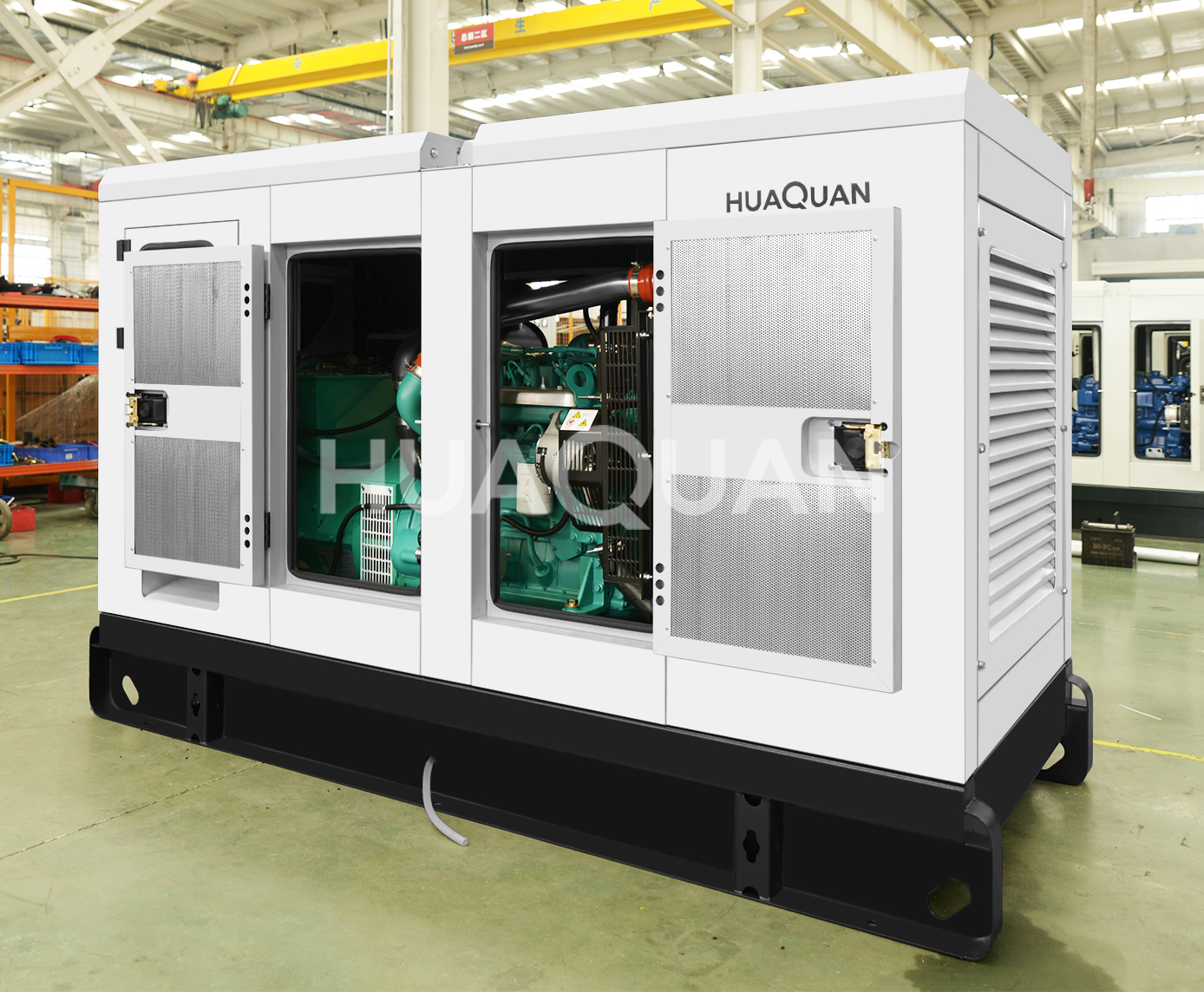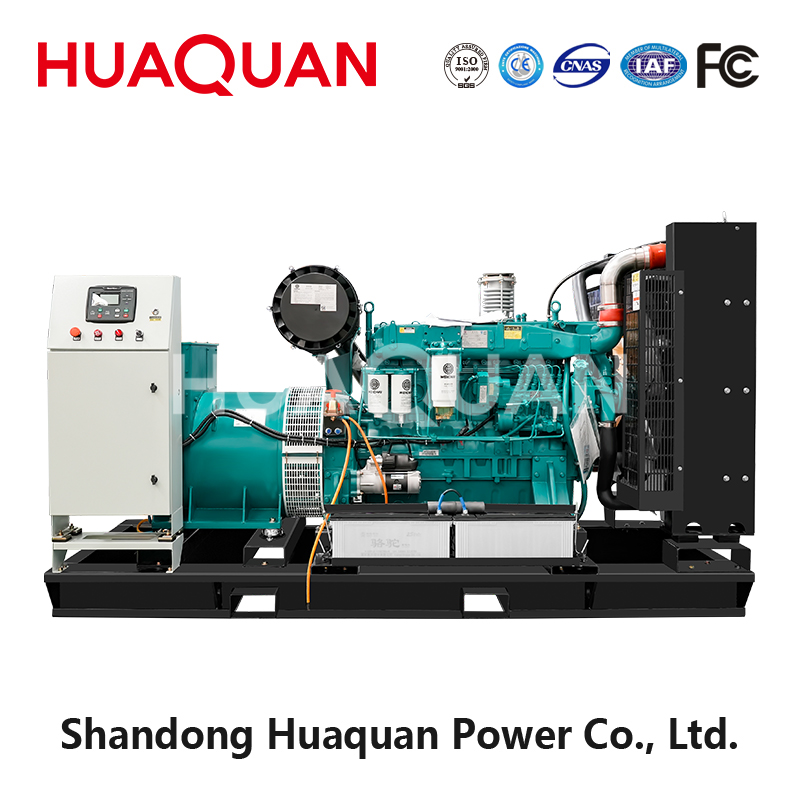
The compression ratio of a Diesel Generator engine typically ranges from 14:1 to 24:1, which is significantly higher than gasoline engines. Huaquan Power designs diesel generator sets with optimized compression ratios that balance thermal efficiency, cold-start capability, and mechanical durability for reliable power generation.
What Is Compression Ratio in a Diesel Generator Engine?
Compression ratio represents the ratio between the maximum and minimum volume inside the engine cylinder during the combustion cycle. Specifically, it measures how much the air-fuel mixture is compressed before ignition occurs. Furthermore, diesel engines rely on compression ignition rather than spark ignition, which makes the compression ratio a critical design parameter.
Definition and Calculation of Compression Ratio
Engineers calculate compression ratio by dividing the total cylinder volume (when the piston is at bottom dead center) by the clearance volume (when the piston is at top dead center). Additionally, this ratio directly determines the peak temperature and pressure achieved during the compression stroke. Therefore, a higher compression ratio produces greater thermal efficiency, as more energy from the fuel converts into useful mechanical work.
Huaquan Power selects compression ratios carefully for each generator model. Specifically, the engineering team evaluates the target application, fuel quality, and operating environment before finalizing the compression ratio. Moreover, this attention to detail ensures that every Huaquan diesel generator delivers optimal performance across diverse operating conditions.
| Compression Ratio Range | Engine Type | Typical Application | Thermal Efficiency |
|---|---|---|---|
| 14:1 – 16:1 | Low-compression diesel | Light-duty Generators | 38-40% |
| 16:1 – 20:1 | Medium-compression diesel | Industrial generators | 40-43% |
| 20:1 – 24:1 | High-compression diesel | Heavy-duty generators | 43-46% |
How Does Compression Ratio Affect Diesel generator performance?
Compression ratio influences multiple performance parameters in diesel generator engines. Consequently, understanding these relationships helps operators select and maintain their equipment properly.
Thermal Efficiency and Fuel Economy
Higher compression ratios improve thermal efficiency because the fuel-air mixture reaches greater temperatures before combustion begins. Furthermore, this increased temperature ensures more complete fuel burning, which reduces waste and lowers specific fuel consumption. Additionally, Huaquan Power generators with optimized compression ratios achieve fuel savings of 5-8% compared to poorly calibrated alternatives.
Cold-Start Capability
Compression ratio directly impacts cold-start performance in diesel generators. Specifically, higher compression generates more heat during the compression stroke, which helps ignite the fuel even in low-temperature conditions. Therefore, generators operating in cold climates benefit from compression ratios above 18:1. Importantly, Huaquan Power incorporates cold-start aids such as grid heaters and glow plugs alongside optimal compression ratios for reliable ignition down to -40°C.
| Compression Ratio | Minimum Start Temperature | Start Time at 0°C | Start Time at -20°C |
|---|---|---|---|
| 14:1 – 16:1 | -5°C | 8-12 seconds | Requires preheating |
| 16:1 – 20:1 | -15°C | 5-8 seconds | 10-15 seconds |
| 20:1 – 24:1 | -40°C | 3-5 seconds | 6-10 seconds |
What Are the Different Compression Ratio Specifications Across Engine Brands?
Different engine manufacturers select compression ratios based on their design philosophy, target market, and technology platform. Moreover, the choice of compression ratio reflects trade-offs between efficiency, emissions, durability, and cost.
| Engine Brand | Model Series | Compression Ratio | Rated Power Range | Fuel Efficiency (g/kWh) |
|---|---|---|---|---|
| Cummins | NTA855 | 14.5:1 | 250-600 kW | 210-225 |
| Perkins | 4000 Series | 15.5:1 | 200-500 kW | 200-218 |
| Volvo Penta | TAD Series | 17:1 | 150-450 kW | 195-210 |
| Deutz | 914 Series | 17.5:1 | 100-300 kW | 205-220 |
| MTU | 2000 Series | 16:1 | 500-2000 kW | 198-215 |
Huaquan Power offers generator sets equipped with all major engine brands listed above. Furthermore, each configuration undergoes rigorous testing to verify that the compression ratio delivers the promised performance and efficiency. Consequently, customers receive generators that meet or exceed published specifications.
What Problems Can Incorrect Compression Ratio Cause?
When the compression ratio deviates from design specifications, several operational problems can emerge. Therefore, monitoring compression ratio through regular engine testing proves essential for maintaining generator reliability.
| Problem | Symptom | Root Cause | Severity |
|---|---|---|---|
| Low compression | Hard starting, white smoke | Worn piston rings or cylinder | High |
| Low compression | Reduced power output | Blown head gasket | High |
| Excessive compression | Engine knocking | Carbon buildup in cylinder | Medium |
| Uneven compression | Rough running, vibration | Worn valve seats | Medium |
| Progressive compression loss | Increasing fuel consumption | Cylinder wall glazing | Low-Medium |
Huaquan Warning: Low Compression Consequences
Operators should never ignore low compression symptoms in diesel generator engines. Specifically, continued operation with reduced compression accelerates wear on pistons, rings, and cylinder walls. Moreover, incomplete combustion from low compression increases carbon deposits, which further degrades engine performance. Therefore, Huaquan Power recommends immediate inspection when starting difficulties or excessive smoke appear.
How to Test and Maintain Proper Compression Ratio?
Regular compression testing helps detect engine wear before it causes major failures. Furthermore, maintaining proper compression ensures that the generator operates at its designed efficiency and power output.
| Test Method | Equipment Required | Acceptable Range | Test Frequency |
|---|---|---|---|
| Cylinder compression test | Compression gauge | Within 10% of spec | Every 1000 hours |
| Leak-down test | Leak-down tester | Less than 15% leakage | Every 2000 hours |
| Cranking pressure test | Pressure transducer | Per manufacturer spec | Annually |
| Running compression test | Scope and pressure sensor | Per manufacturer spec | As needed |
Step-by-Step Compression Testing Procedure
First, ensure the engine is at operating temperature before beginning compression tests. Additionally, disable the fuel system to prevent engine starting during testing. Then, remove the injector from the cylinder being tested and install the compression gauge. Furthermore, crank the engine for several compression strokes while recording the maximum pressure reading. Consequently, compare the results against manufacturer specifications and between cylinders to identify any discrepancies.
| Step | Action | Key Detail | Warning |
|---|---|---|---|
| 1 | Warm up engine | Operate for 15 minutes | Ensure safe temperature |
| 2 | Disable fuel system | Disconnect fuel solenoid | Prevent accidental start |
| 3 | Remove injector | Use proper socket tool | Label each injector |
| 4 | Install gauge | Thread carefully | Avoid cross-threading |
| 5 | Crank engine | 5-6 compression strokes | Battery must be charged |
| 6 | Record readings | Note max pressure | Compare all cylinders |
Frequently Asked Questions About Diesel Generator Compression Ratio
Q1: What is the ideal compression ratio for a standby diesel generator?
Standby diesel generators typically use compression ratios between 16:1 and 20:1. Furthermore, this range provides reliable cold-start capability while maintaining good fuel efficiency for intermittent operation. Specifically, Huaquan Power recommends 18:1 as an optimal balance for most standby applications.
Q2: Can compression ratio be modified on an existing engine?
Modifying compression ratio on an existing diesel engine requires major internal changes such as replacing pistons or modifying the cylinder head. Additionally, such modifications can void warranties and affect engine reliability. Therefore, Huaquan Power advises selecting the correct engine specification from the outset rather than attempting aftermarket modifications.
Q3: How does altitude affect compression ratio effectiveness?
At higher altitudes, lower atmospheric pressure reduces the mass of air drawn into the cylinder, which effectively reduces the pressure achieved during compression. Consequently, engines operating above 1000 meters may experience reduced performance. Moreover, Huaquan Power offers altitude-optimized configurations with turbocharger adjustments to compensate for this effect.
Q4: What is the relationship between compression ratio and fuel quality?
Higher compression ratios demand higher cetane number fuel to ensure proper ignition timing. Furthermore, low-cetane fuel in a high-compression engine can cause delayed ignition and rough running. Therefore, always use fuel with a cetane number of at least 45 for generators with compression ratios above 18:1.
Q5: How often should compression be checked on a diesel generator?
Huaquan Power recommends checking cylinder compression every 1000 operating hours or annually, whichever comes first. Additionally, any time starting difficulties, excessive smoke, or power loss occurs, an immediate compression test should be performed. Importantly, early detection of compression loss prevents costly engine damage.
Conclusion
Compression ratio stands as one of the most fundamental design parameters in diesel generator engines. Specifically, it directly influences thermal efficiency, cold-start performance, fuel economy, and engine durability. Huaquan Power engineers select optimal compression ratios for each generator model, ensuring reliable operation across diverse applications and environments. Furthermore, regular compression testing and proper maintenance preserve the designed compression ratio throughout the service life.
Huaquan Power Key Recommendations:
- Select generators with compression ratios appropriate for your climate and application requirements
- Perform compression testing every 1000 hours to detect wear early
- Use fuel with adequate cetane numbers for your engine compression ratio
For expert guidance on diesel generator compression specifications, contact Huaquan Power at +86-159-0536-0210 or visit huaquanpower.net.