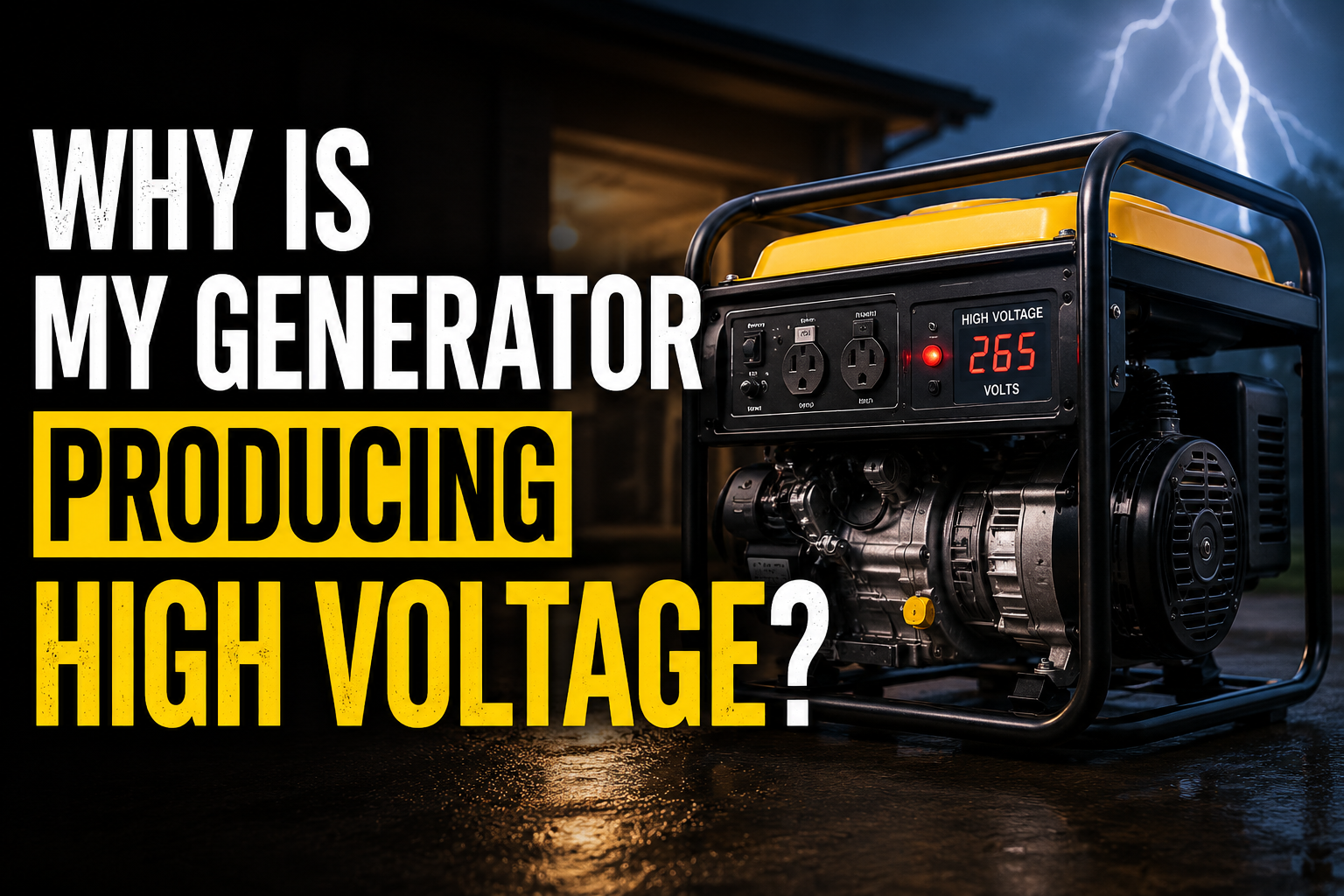
When you depend on backup power, you expect stable electricity every time you start the generator. So when lights suddenly look much brighter than normal, equipment begins running unusually hot, or breakers trip without warning, something is clearly wrong. Em muitos casos, these signs point to a generator producing high voltage.
High voltage is not a minor issue. Too much electrical pressure can destroy sensitive electronics in seconds. Computer systems, automated control panels, and expensive motors are especially vulnerable. Honestly, ignoring an overvoltage problem can turn a small repair into a very expensive disaster. Em casos graves, excessive voltage can even create fire hazards. This is why understanding the cause of the problem matters just as much as fixing it.
Neste guia de Huaquan, you will learn the reason behind the generator producing high voltage, common causes, troubleshooting steps, safety risks, and practical fixes to protect equipment and prevent damage.
What Does High Voltage Mean in a Generator?
Each generator has a specified output voltage. Residential units commonly produce 120V or 240V, while larger industrial systems often operate at 480V. Alta tensão, sometimes called overvoltage, occurs when the alternator generates electricity above its intended operating range.
Por exemplo, if a standard 120V outlet measures 140V or more on a multimeter, the generator is producing excessive voltage. That extra electrical pressure forces connected equipment to consume more power than it was designed to handle. The result can be damaged components, blown fuses, overheated circuits, and equipment failure that happens much faster than most people expect.
Common Causes of a Generator Producing High Voltage
A generator producing high voltage rarely does so without a reason. Na maioria dos casos, it is due to a specific electrical or mechanical problem. As causas comuns incluem:
- Regulador automático de tensão com defeito (AVR)
- Engine overspeed resulting in high frequency
- Loose, quebrado, or corroded voltage sensing wires
- Improperly adjusted voltage settings on the control panel
- Operating the generator with an extremely light load
- Damaged exciter components or blown rectifier diodes
- Faulty or glitched digital control panels
- Poor internal wiring or failed electrical grounds
Regulador automático de tensão com defeito
The most frequent reason for a generator producing high voltage is a failure of the Automatic Voltage Regulator, commonly referred to as the AVR. Think of the AVR as the control center of the alternator. Its job is simple but critical. It continually monitors the output voltage and modifies the magnetic field to ensure a constant supply of power when electrical demand fluctuates.
If an AVR fails due to age, aquecer, or a large surge event, it can lose control of the excitation system. Believe it or not, many failed regulators default to maximum output instead of shutting down. Neste ponto, the rotor receives excessive excitation current and the generator begins generating the maximum voltage that the alternator can physically generate.
Engine Speed or Frequency Is Too High
The speed of the engine is closely related to the generator voltage. Maioria Geradores must operate at a precise RPM, commonly 1800 ou 3600 RPM, to maintain the correct 60 Hz frequency.
When the governor or electronic actuator is out of adjustment, the engine may overspeed. When engine speed exceeds its intended range, frequency rises above 60 Hz and voltage is likely to increase. A quick frequency check can help identify this issue. If the control panel indicates approximately 64 Hz ou 65 Hz, the problem could be due to excessive engine speed.
Loose or Damaged Voltage Sensing Wires
The AVR uses very small sensing wires to measure the output of the generator. These wires are directly connected to the main output terminals and continuously provide voltage data to the regulator.
These connections may loosen or break over time due to vibration, corrosão, umidade, or physical damage. Então, the AVR will not get the correct voltage feedback. Pelo contrário, it might interpret the missing signal as low voltage and react by increasing the excitation current. This results in a very rapid increase in output voltage that can quickly cause damage to connected equipment.
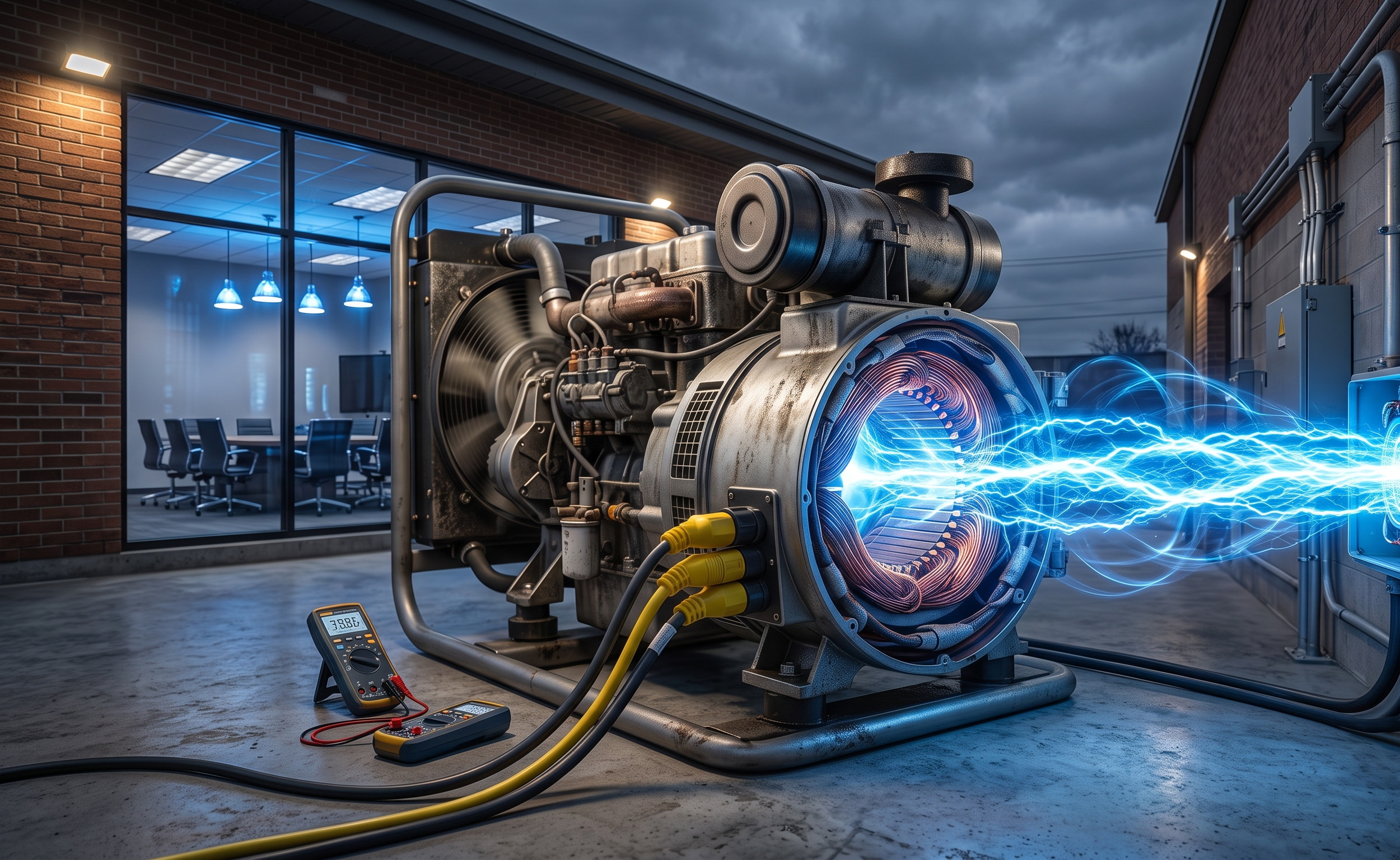
Light Load or Sudden Load Changes
Generators are most efficient with a constant electrical load. Large fluctuations can temporarily affect voltage stability.
Por exemplo, if a major industrial pump or central chiller suddenly shuts down, the generator experiences what technicians call load rejection. The electrical resistance disappears almost instantly. Engine speed increases for a split second and voltage can rise before the AVR restores control.
If the generator is operating with almost no load, that can pose a problem as well. If the electrical load is insufficient, voltage may rise above its rated value because the magnetic field inside the alternator lacks the resistance needed for stable operation.
Alternator or Excitation System Problems
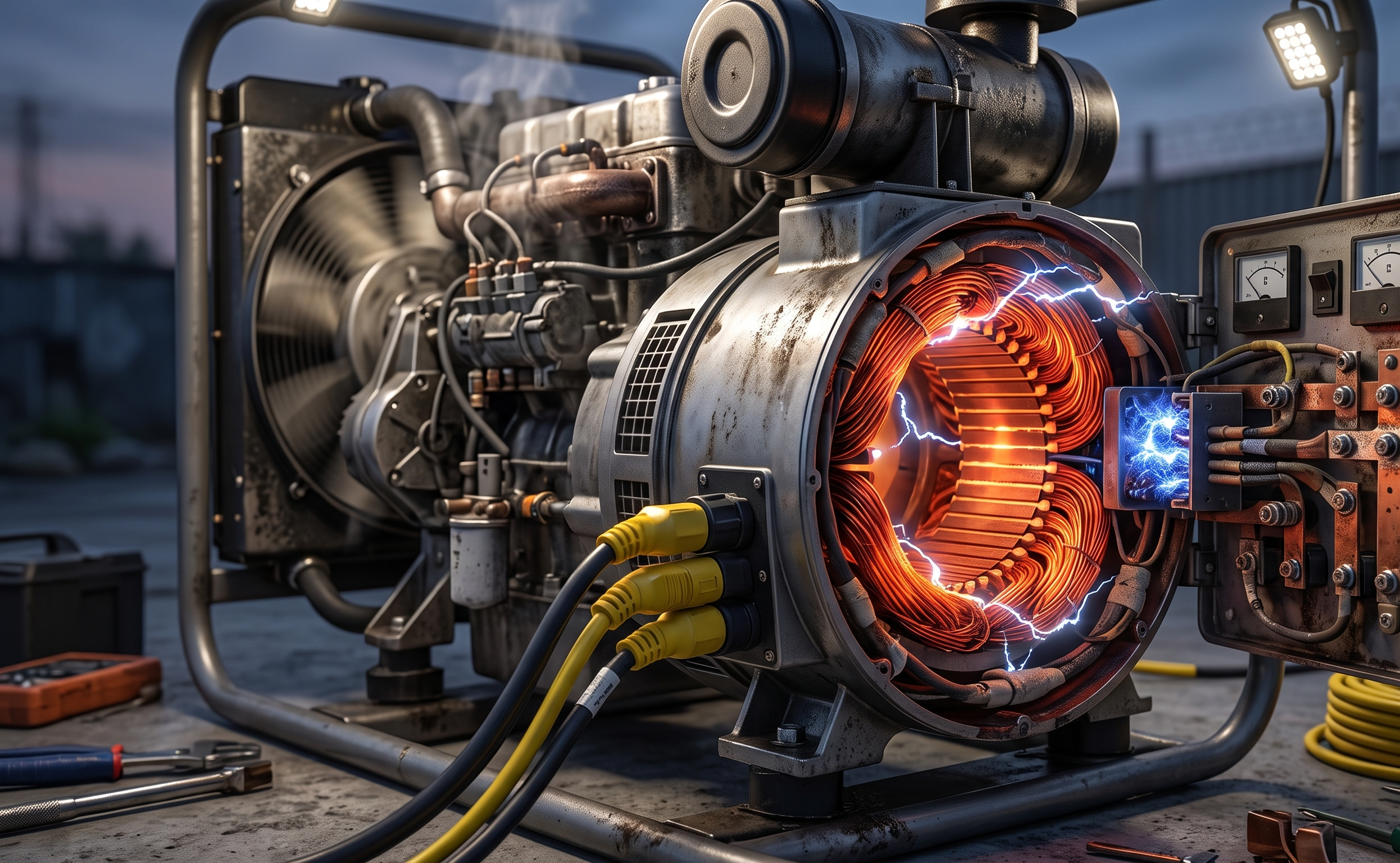
When the engine is operating at the proper speed and the AVR has been replaced or tested, the problem could be buried deeper within the excitation system of the alternator. Na verdade, this is where troubleshooting gets a little more technical, as there are a number of internal components that are working together to control voltage output.
- Rectifier Diodes: These diodes rectify AC electricity into DC power that is used to feed the rotor. Failure or a short circuit of a diode causes the loss of voltage balance. It creates unstable output, sudden spikes and erratic electrical behavior.
- Capacitor Failure: Smaller brushless generators tend to use a heavy-duty capacitor rather than an AVR to regulate voltage. When this capacitor weakens or fails, it becomes incapable of regulating the magnetic field properly. From then on, voltage can fluctuate far above or below normal operating limits.
- Rotor/Stator Shorts: The copper windings in the rotor and stator are insulated. That insulation can get damaged over time due to heat, moisture or wear. When electrical shorts develop inside the windings, normal voltage regulation breaks down and excessive voltage can reach the output terminals.
Step-by-Step Troubleshooting Guide
If you suspect your generator is producing more voltage than it should, take action quickly. Waiting too long can damage connected equipment and turn a small repair into a much larger problem.
- Disconnect All Loads: Start by switching the main breaker OFF. Remove all appliances, tools and connected wiring from the generator. This will keep high-voltage potential away from valuable equipment during troubleshooting.
- Check with a Multimeter: Do not assume by bright lights or by the way the appliances operate. Use a properly calibrated digital multimeter and measure the voltage directly across the output terminals of the generator. This will provide you with a true measurement of what’s going on.
- Check the Frequency (Hz): Look at the control panel if it displays the frequency. You can also use a meter capable of reading Hertz. When the frequency is much higher than 60 Hz (ou 50 Hz in other regions), it’s probably an engine speed problem rather than an electrical component problem.
- Inspect the Wiring: Shut the generator down before performing a visual inspection. Check all wiring connected to the AVR. Be sure to check for loose terminals, burned connectors, corrosion or broken sensing wires that could prevent proper voltage feedback.
- Adjust or Replace the AVR: Most AVRs include a small adjustment screw marked “VOLTS.” Run the generator without load and carefully turn the adjustment screw counterclockwise. If the voltage drops, then calibration might help. If there is no change, the AVR is probably faulty and must be replaced.
- Call a Technician: If a new AVR does not fix the problem, there could be a problem within the alternator windings, rectifier assembly or excitation system. From there on, professional testing and repair are needed.
How to Prevent High Voltage Problems
Addressing voltage problems is much less expensive than replacing damaged electronics. The maintenance routine is quite simple and has a significant impact on keeping output stable.
- Regular Testing: Check voltage with a multimeter at least once every month. Taking corrective action at an early stage can help avoid significant failures later.
- Gerenciamento adequado de carga: Avoid disconnecting large electrical loads all at once. Reduce heavy equipment gradually to prevent large voltage surges.
- AVR Inspection: Treat the AVR like any other wear component. Test it during routine maintenance and annual load bank inspections.
- General Maintenance: Keep the governor properly adjusted and lubricated. When engine speed remains stable, voltage remains stable as well.
- Clean Terminals: Inspect electrical connections regularly. Remove corrosion, rust and buildup before they affect voltage sensing.
Wrap Up on Generator Producing High Voltage!
A generator producing high voltage can pose a significant threat to appliances, equipment and facility operations. One of the most common causes is a failed AVR, but overspeed conditions, damaged sensing wires and sudden load changes can also cause dangerous voltage spikes. Quick identification of the problem and a consistent maintenance schedule remain the best protection against costly electrical damage.
Need expert help with desempenho do gerador problemas? Entre em contato com a Huaquan Power for professional inspections, genuine replacement parts and guidance on choosing a reliable generator solution that matches your power requirements.
Perguntas frequentes
Why does my generator voltage jump up and down?
Fluctuations in voltage can indicate a dirty carburettor, a restricted fuel filter or a failing governor. If engine RPM continually fluctuates, so will the voltage.
Can high voltage from a generator damage a refrigerator?
Sim. Higher-than-normal voltage can cause the compressor motor to overheat and damage sensitive electronic control boards inside the appliance.
How do I test my generator’s Automatic Voltage Regulator (AVR)?
Adjust the AVR voltage screw while the generator is operating. If the output has no response or continuity tests fail with the unit powered off, the AVR is probably faulty.