
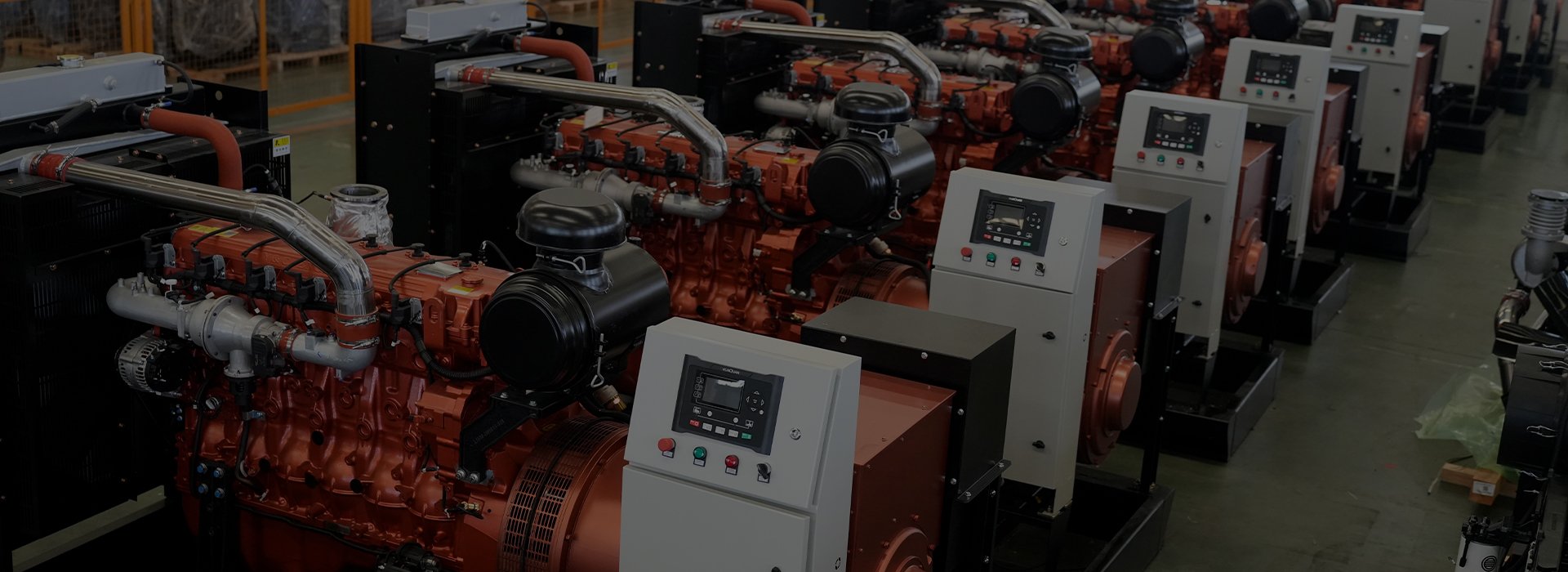
Fabricante profissional de gerador de gás na China
Através da cooperação com marcas como WC, YC, KMS, e SC, A HUAQUAN otimizou e atualizou continuamente seus produtos, garantindo qualidade confiável. A oficina de fabricação inteligente introduziu linhas de pulverização totalmente automáticas, robôs de soldagem industriais, Plataformas de transporte AGV, e máquinas CNC etc.. Possui fortes reservas técnicas e alta eficiência produtiva.
O gerador de gás HUAQUAN adota um alternador sem escova totalmente em cobre com um núcleo de chapa de aço silício estendido. Tem um poder forte, potência de saída suficiente, excelente desempenho de custo, longa vida útil, e baixo custo de manutenção.
O gerador de gás HUAQUAN emprega a mais recente tecnologia ECU para otimizar a eficiência da combustão de gás e reduzir a taxa de falhas.
O gerador de gás HUAQUAN atinge sua estabilidade em operação através de um projeto de otimização sistemática, integração de regulação inteligente de admissão, recuperação eficiente de calor residual, e tecnologias de dessulfuração profunda e desidratação. Depois de passar por rigorosos procedimentos de testes e verificação, pode garantir a confiabilidade e o respeito ao meio ambiente da solução de geração de energia fornecida a você.
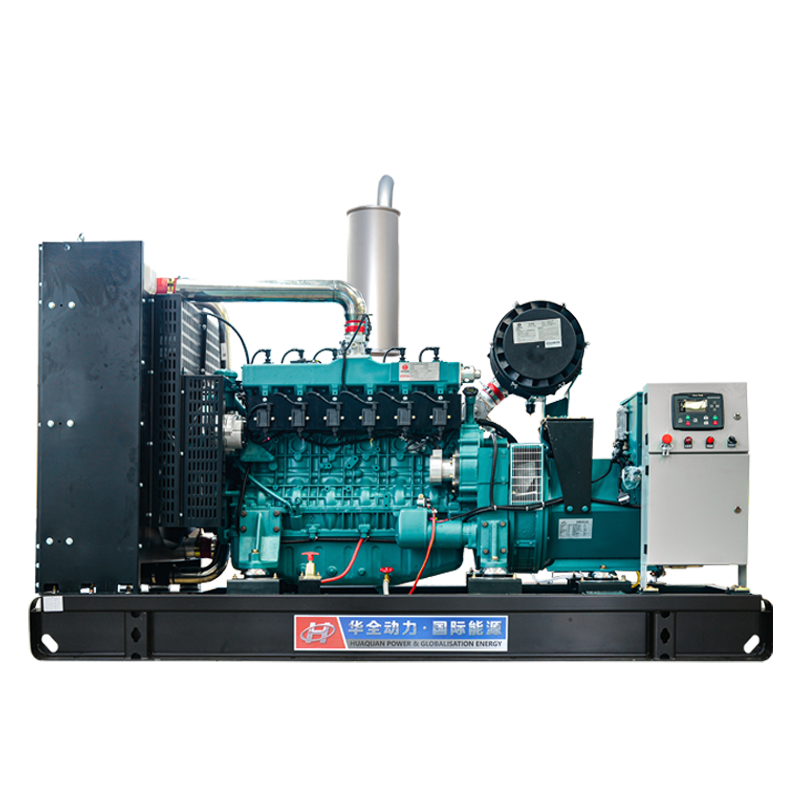
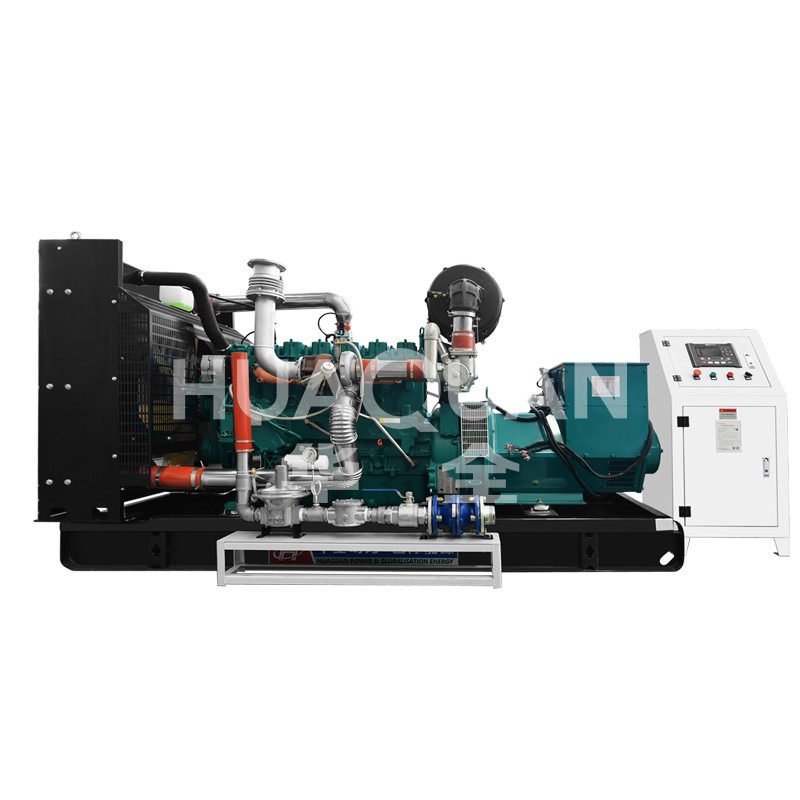
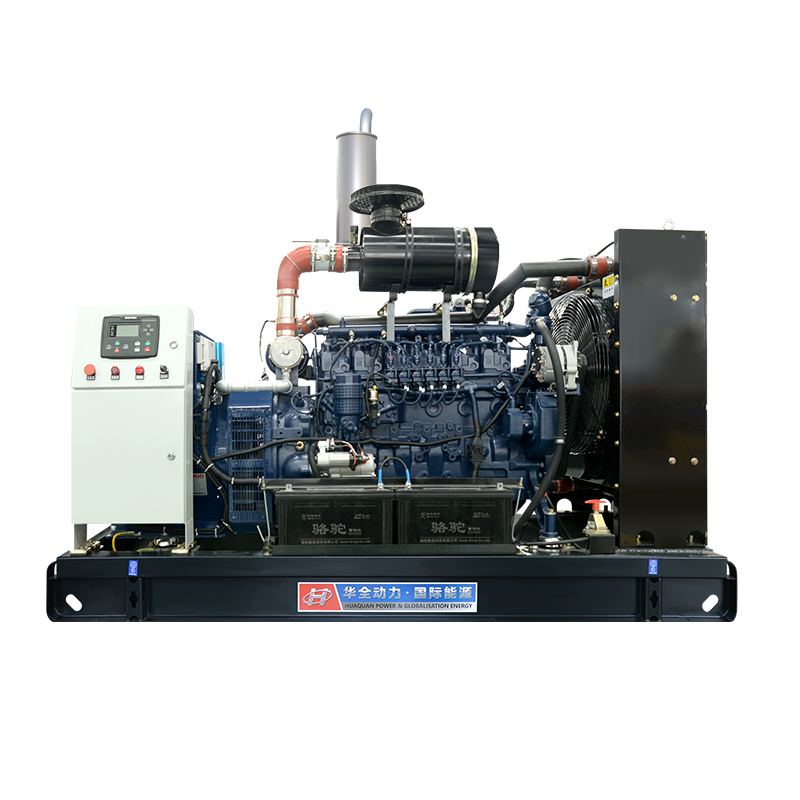
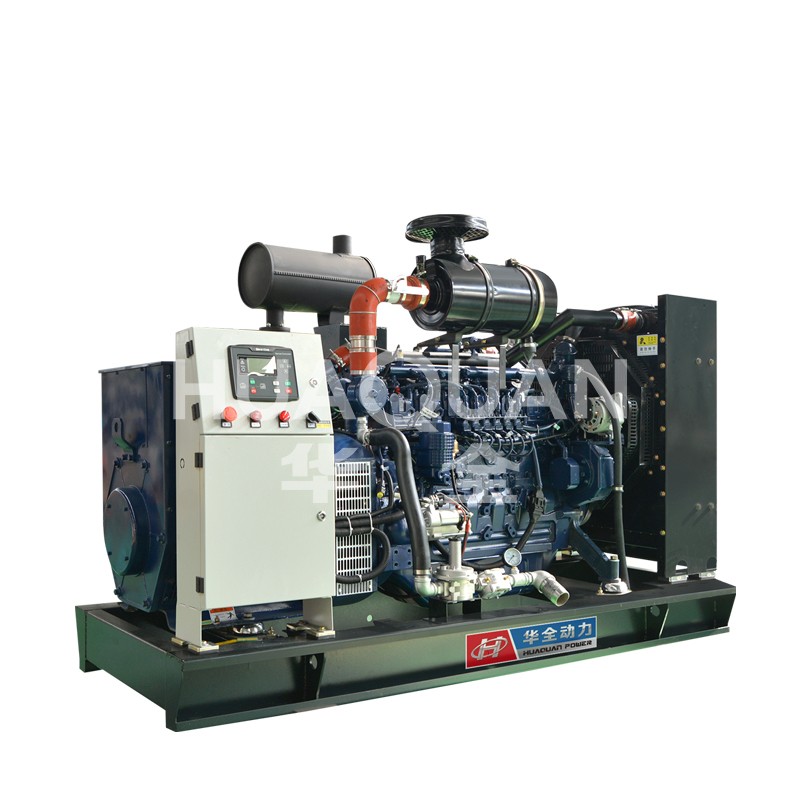
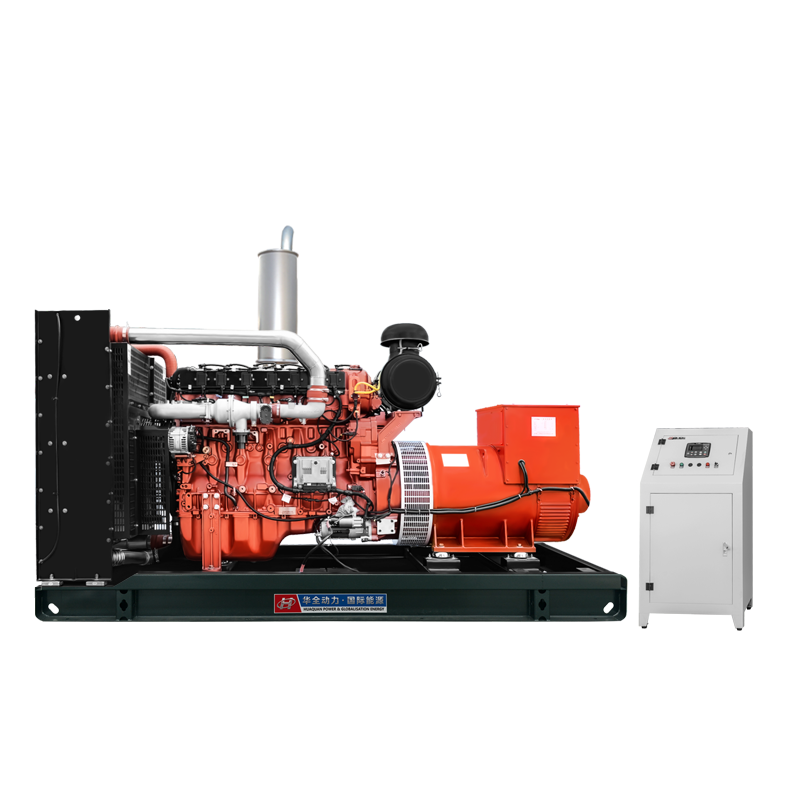
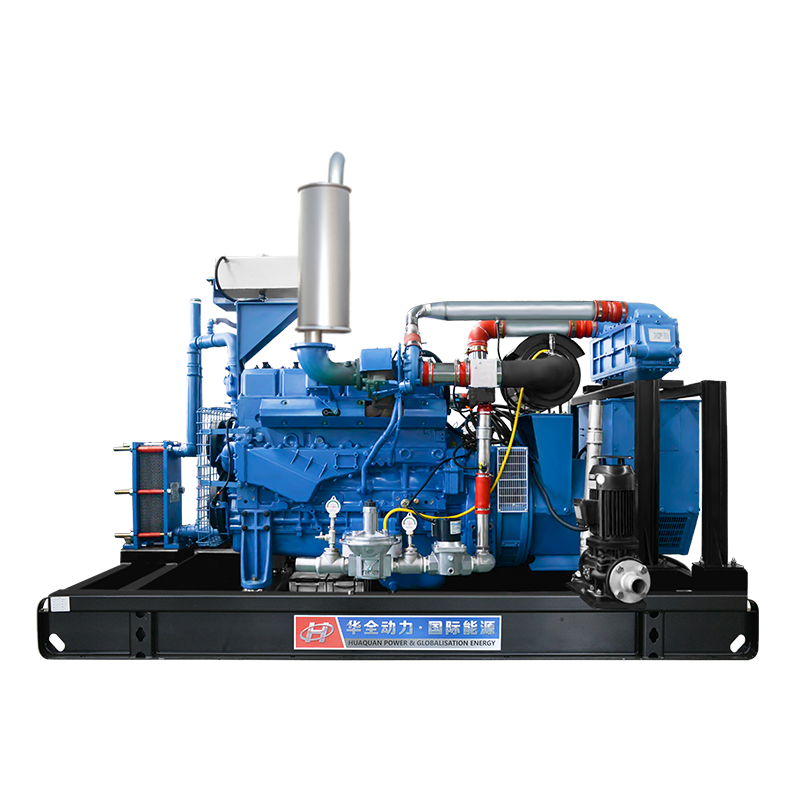
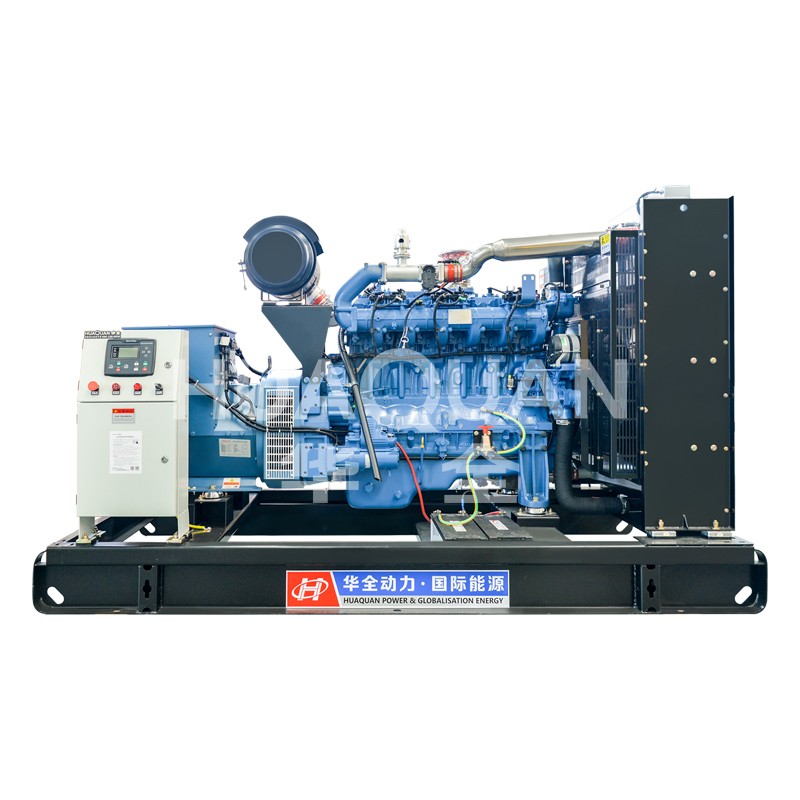
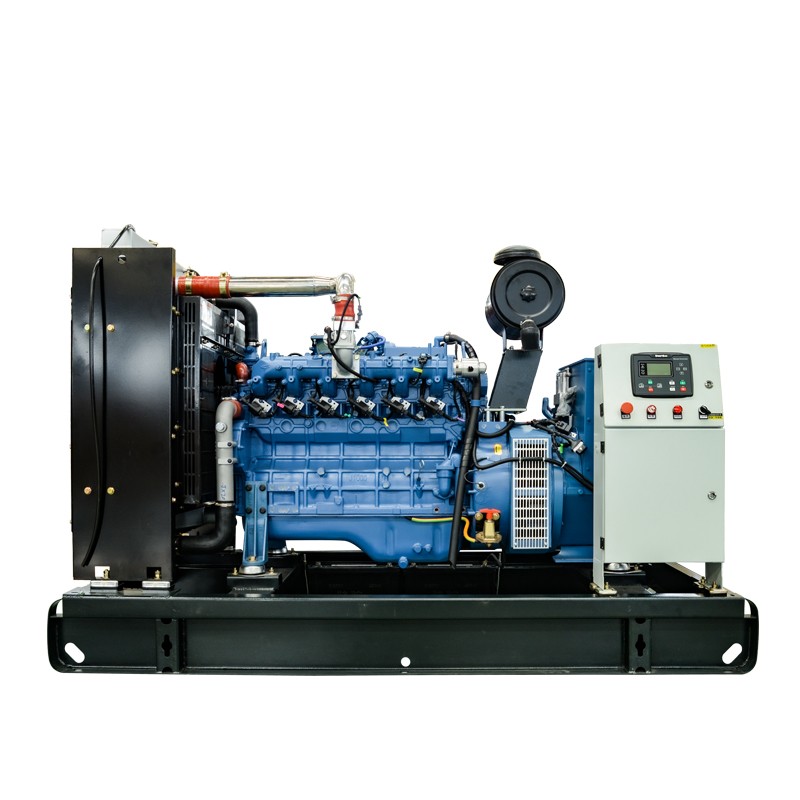
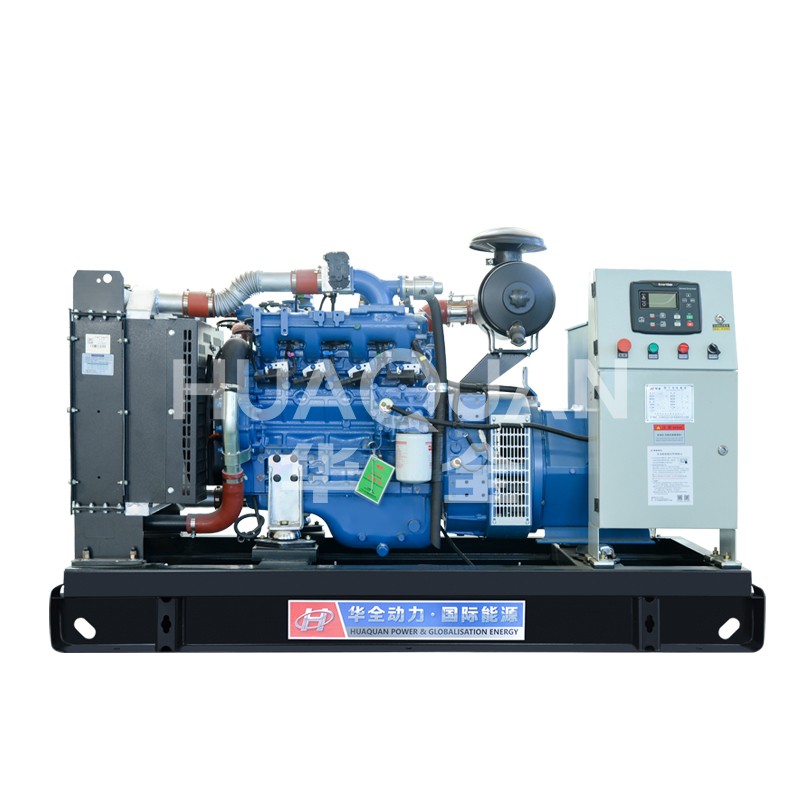
Produtos geradores de gás HUAQUAN
Os geradores de gás HUAQUAN são compatíveis com diversos combustíveis e estão equipados com tecnologia de controle inteligente. Eles têm vantagens significativas em áreas como a agricultura, pecuária, e fornecimento de energia em áreas remotas.
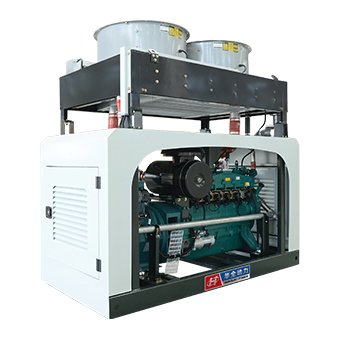
O conjunto gerador de gás de petróleo associado da HUAQUAN converte eficientemente o “gás residual” do gás associado ao campo petrolífero em recursos energéticos valiosos. Esta não é apenas uma tecnologia, mas também uma solução abrangente que integra “economia, proteção ambiental e confiabilidade”. Ajuda as empresas a transformar resíduos em lucros e a atingir os objetivos duplos de reciclagem de recursos, conservação de energia e redução de emissões..
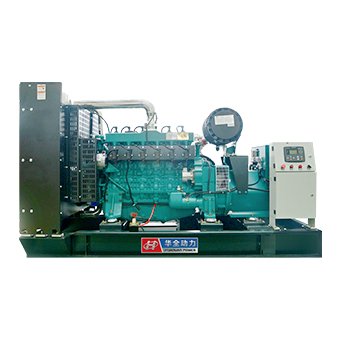
O gerador de biogás HUAQUAN está equipado com motores de marcas como YC e SC. Os principais sensores são importados, e também é equipado com Sistema de Controle Inteligente HUAQUAN Cloud. Ele pode ajustar automaticamente a relação ar-combustível para resolver o problema de instabilidade da produção de biogás.
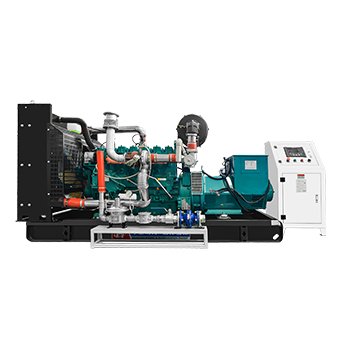
Este gerador de biogás está equipado com um sistema eletrônico de regulação de velocidade. A ECU regula com precisão o fornecimento de gás e a velocidade do motor. O sensor de velocidade monitora continuamente o status do motor para garantir que o gerador de biogás opere em boas condições sob diferentes condições de trabalho.
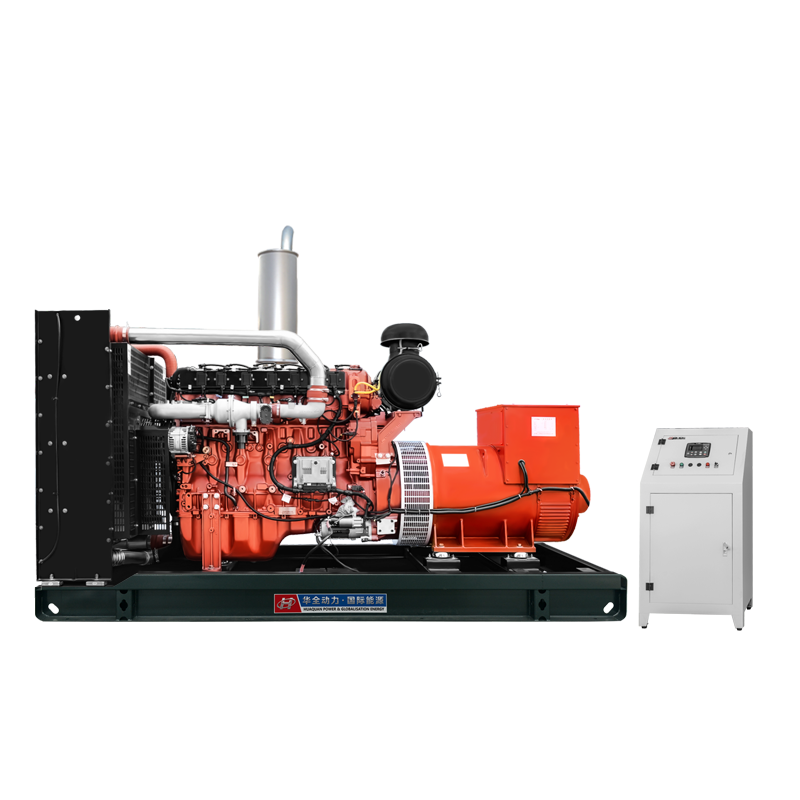
O gerador de incineração de lixo é um dispositivo de proteção ambiental que utiliza incineração em alta temperatura para tratar resíduos domésticos e gerar eletricidade por meio de energia térmica. Seu princípio fundamental é converter a energia térmica gerada pela incineração de lixo em energia elétrica, ao mesmo tempo em que alcança a redução de resíduos e a utilização de recursos.
Características funcionais do gerador de gás

Design à prova de explosão de vários níveis, atualização de segurança.

A combustão enxuta consome menos energia e economiza custos operacionais.

Realize a utilização de energia em vários níveis e alcance alta eficiência geral.

Reduzir o consumo de eletricidade durante os horários de pico e aumentar o consumo de eletricidade fora dos horários de pico. Junto, estas medidas ajudam a alcançar o equilíbrio da rede.

Adequado para gases como gás natural e biogás, com baixos custos de combustível

Do arranque a frio à carga total, leva apenas 30 segundos. A resposta de comutação ATS é inferior a 10 segundos.

Equipado com uma plataforma de monitoramento em nuvem, a taxa de precisão da previsão de falhas é muito alta.

Reduzir a emissão de carbono em 60% e atender aos requisitos relevantes de proteção ambiental.
As vantagens do serviço HUAQUAN
Quer seja antes da venda, durante a venda, ou pós-venda, A HUAQUAN está comprometida em otimizar processos e controlar detalhes, garantindo que os clientes possam comprar com confiança e usar com facilidade. Os serviços da HUAQUAN são profissionais, dedicado, corajoso em assumir responsabilidades, e de excelente qualidade.
Pré-sal: A equipe de vendas fornece orientação para ajudá-lo a selecionar os produtos apropriados.
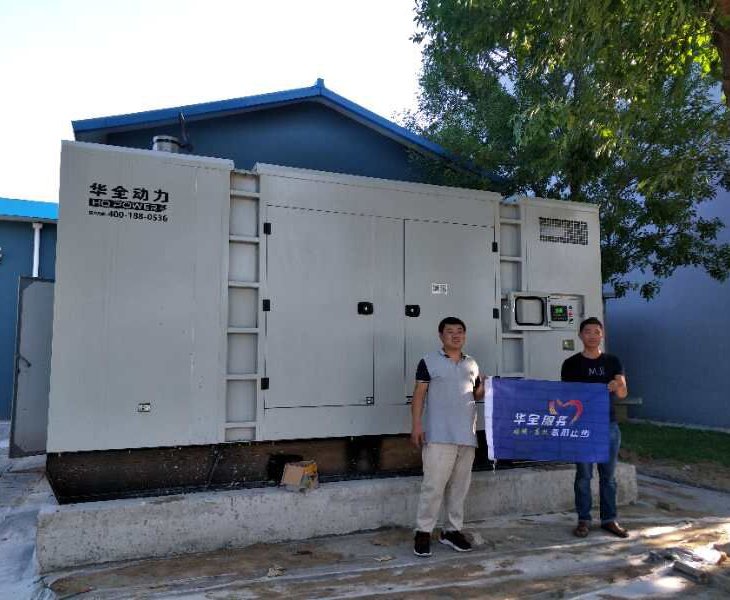
Durante a venda, Serviços no local estão disponíveis para instalação e para orientar a depuração e uso do equipamento.
Pós-venda: A rede de serviços está bem estabelecida, com resposta imediata. Acabou 300 postos de atendimento ao usuário em todo o país. A operação em grupo garante serviços pós-venda sem preocupações.
Vantagens da produção e fabricação HUAQUAN
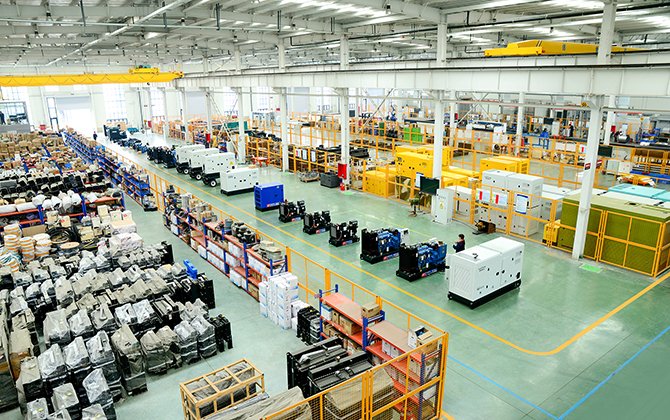
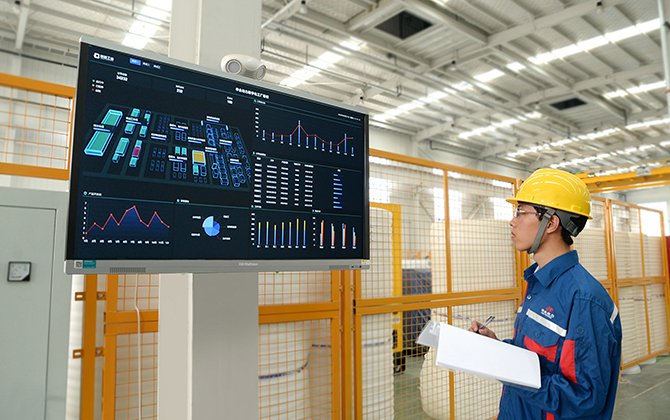
Como fabricante profissional de geradores de gás na China, HUAQUAN possui uma base de produção inteligente. A produção em larga escala e padronizada é propícia ao controle de custos, e a personalização modular garante a consistência da qualidade (Controle de qualidade) e estabilidade da qualidade do produto.
A HUAQUAN estabeleceu relações de cooperação estáveis e de longo prazo com fornecedores de motores, alternadores, e sistemas de controle, formando uma cadeia industrial completa, garantindo um fornecimento estável e mantendo uma vantagem de preço.
A linha de produção da HUAQUAN está equipada com equipamentos de teste profissionais que podem simular condições reais de trabalho e realizar testes de carga total para garantir um controle de qualidade rigoroso.. Somente depois que cada gerador de gás tiver sido verificado como confiável em termos de desempenho, ele poderá ser liberado da fábrica.
Vantagens das vendas e serviços HUAQUAN
A HUAQUAN estabeleceu extensos pontos de vendas e serviços tanto nacional quanto globalmente. Quando houver alguma anormalidade com o gerador de gás, ele pode responder prontamente e resolver o problema em tempo hábil, minimizando assim as perdas de tempo de inatividade para os usuários.
A HUAQUAN conta com nosso amplo armazém de peças de reposição e uma robusta cadeia de suprimentos para garantir o fornecimento preciso e eficiente de componentes de geradores de gás, eliminando quaisquer preocupações para nossos clientes.
HUAQUAN não apenas vende produtos, mas também oferece uma solução completa. Desde a pesquisa e design do local até a instalação e comissionamento, bem como operação e manutenção, cobre todo o ciclo de vida do projeto.
O gerador de gás converte energia química em energia elétrica através da queima de gás natural. O processo principal é o seguinte: Gás (como o metano) é misturado com ar comprimido na câmara de combustão ou cilindro e inflamado, gerando gás de alta temperatura e alta pressão que faz as pás da turbina girarem (em uma turbina a gás) ou os pistões para retribuir (em um motor de combustão interna). A energia mecânica é transmitida através do acoplamento para acionar o rotor do gerador para cortar as linhas do campo magnético e gerar eletricidade. Por isso, a conversão de energia química → energia térmica → energia mecânica → energia elétrica é concluída.
Os principais requisitos para o combustível de um gerador de gás incluem: O combustível deve ser um gás de combustão seco e desidratado (como o gás natural, biogás, etc.). O teor de metano do gás natural deve ser ≥ 70% (biogás ≥ 40%), o sulfeto de hidrogênio deve ser ≤ 20mg/Nm³, a umidade deve ser ≤ 40 g/Nm³, e o tamanho das partículas das impurezas deve ser < 5μm. A pressão de entrada precisa ser estável em 80-200kPa (para biogás, 3-100kPa), e a taxa de flutuação de pressão deve ser ≤ 1kPa/min. Se houver componentes corrosivos, como enxofre e amônia, eles precisam ser pré-tratados até os limites de segurança para evitar danos às partes internas do gerador.
Qualidade do gás: O biogás precisa ser tratado para remoção de enxofre para evitar a corrosão do motor.
Inspeção do sistema de combustível: Garanta uma pressão de gás estável, nenhum vazamento na tubulação, filtros limpos, e nenhum bloqueio por impurezas.
Gerenciamento de óleo do motor e líquido refrigerante: Verifique regularmente o nível e a qualidade do óleo, e troque o óleo no horário programado; mantenha líquido refrigerante suficiente para evitar superaquecimento.
Inspeção da vela de ignição/sistema de ignição: Remova depósitos de carbono, ajustar a lacuna, e garantir a ignição adequada (aplicável a motores de combustão interna a gás).
Armazenamento de longo prazo: Esvazie o sistema de gás, evitar umidade e ferrugem.
Observação: Os detalhes de manutenção podem variar para diferentes modelos. Consulte o manual do usuário da HUAQUAN para implementação.
O objetivo de um gerador de gás é produzir gás pela queima de combustível ou por uma reação química. O gás produzido está quente e sob pressão; por isso, pode ser usado para alimentar máquinas ou motores. O objetivo contínuo desses geradores é desenvolver gás que possa alimentar diferentes sistemas. Exemplos desses usos incluem:
● Motores para máquinas operacionais & veículos
● Turbinas para produção de eletricidade em centrais elétricas
● Fornecer força para lançar foguetes
● Sistemas industriais para alimentar diferentes processos
Agora você sabe o que é um gerador de gás, mas você conhece o processo interno? Como funcionam os geradores de gás? Aqui, vamos explicar o processo da maneira mais fácil. Para muitos sistemas avançados, mesmo que um gerador de gás seja usado, o princípio básico de funcionamento é bastante fácil. Algumas etapas envolvidas no funcionamento dos geradores de gás estão listadas abaixo.
Etapa 1: Iniciação do Combustível
A primeira etapa no funcionamento dos geradores de gás é a queima do combustível ou reação química. Gás natural, combustível líquido, ou mesmo um material químico sólido que serve de combustível é misturado dentro do gerador de gás. Este processo é feito para garantir que o combustível possa ser queimado com segurança dentro do gerador de gás. No entanto, em alguns geradores de gás, uma reação química é usada em vez de queimar combustível.
Este processo gera muito calor; portanto, para lidar com isso com segurança, o gerador de gás é projetado de acordo. O único objetivo deste processo é criar a quantidade de calor para que comece a produzir gás.
Etapa 2: O gás é produzido
Após a queima de combustível ou reação química, a formação de gás começa dentro do gerador de gás. Com o aumento da temperatura, o gás começa a acumular mais pressão dentro do gerador de gás. Esta é uma etapa crucial no funcionamento dos geradores de gás, já que a geração de gás requer calor e pressão.
O gerador de gás foi projetado para permitir fácil controle sobre a quantidade de gás que pode ser produzida ou a rapidez com que ele pode se acumular.. Adicionalmente, os materiais necessários são de alta qualidade para garantir que o gerador lide com temperaturas e pressões com segurança.
Etapa 3: O gás é controlado e direcionado
Outra etapa importante envolvida no funcionamento dos geradores de gás é controlar o fluxo de gás de maneira adequada.. Você não deve liberar o gás quente e de alta pressão de uma só vez. Em vez de liberar tudo de uma vez, o gás passa através de tubos ou aberturas enquanto mantém o controle. Isso ajuda a evitar qualquer tipo de dano intermediário e garante um bom funcionamento.
Etapa 4: O gás é usado para fazer trabalho
Esta é a última etapa do processo de trabalho do gerador de gás. É aqui que o gás é utilizado para realizar diversos tipos de tarefas. Por exemplo, o gás é usado para operar motores, mover turbinas, e mova as peças de máquinas industriais. No entanto, depois disso, o gás pode ser reutilizado ou liberado dependendo do sistema.
Escolher o gerador de gás certo é importante porque escolher o errado pode custar mais caro e levar a um desempenho ruim. Entenda os fatores abaixo antes de escolher o gerador de gás certo:
Requisitos de energia
A primeira coisa que você precisa entender são os requisitos de energia. Se você não precisa de muita energia ou potência, você pode ir com um pequeno gerador. Por outro lado, para equipamentos grandes, você precisará de geradores maiores.
Tipo de aplicativo
Próximo, pense sobre onde e como você usará o gerador. Existem geradores de gás fabricados para uso industrial e outros adequados para energia de reserva e portabilidade.
Eficiência e Confiabilidade
Ao selecionar, certifique-se de que o gerador que você escolher também seja eficiente. A escolha do eficiente garante que eles usarão o combustível com cuidado e, ao mesmo tempo, reduzirão o custo operacional geral.
Conclusão
Um gerador de gás é um dispositivo importante para a produção de gás, que é então usado para alimentar várias máquinas e motores. Esses sistemas ajudam as indústrias a realizar suas operações sem problemas, fornecendo uma fonte de energia confiável e eficiente. No entanto, escolher o tipo certo de gerador de gás é importante para atender com eficiência às suas necessidades.
Compreender como funcionam os geradores de gás é vital porque eles são usados em muitas aplicações em vários setores e campos. Quer se trate de gerar eletricidade ou fornecer suporte a máquinas avançadas, eles são usados em diferentes tipos de indústrias. Mais um benefício importante do uso de geradores de gás é que eles são adequados para aplicações pequenas e grandes.
Tipos de geradores de gás
Nem todos os geradores de gás são iguais. Existem diferentes tipos de geradores de gás projetados para diferentes finalidades. Conhecer os principais detalhes sobre os diferentes tipos ajuda você a escolher o gerador certo que atenderá às suas necessidades:
Geradores de Gás Químico
Este tipo de gerador de gás cria gás através de uma reação química em vez da queima de combustível. Quando os produtos químicos reagem, o gás é liberado rapidamente enquanto mantém o controle. Isso é usado principalmente quando precisamos de produção de gás rápida e confiável, como em foguetes e sistemas de emergência.
Geradores de gás baseados em combustão
Este tipo de gerador de gás produz gás através da queima de combustível. Este é um dos tipos mais comuns de geradores de gás usados pela maioria das empresas fabricantes.. No entanto, eles são usados principalmente em motores, turbinas, e usinas de energia.
Geradores de gás industriais vs portáteis
Geradores de gás industriais são grandes e poderosos. Eles são usados em locais como fábricas, usinas de energia, e indústrias pesadas. Além disso, eles são especialmente úteis para operações de longo prazo.
Geradores de gás portáteis são menores e menos potentes em comparação com geradores de gás industriais. Eles são usados principalmente para necessidades temporárias de energia e como sistemas de backup.
A potência do gerador de gás indica a quantidade de eletricidade que o gerador pode produzir para alimentar o equipamento, máquinas ou eletrodomésticos. Geralmente é medido em quilowatts (kW) ou quilovolts amperes (kVA). Quilowatts são a potência real utilizável, enquanto kVA indica a capacidade total do sistema gerador.
Os geradores de gás utilizam um combustível como gás natural ou GLP, que é então convertida em energia mecânica, qual, por sua vez, é convertido em energia elétrica. A potência nominal informa aos usuários sobre a carga máxima que o gerador será capaz de transportar com segurança sem afetar o desempenho. Operar o gerador acima de sua capacidade nominal pode resultar em superaquecimento, tensão instável, e aumento do consumo de combustível.
A saída de energia também depende das condições operacionais, como temperatura ambiente, altitude e pressão do fornecimento de gás. Se a pressão do gás for baixa ou inconsistente, o gerador pode não ser capaz de atingir sua saída nominal total. É por isso que os fabricantes normalmente fornecem instruções de instalação sugeridas.
Compreender a produção de energia é importante ao escolher o gerador de gás. Sempre calcule a quantidade total de carga que você deseja operar e, em seguida, adicione capacidade adicional para segurança. Isso ajuda a garantir uma operação suave, maior vida útil do motor e potência confiável em tempos de operação normal e emergências.
Os geradores a gás são considerados eficientes em termos de combustível porque utilizam combustíveis mais limpos, como gás natural ou GLP, que fornecem energia constante com menos desperdício.. Esses combustíveis queimam de maneira mais uniforme que o diesel, o que ajuda o motor a funcionar de maneira suave e eficiente por longos períodos de tempo.
A eficiência de combustível refere-se à geração de maiores quantidades de energia com quantidades reduzidas de combustível. Os geradores de gás são frequentemente conectados diretamente a um gasoduto, que proporciona um fornecimento contínuo de combustível. Isto elimina problemas de armazenamento de combustível e elimina a necessidade de reabastecimento frequente. Devido a esta, geradores de gás são geralmente usados para aplicações de longa duração.
Outra razão para melhorar a eficiência do combustível é a combustão estável. O gás mistura-se perfeitamente com o ar para que queime completamente dentro do motor. Isto leva a um menor consumo de combustível e a emissões reduzidas. Ao longo do tempo, isso significa custos operacionais reduzidos, especialmente para empresas ou instalações que precisam de energia constante.
A manutenção adequada é um fator importante na eficiência de combustível, também. Limpeza de filtros, ajustando a pressão do gás, e a manutenção são úteis para manter o gerador funcionando da melhor forma. Bem dimensionado e conservado, um gerador a gás pode oferecer energia confiável com consumo de combustível consistente e menor impacto ambiental.
Os geradores de gás precisam de manutenção de rotina para serem seguros e confiáveis. Embora sejam geralmente mais fáceis de manter do que os geradores a diesel, ainda é muito importante fazer verificações de rotina. Manutenção básica, que inclui a verificação das velas de ignição, filtros de ar, níveis de óleo e sistemas de refrigeração
As trocas de óleo devem ser feitas conforme especificado no cronograma do fabricante. Embora o gás seja um combustível de queima mais limpa, o óleo do motor acumula sujeira e perde sua eficácia com o tempo. Os filtros de ar também precisam ser limpos ou substituídos para garantir que o ar esteja fluindo adequadamente e manter uma combustão eficiente..
As linhas de fornecimento de gás e os reguladores de pressão precisam ser inspecionados regularmente para evitar vazamentos ou quedas de pressão. Qualquer alteração no fluxo de gás pode impactar o desempenho do gerador. Os sistemas de refrigeração também precisam ser inspecionados para garantir que não superaquecem, especialmente se as horas de funcionamento forem longas.
Os testes de rotina ajudam a detectar pequenos problemas antes que se transformem em problemas sérios. A manutenção mantém a prontidão do gerador para funcionar em caso de emergência e tem como objetivo prolongar a vida útil do motor. Seguir um cronograma de serviço adequado reduz os riscos de avaria e garante que o gerador forneça um fornecimento de energia estável, caso seja necessário.
Os geradores a gás são geralmente mais silenciosos que os geradores a diesel devido à combustão mais uniforme e menor vibração do motor. Gás natural e GLP queimam de maneira mais uniforme, que tem a vantagem de reduzir o ruído mecânico durante a operação. Isto torna os geradores de gás apropriados para áreas residenciais & ambiente sensível ao ruído.
O nível de ruído de um gerador de gás é baseado no tamanho, gabinete e local de instalação. Muitos geradores de gás atuais estão disponíveis com gabinetes à prova de som que reduzem significativamente o som do gerador em operação. Quando instalado corretamente, o som geralmente é tão bom quanto o ruído de fundo normal.
Ruídos mais baixos deixam os residentes e trabalhadores próximos mais confortáveis. Isto é especialmente importante para hospitais, escritórios e comunidades habitacionais onde o ruído alto e constante não é aceitável. Os geradores a gás também são menos barulhentos que os geradores de combustão, o que aumenta a redução geral do som.
Posicionamento adequado, almofadas vibratórias e manutenção regular são usadas ainda para controlar o ruído. Se a operação silenciosa for uma prioridade, selecionar um gerador de gás com isolamento acústico e instalado corretamente pode fazer uma diferença notável.
Sim, geradores de gás podem ser colocados em paralelo entre si para atender a maiores necessidades de energia. A operação paralela implica que dois ou mais geradores sejam operados juntos para compartilhar a carga elétrica. Esta configuração é freqüentemente usada em grandes edifícios, e em fábricas e data centers.
Os sistemas paralelos aumentam a confiabilidade porque se um gerador falhar, outros continuarão a fornecer energia. O compartilhamento de carga também ajuda os geradores a operar de forma eficiente, equilibrando a demanda de energia entre os geradores. Isto diminui o estresse em geradores individuais e melhora o desempenho geral do sistema.
Para correr em paralelo, geradores devem ter tensão idêntica, freqüência, e fase. Painéis de sincronização e sistemas de controle são utilizados para controlar este processo de forma segura. O projeto adequado do sistema é vital para evitar flutuações de energia ou danos ao equipamento.
A operação paralela também é flexível. Os geradores podem ser adicionados e removidos dependendo dos requisitos de energia. Isto torna os geradores de gás uma solução prática para instalações em crescimento que exigem sistemas de energia escalonáveis e confiáveis.

