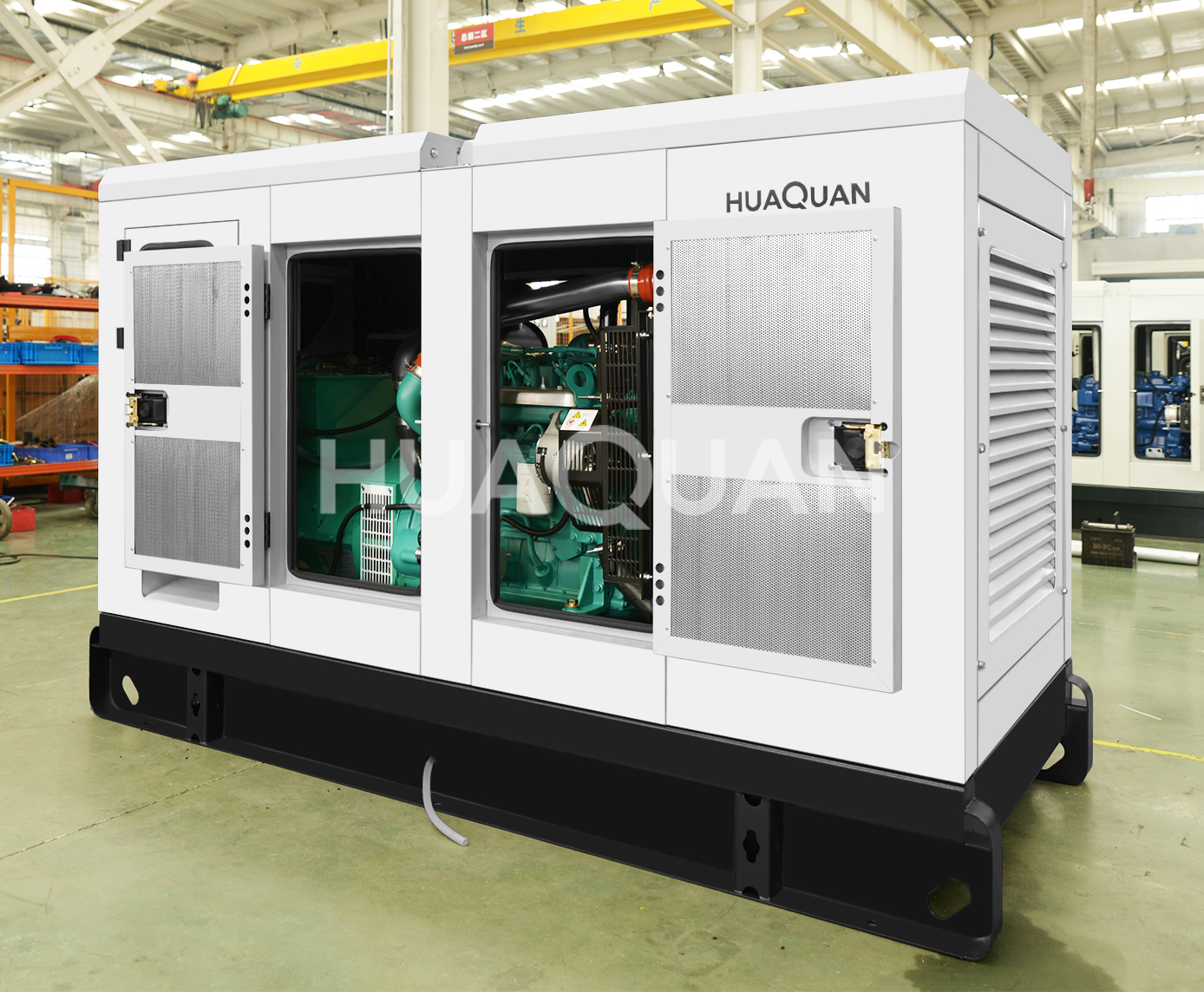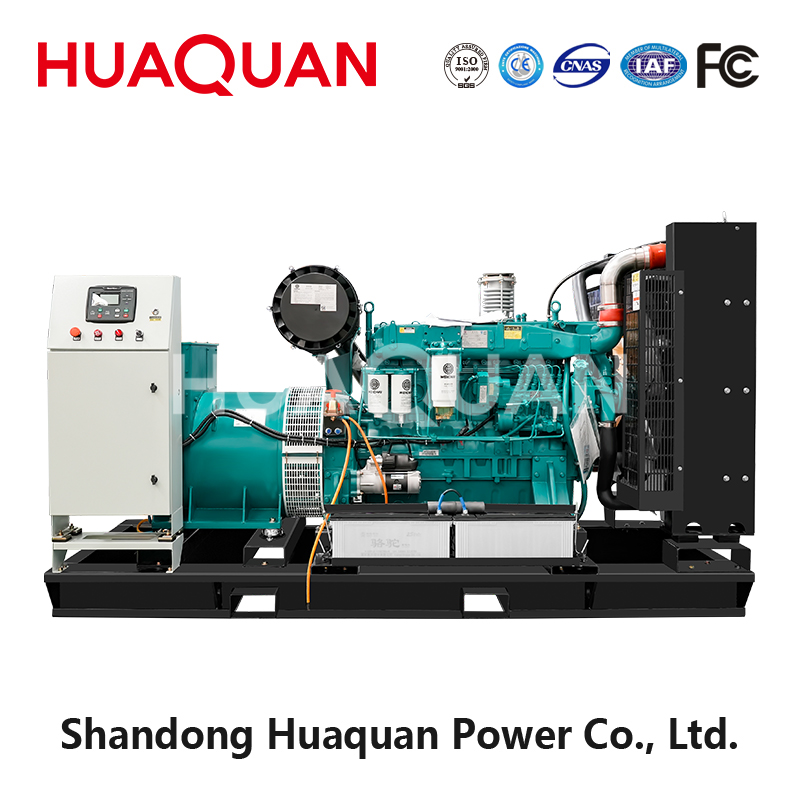
Portable and standby Generators solve the same problem — power during outages — but they do it with fundamentally different hardware, installation requirements, cost structures, and user experiences. The core difference comes down to one word: automation. Standby generators start themselves; portable generators require you to start them manually and connect them by hand.
Head-to-Head Comparison
| Attribute | Portable Generator | Standby Generator |
|---|---|---|
| Power range | 1,000-12,000W | 7,000-150,000W+ |
| Fuel source | Gasoline, some dual-fuel (propane) | Natural gas, propane, diesel |
| Starting method | Recoil pull or electric start (manual) | Automatic via ATS (within 10-30 seconds) |
| Installation | None — wheel it out, plug in extension cords | Permanent — concrete pad, electrical panel, gas line |
| Transfer switch | Optional (manual); or just extension cords | Required (automatic transfer switch) |
| Runtime per tank | 8-12 hours at 50% load (gasoline) | Unlimited on natural gas; 24-72h on propane tank |
| Typical installed cost | $400-2,000 (no installation) | $5,000-20,000+ (including installation) |
| Weather protection | None — must be covered or brought inside when not in use | All-weather enclosure — designed for permanent outdoor installation |
| Maintenance | Seasonal: oil, filter, stabilize fuel | Annual professional service + weekly self-test |
| Permit required | Usually no | Usually yes (electrical + gas + building) |
When Portable Makes Sense
- Occasional outages (1-3 times per year, under 8 hours each)
- Renters or homeowners who can’t modify their electrical panel
- Budget under $2,000
- Multi-purpose: also used for camping, job sites, tailgating
- Already have a furnace or well pump that can’t be powered by a portable (in which case, reconsider — see below)
When Standby Makes Sense
- Frequent or extended outages (ice storms, hurricane zones, rural areas)
- Need automatic power — no one Home to start the generator
- Medical equipment requires uninterrupted power
- Well pump, central AC, or other 240V loads
- Home value increase (standby generators add 3-5% to home value per Remodeling Magazine)
The Hidden Cost of Portable Generators
The purchase price is just the beginning. Over a 10-year period in an area with 4-6 outages per year:
| Cost Category | Portable (Gasoline) | Standby (Natural Gas) |
|---|---|---|
| Purchase | $800-1,500 | $3,000-8,000 |
| Installation | $0-200 (cords only) | $2,000-6,000 |
| Fuel (10 years) | $1,500-3,000 | $200-800 (added to gas bill) |
| Maintenance (10 years) | $400-800 | $1,500-3,000 |
| Food spoilage (outage not home) | $200-500 | $0 |
| 10-year total | $2,900-6,000 | $6,700-17,800 |
Portable generators are cheaper initially but have ongoing fuel costs and require your physical presence to operate. Standby generators cost more upfront but provide hands-free, worry-free operation.
Huaquan Tip: For commercial and industrial applications where power continuity is non-negotiable, Huaquan standby diesel generators provide automatic start, integrated ATS compatibility, and run times measured in days — not hours.
⚡ Explore Related Solutions
- 🏭 500kW Diesel Generator
- 🏭 1000kW Diesel Generator
- 🏭 500kW YC Diesel Generator
- 🔧 KMS (Cummins/Doosan) Series
- 🏥 Portable Generator
- 📋 Diesel Generator Sets
- 📋 Order Process — How to Buy
- 📋 Contact Us
💡 Need a customized solution? Contact our engineering team for project-specific recommendations.