An Inverter Generator produces cleaner, more stable electricity than a conventional generator by using a multi-stage electronic conversion process. Instead of the engine driving the alternator at a fixed 3,600 RPM, an inverter generator runs the engine at variable speed and converts the raw AC power through a rectifier-inverter circuit to produce a pure sine wave with under 3% total harmonic distortion (THD). This makes inverter Generators safe for sensitive electronics — laptops, phones, TVs, CPAP machines — that conventional generators can damage with their “dirty” power.
How the Inverter Process Works — Step by Step
- Engine spins Alternator — At whatever speed is optimal for current load. At 10% load, the engine may run at 2,200 RPM instead of 3,600 RPM. At full load, it ramps to 3,600+ RPM.
- Alternator produces raw AC — This is exactly like a conventional generator’s output: a crude AC sine wave with significant Harmonic Distortion (10–25% THD).
- Rectifier converts AC to DC — The raw AC passes through a full-wave bridge rectifier to become high-voltage DC, stored briefly in a capacitor bank.
- Inverter converts DC back to clean AC — A microprocessor-controlled inverter switches the DC on and off at precisely timed intervals using pulse-width modulation, reconstructing a pure sine wave at exactly 60 Hz ±1% and 120V ±3%.
- Output filter smooths the wave — A small LC filter removes high-frequency switching noise, delivering a clean 120V 60Hz sine wave to the outlet.
Inverter vs. Conventional: Efficiency and Fuel Savings
| Load Level | Conventional 3,600 RPM (fuel/hr) | Inverter Variable RPM (fuel/hr) | Savings with Inverter |
|---|---|---|---|
| 25% load (500W on a 2,000W gen) | 0.35 gal/hr | 0.12 gal/hr | 66% less fuel |
| 50% load (1,000W) | 0.45 gal/hr | 0.20 gal/hr | 56% less fuel |
| 75% load (1,500W) | 0.55 gal/hr | 0.28 gal/hr | 49% less fuel |
| 100% load (2,000W) | 0.60 gal/hr | 0.38 gal/hr | 37% less fuel |
Data based on Honda EU2200i (inverter) vs. Honda EM2200 (conventional) under identical test conditions. Actual consumption varies by brand and load profile.
THD: Why It Matters for Your Electronics
Total harmonic distortion (THD) measures how much the AC waveform deviates from a perfect sine wave. Think of it as electrical noise.
- <3% THD (inverter generators) — Safe for all electronics: laptops, phones, smart TVs, microwave control boards, variable-speed furnace controllers, medical devices
- 5–10% THD (good conventional generators) — Safe for resistive loads (heaters, incandescent lights, motors) but risky for sensitive electronics without a power conditioner
- 10–25% THD (poor conventional generators) — Causes overheating in transformer-based power supplies, erratic behavior in microprocessor-controlled devices, and audible hum in audio equipment
If you plan to power a modern Home with smart appliances, LED lighting, or a computer, an inverter generator is the better choice. For job sites running only power tools and incandescent lights, a conventional generator is fine and costs less.
Parallel Operation: The Inverter Advantage
Most inverter generators from major brands support parallel operation via a dedicated parallel kit. Two 2,000W inverters can connect to deliver 4,000W starting and 3,200W running — enough for an RV air conditioner neither unit could start alone. This is not possible with most conventional generators. The parallel kit synchronizes the inverters’ microprocessors so they share the load precisely.
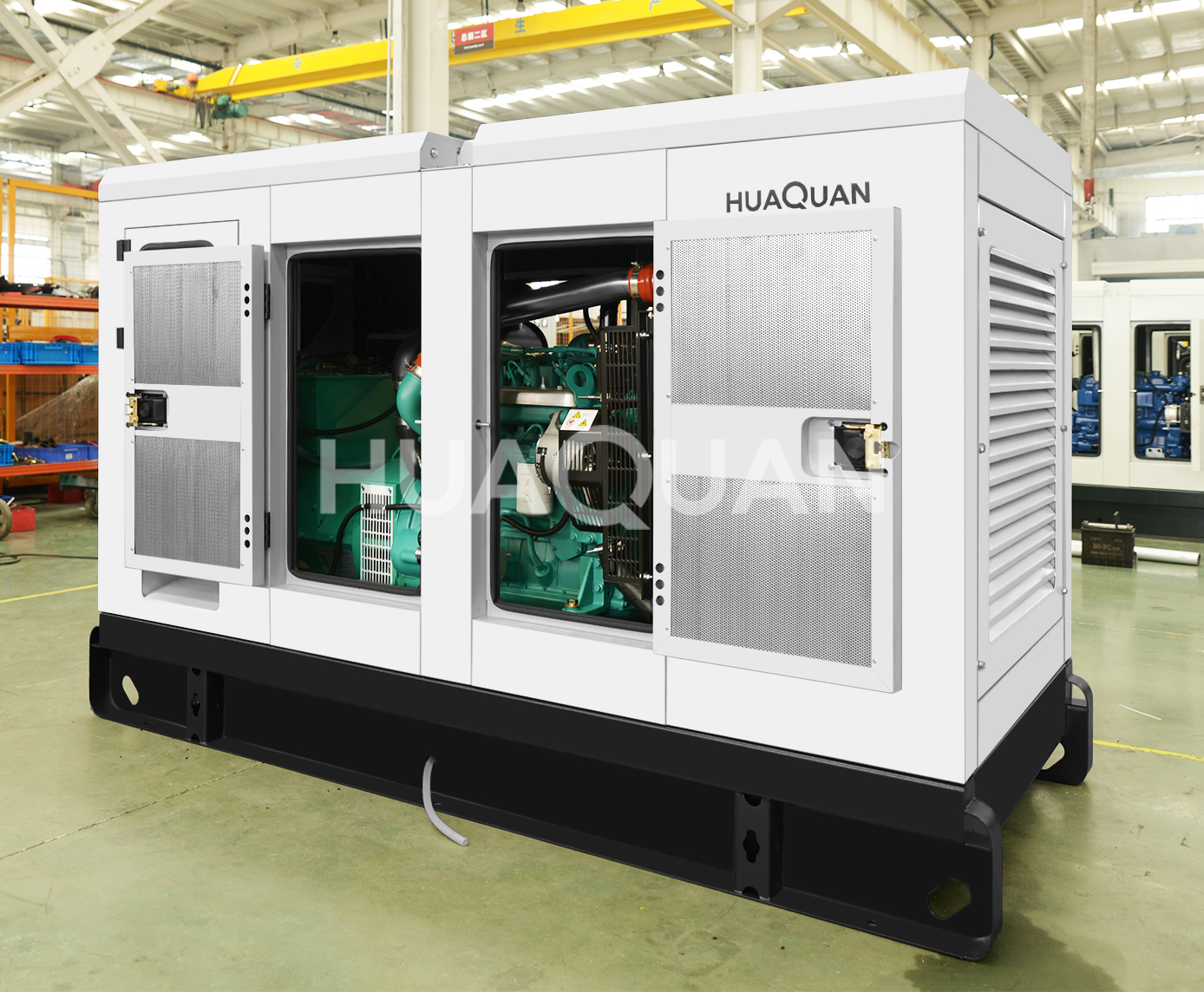
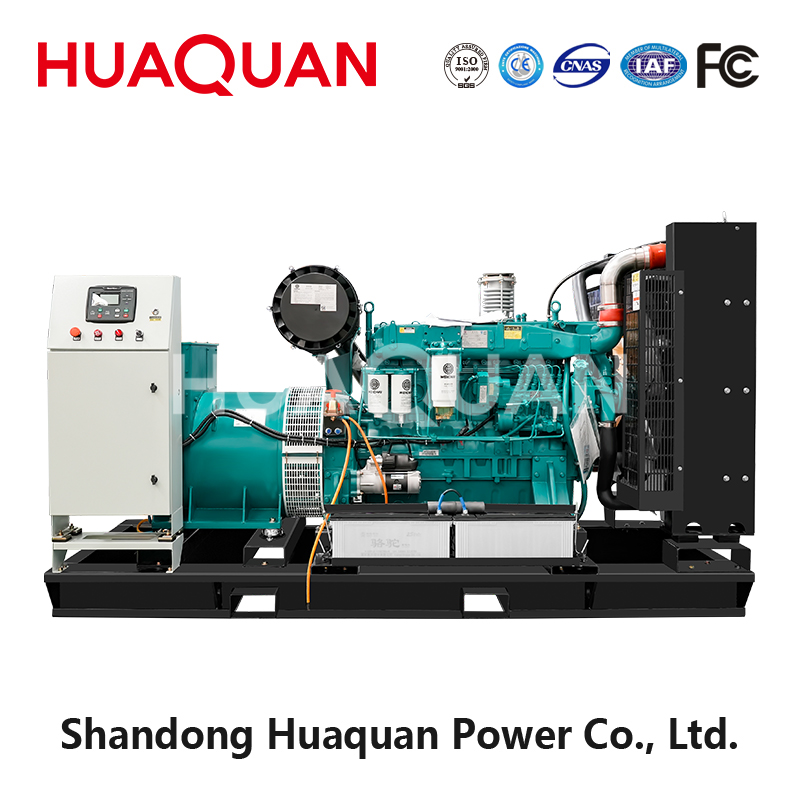
For industrial and commercial applications where THD and fuel efficiency are secondary to pure power and ruggedness, Huaquan Power diesel generators deliver reliable 1,800 RPM output with optional voltage regulation for sensitive loads.
⚡ Explore Related Solutions
- 🏭 500kW Diesel Generator
- 🏭 1000kW Diesel Generator
- 🏭 500kW YC Diesel Generator
- 🔧 KMS (Cummins/Doosan) Series
- 📋 Diesel Generator Sets
- 📋 Order Process — How to Buy
- 📋 Contact Us
💡 Need a customized solution? Contact our engineering team for project-specific recommendations.