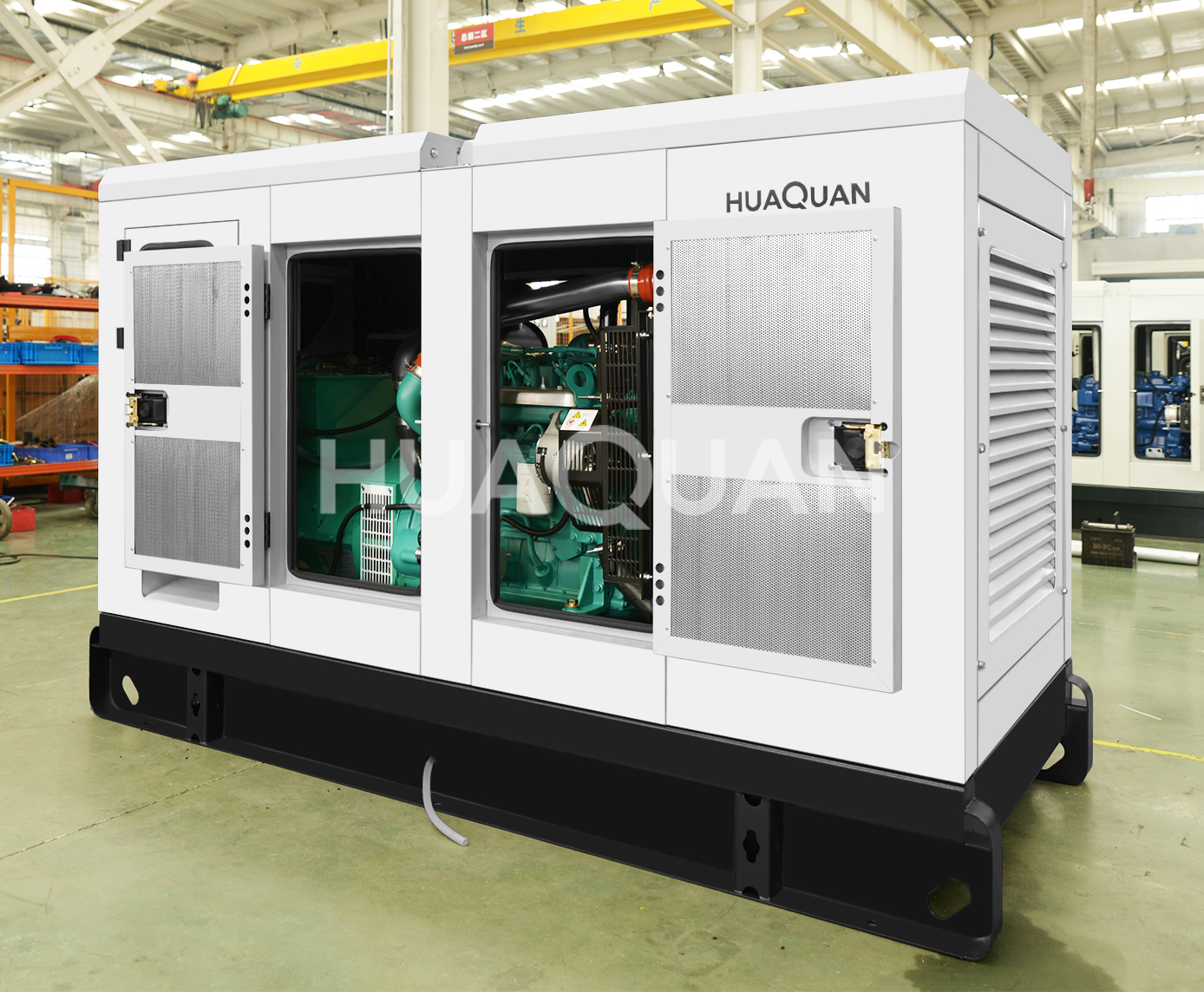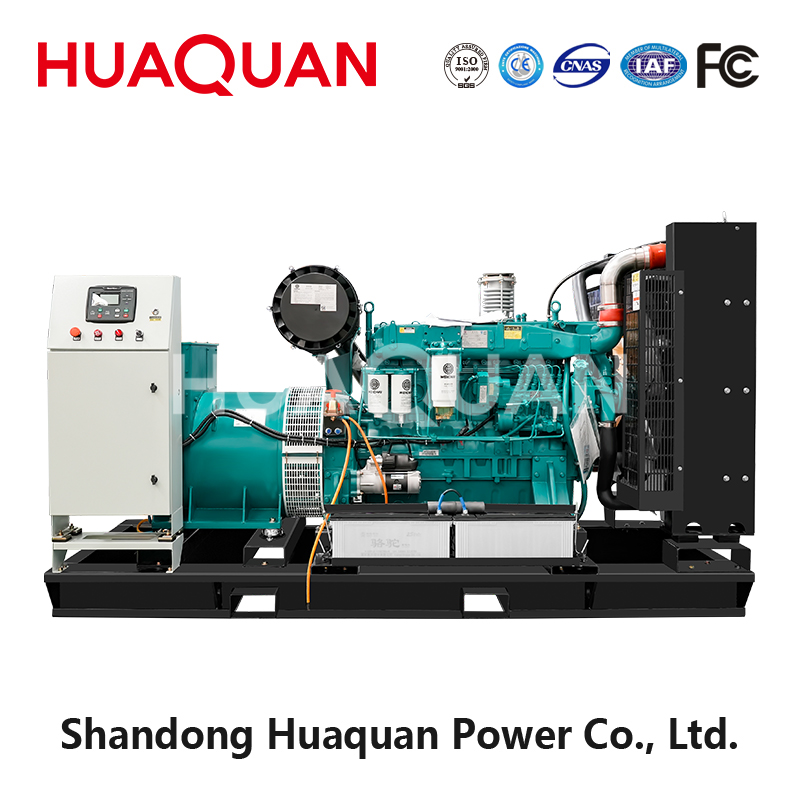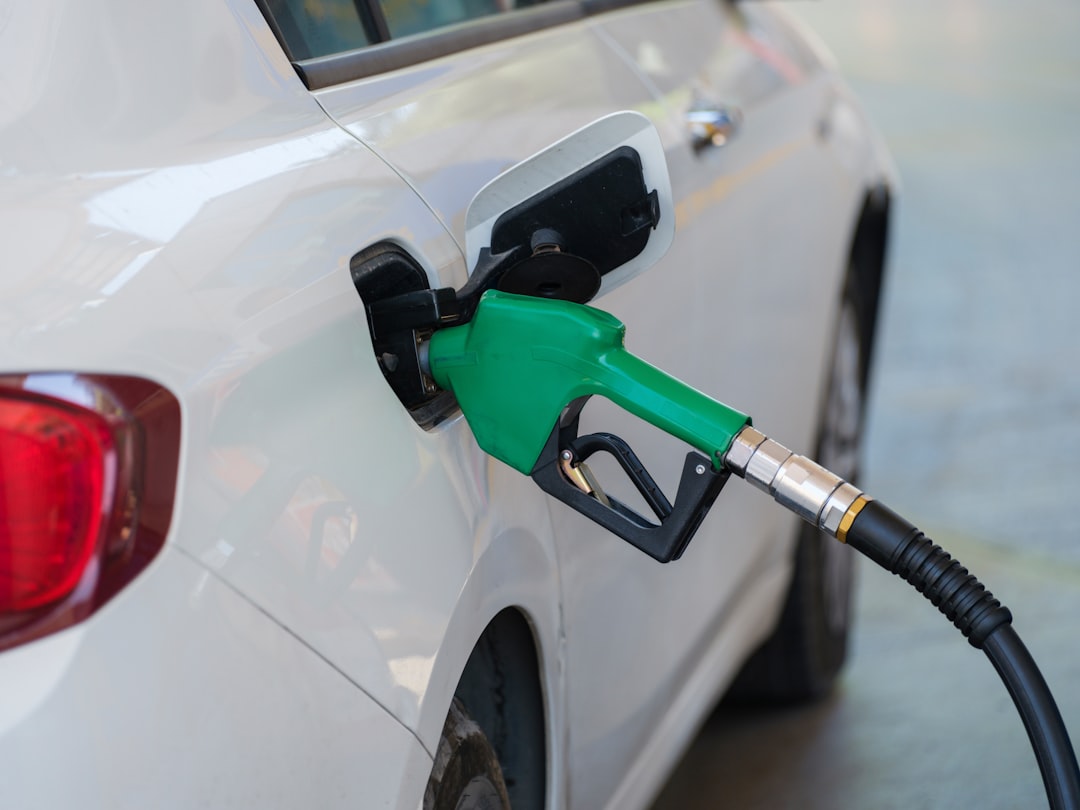
The fuel cetane number requirement for Diesel Generator engines defines the ignition quality characteristics of diesel fuel. Huaquan Power specifies minimum cetane number requirements for all generator models to ensure reliable cold starting, smooth combustion, and optimal engine performance across varying operating conditions.
What Is the Cetane Number in Diesel Fuel?
Definition and Significance
The cetane number measures the ignition quality of diesel fuel, indicating how quickly the fuel auto-ignites when injected into the hot compressed air inside the engine cylinder. Specifically, higher cetane numbers correspond to shorter ignition delay periods. Consequently, engines running on high-cetane fuel start more easily and combust more smoothly, especially in cold conditions.
Huaquan Power engineers calibrate fuel injection timing and combustion chamber designs to match expected cetane number ranges. Furthermore, the company provides fuel quality guidelines that help operators select appropriate diesel fuel for their specific generator models and local climate conditions.
Cetane Number vs. Octane Number
While cetane number applies to diesel fuel, octane number measures gasoline ignition quality. Importantly, these two metrics work inversely — high cetane means easier ignition, while high octane means greater resistance to auto-ignition. Therefore, never substitute gasoline or mix fuels, as this causes severe engine damage. Huaquan Power strongly recommends using only properly tested diesel fuel.
| Property | Cetane Number (Diesel) | Octane Number (Gasoline) | Significance |
|---|---|---|---|
| Measurement | Ignition delay | Knock resistance | Opposite metrics |
| Higher value means | Easier ignition | Harder to ignite | Cannot substitute |
| Standard test | ASTM D613 | ASTM D2700 | Different methods |
| Typical range | 40 – 65 | 87 – 100 | Application specific |
What Cetane Number Do Diesel Generator Engines Require?
Minimum Requirements by Engine Type
Diesel generator engines typically require a minimum cetane number between 40 and 50, depending on the engine manufacturer and design specifications. Additionally, high-speed generator engines generally demand higher cetane numbers than low-speed units. Huaquan Power specifies the exact cetane requirement for each engine model in the comprehensive operation manual.
| Engine Speed Range | Minimum Cetane Number | Recommended Cetane Number | Optimal Cetane Number | Common Application |
|---|---|---|---|---|
| Low speed (below 1000 RPM) | 35 | 40 – 45 | 45 – 50 | Large standby units |
| Medium speed (1000 – 1500 RPM) | 40 | 45 – 50 | 50 – 55 | Industrial prime power |
| High speed (1500 – 1800 RPM) | 45 | 50 – 55 | 55 – 60 | Most common Generators |
| Very high speed (above 1800 RPM) | 50 | 55 – 60 | 60 – 65 | Emergency mobile units |
Cold Climate Cetane Requirements
In cold climates, cetane number requirements increase significantly. Specifically, low ambient temperatures lengthen ignition delay even with normal fuel, making high-cetane fuel essential for reliable starting. Huaquan Power recommends increasing the cetane number by 5 to 10 points above the minimum specification when operating in environments below 0°C.
How Does Cetane Number Affect Diesel Generator Performance?
Cold Starting Performance
Cold starting represents the most noticeable effect of cetane number on generator operation. High-cetane fuel ignites more readily in cold cylinders, reducing cranking time and battery drain. Furthermore, reliable cold starting is critical for emergency standby generators that must activate within seconds during power outages. Huaquan Power tests every generator model for cold start performance across a range of cetane levels.
Combustion Quality and Engine Noise
Low cetane fuel produces longer ignition delay, allowing more fuel to accumulate before combustion begins. Consequently, this creates a sudden pressure rise that generates diesel knock — a characteristic rattling noise. Moreover, incomplete combustion from low-cetane fuel increases particulate emissions and carbon deposits. Huaquan Power recommends premium diesel fuel with cetane improver additives when quality fuel is unavailable.
| Cetane Number Range | Cold Start Quality | Combustion Noise | Emissions Level | Engine Wear Impact |
|---|---|---|---|---|
| Below 35 | Poor; may not start | Severe knocking | High smoke and HC | Accelerated wear |
| 35 – 40 | Difficult below 10°C | Noticeable knock | Elevated particulates | Increased wear |
| 40 – 50 | Adequate; may struggle below 0°C | Moderate noise | Normal emissions | Normal wear |
| 50 – 60 | Excellent; reliable below -10°C | Quiet operation | Low emissions | Reduced wear |
| Above 60 | Exceptional cold start | Very quiet | Very low emissions | Minimal wear |
How Is Cetane Number Measured?
Laboratory Testing Methods
The standard cetane number test, ASTM D613, uses a cooperative fuel research engine that compares the test fuel against reference blends of normal cetane and heptamethylnonane. Additionally, the cetane index provides a calculated estimate based on fuel density and distillation properties, avoiding the need for expensive engine testing. Huaquan Power quality control procedures verify fuel cetane during commissioning of every installation.
Field Testing and Portable Analysis
Portable cetane number analyzers enable on-site fuel quality assessment for generator operators. These devices use correlation algorithms based on fuel infrared absorption or dielectric properties. Importantly, field test results typically vary by 1 to 3 cetane numbers from laboratory measurements, so operators should apply appropriate correction factors.
| Test Method | Standard | Accuracy | Time Required | Equipment Cost | Best Application |
|---|---|---|---|---|---|
| CFR engine test | ASTM D613 | ± 1 CN | 2 – 4 hours | Very high | Reference testing |
| Cetane index | ASTM D976 | ± 2 CN | Minutes | Low | Quick estimation |
| Portable analyzer | Various | ± 3 CN | 1 – 5 minutes | Medium | Field verification |
| Ignition quality tester | ASTM D7668 | ± 1.5 CN | 20 – 30 minutes | High | Lab substitute |
What Happens When Cetane Number Is Too Low?
Engine Performance Degradation
Low cetane fuel causes multiple performance issues including extended cranking time, rough idling, and reduced power output. Additionally, incomplete combustion deposits carbon on injector nozzles, piston crowns, and exhaust valves over time. Huaquan Power service technicians frequently encounter these issues at sites where fuel quality is not properly controlled or monitored.
Reliability Risks for Standby Generators
Standby generators face the highest risk from low-cetane fuel because they must start reliably after long storage periods. Specifically, fuel cetane number can decrease during storage due to oxidation and evaporation of volatile components. Therefore, Huaquan Power recommends fuel testing every three months for standby units and using fuel stabilizers to maintain cetane quality.
| Problem | Low Cetane Cause | Symptoms | Long-Term Impact | Huaquan Power Solution |
|---|---|---|---|---|
| Hard starting | Long ignition delay | Extended cranking | Battery wear | Glow plug + fuel heater |
| Diesel knock | Sudden combustion | Loud rattling noise | Structural fatigue | Fuel quality management |
| Power loss | Inefficient combustion | Reduced output | Overload risk | Fuel specification enforcement |
| Carbon deposits | Incomplete burning | Black smoke | Engine wear | Regular fuel testing |
| High emissions | Poor combustion quality | Visible smoke | Regulatory non-compliance | Cetane improver additives |
How Can You Improve Diesel Fuel Cetane Number?
Cetane Improver Additives
Cetane improvers are chemical additives that raise the cetane number of diesel fuel by 3 to 8 points when added at recommended concentrations. Specifically, alkyl nitrates and peroxides function as combustion catalysts, accelerating the ignition process. Huaquan Power recommends using OEM-approved cetane improvers when fuel quality falls below specification, especially before cold weather seasons.
Proper Fuel Storage and Handling
Maintaining fuel quality through proper storage is equally important as initial cetane level. Furthermore, fuel stored in clean, sealed tanks with minimal air exposure retains its cetane properties much longer. Importantly, regular fuel polishing and filtration remove contaminants that can degrade combustion quality. Huaquan Power offers comprehensive fuel management solutions for generator installations.
| Improvement Method | Cetane Increase | Cost | Application Method | Duration of Effect |
|---|---|---|---|---|
| Alkyl nitrate additive | +3 to +8 CN | Low | Mixed into fuel tank | Until next refueling |
| Fuel blending | +5 to +15 CN | Medium | Blend with premium fuel | Permanent |
| Fuel polishing | +1 to +3 CN | Medium | Professional service | Variable |
| Proper storage | Maintains existing CN | Low | Tank maintenance | Ongoing |
| Fuel rotation | Prevents CN loss | Low | Use oldest fuel first | Ongoing |
FAQ: Diesel Generator Fuel Cetane Number
Q1: What cetane number is best for diesel generators?
The optimal cetane number for diesel generators is 50 to 55 for high-speed engines and 45 to 50 for medium-speed units. Huaquan Power specifies the exact requirement for each model. Higher cetane improves cold starting and reduces combustion noise, but exceeds 65 offers diminishing returns and may increase operating costs.
Q2: Can I use cetane booster additives in my generator fuel?
Yes, cetane booster additives approved by the engine manufacturer are safe and effective. Huaquan Power recommends using OEM-approved cetane improvers that increase cetane by 3 to 8 points. Always follow the additive manufacturer’s dosage instructions, as exceeding recommended amounts may cause injector deposits or other issues.
Q3: How does low cetane number affect generator starting in winter?
Low cetane fuel significantly impairs cold weather starting by increasing ignition delay time. At temperatures below 0°C, fuel with cetane below 40 may fail to ignite entirely. Huaquan Power recommends maintaining cetane above 50 during winter and using fuel heaters and glow plugs for reliable cold-weather generator starting.
Q4: Does diesel fuel cetane decrease during storage?
Yes, diesel fuel cetane number gradually decreases during storage due to oxidation and loss of volatile components. Under proper storage conditions, expect a decrease of 1 to 3 cetane numbers over six months. Huaquan Power recommends testing stored fuel quarterly and using fuel stabilizers to maintain quality for standby generator applications.
Q5: What is the minimum acceptable cetane number for a Huaquan Power generator?
Huaquan Power generators require a minimum cetane number of 45 for standard models and 50 for high-speed units. Operating with fuel below these minimums may void warranties and causes hard starting, increased noise, and accelerated engine wear. Always verify fuel quality documentation before refueling generator storage tanks.