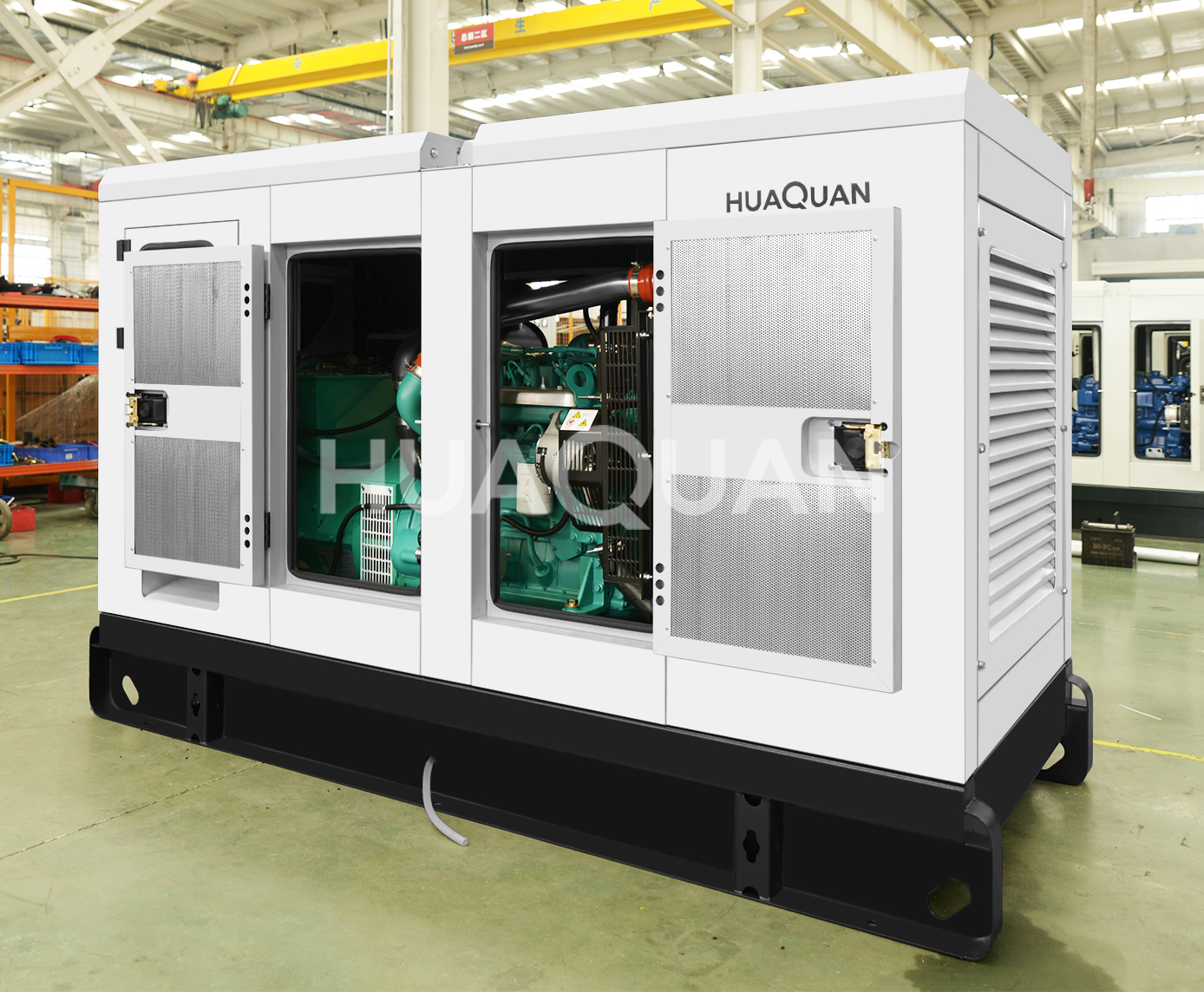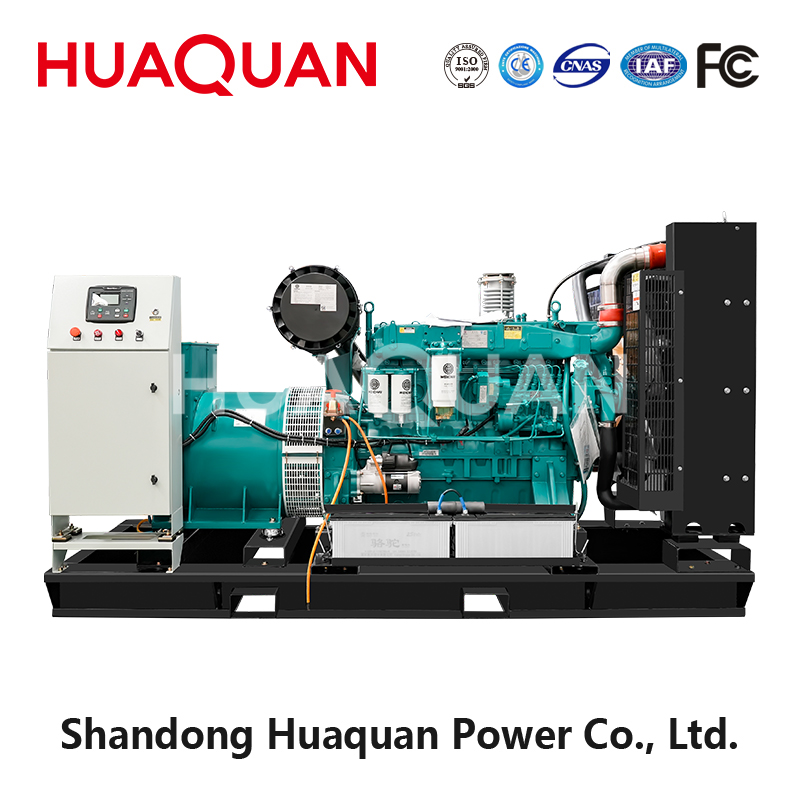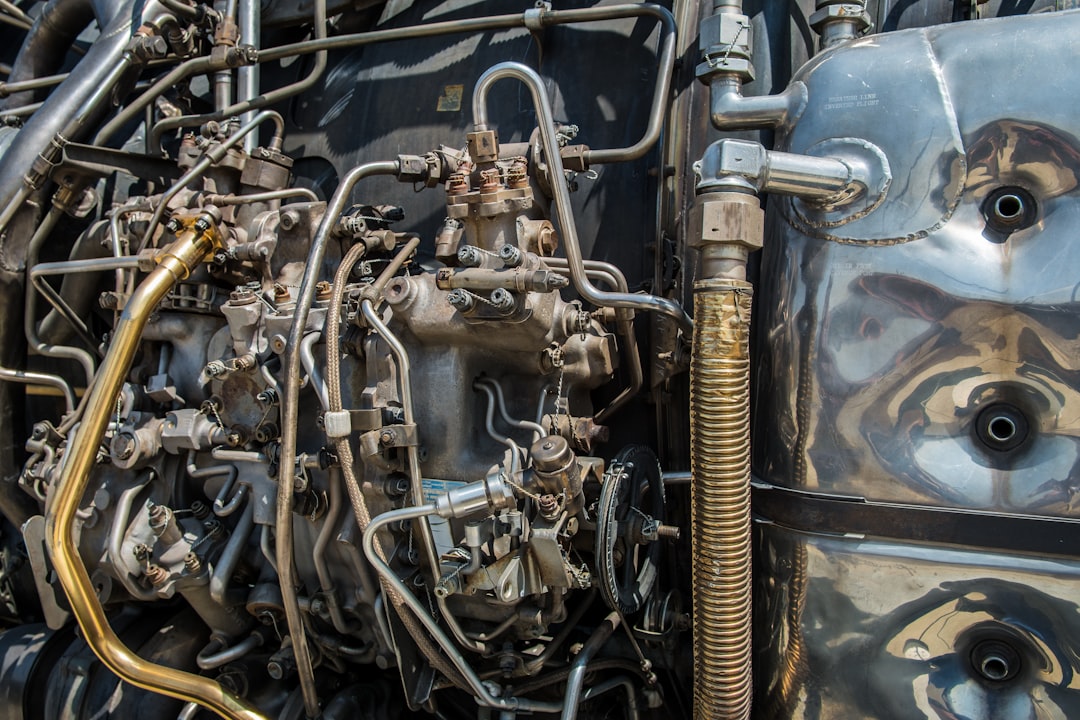
The turbocharger boost pressure for Diesel Generator engines typically ranges from 0.8 to 2.5 bar (12–36 psi) above atmospheric pressure, depending on engine size, design, and power rating. Huaquan Power summarizes the following detailed guide on turbocharger boost pressure specifications, control systems, and maintenance.
What Is Turbocharger Boost Pressure and Why Does It Matter?
Turbocharger boost pressure is the amount of air pressure the turbocharger delivers to the engine intake manifold above atmospheric pressure. Furthermore, higher boost pressure forces more air into the cylinders, enabling more fuel combustion and greater power output. Consequently, boost pressure directly determines the engine power density and efficiency. Additionally, Huaquan Power turbocharged Generators deliver 20–40% more power from the same engine displacement compared to naturally aspirated designs.
How Does Boost Pressure Vary by Engine Power Rating?
| Engine Power Range | Typical Boost Pressure | Aspiration Type | Power Density (kW/L) |
|---|---|---|---|
| 20–100 kW | 0.5–1.2 bar | Wastegated turbo | 15–22 kW/L |
| 100–300 kW | 1.0–1.8 bar | Wastegated turbo | 18–25 kW/L |
| 300–600 kW | 1.5–2.2 bar | Wastegated or VGT | 20–28 kW/L |
| 600–1500 kW | 1.8–2.5 bar | VGT or twin turbo | 22–30 kW/L |
| 1500+ kW | 2.0–3.0 bar | Twin-stage turbo | 25–35 kW/L |
Larger engines achieve higher boost pressures through advanced turbocharger configurations. Furthermore, two-stage turbocharger systems use a low-pressure and high-pressure turbo in series to achieve boost pressures above 3.0 bar. Additionally, Huaquan Power selects turbocharger specifications matched to each generator application for optimal performance across the operating load range.
How Does the Turbocharger Control Boost Pressure?
Without boost pressure control, the turbocharger would produce excessive pressure at high engine speeds, potentially damaging the engine. Furthermore, precise boost control maintains safe operating conditions while maximizing power output. Consequently, diesel generator turbochargers employ specific control mechanisms.
What Are the Common Boost Control Methods?
| Control Method | Operating Principle | Boost Range | Response Characteristic |
|---|---|---|---|
| Wastegate (pneumatic) | Bypasses exhaust gas around turbine at set pressure | Fixed maximum | Simple, reliable, slower response |
| Wastegate (electronic) | ECU-controlled wastegate actuator | Variable by load/speed | Precise, fast response |
| VGT (Variable Geometry Turbo) | Adjusts turbine nozzle area | Wide variable range | Best low-end response |
| Twin-stage (series) | Two turbos with inter-stage control | Very high boost | Progressive, high efficiency |
How Does the Wastegate Valve Regulate Boost?
The wastegate valve diverts a portion of exhaust gas away from the turbine wheel, limiting the energy driving the turbocharger. Specifically, when boost pressure reaches the set threshold, the wastegate actuator opens the bypass valve. Furthermore, the wastegate opening reduces exhaust energy to the turbine, preventing further boost pressure increase. Additionally, pneumatic wastegates use boost pressure itself to operate the actuator diaphragm, creating a self-regulating feedback loop. Moreover, electronic wastegates receive commands from the ECU based on multiple sensor inputs, enabling precise boost mapping across all operating conditions. Consequently, the wastegate maintains boost pressure within the designed range regardless of engine speed or load variations. Importantly, Huaquan Power generators use electronic wastegate control for precise boost management and optimized fuel efficiency.
| Wastegate Parameter | Typical Specification | Notes |
|---|---|---|
| Crack open pressure | 70–80% of maximum boost | Wastegate begins to open |
| Full open pressure | Maximum rated boost | All excess exhaust bypassed |
| Actuator diaphragm travel | 8–15 mm | Must achieve full valve opening |
| Wastegate valve diameter | 25–45 mm | Proportional to turbine size |
What Problems Arise from Incorrect Boost Pressure?
Both low boost and high boost conditions create distinct engine problems. Furthermore, prolonged operation with incorrect boost pressure causes progressive engine damage. Consequently, recognizing symptoms early prevents costly repairs.
What Causes Low Boost Pressure?
| Cause | Symptom | Diagnostic Check |
|---|---|---|
| Boost leak (intake system) | Power loss, rich exhaust smoke | Pressure test intake system |
| Wastegate stuck open | Chronic low power, slow boost response | Check wastegate actuator movement |
| Turbocharger bearing wear | Gradual power loss, whining noise | Check turbo shaft end play and radial play |
| Restricted air filter | Reduced boost at high load | Replace air filter, check restriction indicator |
| Charge air cooler leak | Low manifold pressure, hissing sound | Soap test or pressure test CAC |
| Exhaust leak before turbo | Low boost, exhaust noise | Visual/audible inspection of exhaust manifold |
What Causes High Boost Pressure?
| Cause | Symptom | Diagnostic Check |
|---|---|---|
| Wastegate stuck closed | Overboost, engine knocking | Check wastegate actuator and linkage |
| Boost sensor failure | ECU unable to control boost | Compare sensor reading with mechanical gauge |
| Actuator hose leak/disconnected | Uncontrolled boost rise | Inspect all pressure hoses |
| ECU mapping error | Boost exceeds design limit | Diagnostic scanner data log |
How to Test Turbocharger Boost Pressure?
Regular boost pressure testing verifies turbocharger performance and control system integrity. Furthermore, comparing measured values against specifications identifies developing faults. Therefore, Huaquan Power recommends boost testing during scheduled maintenance.
What Equipment and Methods Are Used for Boost Testing?
| Test Method | Equipment | Accuracy | Best For |
|---|---|---|---|
| Mechanical boost gauge | 0–3 bar gauge + adapter | ±1% | Field verification, calibration reference |
| ECU diagnostic tool | OBD scanner or OEM software | ±2% | Real-time monitoring, data logging |
| Intake pressure test (static) | Compressed air + pressure regulator | N/A | Leak detection in charge air system |
| Boost graph recording | Electronic gauge + data logger | ±1% | Full load performance mapping |
How to Perform a Dynamic Boost Pressure Test?
Dynamic boost testing measures actual boost pressure under engine load conditions. Specifically, install a calibrated boost gauge at the intake manifold test port. Then, start the engine and allow it to reach operating temperature. Furthermore, apply load gradually from idle to full rated output while recording boost pressure at 25%, 50%, 75%, and 100% load points. Additionally, compare the recorded boost curve against the manufacturer specification graph. Moreover, the boost should rise progressively with load and stabilize at the rated value without overshooting or fluctuating. Consequently, deviations from the expected curve indicate specific turbocharger or control system issues. Importantly, Huaquan Power service engineers use precision data logging equipment for comprehensive boost analysis during commissioning and maintenance.
| Load Point | Expected Boost (Typical 500 kW) | Acceptable Tolerance |
|---|---|---|
| No load / idle | 0.0–0.2 bar | N/A (turbo not spooled) |
| 25% load | 0.5–0.8 bar | ±0.15 bar |
| 50% load | 0.9–1.3 bar | ±0.15 bar |
| 75% load | 1.3–1.7 bar | ±0.20 bar |
| 100% load (prime) | 1.6–2.0 bar | ±0.20 bar |
| 110% load (standby) | 1.8–2.2 bar | ±0.25 bar |
Frequently Asked Questions
Q1: What is normal turbocharger boost pressure for a 500 kW diesel generator?
A 500 kW diesel generator typically operates at 1.6–2.0 bar boost pressure at full rated load. Furthermore, at 50% load, boost pressure drops to approximately 0.9–1.3 bar. Additionally, at idle, boost pressure is near zero because the Exhaust Gas volume is insufficient to spin the turbo at significant speed. Therefore, boost pressure is directly proportional to engine load.
Q2: How does altitude affect turbocharger boost pressure?
At altitude, the turbocharger compensates for reduced air density by spinning faster to maintain the same boost pressure. Furthermore, the turbo’s speed increase is automatic—the wastegate remains closed longer to allow more exhaust energy to drive the turbine. However, at altitudes above 3000 meters, many turbos reach their maximum speed limit and can no longer maintain full boost. Therefore, Huaquan Power offers altitude-derated generator specifications for high-altitude installations.
Q3: Can a diesel generator operate with a failed turbocharger?
A diesel generator can operate with a failed turbocharger, but with significantly reduced power output—typically 30–50% of rated capacity. Furthermore, the engine runs rich due to insufficient air, producing black smoke and elevated exhaust temperatures. Additionally, prolonged operation without turbo boost causes carbon buildup and potential valve damage. Therefore, repair or replace the turbocharger as soon as possible.
Q4: What is the difference between wastegated and VGT turbochargers?
Wastegated turbos have a fixed turbine geometry with a bypass valve that limits maximum boost. In contrast, VGT (Variable Geometry Turbo) turbos adjust the turbine nozzle vane angles to optimize boost across the entire RPM range. Furthermore, VGT turbos provide better low-speed boost response and higher efficiency at part load. Additionally, VGT turbos cost more but deliver superior fuel economy and faster load acceptance. Therefore, Huaquan Power offers both options based on application requirements.
Q5: How often should turbocharger boost pressure be checked?
Huaquan Power recommends checking turbocharger boost pressure every 2000–4000 operating hours, or whenever power loss symptoms appear. Furthermore, inspect the turbocharger visually at every oil change for oil leaks, unusual noise, and shaft play. Additionally, monitor exhaust smoke color—excessive black smoke under load may indicate insufficient boost pressure. Therefore, include boost testing in the scheduled maintenance program for optimal performance.
Conclusion
Correct turbocharger boost pressure ensures diesel Generator Power output, fuel efficiency, and engine reliability. Huaquan Power recommends three key practices: (1) Monitor boost pressure during regular load testing to detect turbocharger degradation early. (2) Maintain the intake and exhaust systems in clean, leak-free condition for optimal turbo performance. (3) Never modify boost control settings without proper equipment and authorization. For turbocharger service and genuine replacement units, contact Huaquan Power at +86-159-0536-0210 or visit huaquanpower.net.