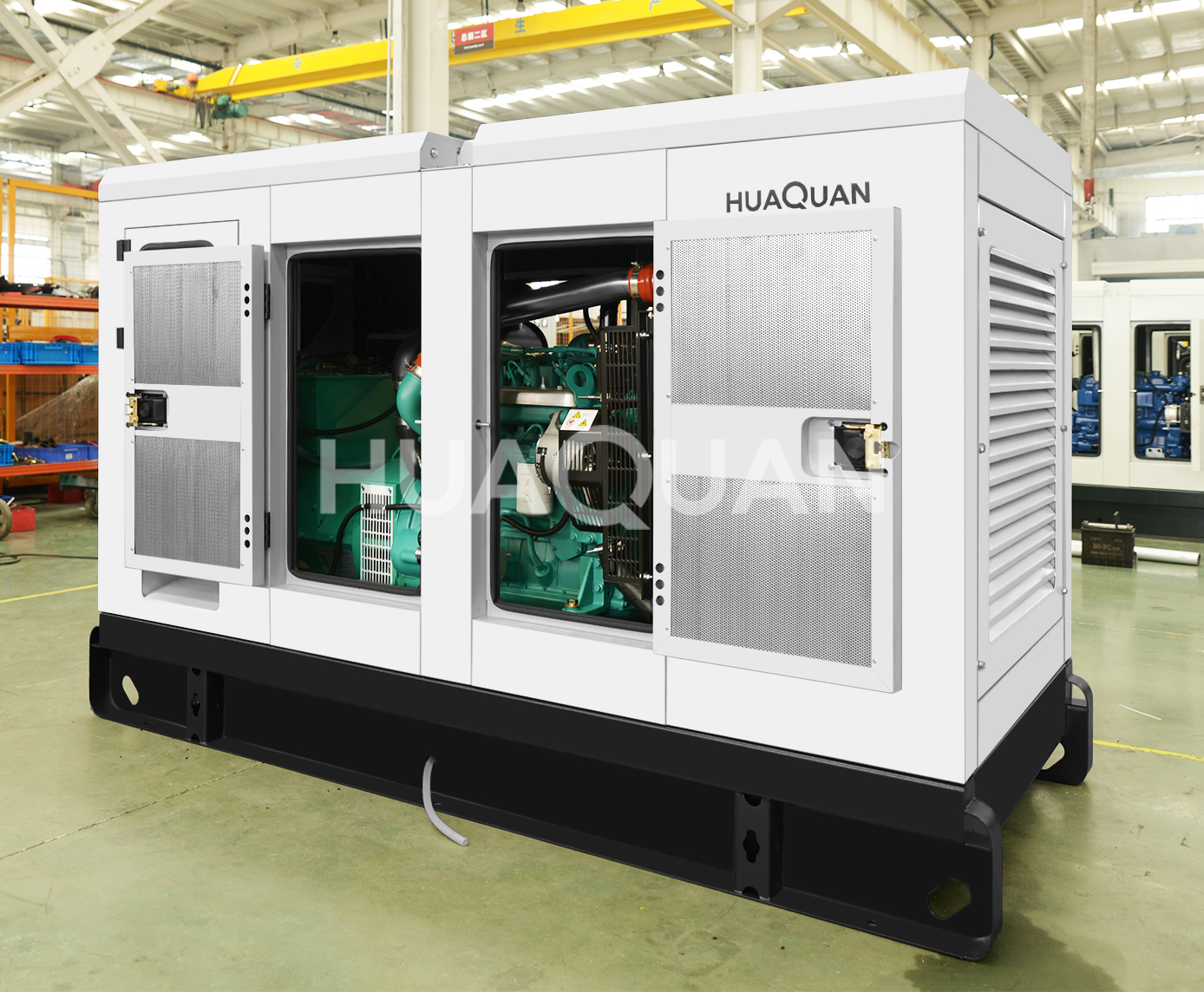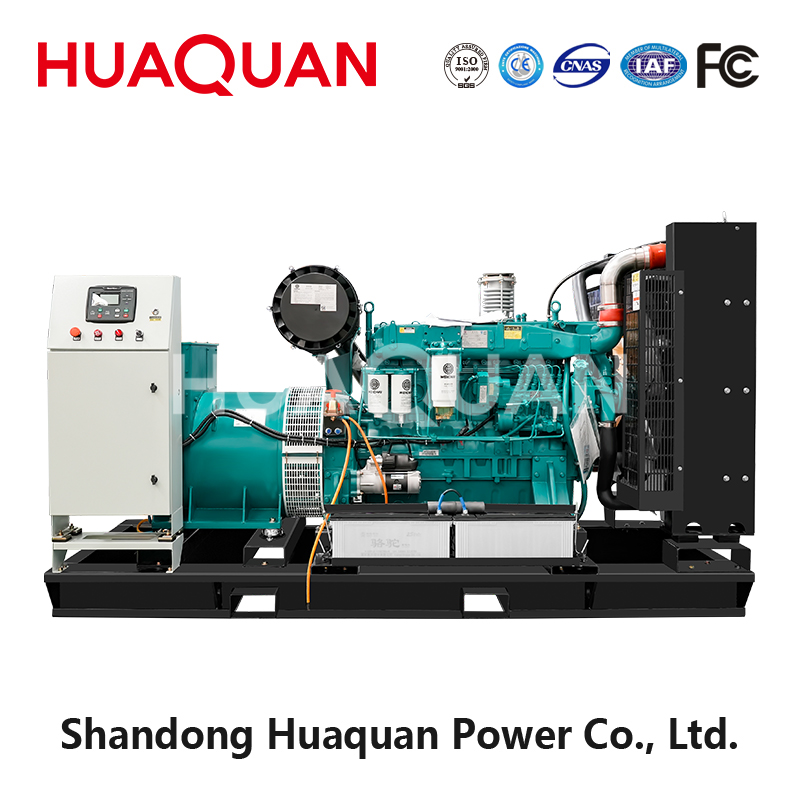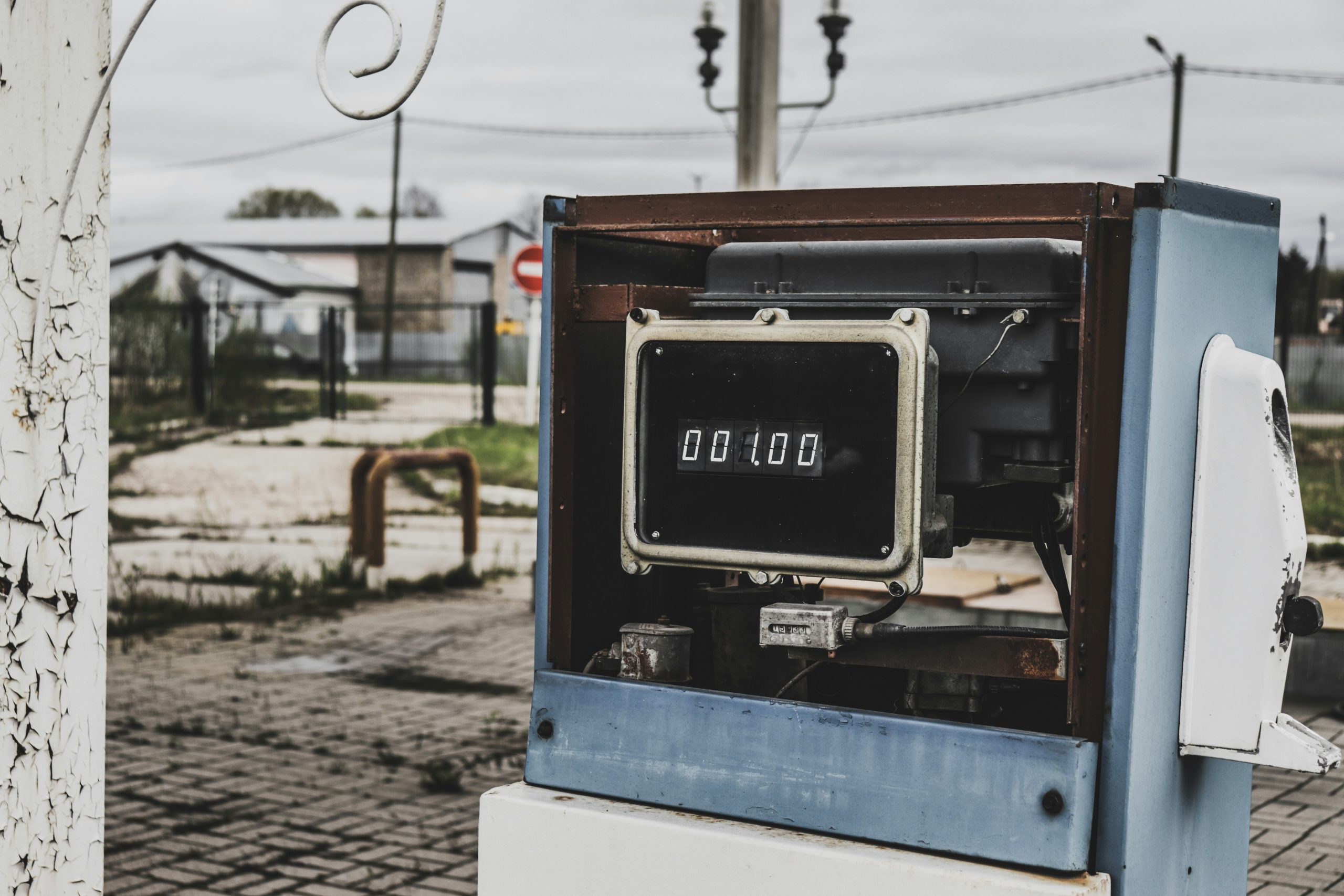
Diesel Generators consume approximately 0.2 to 0.25 liters of fuel per kWh at full load, with specific rates varying by engine size and load factor. Huaquan Power optimizes every engine for fuel efficiency, and understanding consumption rates helps you budget operating costs accurately. Huaquan Power presents this comprehensive guide on Diesel Generator fuel consumption.
What Is the Standard Fuel Consumption Rate for Diesel Generators?
The standard Fuel Consumption rate measures how much diesel a generator burns to produce one kilowatt-hour of electricity. Furthermore, this rate varies significantly based on engine design, load level, and operating conditions. Specifically, larger engines generally achieve better fuel economy per kWh than smaller ones.
Fuel Consumption by Generator Size
Generator size directly affects specific fuel consumption. Additionally, each engine has an optimal load range where fuel efficiency peaks. Consequently, Huaquan Power helps customers select the right-sized generator to maximize fuel economy.
| Power Range | Full Load (L/kWh) | 75% Load (L/kWh) | 50% Load (L/kWh) | 25% Load (L/kWh) |
|---|---|---|---|---|
| 20-50 kW | 0.25-0.28 | 0.27-0.30 | 0.32-0.38 | 0.45-0.55 |
| 50-150 kW | 0.22-0.25 | 0.24-0.27 | 0.28-0.34 | 0.40-0.50 |
| 150-500 kW | 0.20-0.23 | 0.22-0.25 | 0.26-0.31 | 0.35-0.45 |
| 500-1000 kW | 0.19-0.22 | 0.21-0.24 | 0.25-0.30 | 0.33-0.42 |
| 1000+ kW | 0.18-0.21 | 0.20-0.23 | 0.24-0.28 | 0.30-0.40 |
How Does Load Factor Affect Fuel Consumption?
Load factor has the most dramatic impact on fuel consumption per kWh. For instance, a generator running at 25% load burns nearly twice the fuel per kWh compared to full load operation. Moreover, prolonged low-load operation causes carbon buildup and wet stacking. Therefore, Huaquan Power recommends sizing generators to run at 60-80% of rated capacity for optimal efficiency.
Load-Fuel Efficiency Curve
| Load Percentage | Relative Fuel Rate | Efficiency Rating | Risk Level |
|---|---|---|---|
| 100% | Baseline (1.0x) | Good | No overload margin |
| 75% | 1.08x | Excellent | Optimal operating range |
| 50% | 1.30x | Fair | Moderate efficiency loss |
| 30% | 1.65x | Poor | Wet stacking risk |
| 25% | 2.0x | Very Poor | Carbon buildup likely |
What Factors Influence Diesel Generator Fuel Consumption?
Multiple factors beyond load level affect real-world fuel consumption. Furthermore, understanding these factors helps you optimize your generator installation for maximum fuel economy. Additionally, Huaquan Power engineers consider all these variables during system design.
| Factor | Impact Level | Description | Mitigation |
|---|---|---|---|
| Engine age and condition | High | Worn injectors and rings increase consumption | Regular maintenance schedule |
| Fuel quality | High | Lower cetane number reduces efficiency | Use premium diesel fuel |
| Ambient temperature | Medium | Cold air improves combustion density | Proper air filtration |
| Altitude | Medium | Thin air reduces power output | Apply altitude derating |
| Power factor | Medium | Low PF increases current draw | Power factor correction |
| Coolant temperature | Low | Overcooling increases friction | Thermostat maintenance |
How to Calculate Daily and Monthly Fuel Costs?
Calculating fuel costs requires knowing your generator power output, load factor, operating hours, and local fuel price. Specifically, the formula is: Daily Cost (USD) = Power (kW) x Load Factor x Hours x Consumption Rate (L/kWh) x Fuel Price (USD/L). Moreover, Huaquan Power provides fuel calculators with every generator quotation.
Cost Calculation Example
| Parameter | Value | Unit | Notes |
|---|---|---|---|
| Generator rating | 500 | kW | Prime power |
| Load factor | 75% | – | Optimal range |
| Daily operation | 10 | hours | Typical standby |
| Fuel consumption | 0.22 | L/kWh | At 75% load |
| Fuel price | 1.20 | USD/L | Market average |
| Daily cost | 990 | USD | Calculated result |
| Monthly cost | 29,700 | USD | 30-day estimate |
What Are the Best Practices to Reduce Fuel Consumption?
Reducing fuel consumption saves significant operating costs over the generator lifetime. Furthermore, many efficiency improvements require minimal investment. Additionally, Huaquan Power incorporates fuel-saving features as standard in all current production models.
| Strategy | Savings Potential | Investment Required | Payback Period |
|---|---|---|---|
| Right-size the generator | 15-30% | Planning time only | Immediate |
| Maintain 60-80% load | 10-20% | Load management system | 1-3 months |
| Regular maintenance | 5-10% | Service contract | 3-6 months |
| Fuel quality management | 3-8% | Fuel testing and treatment | 1-2 months |
| Parallel operation | 10-25% | Additional generator | 6-18 months |
| Waste heat recovery | 5-15% | CHP system | 1-3 years |
How Does Fuel Consumption Compare Across Generator Types?
Different generator types and fuel sources exhibit varying consumption characteristics. Moreover, diesel generators generally offer the best fuel efficiency among fossil-fuel options. Specifically, diesel engines convert approximately 35-45% of fuel energy into electrical power, compared to 25-35% for gasoline engines.
| Fuel Type | Consumption Rate | Cost per kWh | Efficiency | Emissions |
|---|---|---|---|---|
| Diesel | 0.20-0.25 L/kWh | Baseline | 35-45% | Moderate |
| Natural gas | 0.28-0.35 m3/kWh | Lower than diesel | 30-38% | Low |
| Gasoline | 0.30-0.40 L/kWh | Higher than diesel | 25-35% | Moderate |
| Dual fuel | Varies by mix | 30-50% gas substitution | 33-40% | Low-moderate |
How to Monitor Real-Time Fuel Consumption?
Modern fuel monitoring systems provide real-time consumption data that helps operators optimize generator performance. Furthermore, Huaquan Power offers integrated fuel monitoring as an option on all generator models. Additionally, these systems track cumulative consumption for accurate cost accounting.
Monitoring Methods Comparison
| Method | Accuracy | Cost | Best For |
|---|---|---|---|
| Tank level gauge | Low (5-10%) | Very low | Basic monitoring |
| Flow meter (supply) | Medium (3-5%) | Medium | General purpose |
| Differential flow meter | High (1-2%) | High | Precision monitoring |
| ECU fuel data | High (1-3%) | Low | Modern EFI engines |
Frequently Asked Questions
Q1: How much fuel does a 100 kW diesel generator consume per hour?
A 100 kW diesel generator at full load consumes approximately 22-25 liters per hour. Additionally, at 75% load the consumption drops to about 18-21 liters per hour. Furthermore, Huaquan Power specifies exact consumption curves for each model in the technical data sheet provided with every unit.
Q2: Why does my generator consume more fuel than the rated specification?
Several factors increase real-world fuel consumption above rated values. Specifically, low load operation, poor fuel quality, dirty air filters, and worn fuel injectors all contribute to higher consumption. Moreover, operating at high altitude or extreme temperatures also increases fuel burn. Therefore, Huaquan Power recommends regular maintenance to maintain rated efficiency.
Q3: Is it more efficient to run one large generator or two smaller ones?
Running two smaller generators in parallel often proves more efficient than one large unit for variable loads. For instance, you can shut down one unit when load drops, keeping the remaining generator in its optimal 60-80% load range. Consequently, Huaquan Power offers parallel-ready generator sets designed for efficient multi-unit operation.
Q4: How does wet stacking relate to fuel consumption?
Wet stacking occurs when a diesel generator runs at low load for extended periods, causing unburned fuel to accumulate in the exhaust system system. Furthermore, this condition actually increases specific fuel consumption because combustion becomes incomplete. Therefore, Huaquan Power recommends loading generators to at least 30% of rated capacity to prevent wet stacking.
Q5: Can fuel additives reduce generator consumption?
Quality fuel additives can provide modest consumption improvements of 2-5% by improving combustion efficiency and keeping injectors clean. However, additives cannot overcome the fundamental physics of low-load inefficiency. Additionally, Huaquan Power approves specific additive brands for use with their engines to maintain warranty coverage.
In conclusion, diesel generator fuel consumption ranges from 0.2 to 0.25 L/kWh at full load, with significant increases at partial loads. Furthermore, Huaquan Power designs every generator for optimal fuel efficiency and provides detailed consumption data for accurate cost planning. Contact Huaquan Power for a fuel consumption analysis tailored to your specific application.