< img height="1" width="1" style="display:none" src="https://www.facebook.com/tr?id=818233107660385&ev=PageView&noscript=1" />
x
Send Your Inquiry Today
Quick Quote

Single Phase vs Three Phase Generators: Which One Do You Need?

The choice between single-phase and three-phase power is one of the first decisions when selecting a generator, and getting it wrong means either incompatible equipment or wasted capacity. This guide explains the technical differences, application considerations, and cost implications to help you make the right choice.

Fundamental Differences

ParameterSingle-PhaseThree-Phase
Voltage120V or 240V400V, 415V, 480V, or 600V
Waveforms1 sinusoidal wave3 sinusoidal waves, 120 degrees apart
Number of Wires2 (line + neutral)3 or 4 (3 lines + neutral)
Power DeliveryPulsating (zero crossings)Constant (sum of 3 phases always > 0)
Maximum Practical Size~100 kVANo practical limit
Typical ApplicationsResidential, small commercialIndustrial, commercial, data centers
Cost per kVAHigherLower (for sizes above 30kVA)

Power Calculation Differences

The power delivery formulas differ between single-phase and three-phase systems:

  • Single-Phase: kW = V x I x PF / 1000
  • Three-Phase: kW = V x I x 1.732 x PF / 1000

The 1.732 factor (square root of 3) means three-phase delivers 73% more power than single-phase using the same wire size and current. This is why three-phase is the standard for all but the smallest installations—a three-phase system uses less copper, smaller conductors, and smaller switchgear for the same power delivery.

When to Choose Single-Phase

Single-phase Generators are appropriate when: your facility only has single-phase electrical infrastructure (common in residential areas and some older commercial buildings); your total load is below 25-30kW; you are powering single-phase equipment like HVAC units, well pumps, or small appliances.

Common single-phase applications: residential backup (10-50kW), small retail shops, food trucks and mobile vendors, construction site tools, and agricultural irrigation pumps in areas without three-phase utility service.

When to Choose Three-Phase

Three-phase generators are necessary when: your facility has three-phase electrical infrastructure (standard for commercial and industrial buildings); your total load exceeds 25-30kW; you operate three-phase motors, elevators, or large HVAC systems; or you require more than 100kVA of backup power.

Common three-phase applications: hospitals, data centers, manufacturing plants, commercial office buildings, mining operations, construction sites, and any facility with motors larger than 5 HP (3.7 kW).

Can You Get Both from One Generator?

Yes. Most three-phase generators can also provide single-phase power by tapping between one phase and neutral, giving you 230V or 120V single-phase alongside 400V three-phase. However, you must balance the single-phase loads across all three phases—if you pull too much from one phase, you create an imbalance that causes alternator overheating and voltage regulation issues.

The general rule: single-phase load should not exceed one-third of the three-phase rating. A 100kVA three-phase generator can safely provide up to 33kVA of single-phase power. For higher single-phase loads, consider a dedicated single-phase generator or a zigzag transformer for better phase balancing.

Cost Comparison

SizeSingle-Phase CostThree-Phase CostNotes
10 kVA$3,500$4,000Single-phase slightly cheaper
30 kVA$8,000$7,500Three-phase becomes cheaper
50 kVARare/Expensive$10,000Single-phase generators above 50kVA are uncommon
100 kVANot available$18,000Three-phase only above 100kVA
500 kVANot available$55,000Three-phase only

Above 30kVA, three-phase generators are generally less expensive per kVA because they use less copper in the alternator winding and have simpler voltage regulation. The savings increase with size.

FAQ

Can I run a three-phase generator on single-phase loads only?

Yes, but you must distribute the single-phase loads across all three legs as evenly as possible. Imbalance exceeding 10% between phases causes alternator overheating, voltage instability, and reduced output. Use a phase balance monitor to check distribution.

Can I convert a three-phase generator to single-phase?

Limited conversion is possible by reconnecting the alternator windings (zigzag or double-delta connection), but this derates the generator to approximately 60-67% of its three-phase rating. For example, a 100kVA three-phase unit becomes a 60-67kVA single-phase unit. This is a factory modification, not a field change.

What happens if I have single-phase equipment in a three-phase facility?

This is common and not a problem. Connect single-phase equipment between any one phase and neutral (for 230V) or between two phases (for 400V). Just ensure the single-phase loads are balanced across the three phases. Most commercial buildings have a mix of three-phase and single-phase loads.

Is 240V single-phase the same as 240V three-phase?

No. 240V single-phase has two conductors (line and neutral) with one voltage waveform. 240V three-phase (common in North America) has three conductors with three voltage waveforms 120 degrees apart. The power delivery characteristics and equipment compatibility are completely different.

Why do some countries use 400V three-phase while others use 480V?

Voltage standards vary by region. Most of the world (IEC standard) uses 400V/230V three-phase/single-phase at 50Hz. North America uses 480V/277V at 60Hz. Some countries use 415V, 440V, or 600V. Always match the generator voltage to your facility’s existing electrical system and local grid standards.

Do I need a special transformer for single-phase loads on a three-phase generator?

Not usually. If your generator has a neutral connection (4-wire system), you can connect single-phase loads directly between any phase and neutral. For heavy single-phase loads that would cause phase imbalance, a zigzag transformer or phase converter can balance the load across all three phases.

What is a phase converter and when do I need one?

A phase converter creates three-phase power from a single-phase source, or vice versa. You need one when you have a three-phase motor but only single-phase power is available (rotary phase converter), or when you need to extract significant single-phase power from a three-phase generator without creating imbalance (zigzag transformer).

How do I know if my facility needs single-phase or three-phase?

Check your main electrical panel. If it has a three-pole main breaker and bus bars labeled L1, L2, L3, you have three-phase power. If it has a single-pole or double-pole main breaker, you have single-phase. Your electric utility bill also indicates the service type. When in doubt, consult a licensed electrician.

Can a single-phase generator power a three-phase motor?

Not directly. You would need a phase converter (VFD or rotary type) to create the three-phase power the motor requires. This adds cost and complexity. For any motor above 5 HP (3.7 kW), it is more practical and cost-effective to use a three-phase generator.

What size generator do I need for my home?

Most homes use single-phase power. Typical sizing: small home (1,500-2,000 sq ft) needs 10-15kW; medium home (2,000-3,000 sq ft) needs 15-25kW; large home with HVAC and pool (3,000+ sq ft) needs 25-50kW. Always calculate based on actual loads rather than square footage alone.

Technical Deep Dive: Phase Configuration and Generator Winding

The physical construction of a generator’s alternator determines whether it produces single-phase or three-phase power, and the winding configuration affects how the generator handles unbalanced loads, harmonic currents, and reconnection options.

Alternator Winding Configurations

Three-phase alternators have three sets of windings (phases A, B, C) positioned 120 electrical degrees apart around the stator. Single-phase alternators have one set of windings. Most single-phase generators above 30kVA are actually three-phase alternators with a zigzag or double-delta winding reconnection that produces single-phase output at approximately 60-67% of the three-phase kVA rating. This is why single-phase generators above 30kVA are more expensive per kVA than three-phase units—you are paying for three-phase copper but only using two-thirds of it.

Winding Configuration3-Phase Output1-Phase OutputDerating FactorApplication
Series Star100%Not availableStandard 3-phase only
Parallel Star100%Not availableHigh-current 3-phase
Zigzag (single-phase tap)100%60%0.60Dual-purpose generators
Double DeltaNot available67%0.67Dedicated single-phase

Industry-Specific Phase Selection

Residential: Single-Phase Standard

Residential electrical systems in most countries use single-phase power (120/240V in North America, 230V in IEC countries). Residential generators must match this single-phase supply. Most residential standby generators range from 8kW to 50kW. Above 50kW, the residential application is unusual (very large homes with three-phase HVAC or elevators) and would use a three-phase generator with single-phase taps.

Commercial: Three-Phase with Single-Phase Branches

Commercial buildings typically receive three-phase power from the utility and distribute single-phase power to individual circuits (lighting, outlets) through the panelboard. The generator must match the three-phase service. However, the single-phase loads must be balanced across the three phases to avoid overloading one phase. A common mistake in commercial generator installations is connecting all the single-phase lighting and receptacle circuits to one phase, creating a significant imbalance.

Industrial: Three-Phase Only

Industrial facilities use three-phase power exclusively for motors, compressors, and heavy machinery. Some industrial equipment (welding machines, electroplating rectifiers) may specify single-phase input, but these are connected between two phases (providing 400V or 480V single-phase) rather than between one phase and neutral. The generator must be sized to handle the total three-phase load with any single-phase loads balanced across the phases.

Cost Analysis: When Three-Phase Saves Money

Load ScenarioSingle-Phase SolutionThree-Phase SolutionSavings
50kW office building1 x 75kVA 1-phase ($12,000)1 x 75kVA 3-phase ($10,000)17%
200kW manufacturingNot feasible (no 300kVA 1-phase)1 x 312kVA 3-phase ($25,000)Only option
15kW residential backup1 x 25kVA 1-phase ($4,500)1 x 25kVA 3-phase ($5,000)-11%
5kW remote telecom1 x 8kVA 1-phase ($2,800)1 x 8kVA 3-phase ($3,200)-14%

The crossover point where three-phase becomes more cost-effective than single-phase is approximately 25-30kW. Below this, single-phase generators are simpler and slightly cheaper. Above this, three-phase generators offer better value per kVA, smaller cable requirements, and wider model availability.

Additional FAQ

What is a high-leg delta connection?

High-leg delta (also called wild leg or stinger leg) is a three-phase transformer configuration that provides 240V three-phase power plus 120V single-phase power from one winding center-tap. The ‘high leg’ (phase B) measures 208V to neutral instead of 120V. This configuration is common in older North American commercial buildings. When connecting a generator to a high-leg delta system, the generator must have a compatible winding configuration or a matching step-down transformer.

Can I run a three-phase motor on single-phase power using a capacitor?

This is called a Steinmetz connection or capacitor-start method. It works for small three-phase motors (up to about 3kW) but significantly reduces the motor’s starting torque and can cause overheating. For any motor above 3kW, a proper phase converter (rotary or VFD) is required. The Steinmetz method is not recommended for continuous-duty applications because the capacitor must be precisely sized for the motor load.

What is the advantage of a 12-lead reconnectable alternator?

A 12-lead alternator can be reconnected for multiple voltage and phase configurations: 400V 3-phase, 230V 3-phase, 230V 1-phase, or 115/230V 1-phase. This flexibility is valuable for rental generators and international projects where the same unit may need to supply different voltages. The reconnection is done at the alternator terminal board and takes 2-4 hours with a qualified electrician.

How do I determine if my existing wiring supports a generator upgrade?

Check the main feeder cable size and rating. A 400V three-phase generator at 500kVA carries 722A. Your existing cables must be rated for at least this current. Also verify the main circuit breaker rating, bus bar capacity in the distribution panel, and the neutral conductor size (for single-phase loads on a three-phase system). If upgrading from a smaller generator, the cable and switchgear may also need upgrading—a significant additional cost.

What is the difference between wye (star) and delta configurations?

In a wye (star) connection, one end of each phase winding connects to a common neutral point, providing both line-to-line and line-to-neutral voltages (e.g., 400V line-to-line, 230V line-to-neutral). In a delta connection, the windings connect in a closed loop, providing only line-to-line voltage. Wye is the standard configuration for generators because it provides the neutral connection needed for single-phase loads and grounding.

Huaquan Real-World Projects

At Huaquan Power, we’ve deployed generator systems across diverse applications worldwide. Here are some representative projects:

CountryPower RatingApplicationProject Highlights
Ecuador550kWPower StationHuaquan delivered a 550kW diesel generator system for power station applications in Ecuador, featuring customized configuration for local conditions with reliable after-sales support.
OverseasN/AkWIndustrial PowerHuaquan delivered a N/AkW diesel generator system for industrial power applications in Overseas, featuring customized configuration for local conditions with reliable after-sales support.
South AfricaN/AkWIndustrial PowerHuaquan delivered a N/AkW diesel generator system for industrial power applications in South Africa, featuring customized configuration for local conditions with reliable after-sales support.

These real-world deployments demonstrate our engineering team’s capability to deliver reliable power solutions tailored to specific application requirements and environmental conditions. View all overseas case studies →

Recommended Generator for Your Application

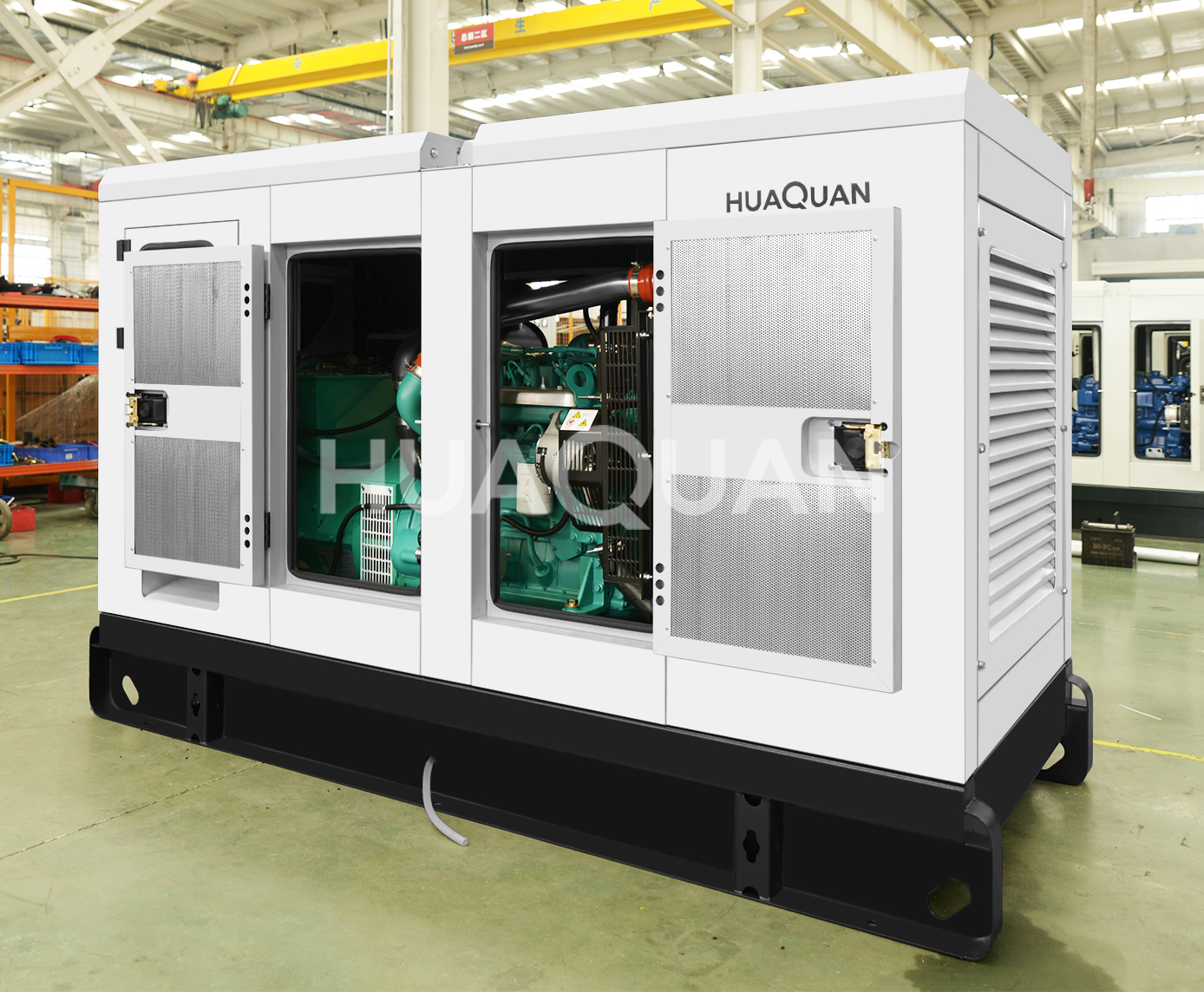
100-500kW Diesel Generator

100-500kW Diesel Generator

Medium-duty diesel generator for industrial and commercial applications.

Key Features:

  • ISO 8528 compliant
  • Customized voltage & frequency
  • Remote monitoring available
  • Global shipping & on-site installation
View Specifications & Get Quote →

Related Resources