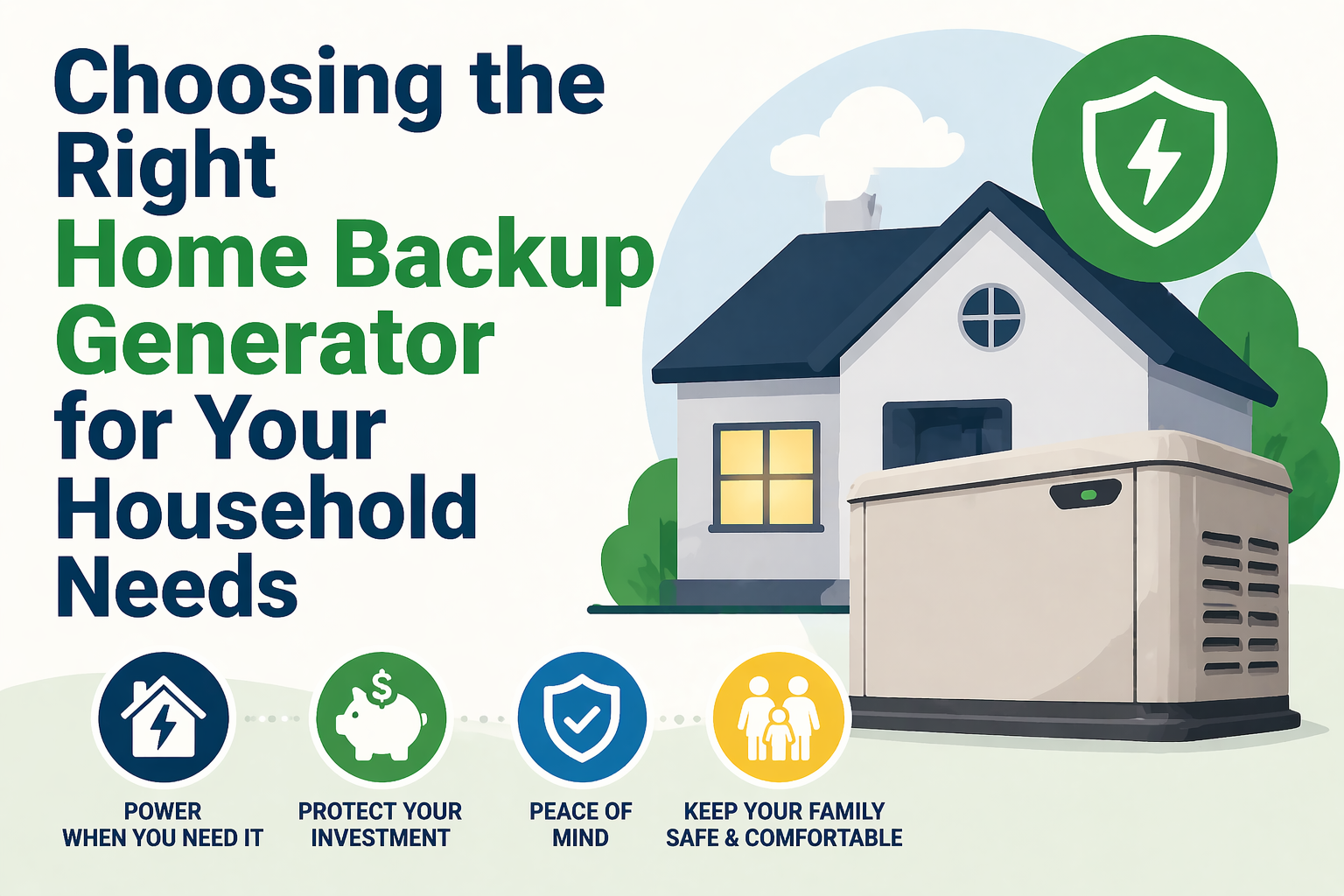
Sempre que houver um desligamento inesperado de energia, atrapalha toda a sua rotina e às vezes danifica seus aparelhos elétricos e estraga a comida. Para combater esta situação, investindo em um sistema eficiente Lar backup generator é a melhor solução. Protegerá sua casa e também os eletrodomésticos caros.
Escolher o melhor modelo de gerador para sua unidade residencial precisa de muita pesquisa. Depende de suas necessidades de energia, fornecimento de combustível, e o orçamento disponível. Quando você considera cuidadosamente esses fatores, você poderá decidir o melhor tipo de gerador adequado para sua casa. Depois de ler este guia de Huaquan, você poderá decidir o melhor para sua casa!
O que é um gerador de backup doméstico?
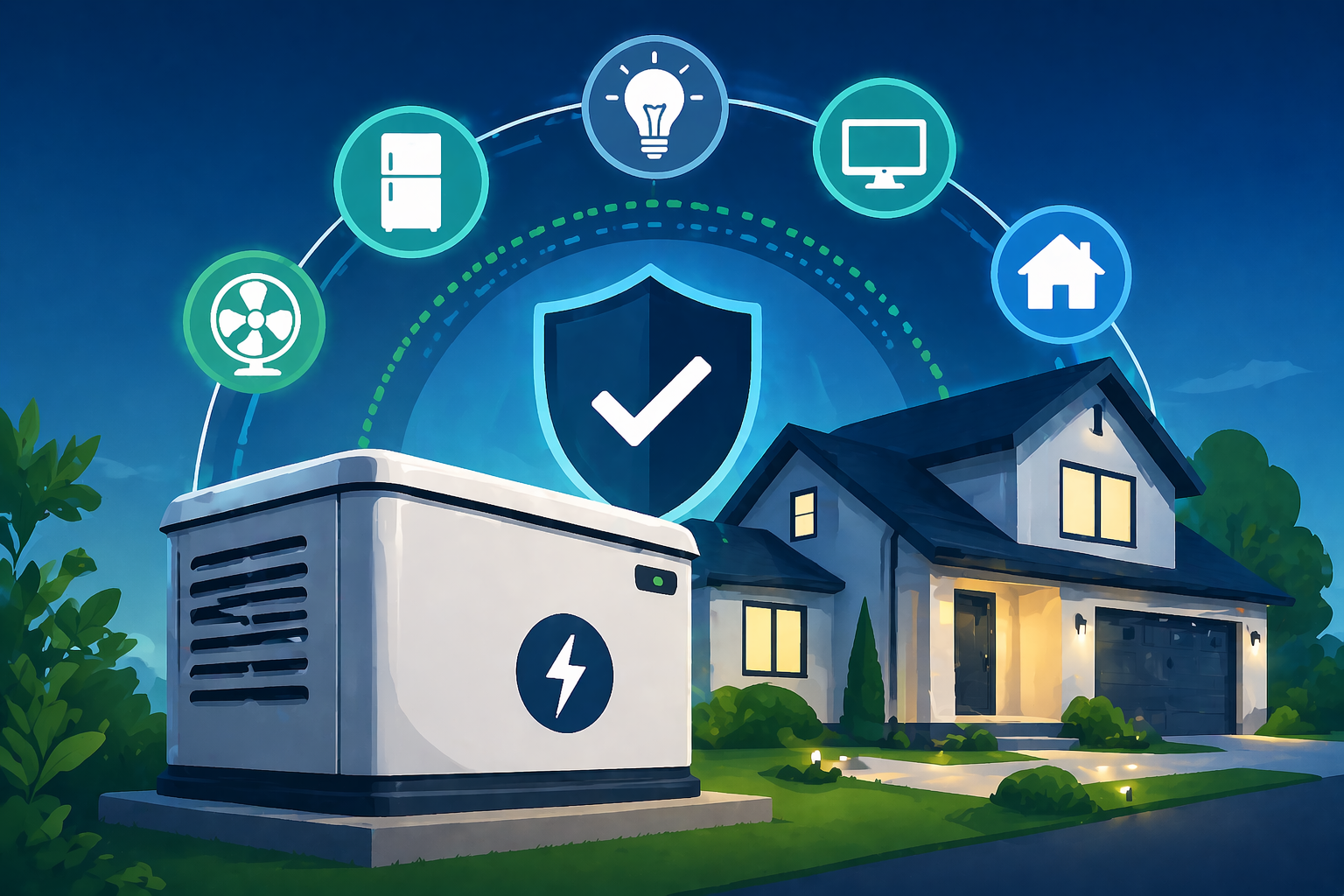
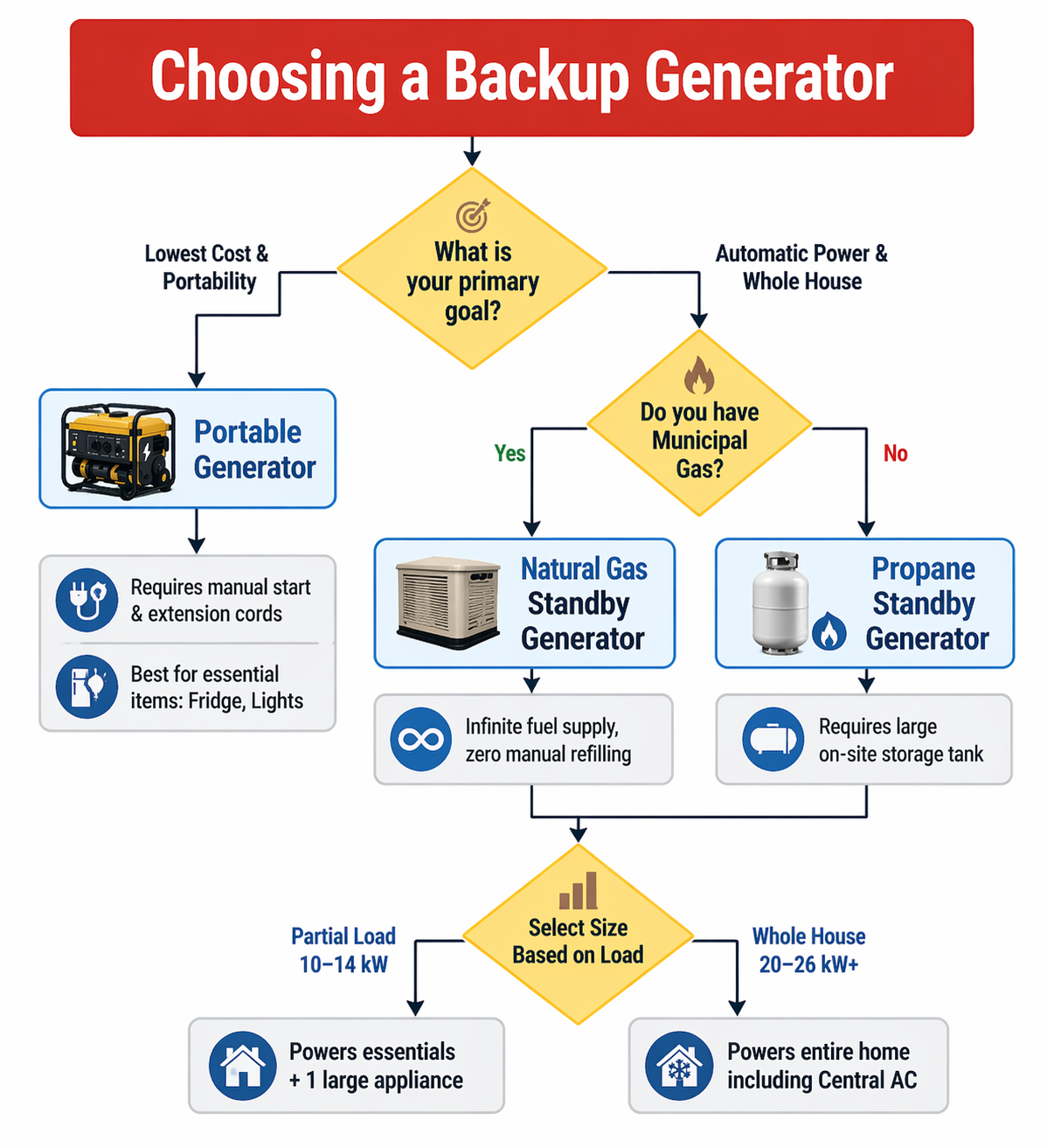
Um gerador reserva de unidade residencial é um único, sistema independente de substituição de energia para apoiar a sua casa na ausência de eletricidade da rede principal. Inclui um sistema de aquecimento interno que trabalha em estreita colaboração com um alternador para obter energia elétrica utilizável como resultado. Existem diferentes tipos de backup doméstico Geradores que você deve entender antes de comprar para si mesmo.
Tipos comuns de geradores de backup domésticos
Geradores Portáteis
Estes são geradores fáceis de transportar que você pode facilmente transportar para qualquer local distante. Eles requerem apenas uma caixa de entrada com uma chave de transferência específica para instalação.
- Vantagens: Acessível, fácil de transportar para acampar, locais para piquenique externos, utilização não autorizada, e pode ser usado para food trucks.
- Limitações: Capacidade limitada de manuseio de energia (faixa entre 2.000 W e 12.000 W). Você será obrigado a reabastecê-lo por conta própria, mesmo em condições climáticas extremas.
Geradores de espera
São geradores permanentes fixados acima do solo em uma base de concreto.. Os eletricistas os integram ao painel elétrico da casa por meio de uma chave de transferência automática (ATS). Começa instantaneamente quando a alimentação da rede é desligada.
- Prós: Oferece proteção total à sua casa, mesmo na sua ausência. Pode lidar com grandes watts de potência (variando de 10kW a 26kW+) eficientemente.
- Contras: Custos iniciais e de instalação mais elevados, requer especialistas para sua correta instalação, e exige licenças extensas.
Calculando suas necessidades de energia
Antes de selecionar um modelo de gerador, você deve avaliar sua própria localidade.
- Cálculo dos requisitos de potência para todos os aparelhos essenciais: Faça um tour pelo seu site e liste todos os dispositivos essenciais. Anote suas potências de funcionamento, bem como o impulso inicial exigido por eles para trabalhar em velocidade moderada. Adicione-os e calcule o valor necessário.
- Identificando sistemas críticos para alimentar durante uma pane: Divida seus requisitos em básicos ou luxuosos. No básico, você deve incluir bombas de água, geladeiras, equipamento médico, e luzes essenciais. Enquanto no luxo, você pode incluir secadores, televisões, projetores, e muito mais.
- Determinar se você precisa de uma substituição de backup parcial ou completa: Se você precisa evitar que os alimentos se estraguem e que os canos congelem, você pode considerar uma solução parcial apoiada por um Gerador portátil. Se você quiser ligar toda a sua casa, incluindo todos os itens de luxo, você precisa de um sistema de solução completo.
Tipos de combustível para geradores de reserva domésticos
Gasolina
A gasolina está disponível em qualquer posto de gasolina ou bomba de combustível. É fácil de queimar e pode operar aparelhos e motores em condições adversas, condições de tempo frio. Tem uma vida útil curta, variando de 3 para 6 meses se não for armazenado com estabilizadores apropriados. Você deve reabastecer seus tanques por conta própria. Pode suportar geradores fáceis de transportar para férias, camping, caminhões de alimentos, utilização não autorizada, e backup de baixa capacidade de residências com mais eficiência
Diesel
O diesel tem maior densidade energética e oferece maior quantidade de combustível despreocupado, perfeito para uso a longo prazo. Ele usa menos volume de combustível, operando assim com um orçamento operacional baixo e sendo durável por anos. Mas, eles parecem irritantes devido a extensos ruídos mecânicos e pesos pesados. Eles produzem uma grande quantidade de óxidos de nitrogênio (NOx) emissões. Geradores a diesel são mais adequados para edifícios comerciais, fábricas, áreas remotas, e uma capacidade pesada, opção de backup de longa duração.
Propano
Petróleo Líquido acende de forma limpa, sem emissões tóxicas, tornando-o a melhor escolha para unidades residenciais. O propano não se decompõe ao longo de um período de tempo, que permite que seja armazenado confidencialmente em recipientes de armazenamento adequados. É perfeito para unidades domésticas, locais residenciais de áreas distantes, e esses tipos de locais que exigem espera geradores e armazenamento de combustível por um longo período.
Gás natural
O gás natural é acessível, oferece ótimo custo-benefício, e prova ser ecologicamente correto. Funciona em ligação com o abastecimento municipal de gás, sendo o tipo de combustível mais abundantemente disponível. É adequado tanto para geradores de fornecimento de energia residencial de longo prazo quanto para grandes edifícios comerciais em cidades.
Como selecionar o gerador de tamanho apropriado para sua casa
- Calculando requisitos de potência: Você deve calcular a potência de funcionamento de seus aparelhos essenciais para comprar um gerador de tamanho preciso. Adicione o maior valor de potência inicial ao seu total. Isso o ajudará a ajustar a capacidade do gerador à carga.
- Importância da capacidade de correspondência: Se você comprar um gerador com exatamente o mesmo número do valor calculado, não deixará mais espaço. Você deve adicionar quase um 20-25% extra para necessidades futuras. Por exemplo, se o seu poder precisa dizer 8,000 watts, você deve comprar um gerador com capacidade de 10.000 watts.
- Instruções de dimensionamento:
- Eletrodomésticos essenciais e carga de iluminação (3kW – 7 kW): Inclui a geladeira, adaptador de internet, luzes essenciais, e carregadores de dispositivos eletrônicos. Estes podem ser suportados por um gerador portátil de média capacidade.
- Carga Parcial da Casa (8kW – 14kW): Inclui mais do que o essencial, como uma bomba de água, forno, e ACs de janela de unidade pequena. Você pode apoiá-los com um gerador portátil de grande capacidade ou um pequeno gerador de reserva.
- Carga de casa inteira (15kW – 26kW+): Inclui máquinas simples e pesadas, como todos os ACs, aquecedores de água, isolamentos, e fornos elétricos. Por esta, você deve instalar um permanente, gerador de espera.
Considerações de instalação para geradores de backup domésticos
- Instalação profissional vs DIY: Você não deve instalar o gerador de grande capacidade sozinho. Lidar com fios subterrâneos será perigoso. Você só pode fazer isso para um gerador portátil que pode ser instalado com uma simples caixa de entrada. Por esta, você também deve ter um conhecimento profundo de instalação.
- Licenças e códigos de localidade a serem considerados: Várias autoridades precisam de um acompanhamento rigoroso das regulamentações sobre ruído, regras de manutenção de propriedade, e diretrizes HOA. Isso inclui a obtenção de energia elétrica, prédio, encanamento, e licenças de instalação. Eles variam de um mínimo de $50 até um máximo de várias centenas de dólares. O intervalo depende dos critérios do seu governo.
- Escolhendo o local exato: O local exato para instalação de um gerador é um terreno nivelado com uma base de concreto misturado. Você deve instalá-lo quase 5 pés da porta de entrada, Windows, e exaustores para evitar a entrada de monóxido de carbono no espaço doméstico.
Manutenção e durabilidade de geradores de backup específicos para residências
- Dicas de manutenção de rotina: Você deve verificar os níveis de óleo, insira combustível novo, e mantenha as saídas de ar livres de detritos e folhas. Após longos períodos de funcionamento, verifique se há algum plugue aceso ou interruptor queimado.
- Cronograma de manutenção: Você deve trocar o óleo dos geradores fáceis de transportar a cada 2 para 4 dias de uso contínuo. Pelo contrário, os geradores permanentes precisam de manutenção especializada todos os anos para avaliar seu funcionamento eficiente.
- Por que a manutenção é importante: Combustível fresco, óleo limpo, e filtros de ar livres de poeira diminuem a resistência e o atrito causados pelo motor. Se o motor funcionar suavemente, ele utilizará o combustível de forma eficiente e operará com potência ideal. Estas medidas aumentarão a vida útil do gerador.
Custo médio de geradores de backup domésticos
- Faixa de custo inicial: Um gerador fácil de transportar variará entre $500 e $2,500. Em contraste, um permanente, gerador de alta capacidade custará cerca de $3,000 para $6,000 para a unidade geradora. Os geradores de reserva exigem instalação especializada de escavação e encanamento de gás. Esta instalação adiciona cerca $3,000 para $5,000 para o orçamento total.
- Custos de funcionamento/operacionais: Outros fatores também são importantes e estão incluídos nos custos operacionais. Estes incluem o fornecimento de combustível (para propano), contas de serviços públicos (para gás), custos de manutenção (cobrado cerca de US$ 200 a US$ 400/ano), e outros reparos.
- Custo-benefício: Não há dúvida de que os custos iniciais e operacionais são enormes. Mas um gerador de reserva de energia doméstica protege os aparelhos contra danos, canos de queimar, porões de inundações, e mantimentos caros devido à deterioração.
Considerações Finais
Se você deseja proteger sua casa contra quedas de energia, você deve tomar uma decisão informada. Depende de vários fatores, incluindo as condições da localidade, requisitos de energia, e orçamento financeiro.
A escolha de um gerador de backup doméstico depende completamente de suas necessidades. Se você quer apenas iluminar os eletrodomésticos básicos da sua casa, vá com um gerador portátil de grande capacidade para fácil adaptação. Em contraste, se você precisar de uma extensa, fonte de alimentação para toda a casa, considere uma alta capacidade, gerador permanente alimentado com propano ou gás natural. Antes de selecionar seu tipo específico, você deve calcular as potências iniciais e de funcionamento de todos os aparelhos, escolha o tipo de combustível correto, e planeje realizar um plano de manutenção regular.
Proteja sua casa e proteja sua família com Huaquan
Não permita que falhas de energia atrapalhem sua rotina na próxima vez. Contato Huaquan, to explore our vast range of home backup generators to protect your appliances as well as your family.
Perguntas frequentes
Qual é o tipo de combustível mais eficiente que posso considerar para um gerador reserva de unidade residencial?
Natural gas is the most efficient source for residential entities because of its vast supply through pipelines. If you live in rural or remote areas, propane is more preferable because it leaves behind no residue, does not degrade, and remains stable in storage tanks for long.
Posso usar um gerador portátil como reserva de energia completa para toda a minha casa?
Não, you can’t use a portable generator for the whole house. Portable units can power up the basic appliances only. They don’t have the starting surge to allow the heavy appliances (AC and heaters) to gain momentum. You can use a portable generator to support the mandatory circuit panels through a handheld interruptor de transferência.
A manutenção regular é necessária mesmo se eu usar meu gerador ocasionalmente?
Sim, you must perform maintenance with proper scheduling. Even if you use a generator once or twice a year, você deve mantê-lo adequadamente. Quando o gerador não está em uso, a bateria pode descarregar devido ao acúmulo de umidade e detritos no motor. Além da manutenção, você deve fazer seu check-up anual para avaliar seu desempenho.