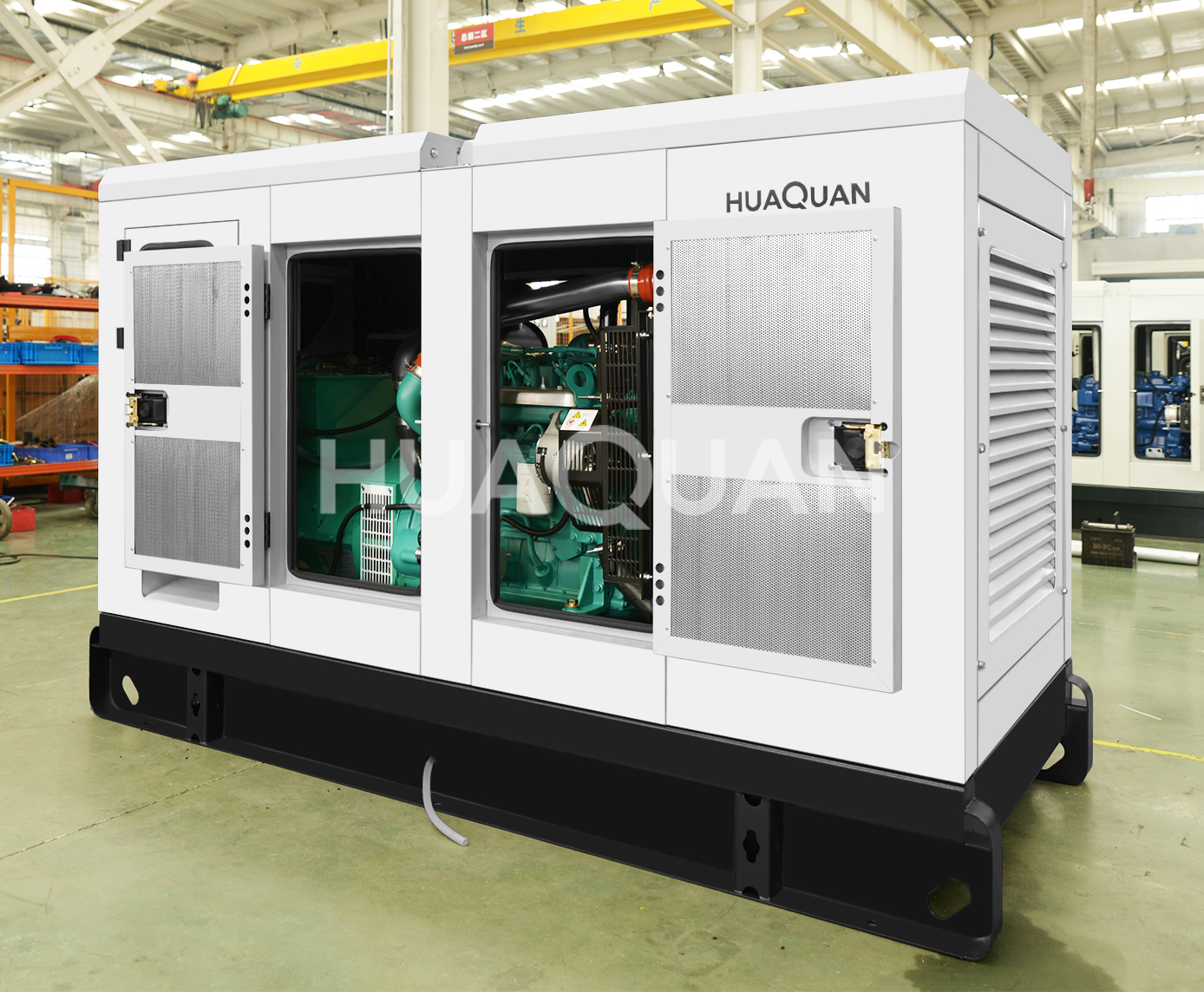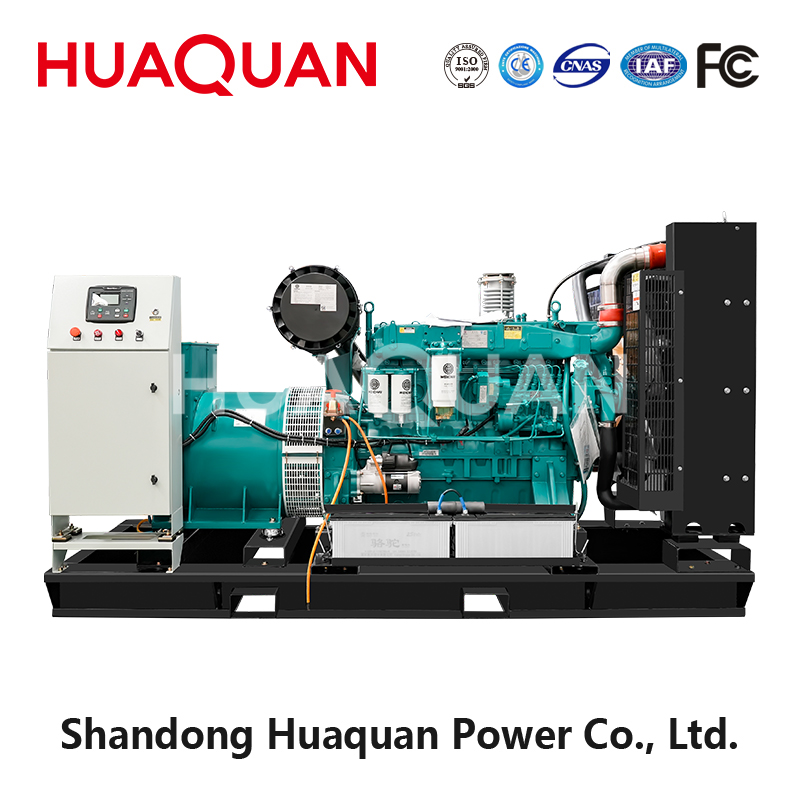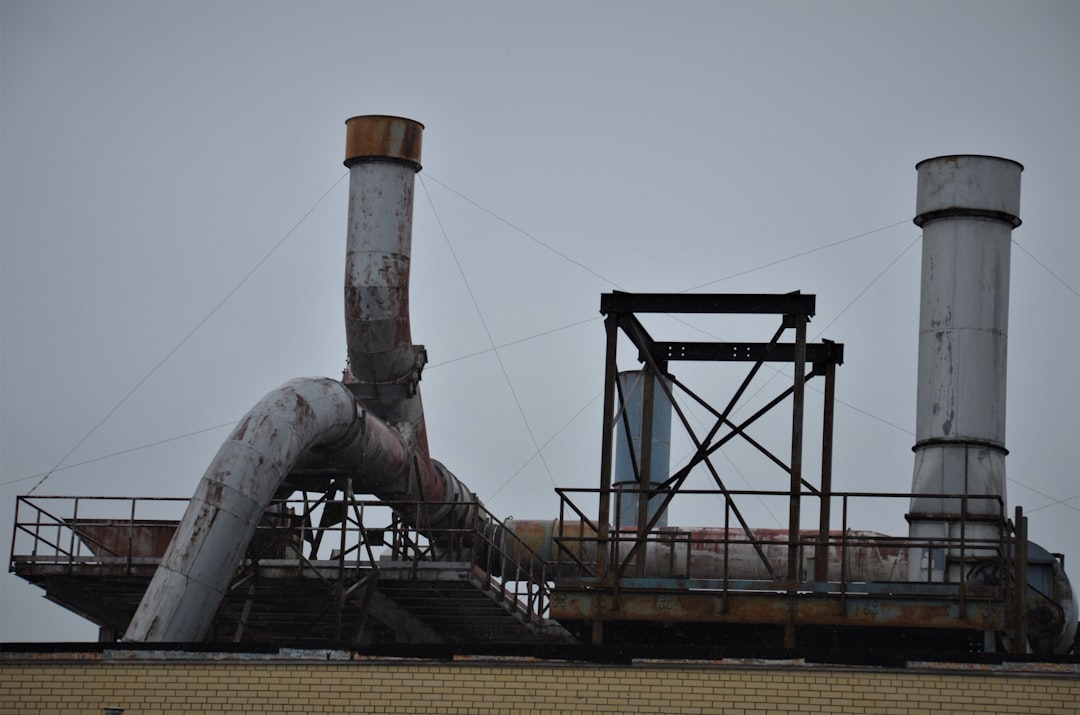
The recommended exhaust pipe diameter for Gerador Diesel installations ensures proper exhaust gas flow while maintaining back pressure within engine manufacturer limits. A Huaquan Power compilou este guia cobrindo os princípios de dimensionamento do tubo de escape, padrões de instalação, e erros comuns de projeto para operação segura e eficiente do gerador.
Why Does Exhaust Pipe Diameter Matter for Diesel Geradores?
Exhaust pipe diameter directly determines the flow capacity and back pressure characteristics of the entire exhaust system. Além disso, undersized pipes create excessive back pressure that reduces engine power output and increases fuel consumption. Especificamente, Huaquan Engenharia de Energia teams calculate exhaust pipe sizes for each installation based on engine displacement, potência nominal, e Exhaust Gas temperatura. Adicionalmente, oversized pipes waste material and can cause condensation problems during low-load operation.
Back Pressure Limits and Consequences
Every diesel engine has a maximum allowable exhaust back pressure specification, tipicamente 75-100 mbar for turbocharged engines. Além disso, exceeding this limit causes incomplete combustion, elevated exhaust temperatures, and reduced engine life. Portanto, Huaquan Power designs exhaust systems that maintain back pressure well below the engine’s rated limit, even with long pipe runs and multiple elbows. Além disso, each 25 mbar of excess back pressure typically reduces engine power output by approximately 1-2%.
| Faixa de potência do motor | Max Back Pressure (mbar) | Power Loss per 25 mbar Over | Risk Level When Exceeded |
|---|---|---|---|
| 20-100 kW | 75-100 | 1.5-2.5% | Superaquecimento, fumaça |
| 100-500 kW | 50-75 | 1.0-2.0% | Turbo damage, fuel penalty |
| 500-1000 kW | 50-75 | 0.8-1.5% | Reduced efficiency, vestir |
| 1000+ kW | 40-60 | 0.5-1.0% | Performance degradation |
How Do You Calculate the Correct Exhaust Pipe Diameter?
Exhaust pipe sizing depends on exhaust gas volume flow rate, which derives from engine displacement, velocidade, e turbocompressor characteristics. Além disso, the calculation must account for gas expansion due to high exhaust temperatures, typically 400-600°C. Portanto, Huaquan Power uses engineering formulas that consider all these variables to specify the correct pipe diameter for each installation. Adicionalmente, the calculation must verify that gas velocity stays within the recommended range of 15-35 EM.
Standard Diameter Recommendations by Power
Industry standards provide baseline exhaust pipe diameters based on engine power output. Além disso, these recommendations assume typical pipe lengths under 10 meters with minimal elbows. Consequentemente, longer pipe runs or additional elbows may require increasing the pipe diameter by one size. Por exemplo, Huaquan Power provides detailed sizing tables that account for various pipe configurations and engine models.
| Energia do Gerador (kW) | Nominal Diameter (milímetros) | Nominal Diameter (inch) | Gas Velocity at Full Load |
|---|---|---|---|
| 20-50 | 80-100 | 3-4 | 18-25 EM |
| 50-150 | 100-150 | 4-6 | 20-28 EM |
| 150-300 | 150-200 | 6-8 | 22-30 EM |
| 300-600 | 200-250 | 8-10 | 20-30 EM |
| 600-1000 | 250-300 | 10-12 | 22-32 EM |
| 1000-2000 | 300-400 | 12-16 | 20-35 EM |
| 2000+ | 400-500 | 16-20 | 20-30 EM |
What Factors Modify the Required Exhaust Pipe Diameter?
Beyond the basic power-based sizing, several installation factors require diameter adjustments to maintain acceptable back pressure. Além disso, these factors compound, so a long pipe run with multiple elbows may require significant upsizing. Portanto, Huaquan Power engineers evaluate the complete exhaust system layout before finalizing pipe specifications. Adicionalmente, modifications after initial installation often prove expensive and disruptive.
Effects of Pipe Length and Fittings
Each meter of straight pipe adds a small amount of back pressure, while each elbow or bend adds significantly more. Além disso, the equivalent length of a 90-degree elbow equals 10-20 pipe diameters of straight pipe. Consequentemente, complex exhaust routing with multiple bends requires larger diameter pipes to compensate. Além disso, Huaquan Power recommends minimizing the number of elbows and using long-radius bends wherever possible.
| Fitting Type | Equivalent Length (pipe diameters) | Back Pressure Impact |
|---|---|---|
| Straight pipe per meter | 1 (actual) | Baixo |
| 90° standard elbow | 15-20 | Moderado |
| 90° long-radius elbow | 8-12 | Baixo-moderado |
| 45° elbow | 6-8 | Baixo |
| Tee branch | 40-60 | Alto |
| Reducer (expanding) | 5-10 | Baixo |
What Materials Are Recommended for Diesel Generator Exhaust Pipes?
Exhaust system materials must withstand high temperatures, thermal cycling, vibração, and corrosive exhaust gases. Além disso, material selection affects both initial cost and service life of the exhaust system. Portanto, Huaquan Power recommends specific material grades based on exhaust gas temperature and environmental conditions at the installation site. Adicionalmente, proper material selection prevents premature failure that could create safety hazards.
| Material | Max Service Temperature | Aplicação Típica | Expected Life |
|---|---|---|---|
| Carbon steel (Q235) | 450°C | Light duty, short runs | 5-8 anos |
| Galvanized steel | 400°C | Non-turbocharged engines | 5-10 anos |
| Stainless steel 304 | 750°C | Turbocharged engines | 15-25 anos |
| Stainless steel 316 | 800°C | Marine/corrosive environments | 20-30 anos |
| Aluminized steel | 550°C | Cost-effective compromise | 8-12 anos |
What Are Common Exhaust Pipe Installation Mistakes?
Exhaust system design and installation errors create performance problems, safety hazards, and code violations. Além disso, correcting these mistakes after installation often requires significant rework expense. Portanto, Huaquan Power provides comprehensive exhaust system design guidance to avoid these common pitfalls. Importante, exhaust system problems often manifest as engine performance issues that operators misattribute to the engine itself.
| Erro | Conseqüência | Prevenção |
|---|---|---|
| Undersized pipe diameter | High back pressure, perda de energia | Follow sizing calculations |
| Insufficient expansion joints | Pipe cracking from thermal stress | Install bellows every 6-8 metros |
| No condensate drain | Water accumulation, corrosão | Install drain at lowest point |
| Exhaust aimed at air intake | Fume recirculation into building | Direct away, check wind patterns |
| Missing rain cap | Water ingress when stopped | Install weather cap or gooseneck |
| Rigid connection to engine | Vibration damage to pipe and engine | Use flexible connector at engine outlet |
Perguntas frequentes
1º trimestre: What happens if my exhaust pipe is too small?
A1: An undersized exhaust pipe creates excessive back pressure, which reduces engine power, increases fuel consumption, and raises exhaust gas temperature. Além disso, sustained operation with high back pressure accelerates turbocharger wear and can cause engine overheating. Portanto, Huaquan Power always verifies exhaust pipe sizing against engine specifications during installation design.
2º trimestre: Can I reduce the exhaust pipe diameter after a long straight run?
A2: Não, you should never reduce exhaust pipe diameter in the direction of flow as this creates a restriction that increases back pressure. Adicionalmente, the system should maintain or increase diameter along the flow path. Portanto, Huaquan Power designs exhaust systems with consistent or gradually increasing pipe diameters from engine outlet to termination point.
3º trimestre: How many elbows can I have in my exhaust system?
A3: Idealmente, limit the total to no more than 3-4 elbows in the entire exhaust system. Além disso, each elbow adds significant back pressure, so use long-radius bends instead of standard elbows when possible. Adicionalmente, Huaquan Power recommends upsizing the pipe by one diameter for systems with more than 4 elbows to compensate for the additional restriction.
4º trimestre: Do I need insulation on my exhaust pipe?
A4: Sim, exhaust pipe insulation serves two critical purposes: reducing heat radiation into the generator room and maintaining exhaust gas temperature to prevent condensation inside the pipe. Além disso, uninsulated pipes can raise room temperature significantly, affecting generator cooling performance. Portanto, Huaquan Power recommends insulating all exhaust piping with at least 50mm of mineral wool and aluminum cladding.
Q5: How do I measure exhaust back pressure on my generator?
A5: Install a pressure tap in the exhaust pipe within 300mm of the engine turbocharger outlet and connect a manometer or pressure gauge. Além disso, measure back pressure with the generator at full rated load for the most accurate reading. Adicionalmente, Huaquan Power technicians perform back pressure measurement during commissioning and recommend periodic rechecks during major service intervals.
Recomendações de energia Huaquan: Always calculate exhaust pipe diameter based on engine specifications, pipe length, and number of fittings. Adicionalmente, use stainless steel piping for turbocharged engines to ensure long service life. Além disso, include flexible connectors, expansion joints, and condensate drains in every exhaust system design. Entre em contato com a Huaquan Power em +86-159-0536-0210 or visit huaquanpower.net for professional exhaust system design and installation services.