Introdução
Para manter um desempenho estável e confiável de geradores a diesel, você deve saber a diferença entre controle eletrônico de velocidade e controle mecânico de velocidade. A estabilidade da frequência e a potência dependem diretamente velocidade do motor, e os sistemas de controle de velocidade regulam ativamente essa velocidade. Portanto, este guia explica as principais características, pontos fortes, e pontos fracos de ambos os sistemas para que você possa fazer a escolha correta.
Conheça a razão por trás do controle de velocidade no diesel Geradores.
Sistemas de controle de velocidade garantir que a rotação do motor permaneça constante em diferentes condições de carga. Como resultado, a velocidade constante do motor garante uma saída de frequência estável, o que é vital para equipamentos sensíveis.
Qualquer mudança na velocidade pode levar à instabilidade na tensão e na frequência. Isso pode causar falhas ou danos ao equipamento. O controle de velocidade adequado garante a operação eficiente do gerador e melhora a confiabilidade a longo prazo.
Conheça os princípios básicos do controle mecânico de velocidade
Primeiro, sistemas mecânicos de controle de velocidade use elementos físicos como molas, peso mosca, e ligações. Esses sistemas variam o fornecimento de combustível de acordo com as mudanças na rotação do motor. À medida que a velocidade do motor aumenta, a força centrífuga empurra os flyweights para fora, o que reduz o fornecimento de combustível.
Com uma velocidade menor, a oferta de combustível também é aumentada. É um mecanismo simples e ajuda a manter a rotação do motor. Governadores mecânicos são mais comuns em geradores a diesel convencionais, pois são simples e duráveis.
Entenda os fundamentos do controle eletrônico de velocidade.
Por outro lado, uso de sistemas eletrônicos de controle de velocidade sensores, controladores, e atuadores para regular velocidade do motor. Esses sistemas monitoram continuamente a velocidade do motor, e regular eletronicamente o fluxo de combustível.
Governadores eletrônicos usam algoritmos de controle avançados para garantir velocidade precisa.
Eles reagem rapidamente às variações de carga e proporcionam controle de velocidade adequado. Os geradores modernos são geralmente equipados com controle eletrônico de velocidade para maximizar o desempenho e a eficiência..
Comparação de precisão de controle de velocidade.
A precisão é um dos mais importantes na comparação dos sistemas de controle de velocidade. Em geral, sistemas mecânicos de controle de velocidade fornecem precisão moderada. Sob variações bruscas de carga, variações de velocidade podem ocorrer. Em contraste, sistemas eletrônicos de controle de velocidade oferecem precisão muito alta. Eles são capazes de manter velocidade constante com pouca variação. Isto os torna aplicáveis em aplicações onde o controle de frequência é crítico.
Resposta de teste à mudança na carga.
Em operações reais, variação de carga comumente ocorre em geradores. No entanto, sistemas mecânicos são lentos para reagir a mudanças abruptas na carga. Esse atraso pode levar à diminuição temporária da velocidade ou ultrapassagem.
Como resultado, os sistemas eletrônicos respondem rapidamente porque operam em tempo real. Eles também controlam o fornecimento de combustível de forma dinâmica e mantêm o desempenho. A resposta rápida melhora a estabilidade dos geradores e protege os equipamentos conectados a ele.
Compare o desempenho de estabilidade
Estabilidade refere-se à capacidade do gerador de manter velocidade e frequência constantes. Com governadores mecânicos as aplicações simples são satisfatórias. No entanto, sob condições de carga dinâmica, pode haver variação. Governadores eletrônicos são mais estáveis. Você também pode usá-los em funções críticas porque mantêm velocidade constante sob cargas variadas.
Avalie a eficiência do combustível
Adicionalmente, a eficiência de combustível é um fator importante na operação de geradores. Os sistemas mecânicos de controle de velocidade podem consumir mais combustível em condições variadas. O consumo de combustível pode aumentar sob as condições variáveis.
Os sistemas eletrônicos de controle de velocidade maximizam a injeção de combustível com base na demanda de carga. Isso melhora a eficiência do combustível e reduz o custo operacional. A gestão adequada dos combustíveis melhora a funcionalidade dos geradores.
Avalie os requisitos de manutenção
Os requisitos de manutenção dos dois sistemas diferem. Você deve verificar regularmente as peças móveis, como molas e ligações em sistemas mecânicos. O desgaste pode influenciar o desempenho.
Os sistemas eletrônicos têm menos componentes móveis, mas precisam de técnicos experientes para solucionar problemas. Equipamento de diagnóstico especial pode ser necessário para trabalhar com eletrônicos. Ambos os sistemas são confiáveis a longo prazo durante a manutenção.
Verifique a complexidade do sistema
Os sistemas de controle de velocidade que usam projetos mecânicos são simples. Eles são simples de compreender e corrigir. Os sistemas de controle de velocidade eletrônicos são mais complicados. Eles consistem em sensores, unidades de controle e fiação. Embora a complexidade melhore o desempenho, pode tornar a manutenção mais desafiadora.
Comparar confiabilidade
A confiabilidade é o mais importante em aplicações de geradores. Na maioria dos casos, sistemas mecânicos são altamente confiáveis porque não são complicados. Eles operam sob condições severas e têm pouca possibilidade de falha. Embora os sistemas eletrônicos sejam confiáveis, eles podem ser afetados por condições ambientais como umidade e temperatura. A proteção e a manutenção eficazes aumentam a confiabilidade dos sistemas eletrônicos.
Avalie considerações de custo
Um dos fatores importantes na escolha de um sistema de controle de velocidade é o custo. Sistemas mecânicos de controle de velocidade são mais baratos para começar. Eles são econômicos para aplicações básicas. No entanto, sistemas eletrônicos de controle de velocidade custam mais para instalar porque usam componentes complexos. Eles são mais eficientes e eficazes, no entanto. Os custos a longo prazo devem incluir manutenção e poupança de combustível.
Determinar a adequação às aplicações.
Diferentes aplicações têm diferentes requisitos de desempenho.
O controle mecânico de velocidade é apropriado em:
- Pequenos geradores
- Uso industrial básico
- Aplicações não críticas
O controle de velocidade pode ser feito eletronicamente em:
- Centros de dados
- Hospitais
- Equipamento sensível
- Sistemas de operação contínua
Portanto, você deve selecionar o sistema com base em suas necessidades operacionais.
Verifique a adaptabilidade ambiental
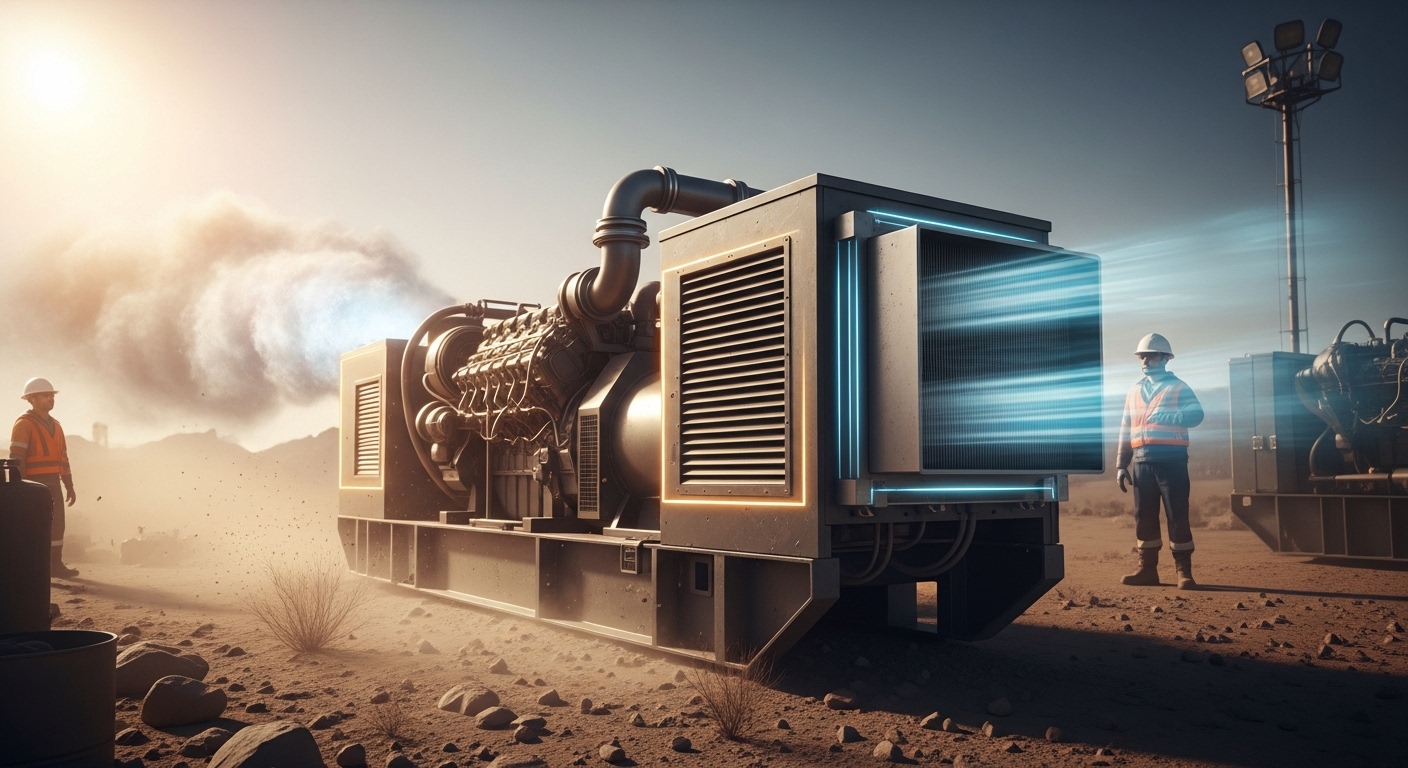
Os geradores são frequentemente usados em ambientes árduos. Pó, mudanças na umidade e temperatura não são sensíveis a sistemas mecânicos. Portanto, você deve proteger os sistemas eletrônicos cuidadosamente contra fatores ambientais. Para promover durabilidade, isolamento e invólucros são empregados. A adequação ambiental garante uma operação estável.
Avalie o impacto do ruído e da vibração
A suavidade do motor pode ser influenciada por sistemas de controle de velocidade. Resposta mais lenta pode resultar em mais vibração em sistemas mecânicos. Como resultado, os sistemas eletrônicos operam mais suavemente porque mantêm velocidade constante. Isso minimiza a vibração e melhora o desempenho. A vibração reduzida é um fator que prolonga a vida útil do equipamento.
Compare instalação e configuração.
Os sistemas mecânicos são simples de instalar e têm uma configuração mínima. Além disso, os técnicos devem ajustar e sintonizar adequadamente os sistemas eletrônicos. É necessária uma boa configuração para executar. A seleção deve levar em conta a complexidade da instalação.
Avalie a flexibilidade de controle
Além disso, sistemas eletrônicos são mais controláveis. Parâmetros como velocidade, a taxa de resposta e o manuseio da carga podem ser ajustados usando reguladores eletrônicos. Os mecanismos não podem ser obrigados a mudar. Os operadores realizam ajustes manuais quando necessário. A adaptabilidade a diversas aplicações é aprimorada pelo controle flexível.
Verifique os recursos de segurança
O aspecto de maior preocupação na operação de geradores é a segurança. A segurança básica dos sistemas mecânicos é a operação simples. Além disso, os sistemas eletrônicos incluem recursos avançados de segurança, como detecção automática de falhas, alarmes, e sistemas de desligamento. Equipamentos de proteção e operadores são aprimorados em segurança.
Avalie o desempenho a longo prazo
Durabilidade e manutenção são importantes para o desempenho a longo prazo. Os sistemas mecânicos podem estar sujeitos a desgaste ao longo do tempo e, portanto, afetar a precisão. Pode-se confiar que os sistemas eletrônicos funcionarão quando bem mantidos. Portanto, a manutenção regular garante eficiência a longo prazo.
Escolha no requisito operacional.
Eles serão selecionados de acordo com determinados requisitos.
Em aplicações simples e de baixo custo:
- Controle mecânico de velocidade
Em processos de alta precisão que são sensíveis:
- Controle eletrônico de velocidade
A escolha do sistema adequado garantirá um ótimo desempenho.
Importância da manutenção regular
Os dois sistemas requerem manutenção para torná-los funcionais. Você pode manter o sistema através de inspeção regular, limpeza, e manutenção. A manutenção minimiza as chances de falhas e prolonga a vida útil dos equipamentos. Um bom planejamento de manutenção melhora o desempenho dos geradores.
Treinar pessoal de manutenção
Os sistemas geradores contam com técnicos qualificados que trabalham neles. Os sistemas mecânicos e eletrônicos de controle de velocidade devem estar familiarizados com os funcionários. Você deve fornecer treinamento adequado para solução de problemas e manutenção. Pessoal qualificado aumenta a confiabilidade e a segurança.
Mantenha registros de desempenho
O monitoramento de desempenho ajuda a monitorar a eficiência do sistema.
Registros importantes incluem:
- Horário de funcionamento
- Consumo de combustível
- Atividades de manutenção
- Desempenho do sistema
Registros bem mantidos ajudam a melhorar o planejamento de manutenção.
Siga os procedimentos de segurança
A segurança deve ser levada em consideração. Garantir o trabalho e cumprir as regras de trabalho. Acidentes e danos aos equipamentos são evitados através de práticas de segurança adequadas. A confiabilidade a longo prazo é garantida pela operação segura. Práticas de segurança adequadas evitam acidentes e danos ao equipamento.
Conclusão
Controle eletrônico de velocidade Vs. controle mecânico de velocidade Para escolher o sistema mais estável, você deve estar ciente da diferença entre o controle eletrônico de velocidade e controle mecânico de velocidade. Os sistemas mecânicos são simples, e são confiáveis e baratos para uso em trabalhos de natureza simples.
Sistemas eletrônicos são mais eficazes, confiável e preciso. Em última análise, você deve escolher o sistema de controle de velocidade apropriado com base nas necessidades da aplicação, custo, e considerações de desempenho. O uso correto e a manutenção adequada dos geradores também aumentam sua confiabilidade e eficiência.
Perguntas frequentes
Qual é a principal diferença entre controle de velocidade eletrônico e mecânico?
Os sensores e controladores eletrônicos usados são para controlar o sistema eletrônico com precisão, ao contrário dos sistemas mecânicos, que são feitos de peças físicas.
Qual dos dois sistemas de controle de velocidade é mais estável?
O controle eletrônico é mais estável no controle de velocidade, proporcionando resposta e controle mais rápidos.
Os governadores mecânicos ainda são?
Sim. Eles encontram aplicações em aplicações de baixo custo e baixo custo.
O controle eletrônico de velocidade é mais caro?
Sim. É mais caro começar e seu desempenho e eficiência são altos.
Qual sistema aplicar em equipamentos sensíveis?
O controle eletrônico de velocidade seria mais adequado porque a frequência e a saída de tensão são constantes.
Sobre Huaquan Power
A solução profissional de gerador a diesel para usuários industriais e comerciais está sendo proposta pela Huaquan Power. Você pode escolher entre grupos geradores confiáveis, sistemas de energia personalizados e suporte técnico completo.
Visita: huaquanpower.net
Você poderá conhecer mais produtos e opções de serviços que podem ser fornecidos com base nas necessidades do seu sistema de energia..