Introdução
Power generation is a necessary phenomenon if you are working closely with the grid or in remote places. Assistência médica, centros de dados, mining industries, and manufacturing sectors require non-stop energy generation. No entanto, it is your choice to choose centralized vs distributed power generation.
Hoje, we will compare the centralized power generation process with the distributed process and understand the whole process. Let’s know!!
What is Power Generation?
Power generation is a process of converting any type of fuel into electrical energy. The fuel or energy generation systems can be the following:
- Coal
- Gás natural
- Nuclear energy
- Hydroelectric power
- Solar photovoltaic (VP) sistemas
- Wind turbines
- Biomass
- Geothermal energy
- Diesel Geradores
- Fuel cells
No entanto, the power generation process is different. It can be produced and managed through the centralized networks or can be derived from the local production system.
What is Centralized Power Generation?
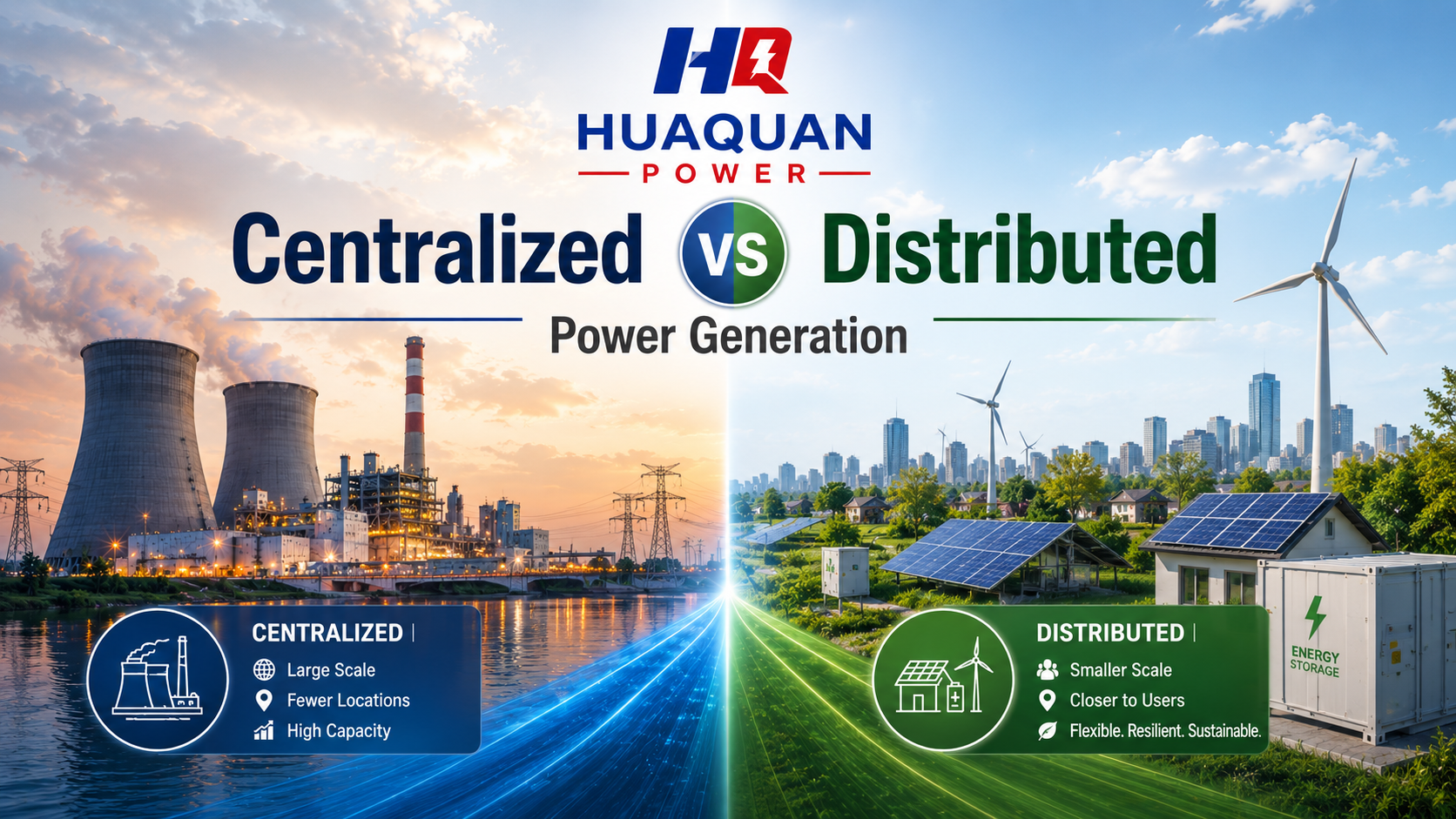
Centralized power generation is a process of electrical energy production with different sources within a production plant.
In the centralized power plant, the energy production occurs in the remote power plants, como:
- Coal-fired power plants
- Natural gas combined-cycle plants
- Nuclear power stations
- Large hydroelectric dams
- Utility-scale thermal power plants
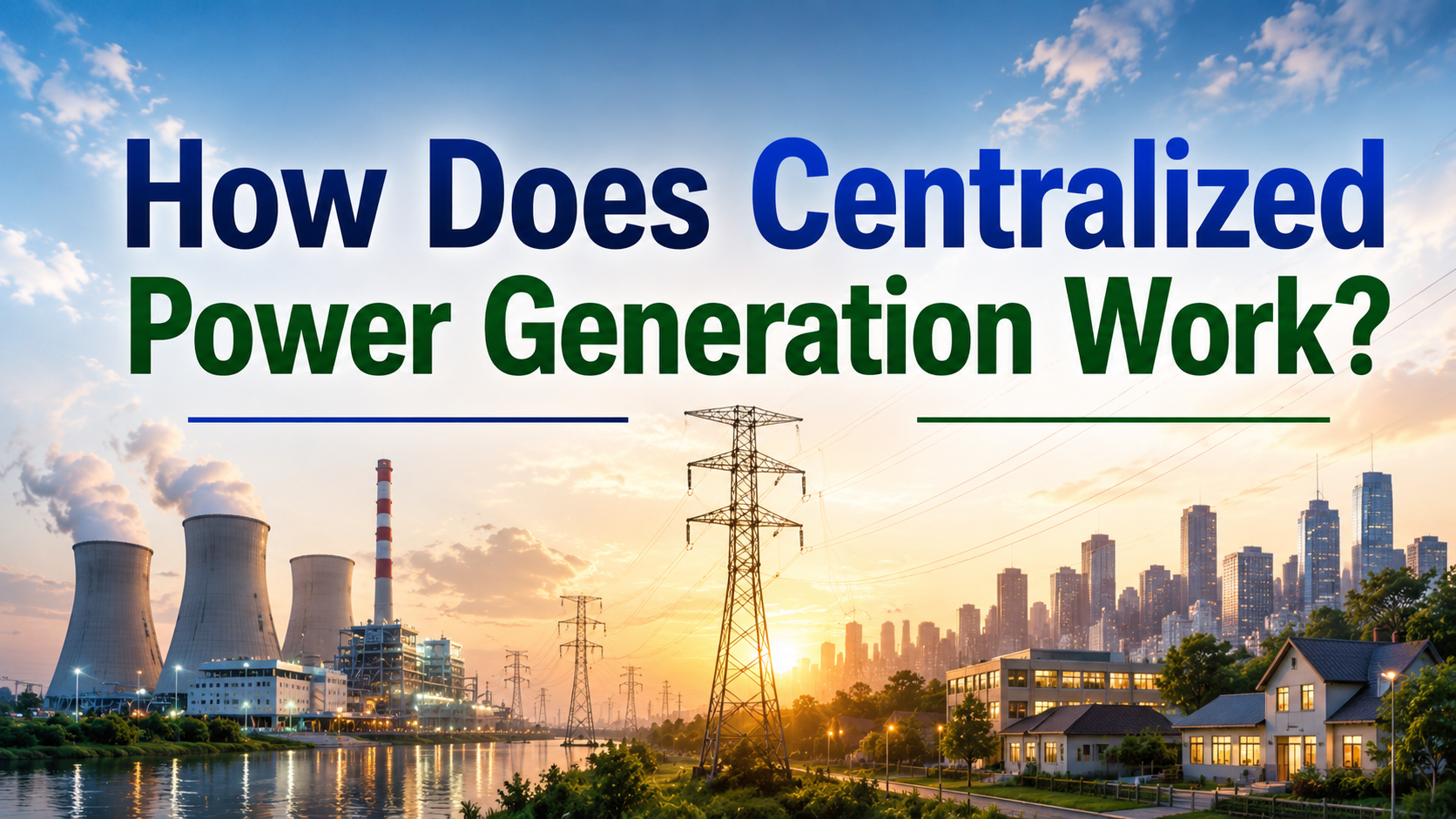
With a distribution network, the energy is brought through the power lines to the remote areas. You can find examples of utility grids offering energy to your Lar or commercial sectors through these networks.
How Does Centralized Power Generation Work?
If you are looking for centralized power generation, the power-producing and distribution occur in the following simple steps.
Etapa 1: Electricity Generation
The very first step is electrical energy generation. Do you know how it occurs? It depends on the fuel consumption. The following fuel types are often used for energy consumption.
- Burning fossil fuels
- Nuclear fission
- Hydroelectric turbines
- Steam turbines
- Gas turbines
Burning of these fuel types produces energy.
Etapa 2: Voltage Transformation
The voltage of the energy produced is never high enough and is not suitable for transmission. Então, step-up transformers come into action and elevate the overall voltage.
Once the voltage is high and suitable for transmission, there are a few more steps to know.
Etapa 3: High-Voltage Transmission
A high-voltage transmission occurs through the power lines and distribution networks. Tipicamente, the voltage can be:
- 132 kV
- 220 kV
- 400 kV
- 500 kV
- Higher in some countries
The power losses occur during this high-voltage energy transmission through the power lines.
Etapa 4: Distribution
Distribution of the produced energy occurs to:
- Casas
- Edifícios comerciais
- Industries
- Schools
- Hospitais
But there is a problem. Home or commercial appliances can’t support 132kV or higher voltage. They require 220V or 440V depending on the configuration. In such a case, step-down transformers come into play. They locally decrease the voltage and transmit it to the home.
Etapa 5: End Users
Whatever tasks you want to do, energy consumption occurs through consumer usage. You might use the deep freezers or the ice cream machine for chilling or handling other necessary tasks at your commercial setup.
What is Distributed Power Generation?
Distributed Power generation is the localized production of energy and its consumption through different appliances. Instead of the installation of large networks or power plants, distributed power generation offers local production through different systems, como:
- Solar photovoltaic systems
- Wind turbines
- Battery energy storage
- Geradores de gás natural
- Geradores a diesel
- Calor e energia combinados (cogeração) sistemas
- Fuel cells
- Small hydroelectric systems
Since the energy is produced and consumed locally, there are little or no chances of power losses at all.
How Does Distributed Power Generation Work?
If you want to understand distributed power generation, there are a few necessary steps here.
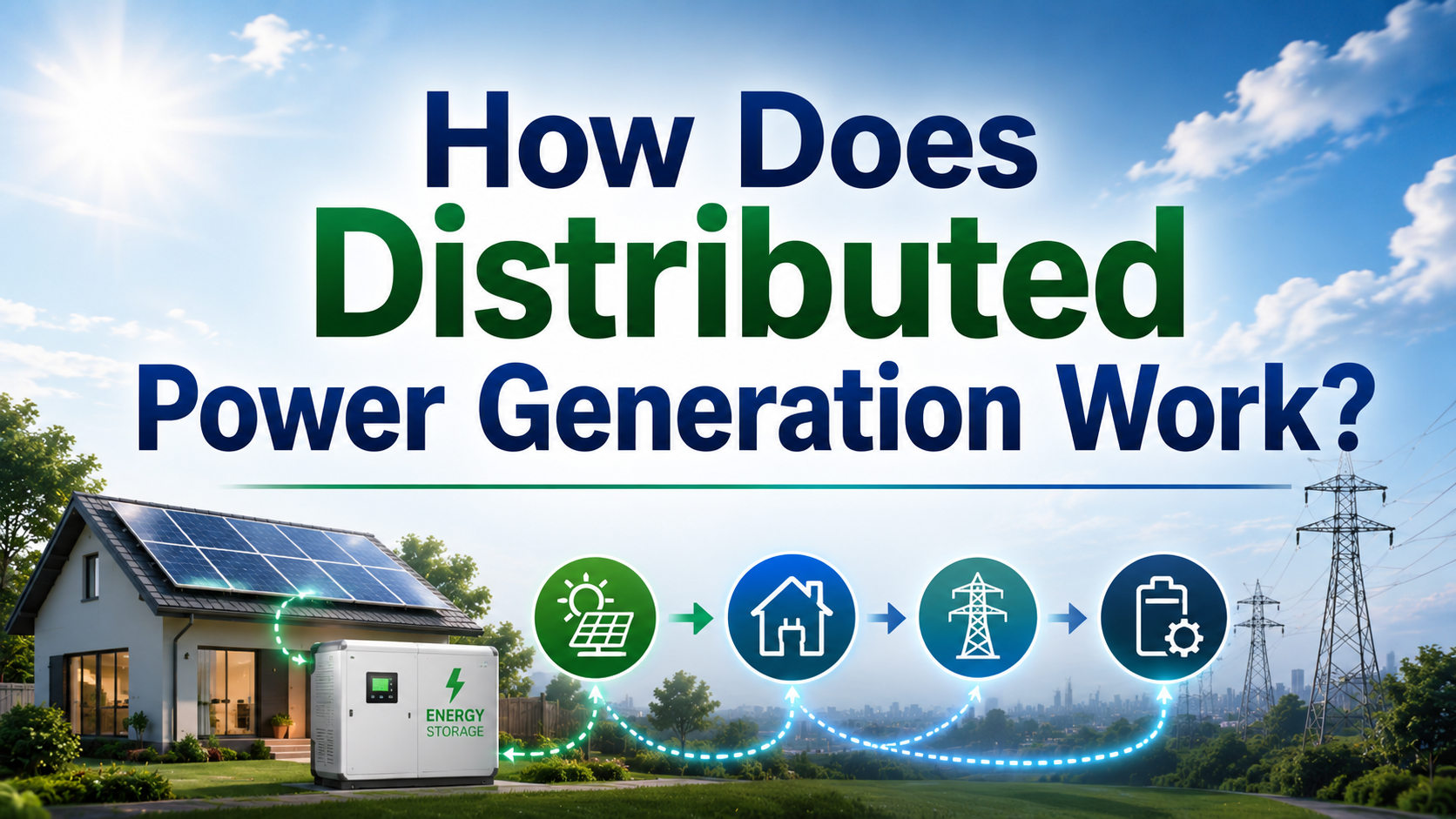
Etapa 1: Local Electricity Production
Local energy production occurs through various steps. One of the most common sources is:
- Solar Energy system. It has a future and a high adoption rate in recent years.
- Hydropower. It is less common and produces energy through water.
Na maioria das vezes, solar systems help generate more energy and produce more electricity during the daytime or peak sunlight. Além disso, they help store energy in batteries.
Etapa 2: Local Consumption
Once the solar panels have generated energy, it is not useful for appliances. Inverters help convert the DC into AC power.
Local consumption occurs when the energy is fed to the appliances.
Etapa 3: Grid Interaction
Grid interaction is never always. Depende da situação. Por exemplo:
- It is a cloudy day.
- Solar panels don’t generate sufficient energy.
In such a case, grid interaction helps provide the excessive energy required. When there is sufficient energy generation, most systems stop drawing energy from the grids.
Etapa 4: Intelligent Energy Management
Intelligent Energy Management is a crucial system that helps:
- Optimize the energy production and storage through the batteries.
- Increase energy efficiency by providing for the critical loads.
- Improve the energy backup supply system.
Intelligent energy management is a smart system available with most of the systems nowadays!!
Centralized vs Distributed Power Generation: Ultimate Differences
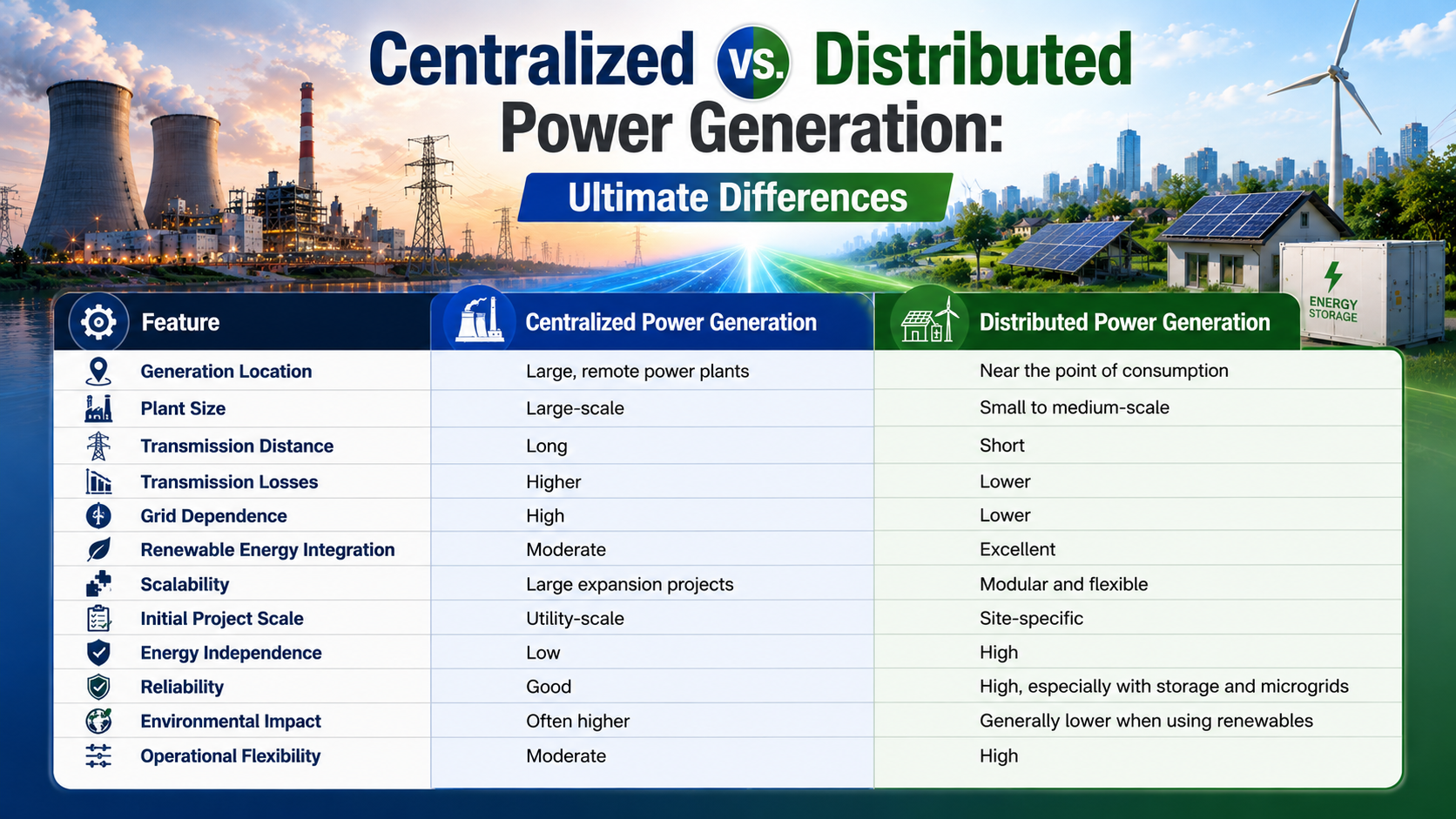
Centralized vs. distributed power generation systems have the following differences.
| Recurso | Centralized Power Generation | Distributed Power Generation |
| Generation Location | Grande, remote power plants | Near the point of consumption |
| Plant Size | Large-scale | Small to medium-scale |
| Transmission Distance | Long | Short |
| Transmission Losses | Mais alto | Mais baixo |
| Grid Dependence | Alto | Mais baixo |
| Renewable Energy Integration | Moderado | Excelente |
| Escalabilidade | Large expansion projects | Modular and flexible |
| Initial Project Scale | Utility-scale | Site-specific |
| Energy Independence | Baixo | Alto |
| Confiabilidade | Bom | Alto, especially with storage and microgrids |
| Impacto Ambiental | Often higher | Generally lower when using renewables |
| Operational Flexibility | Moderado | Alto |
Location of Power Generation
Location matters as the power distribution over thousands of miles causes the power losses.
Centralized Power Generation
Centralized power generation doesn’t occur locally as distributed networks do. It occurs through the power plants hundreds of miles away. Transmission lines transmit the power to your house or factory.
Distributed Power Generation
Por outro lado, distributed power generation occurs locally. Solar panels generate power, and generators provide the backup supply. There is no need for the power losses.
Transmission Requirements
Transmission can occur hundreds of miles away, depending on the system.
Centralized Power Generation
Centralized power generation is miles away from the local grid setup. Portanto, it needs a well-established power transmission system, como:
- High-voltage transmission lines
- Multiple substations
- Extensive distribution networks
Distributed Power Generation
Distributed networks don’t need such a generation as production and consumption occur within hundreds of feet or meters.
Generation Capacity
Generation capacity refers to the energy production power among centralized and distributed power generation.
Centralized Power Generation
Centralized power generation systems are pretty high capacity. They generate higher power to supply even a whole city or state.
Distributed Power Generation
Distributed networks have a simple goal. They power the local factory or home. Portanto, they have lower production capacity.
Energy Efficiency
Energy efficiency means the energy consumption and utilization without much loss. Let’s know which is better at it.
Centralized Power Generation
A centralized system has good efficiency but experiences power losses during the power transmission. They don’t have energy management systems.
Distributed Power Generation
Em contraste, distributed power generation features smart energy management. Além disso, it doesn’t experience power losses due to local production. Portanto, it is far more efficient than the centralized energy setup.
Confiabilidade
Reliability refers to the consistent energy supply, especially during natural disasters.
Centralized Power Generation
Centralized power generation experiences a major setback due to natural disasters. Portanto, it is not very reliable in the outage cases and can shut down the whole city’s electrical supply.
Distributed Power Generation
Comparado a isso, distribution power generation systems are highly reliable because of multiple points of energy. Primeiro, solar panels help generate energy, then batteries, and finally generators power up the system.
Escalabilidade
Do you want to expand your system? It is pretty common when you have increasing demands.
Centralized Power Generation
Centralized power generation is not a flexible system. They don’t allow the expansion of the system. To increase the capacity, you must install a new power plant.
Distributed Power Generation
Por outro lado, distributed energy resources are pretty flexible and scalable. Por exemplo, you can add more:
- Solar panels
- Baterias
- Wind turbines
- Backup generators
Impacto Ambiental
Environmental Impact varies from one energy generation system to another. Let’s know it in detail.
Centralized Power Generation
Centralized power generation systems are never eco-friendly sources. They leave heavy carbon footprints if they don’t generate energy through renewable sources.
Distributed Power Generation
Distributed power networks are highly renewable energy sources. They can power the system and provide a seamless energy production without impacting the environment.
Grid Management
Grid management is different in both systems.
Centralized Power Generation
Centralized power generation systems provide the energy through the grid setup. They transfer energy to the grid and then through the grid to the end users.
Distributed Power Generation
Distributed energy networks communicate with the grid regarding energy but don’t rely fully on it.
Initial Infrastructure Cost
Infrastructure costs can be high or very high.
Centralized Power Generation
Centralized power generation has very high production costs due to expensive power plants. They require several machines and a comprehensive setup.
Distributed Power Generation
Distributed Power generation systems are also expensive, but not more than the centralized systems.
Energy Independence
Are you looking for energy independence? Then consider the right option among these.
Centralized Power Generation
Centralized power generation also matters in this case. It provides seamless energy but doesn’t offer energy independence.
Distributed Power Generation
Distributed power generation systems offer energy independence through local production and consumption. They can work without grid support.
Centralized vs Distributed Power Generation: Which One to Choose?
If you are confused between centralized and distributed power generation, we have made it straightforward. Choose centralized power generation when your needs are:
- Large-scale electricity production.
- Well-developed existing transmission infrastructure.
- Continuous baseload generation.
- Utility-scale operation is the primary objective.
Distributed Energy production is useful in the following cases.
- Local energy reliability is a necessary choice.
- Renewable energy integration.
- Reducing transmission losses is important.
- Energy independence is a goal.
Perguntas frequentes
- What are common examples of distributed power generation?
Distributed power generation has several tools installed for energy production, such as rooftop solar panels, community solar farms, wind turbines, combined heat and power (cogeração) sistemas, fuel cells, battery energy storage systems, and backup generators.
- Does distributed power generation replace centralized power plants?
Sim, if you are powering your whole house or an industrial setup, a distributed energy network is sufficient. It should have a solar system, baterias, and backup generators to keep the system on for several hours.
- Which system is more reliable?
Depende da situação. No entanto, for residential and commercial sectors, distributed energy sources are becoming the primary choice because of independent energy generation and supply.
- Why do centralized power systems experience transmission losses?
When you transfer the energy over hundreds of miles, the power transmission causes power losses. Portanto, centralized power generation experiences losses during transmission.
- Why is distributed power generation becoming more popular?
A distributed power system offers local production, less power loss, and a more stable supply. Além disso, it is energy independence that attracts people most!!
- Is centralized power generation still important?
Sim, 100%. Large power plants are still the number one source of energy distribution throughout the world. They provide the energy through the utility grids and offer better energy support.
- Which industries benefit the most from distributed power generation?
There are many industries that use distributed power generation. These are healthcare, fabricação, centros de dados, education, agricultura, telecomunicações, aeroportos, military facilities, and remote communities.
- Can distributed power generation operate during a grid outage?
Sim. Distributed power generation is an independent energy source when it is added to a backup supply. During a grid outage, batteries and generator systems help it run the whole night.
Conclusão
Distributed power generation offers local energy production and consumption. There are very few chances of power losses. But choose it when you have a higher budget to invest in the expensive power system. Centralized power generation is a large-scale power generation and is useful when your energy needs are pretty high.
If you are looking for a distributed power generation, generators are the ultimate choice. Poder Huaquan offers high-efficiency generator systems and provides a seamless energy generation. They offer affordable prices for the generators. Know their collection right away!