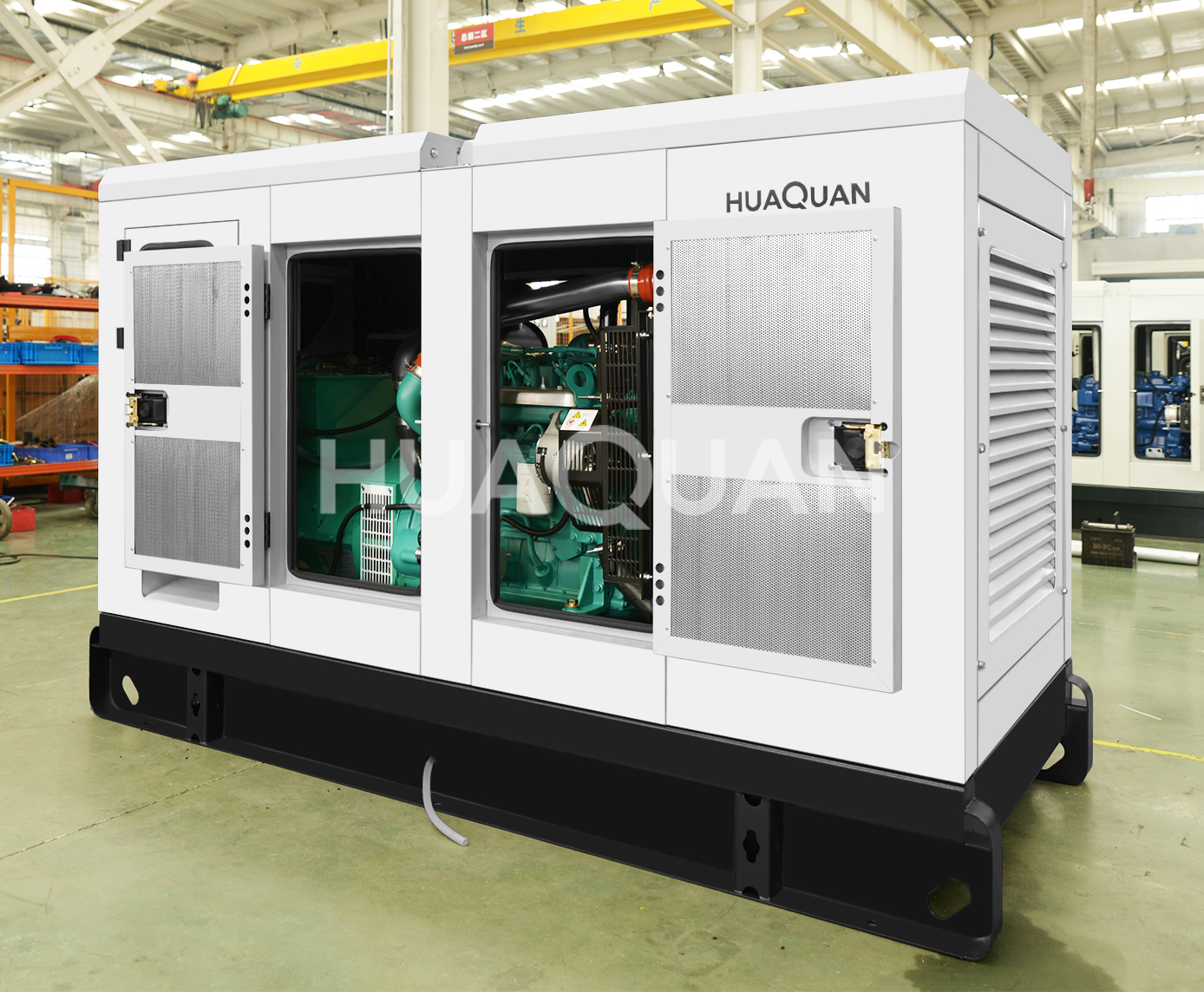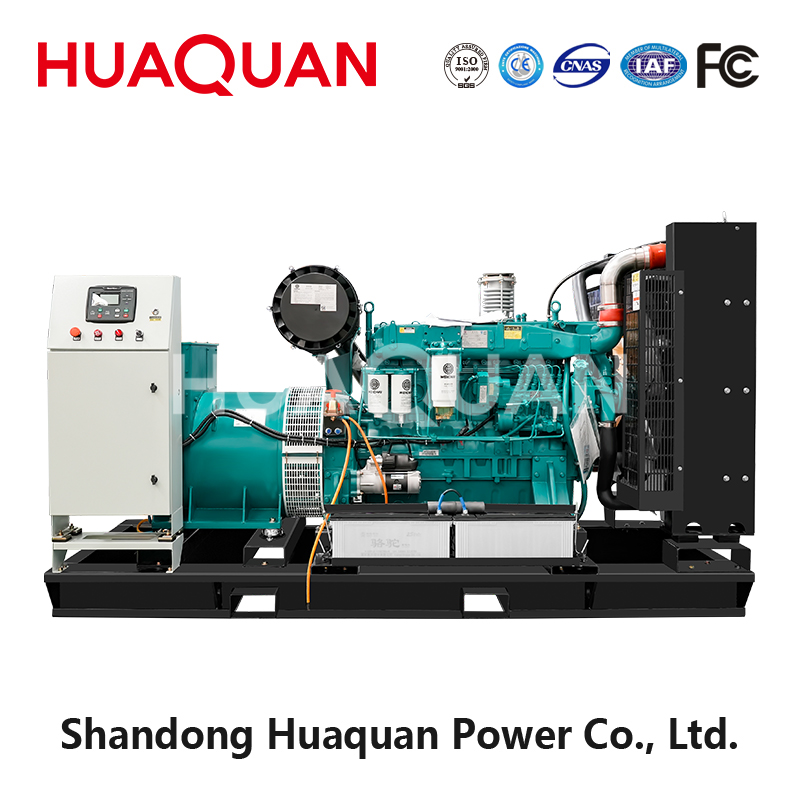
Дизель генератор генератор обмотко-влакын шокшо рейтингышт могай да молан тиде кӱлешан?
Генератор обмотко-влакын тепловой рейтингышт рашемда, мыняр электричестве куатым генератор лӱдыкшыдымӧ йӧн дене ыштен кертеш, тудын изолироватлымаш системыжым локтылде але обмотко проводник ден рӱдӧ материал-влакын температур чекыштым эртыде. Huaquan Power manufactures diesel generator sets with alternators designed to specific thermal class ratings that directly affect the generator’s continuous power capability, short-term overload capacity, and expected service life under various operating conditions. Садлан, understanding thermal ratings helps operators maximize generator output while maintaining safe operating temperatures that protect the insulation system from premature aging, thermal degradation, and unexpected failure that causes costly unplanned outages.
IEC Insulation Classes and Temperature Limits
International standards define insulation class designations based on the maximum allowable total temperature that the insulation material can withstand during continuous operation without significant degradation. Лӱмын ыштыме, IEC 60034-1 and IEC 60085 establish the standard temperature limits for insulation classes A, Б, Е, F, and H that manufacturers must follow when designing alternator winding systems. Each class defines a maximum total temperature that includes the sum of the standard ambient temperature basis, the allowable temperature rise due to electrical losses during operation, and a hot-spot temperature margin that accounts for localized temperature variations within the winding. Huaquan Power alternators typically use Class F or Class H insulation systems to provide adequate thermal margin for demanding operating conditions.
| Изоляций класс | Maximum Total Temperature | Ambient Temperature Basis | Allowable Temperature Rise | Hot-Spot Margin |
|---|---|---|---|---|
| А класс | 105°C | 40°C | 60 К | 5°C |
| Е класс | 120°C | 40°C | 75 К | 5°C |
| В класс | 130°C | 40°C | 80 К | 10°C |
| F класс | 155°C | 40°C | 105 К | 10°C |
| H класс | 180°C | 40°C | 125 К | 15°C |
Кӱлешан, operating alternator windings above their rated temperature class causes insulation aging to accelerate exponentially according to the Arrhenius thermal aging model. Лӱмын ыштыме, this model predicts that insulation life approximately halves for every 10°C increase above the rated temperature, making even small temperature excursions significant when accumulated over thousands of operating hours. Тугеже, Huaquan Power alternators using Class H insulation provide a 25°C thermal margin above Class F, which extends insulation life by approximately five times under equivalent operating conditions and provides substantial additional margin for overload events or elevated ambient temperatures.
Temperature Rise and Its Determining Factors
Temperature rise in alternator windings results from multiple electrical loss mechanisms that convert useful electrical energy into heat during generator operation. Лӱмын ыштыме, I²R copper losses in the stator and rotor windings represent the largest loss component, followed by core losses from magnetic hysteresis and eddy currents in the laminated steel core, and mechanical losses from bearing friction and cooling fan windage. The magnitude of temperature rise at any given load level depends on the alternator design efficiency, the actual load power factor, and the effectiveness of the cooling system in removing heat from the winding conductors. Huaquan Power designs alternators to achieve rated temperature rise within the insulation class limits at full rated load under standard ambient conditions with adequate cooling system performance.
| Loss Component | Тыглай надыр | Temperature Rise Impact | Design Optimization | Huaquan Power Approach |
|---|---|---|---|---|
| Stator Copper Loss | 55-65% | Primary winding heating | Larger wire cross-section | Increased slot fill factor |
| Rotor Copper Loss | 15-25% | Rotor winding temperature | Efficient excitation system | PMG excitation (low loss) |
| Core Loss (кӱртньӧ) | 15-25% | Core heating, surface temp | Thin laminations, quality steel | Cold-rolled silicon steel |
| Windage/Friction | 5-10% | Bearing and surface heating | Efficient fan design | Optimized air path |
| Stray Load Loss | 2-5% | Localized hot spots | Slot geometry optimization | Finite element analysis |
Ала деч посна, Huaquan Power alternator designs use advanced electromagnetic finite element analysis tools to optimize the stator and rotor geometry for minimum total losses at rated load conditions. Садлан, this detailed design optimization reduces temperature rise, improves alternator efficiency by 0.5 чейин 1.0 percentage points compared to conventional designs, and extends the thermal margin available for overload conditions or elevated ambient temperatures that may occur during peak summer operation at the installation site.
Cooling Systems for Alternator Thermal Management
Effective cooling systems remove the heat generated by alternator losses and maintain winding temperatures within the insulation class limits during all operating conditions. Лӱмын ыштыме, most diesel generator alternators use forced air cooling driven by an engine-mounted or shaft-driven fan that draws cooling air through the alternator interior and across the winding end turns and core surfaces. Бирок, larger alternators and those operating in harsh environments may employ separate motor-driven blowers, water-cooled enclosures, or air-to-air heat exchangers for more effective thermal management. Huaquan Power selects the cooling system type based on the alternator size, паша среда, and thermal performance requirements for each specific application.
| Cooling Method | IEC Designation | Capacity Range | Thermal Advantage | Huaquan Power Application |
|---|---|---|---|---|
| Self-Cooled | IC411 | марте 1000 кВА | Тыглай, ӱшанле | Standard installations |
| Forced Air Cooled | IC416 | 500-3000 кВА | Better heat dissipation | High ambient conditions |
| Water-Cooled | IC81W | 1000+ кВА | Superior thermal capacity | Enclosed spaces |
| Air-to-Air Heat Exchanger | IC611 | 800-2500 кВА | Enclosed, filtered air | Dusty environments |
| Water-to-Air Heat Exchanger | IC86W | 1500+ кВА | Best thermal performance | Рудник, extreme environments |
Ешартышлан, Huaquan Power standard alternators use IC411 self-cooling for units up to 1000 kVA and IC416 forced-air cooling for larger units where self-cooling cannot maintain adequate temperature margins at full rated load. Кӱлешан, all cooling systems include temperature monitoring points at critical locations including stator winding end turns, bearing housings, and cooling air inlet and outlet to ensure comprehensive thermal management oversight and early detection of cooling system degradation.
RTD Temperature Monitoring and Protection
Resistance Temperature Detectors (RTDs) embedded in alternator windings provide accurate, continuous measurement of the actual winding temperature during operation under all load conditions. Лӱмын ыштыме, RTDs are installed during the winding manufacturing process at the hottest expected locations within the stator slots and end winding regions where temperature monitoring is most critical. The RTD resistance changes predictably with temperature according to the platinum resistance-temperature relationship, allowing the generator controller to calculate the exact winding temperature and trigger protective actions when temperature thresholds are exceeded. Huaquan Power alternators include RTD sensors as standard equipment for continuous thermal monitoring and automated protection.
| RTD Parameter | Спецификация | Монтаж вер | Alarm Threshold | Trip Threshold |
|---|---|---|---|---|
| Датчик тип | Pt100 (100Ω at 0°C) | Stator winding slots | Per insulation class | Per insulation class |
| Тӱрыс | ±0.5°C (А класс) | 2-3 per phase | 6 per stator typical | Highest reading trip |
| Bearing RTD | Pt100 | Bearing housing | 85°C alarm | 95°C trip |
| Cooling Air RTD | Pt100 | Inlet air path | 40°C alarm (high ambient) | 50°C trip |
| Class F Alarm | Pt100 at 135°C | Stator hottest point | 135°C (80 K rise) | 145°C (90 K rise) |
| Class H Alarm | Pt100 at 160°C | Stator hottest point | 160°C (120 K rise) | 170°C (130 K rise) |
Тулечат утла, Huaquan Power generator controllers provide both absolute temperature alarm and trip settings and rate-of-rise temperature detection that identifies abnormal heating trends before the absolute threshold is reached. Садлан, this dual protection strategy provides early warning of developing thermal problems such as cooling system degradation, sustained overload conditions, or winding insulation failure that allows operators to take corrective action before permanent damage occurs.
Insulation Life Extension Through Thermal Management
The service life of alternator insulation is directly and exponentially proportional to the operating temperature maintained during normal service hours. Лӱмын ыштыме, proper thermal management practices can extend alternator insulation life well beyond the minimum 20-year design life, reducing total cost of ownership significantly over the equipment lifecycle. Вашталтен, chronic overheating or repeated thermal cycling dramatically shortens insulation life and increases the risk of unexpected winding failure requiring costly emergency rewinding. Huaquan Power recommends several proven thermal management practices to maximize alternator insulation life for every installation.
| Thermal Management Practice | Life Extension Benefit | Implementation Method | Priority Level | Cost Impact |
|---|---|---|---|---|
| Operating below rated temperature | 2× life per 10°C reduction | Полшаш 80-90% нагрузко коэффициент | Кукшо | Уке (saves fuel) |
| Regular cooling system maintenance | Prevents gradual degradation | Clean air filters, check fan | Кукшо | Лапка |
| Ambient temperature control | Reduces operating temperature | Вентиляций, HVAC in room | Умыр | Умыр |
| Annual insulation testing | Early degradation detection | Megger testing, PI measurement | Кукшо | Лапка |
| Thermal imaging surveys | Hot spot identification | IR camera during full load | Умыр | Лапка (annual) |
Ала деч посна, Huaquan Power service teams perform comprehensive alternator condition assessments that include insulation resistance testing, polarization index measurement, thermal imaging surveys, and RTD calibration verification. These assessments establish a thermal health baseline and track insulation aging trends over time to predict remaining useful insulation life and plan proactive maintenance or rewinding activities before unexpected winding failures occur during critical power demand periods.
FAQ Section
Q1: What is the difference between Class F and Class H insulation in a diesel generator alternator?
Class H insulation allows a maximum total temperature of 180°C with an allowable temperature rise of 125 K above 40°C ambient, compared to 155°C and 105 K for Class F insulation. This 25°C difference provides significantly more thermal margin for overload conditions, high ambient temperatures, or degraded cooling system performance. Huaquan Power uses Class H insulation as standard on most alternator models to provide this additional thermal margin, which extends insulation life by approximately 5 times compared to Class F under equivalent operating conditions.
Q2: How does overload affect alternator winding temperature?
Alternator overload increases stator current proportionally to the load increase, and since copper losses increase with the square of current (I²R relationship), even modest overloads produce significant additional heating. ИК 10% overload produces approximately 21% more copper loss and corresponding temperature rise in the stator windings. Саат 20% перегрузка, copper losses increase by 44%, pushing winding temperatures well above rated values. Тугеже, even short-duration overloads significantly accelerate insulation aging. Huaquan Power controllers limit overload duration and continuously monitor winding temperature to prevent insulation damage.
Q3: Can I upgrade my alternator from Class F to Class H insulation?
Upgrading from Class F to Class H insulation typically requires a complete alternator rewind using Class H insulation materials throughout the stator winding system, which is feasible but represents a significant investment compared to standard rewinding. Бирок, the benefit extends beyond just higher temperature rating because Class H insulation materials generally offer better mechanical strength, superior moisture resistance, and improved thermal cycling capability. Huaquan Power service centers offer alternator rewinding services with Class H insulation materials that restore and upgrade thermal capability.
Q4: What is thermal cycling and how does it affect alternator insulation?
Thermal cycling refers to the repeated heating and cooling of alternator windings during load changes, start-stop cycles, and duty cycling between operating and standby modes. Each thermal cycle causes differential expansion and contraction between the copper conductors and insulation materials, creating mechanical shear stresses at the interfaces that can crack or delaminate insulation over thousands of cycles. Генератор-влак in frequent start-stop duty experience more thermal cycles per operating hour than continuously loaded units. Huaquan Power insulation systems use flexible epoxy resins and stress-relief constructions that accommodate thermal cycling.
Q5: How do I know if my alternator is overheating?
Signs of alternator overheating include elevated winding temperature alarms on the generator controller display, unusual burning odor from the alternator enclosure during operation, discolored paint on the alternator housing surface, and reduced output voltage regulation under load conditions. Ешартышлан, regular insulation resistance testing using a megger will show declining resistance values if insulation is thermally degraded. Huaquan Power recommends establishing baseline insulation resistance and temperature readings during commissioning and comparing subsequent readings to detect gradual overheating trends.
- Specify alternators with Class H insulation to maximize thermal margin and extend insulation life beyond minimum design requirements
- Install and calibrate RTD temperature sensors for continuous thermal monitoring with both absolute and rate-of-rise protection
- Implement regular thermal imaging surveys and insulation resistance testing to detect developing thermal problems early
Huaquan Power дене кылым ыштыза for alternator thermal management consultation, insulation condition assessment services, and expert guidance on maximizing your diesel generator alternator service life.