Темлыме генератор наборын негыз массаже могай да тудым кузе шотлат?
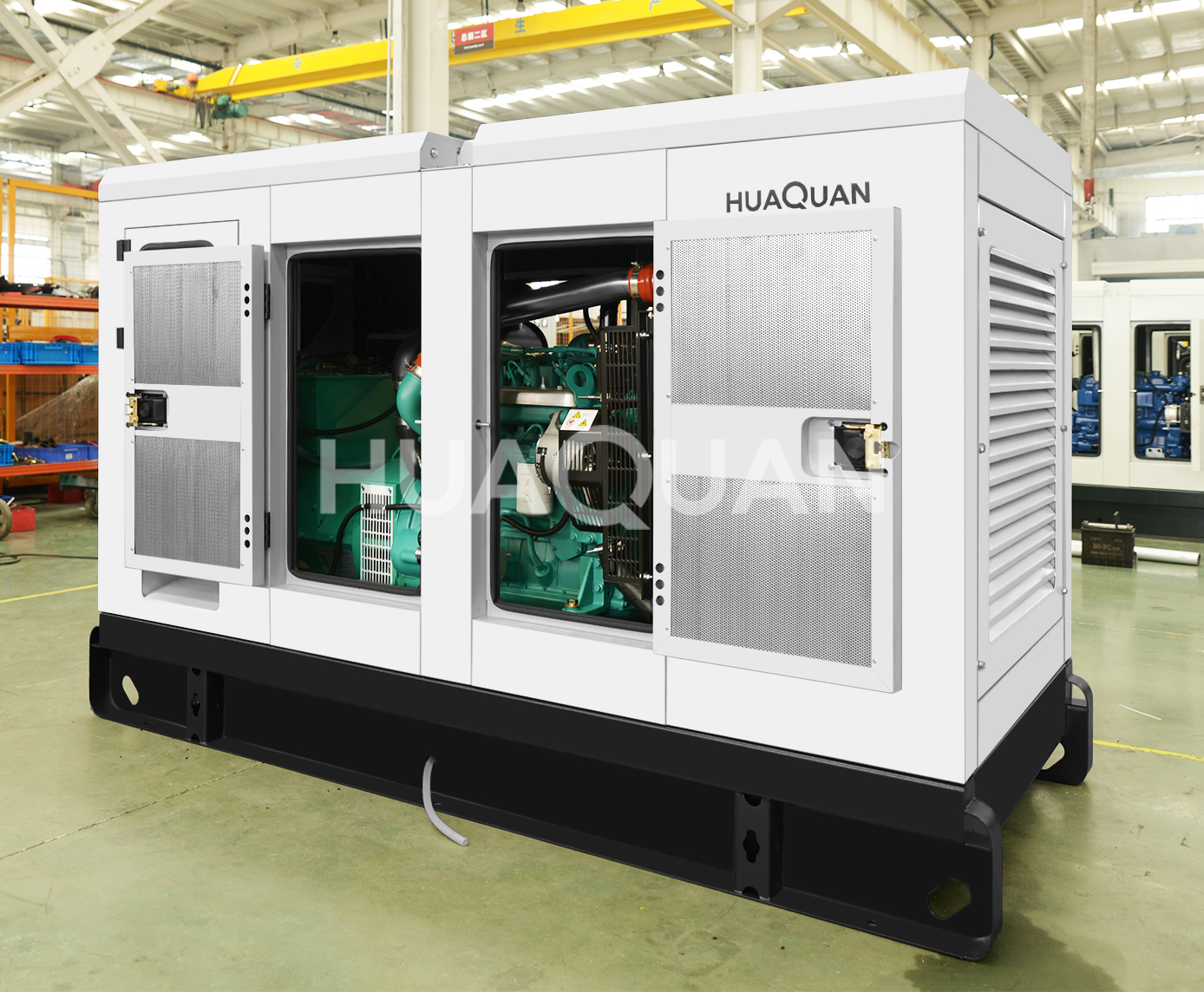
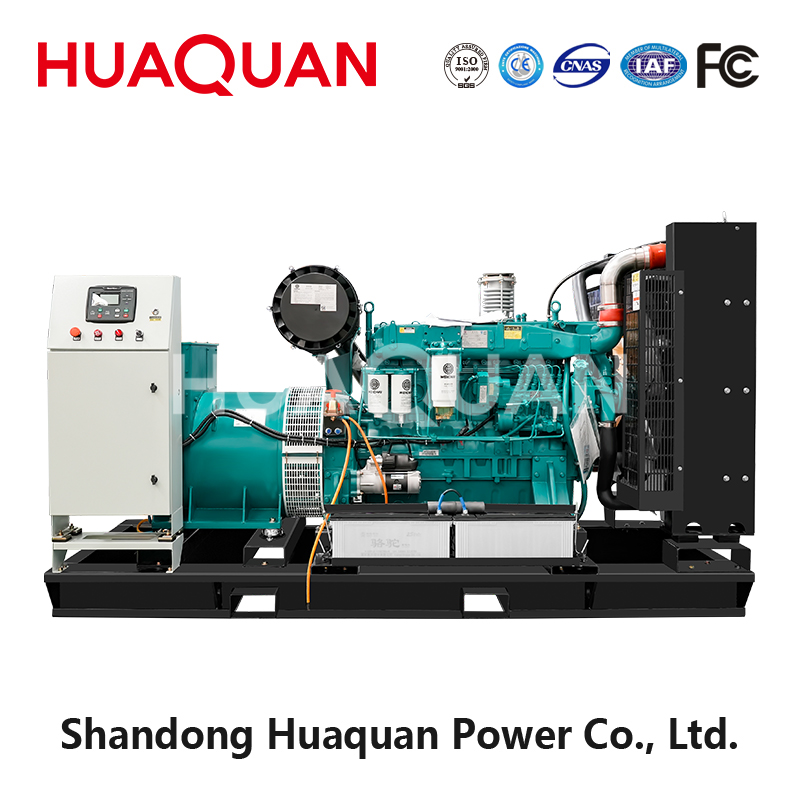
Дизель генераторын негызше икмыняр кӱлешан функцийым шукта, ты шотыштак оборудованийын чумыр нелытшым пеҥгыдемда, пашам ыштыме годым двигательын йӱлымыж да пӧрдмӧ масса дене лекше динамике вийым шыҥдарымаш, preventing вибраций transmission to surrounding building structures, and maintaining precise alignment between the engine crankshaft and alternator rotor. Huaquan Power provides detailed foundation design guidelines for every generator model to ensure proper installation that meets structural, вибраций, and alignment requirements. Садлан, a correctly designed foundation extends equipment life by reducing fatigue stress on engine and alternator components, reduces maintenance costs by maintaining alignment, and prevents nuisance complaints from vibration-induced structural damage to adjacent facilities.
Foundation Mass Ratio Calculations
The fundamental principle of diesel generator foundation design is that the foundation mass must be large enough to absorb dynamic forces without excessive movement or resonance. Лӱмын ыштыме, industry practice and Huaquan Power guidelines recommend a foundation mass ratio of 1.5 чейин 3 times the total dry weight of the generator set for rigid block foundations. Ала деч посна, for generator sets installed above grade on vibration isolation mounts, the inertia base mass typically ranges from 1.2 чейин 2.0 times the equipment weight to provide adequate inertia for vibration control. Huaquan Power calculates the minimum foundation mass for each installation based on the specific engine firing characteristics, rotational speed, and the dynamic force magnitudes produced during operation.
| Генератор кугыт диапазон | Dry Weight (кг) | Recommended Foundation Mass | Mass Ratio | Foundation Volume (м3) |
|---|---|---|---|---|
| 50-100 кВА | 800-1,500 | 2.0× dry weight | 1,600-3,000 кг | 0.6-1.1 м3 |
| 150-300 кВА | 1,800-3,500 | 1.8× dry weight | 3,240-6,300 кг | 1.2-2.3 м3 |
| 400-600 кВА | 3,800-6,500 | 1.7× dry weight | 6,460-11,050 кг | 2.4-4.1 м3 |
| 700-1000 кВА | 7,000-11,000 | 1.6× dry weight | 11,200-17,600 кг | 4.1-6.5 м3 |
| 1200-2000 кВА | 12,000-22,000 | 1.5× dry weight | 18,000-33,000 кг | 6.7-12.2 м3 |
| Кӱшнӧ 2000 кВА | Custom | 1.5× dry weight | Engineer-specified | Project-specific |
Кӱлешан, the mass ratio requirement depends on the engine configuration including the number of cylinders, the firing order, and the rotational speed. Лӱмын ыштыме, higher-speed engines with fewer cylinders produce more unbalanced dynamic forces and therefore require higher mass ratios to achieve the same level of vibration control. Four-stroke engines with 6 or more cylinders in-line typically require lower mass ratios than V-8 or V-12 configurations at the same rated speed. Huaquan Power application engineers provide specific mass ratio recommendations for each engine model based on detailed dynamic force analysis during the product design phase.
Soil Bearing Capacity Considerations
The soil bearing capacity at the installation site determines the minimum foundation footprint area required to distribute the total weight safely without excessive settlement that could cause foundation cracking or generator misalignment. Лӱмын ыштыме, the total load on the soil includes the generator set weight, the foundation mass, dynamic force amplification during operation, and any additional equipment loads such as fuel tanks or exhaust systems mounted on the foundation. Тугеже, soft soils require significantly larger foundation areas to reduce the bearing pressure to within the soil’s allowable capacity. Huaquan Power installation specifications include soil bearing capacity requirements for proper foundation design.
| Soil Type | Bearing Capacity (kN/m²) | Settlement Risk | Foundation Requirement | Typical Depth |
|---|---|---|---|---|
| Hard Rock | >500 | Negligible | Standard block | 0.3-0.5 м |
| Dense Gravel | 200-500 | Лапка | Standard block | 0.5-0.8 м |
| Compacted Sand | 100-300 | Low to moderate | Enlarged base area | 0.8-1.2 м |
| Firm Clay | 75-150 | Умыр | Enlarged base + rebar | 1.0-1.5 м |
| Soft Clay | 25-75 | Кукшо | Pile foundation or raft | 1.5-2.5 м |
| Very Soft Soil | <25 | Пеш кӱкшӧ | Pile foundation mandatory | Engineer-designed |
Тулечат утла, Huaquan Power requires a geotechnical survey for any installation where soil conditions are uncertain or where the total foundation mass exceeds 10,000 кг. Садлан, this professional survey provides the actual soil bearing capacity data, soil profile information at various depths, groundwater level, and settlement predictions that structural engineers need for safe and cost-effective foundation design that prevents differential settlement over the equipment’s 25-year minimum service life.
Антивибрационный монтаж системе-влак
Anti-vibration mounting systems isolate the diesel generator from the foundation and surrounding structure to prevent vibration transmission that causes nuisance complaints, structural damage, and interference with sensitive equipment. Лӱмын ыштыме, spring isolators and rubber mounts are the two primary types used for diesel generator installations, with selection depending on the generator size, operating speed, and the vibration sensitivity of the building or surrounding area. Huaquan Power supplies pre-engineered mounting systems that match the dynamic characteristics of each generator model and installation requirement.
| Mounting Type | Изолироватлыме пайдалык | Max Deflection | Пӱртӱс чӱчкыдылык | Тыглай кучылтмаш |
|---|---|---|---|---|
| Rubber Pad (bonded) | 70-85% | 3-8 мм | 8-14 Гц | Изи Генератор-влак (<200 кВА) |
| Rubber Mount (isolator) | 80-90% | 5-15 мм | 5-10 Гц | Medium generators (200-600 кВА) |
| Coil Spring Isolator | 90-98% | 15-50 мм | 2-5 Гц | Large generators (600+ кВА) |
| Air Spring (пневматический) | 95-99% | 20-75 мм | 1-3 Гц | Critical installations |
| Inertia Base + Springs | 92-98% | 15-40 мм | 2-4 Гц | Rooftop/upper floor |
Ала деч посна, Huaquan Power spring isolator systems include snubbers or limiting stops that prevent excessive movement during startup transients, emergency shutdowns, and short-circuit fault conditions that produce sudden large forces. Ешартышлан, the isolator selection considers both the static load deflection for proper load support under all conditions and the dynamic amplification characteristics to ensure effective vibration isolation at the operating frequency while maintaining stability during transient events.
Concrete Specifications for Generator Foundations
The concrete quality and reinforcement detailing directly determine the foundation’s ability to support dynamic loads without cracking, spalling, or structural degradation over the equipment’s service life. Лӱмын ыштыме, Huaquan Power specifies minimum concrete strength grades, reinforcement steel requirements, cover thickness, and curing durations for all generator foundation installations. These comprehensive specifications ensure that the foundation maintains its structural integrity and dimensional accuracy for 25 or more years under continuous dynamic loading from the generator set during both normal operation and emergency standby activation cycles.
| Concrete Specification | Huaquan Power Minimum | Enhanced Specification | Цель | Application Condition |
|---|---|---|---|---|
| Compressive Strength | C25 (25 MPa) | C30 (30 MPa) | Load-bearing capacity | Standard for all foundations |
| Reinforcement Steel | Grade 60 (415 MPa) | Grade 75 (520 MPa) | Crack resistance | All foundations |
| Rebar Diameter | 12 mm minimum | 16 мм | Structural integrity | Based on foundation size |
| Rebar Spacing | 200 mm each way | 150 mm each way | Crack control | Dynamic load areas |
| Cover Thickness | 50 мм | 75 мм | Corrosion protection | Below-grade foundations |
| Curing Duration | 14 days minimum | 28 кече | Full strength development | All installations |
Ешартышлан, Huaquan Power foundations include embedded anchor bolt pockets with proper alignment templates that ensure accurate positioning of the generator set mounting points. Лӱмын ыштыме, these anchor bolt templates are positioned using precise surveying instruments during the concrete pour to achieve alignment tolerances within ±2 mm, which is essential for maintaining engine-to-alternator coupling alignment after the concrete has cured and the generator set is installed on the foundation.
Foundation Verification and Testing
After construction and before equipment installation, the generator foundation must undergo comprehensive verification testing to confirm that it meets all design specifications and quality standards. Лӱмын ыштыме, the verification process includes dimensional checks, concrete compressive strength testing, surface flatness measurement, and anchor bolt pull testing. Huaquan Power installation teams perform these verification tests according to documented procedures and record all results in a formal foundation acceptance report that becomes part of the permanent project documentation.
| Verification Test | Йӧн | Приниматлыме критерий-влак | Instrument Required | Corrective Action if Failed |
|---|---|---|---|---|
| Foundation Dimensions | Tape measure survey | Within ±25 mm of design | Steel tape, laser distance | Modification or rebuild |
| Surface Flatness | Straightedge + feeler gauge | ≤2 mm over full length | 2m straightedge, gauge set | Grinding or leveling compound |
| Concrete Strength | Core sample testing | ≥ specified grade | Core drill, compression tester | Extended curing or rebuild |
| Anchor Bolt Pull Test | Hydraulic pull test | ≥1.5× design load | Hydraulic jack, gauge | Re-drill and re-grout |
| Level Verification | Spirit level or laser level | ≤1 mm/m slope | Precision level (0.02 mm/m) | Shimming or grinding |
Тулечат утла, Huaquan Power recommends conducting a post-installation vibration survey after the generator set is commissioned and operating at full rated load. This comprehensive survey verifies that the foundation and mounting system provide the expected vibration isolation performance and identifies any resonance conditions between the foundation and surrounding structure that may require remedial action such as additional structural stiffening or isolator adjustment.
FAQ Section
Q1: What is the minimum foundation depth for a diesel generator set?
The minimum foundation depth depends on soil bearing capacity, frost penetration depth for the geographic region, and the total foundation mass required for vibration control. For installations on firm soil, a minimum depth of 0.5 meters is typically sufficient for smaller generator sets below 200 кВА. Бирок, in regions with deep frost penetration, the foundation must extend below the frost line to prevent heave damage that could misalign the generator. Huaquan Power provides specific foundation depth recommendations for each generator model that account for all site-specific factors.
Q2: Can a diesel generator be installed without a concrete foundation?
Ооба, smaller diesel generator sets below 200 kVA can be installed on structural steel bases or vibration-isolated skid-mounted platforms without a poured concrete foundation in certain applications. Бирок, these alternative mounting solutions must still provide adequate mass and structural stiffness to control vibration and maintain engine-to-alternator alignment. Ешартышлан, rooftop and upper-floor installations may require structural engineering analysis to verify that the supporting structure can carry the dynamic loads safely. Huaquan Power supplies skid-mounted generator sets with integral vibration isolation for applications where concrete foundations are impractical.
Q3: How does foundation mass affect generator vibration performance?
Foundation mass directly controls the vibration amplitude at the foundation-soil interface because the dynamic force from the engine is essentially constant at a given load and speed. According to Newton’s second law, increasing the foundation mass reduces the resulting vibration displacement proportionally, assuming constant dynamic force input. A foundation mass ratio of 2:1 reduces vibration displacement by 50% compared to mounting on a rigid base with equal mass to the equipment. Тугеже, Huaquan Power specifies higher mass ratios for installations near vibration-sensitive areas.
Q4: What happens if the foundation settles unevenly after installation?
Uneven foundation settlement causes generator set misalignment between the engine crankshaft and alternator rotor, leading to coupling wear, bearing damage, кугемдыме вибраций, and accelerated fatigue of structural components. Settlement exceeding 2 mm across the generator footprint typically requires corrective action including leveling shims, foundation underpinning, or in severe cases, complete foundation reconstruction. Huaquan Power recommends monitoring foundation level annually using precision surveying instruments to detect settlement trends before they cause component damage.
Q5: Is reinforcement steel always required in generator foundations?
Ооба, reinforcement steel is required in virtually all diesel generator foundations because the dynamic loading from engine operation creates tensile stresses that plain concrete cannot safely resist without cracking. The reinforcement steel absorbs these tensile forces and controls crack width within acceptable limits that maintain structural integrity and prevent water ingress that could corrode embedded anchor bolts. Ешартышлан, reinforcement provides structural continuity and distributes concentrated loads from anchor bolt points across the full foundation area uniformly. Huaquan Power specifies minimum reinforcement requirements based on generator size and seismic zone.
- Design foundation mass at 1.5 чейин 3 times the generator set dry weight based on engine speed and cylinder configuration
- Verify soil bearing capacity through geotechnical survey and size the foundation footprint to keep bearing pressure within safe limits
- Use minimum C25 concrete with proper reinforcement and conduct comprehensive verification testing before equipment installation
Huaquan Power дене кылым ыштыза for detailed foundation design specifications, installation support, and post-installation vibration testing to ensure your diesel generator foundation performs reliably for decades.