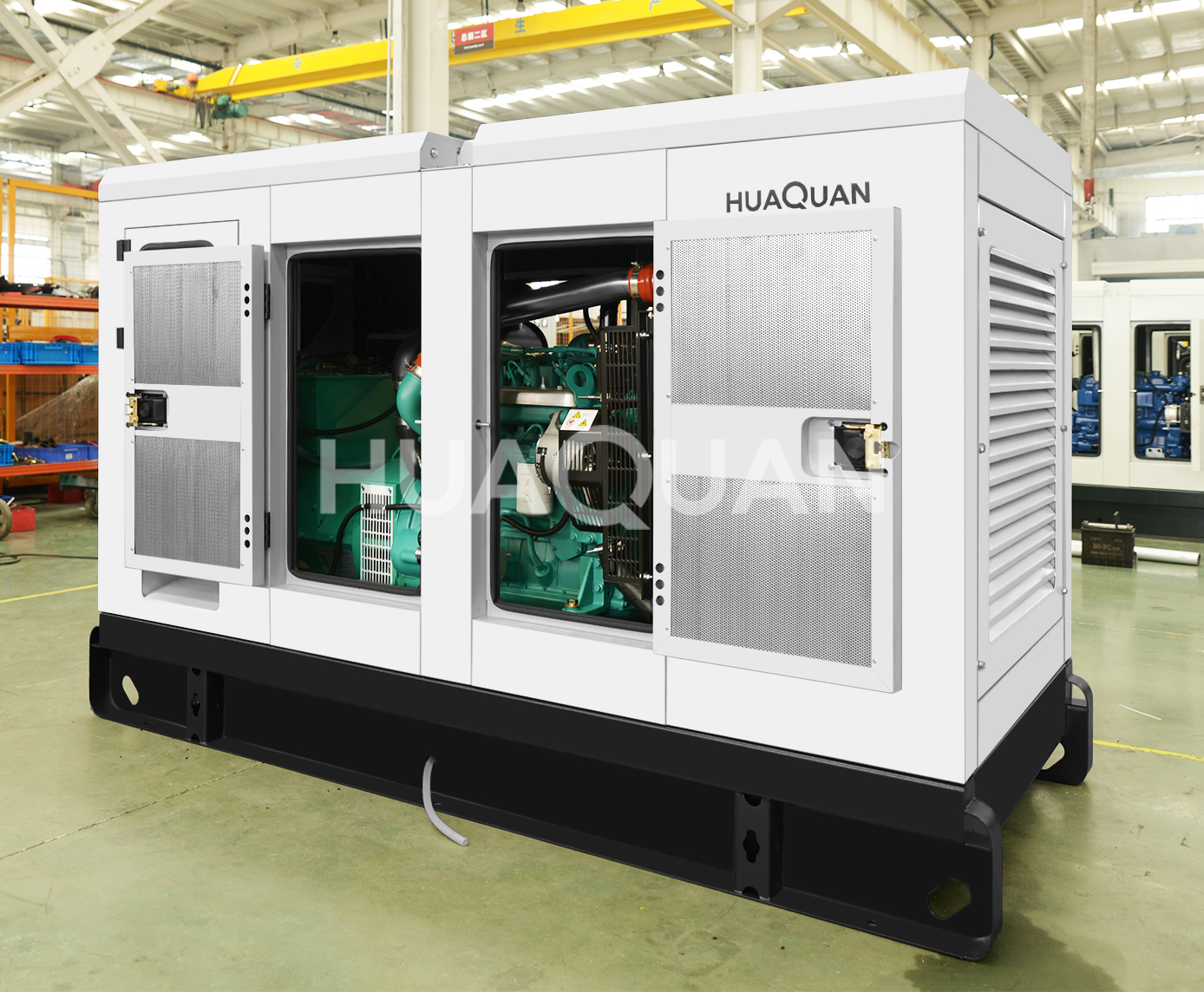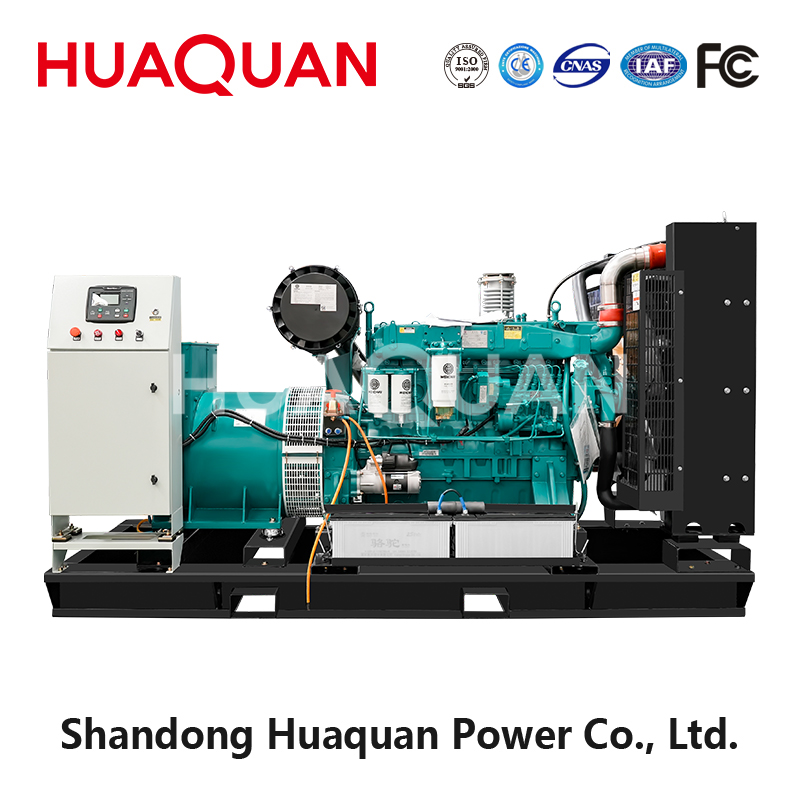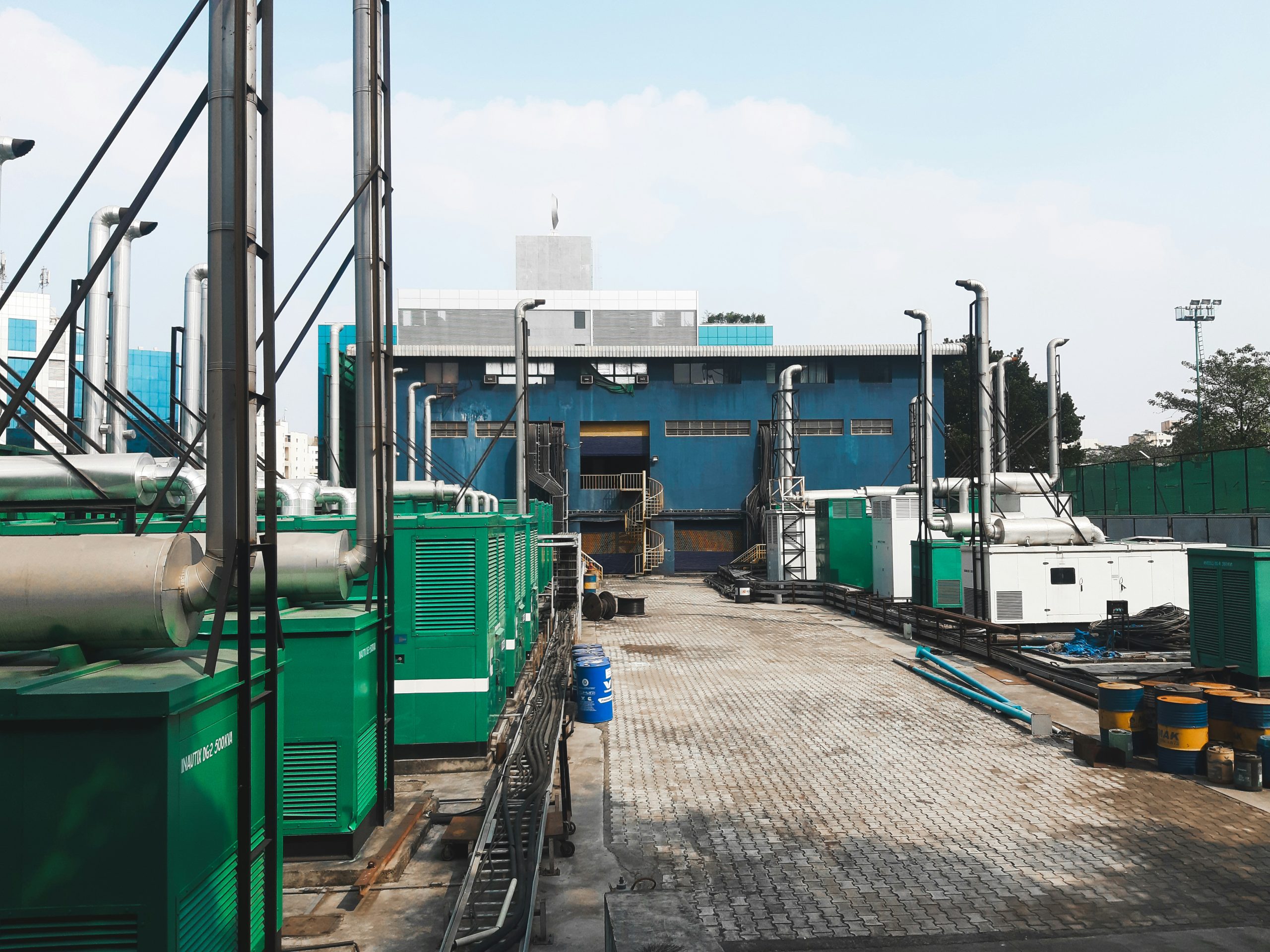
Параллель генератор пашам ыштыме пайдаже могай?
Параллель генератор паша икмыняр пайдам пуа, ты шотыштак избыточность гоч ӱшанлыкым кугемда, нагрузкым пайлыме гоч кугурак пайдалык, лывырге куатым масштабироватлымаш, куштылгырак обслуживатлымаш, да собственностьын чумыр роскотшым иземдаш. Лӱмын ыштыме, цилиндр Генератор-влак ик блок локтылалтеш гын, автоматический резервный копийым ыштыме годым нагрузкым пропорционально пайлен кертеш. Ала деч посна, генератор параллель кызытсе нагрузколан кӱлшӧ агрегат-влакым гына пашам ышташ йӧным пуа, топливым арален кодымо да ик кугу генератор дене таҥастарымаште иземдыме.
Параллель генераторын пашаже мом ончыкта?
Параллель генератор паша кок але утларак генераторым ик энергий источник семын пырля пашам ышташ ушен шогымым ончыкта. Эн ончыч, синхронизироватлыме генератор-влак напряжений дене келшен толшаш улыт, чӱчкыдылык, да ушымо деч ончыч фазный лук. Ала деч посна, ик гана ушен, нуно электричестве нагрузкым пропорционально пайлат. Ешартыш, кызытсе параллель системе-влак автоматически тӱҥалыт, синхронизироватлаш, да нагрузкым шеледаш. Тугеже, генератор параллель лывырге да ӱшанле энергий системым ышта.
Ключ параллельный генератор паша синхронизаций. Лӱмын ыштыме, генератор-влак параллельный выключатель петыралтме деч ончыч нине параметр-влакым келыштарен шогышаш улыт:
| Параметр | Келыштарыме йодмаш | Туркымаш |
|---|---|---|
| Напряжений | Икгай кугыт | ±5% |
| Чӱчкыдылык | Икгай Гц | ±0,5 Гц |
| Фазный угловой | Синхронизироватлыме | ±10 градус |
| Фаза радам | Икгай пӧрдмаш | Лач келшен толшаш |
| Толкын формо | Икгай формо | Изи гармонический содержанийже |
Синхронизаций кузе пашам ышта
Үчүн параллель генератор-влак синхронизироватлаш, управлений системе-влак пурышо генератор параметр-влакым шина дене таҥастарат. Лӱмын ыштыме, Лийшаш губернатор двигательын писылыкшым чӱчкыдылык дене келыштара. Ала деч посна, Лийшаш АВР (Автоматический напряженийым регулятор) напряженийым кугыт дене келыштараш тӧрлата. Анда, синхронизаций выключатель оптимальный фазный угловой дене петырна. Лектыш семын, генератор синхронизаций кызытсе контроллер дене секундышто пытара. Лийшаш Википедий синхронизаций статья физикым раш умылтара.
Параллель пашан тӱҥ пайдаже могай?
Параллель генератор паша ик генератор системе деч вич тӱҥ пайдам темла:
| Пайда | Описание | Йырвел |
|---|---|---|
| Избыточность | Ик генератор локтылалтын гын, резервный копийлан | 99.9% паша жап лийын кертеш |
| Пайдалык | Нагрузколан кӱлеш единице-влакым гына тарвате | 20-30% топливым аныклаш |
| Масштабируемость | Нагрузко кугемме семын генератор-влакым ешарен | Тӱҥалтыш инвестиций изирак |
| Технический обслуживатлыме | Ик единицым обслуживатлыме годым моло-влак пашам ыштат | Технический обслуживанийлан простой жап уке |
| Нагрузкым пайлаш | Нагрузкым икгай шеледымаш | Двигательын ӱмыржӧ шуйнен |
Избыточность ӱшанлыкым кузе саемда?
Избыточность — тиде тӱҥ пайдаже избыточный энергий системе-влак параллель генератор-влакым кучылтмаш. Лӱмын ыштыме, ик генератор локтылалтеш гын, весышт автоматически нагрузкым погат. Ала деч посна, N+1 але N+2 конфигураций-влак резерв копийлан куатым ӱшандарат. Мутлан, 1000 кВт нагрузко кум 500 кВт генераторым кучылт кертеш. Иктыже локтылалтеш гын, кок генератор эше 1000кВт пуа. Тугеже, параллельный генератор паша ик кугу агрегат деч кугурак ӱшанлыкым пуа.
| Конфигураций | Чыла куатым | Сбой куатым | Ӱшанлык |
|---|---|---|---|
| Ик 1000кВт | 1000 кВт | 0 кВт (чумыр йомдарымаш) | Файлов |
| 2×500кВт (N) | 1000 кВт | 500 кВт (50% йомдарем) | Саемдыме |
| 3×500кВт (N+1) | 1500 кВт | 1000 кВт (тичмаш резервный копийлан) | Кукшо |
| 4×400кВт (N+2) | 1600 кВт | 1200 кВт (кок пачаш резервный копийлан) | Пеш кӱкшӧ |
Кузе Нагрузкым пайлаш Паша?
Нагрузкым пайлаш параллель генератор-влак коклаште электричестве йодмашым шеледа. Лӱмын ыштыме, кажне генератор шке куатше дене пропорциональный чумыр нагрузкын процентшым нумалеш. Ала деч посна, управлений системе-влак регулятор параметр-влакым тӧрлат, икгай нагрузкым кучаш манын. Ешартыш, кызытсе контроллер-влак тӱрлӧ пайлыме режимым темлат:
| Нагрузкым пайлаш режим | Кузе тудо пашам ышта | Эн сай приложений |
|---|---|---|
| Droop Control | Чӱчкыдылык волтымо негызеш нагрузко | Тыглай параллель, утилита параллель |
| Изохронный | Электрон нагрузкым пайлаш | Остров режим, раш пайлаш |
| Реактивный куат | Кузе тудо пашам ышта | Эн сай приложений |
| Куатан коэффициент | kVAR-влакым пропорционально пайлаш | Стандарт параллель |
| Напряженийым волташ | Напряжений негызеш реактивный нагрузко | Тыглай реактивный пайлаш |
Активный да реактивный нагрузкым пайлаш
Ичинде параллельный генератор паша, коктынат чолга куатышт (кВт) да реактивный куат (шола) пайлаш кӱлеш. Икымше, активный куатым пайлаш кучылтеш губернатор управлений. Ала деч посна, реактивный куатым пайлаш кучылтеш напряжений регулятор управлений. Лӱмын ыштыме, кВт пайлаш двигатель дроссель дене келшен толеш, а кВАР пайлаш возбуждение дене келшен толеш. Тугеже, тӧрлаташ генератор параллель кок управленийын пырля пашам ыштымыштым йодеш.
Параллель паша топливым кузе арален кода?
Ик эн кугу пайдаже параллельный генератор паша топливо пайдалыкше. Лӱмын ыштыме, дизель генератор-влак эн сай топливо экономийым шуктат 70-80% нагрузко. Ала деч посна, ик кугу генератор пашам ышта 30% нагрузко ик кВтлан утларак топливым йӱлалта, оптимальный нагрузко дене пашам ыштыше изирак генератор-влак деч. Тугеже, синхронизироватлыме генератор-влак пайдале пашам ыштыме дене кугу топливым арален кодаш.
| Сценарий | Генератор загрузка | Топливо ик кВтч | Идалыкаш экономий |
|---|---|---|---|
| Ик 1000кВт 300кВт нагрузко дене | 30% нагрузко | 0.45 Л/кВтч | Тӱҥ линий |
| 2×500кВт, иктыже 300 кВт дене пашам ышта | 60% нагрузко | 0.35 Л/кВтч | 22% экономий |
| 3×350кВт, иктыже 300 кВт дене пашам ышта | 86% нагрузко | 0.32 Л/кВтч | 29% экономий |
Параллель пашам ышташ могай оборудований кӱлеш?
| Компонент | Функций | Палемдыме |
|---|---|---|
| Параллельный контроллер | Автоматический синхронизаций да загрузкым пайлаш | DEF, ComAp, Вудворд тыглай |
| Синхронизацийым пудыртышо | Генераторым автобусыш ушыза | Генератор лектышлан келыштарыме |
| Аралыме | Функций | Палемдыме |
| Пӧртылташ куатым реле | Автомобиль дене кудалыштмашым чарен шогалташ | Кажне генераторлан кӱлеш |
| Синхроскоп | Визуальный синхронизаций ончыктымаш | Автосинхронизацийлан кид дене резервный копийлан |
| Автобус | Функций | Палемдыме |
| Тыглай автобус | Чыла генераторым иктыш ушаш | Кӱртньӧ але алюминий автобус |
| Автобус тай-брейкер | Автобусым ужаш | Обслуживатлыме годым шке кумылын |
Параллель генератор системым кузе кучаш?
Параллель генератор паша обслуживатлымаш ик кугу агрегатым обслуживатлыме деч куштылгырак. Лӱмын ыштыме, те ик генераторым офлайн сервислан налын кертыда, а весышт пашам ыштат. Ала деч посна, пӧрдшӧ единице-влак системын чумыр ӱмыржым шуя. Ешартыш, кажне изирак генераторым ик кугу агрегат деч шагалрак обслуживатлаш кӱлеш.
| Обслуживатлыме паша | Ик кугу единице | Параллель системе |
|---|---|---|
| Нефтьым вашталтыме жап | Простой жап шагат | Простой жап уке |
| Идалыкаш капитально олмыктымо | Толшо системе йымалне | Единице-влакым пӧрдыкташ |
| Запчасть-влакын акше | Ик единицлан кугурак | Генераторлан изирак |
| Нагрузкым тергымаш | Тӱжвал нагрузко банк кӱлеш | Вес единице-влакым кучылтын тергымаш |
| Аварийный ремонт | Пӱтынь резерв копий кӱлеш | Моло единице-влак резервым пуат |
Чӱчкыдын пуымо йодыш-влак
Q1: Иктаж-могай генераторым параллельлаш лиеш мо?
Чыла генератор ок полшо параллельный генератор паша. Лӱмын ыштыме, генератор-влаклан келшыше напряжений регулятор-влак кӱлыт, губернатор-влак, да управлений системе-влак. Ала деч посна, эн сайлан генератор-влак кугыт да тип дене икгай лийшаш улыт нагрузкым пайлаш. Тугеже, тыгай производитель-влак дене каҥашаш Хуакуань куат келшен толшо параллельный пунчалым лукмо верч.
Q2: Мыняр генератор параллельно пашам ыштен кертеш?
Кызытсе генератор параллель системе-влак лу генераторым ушен кертыт. Лӱмын ыштыме, данный рӱдерs чӱчкыдын куржеш 10-20 единице-влак параллельно. Ала деч посна, коммунал электростанций-влак лийын кертыт 50+ синхронизироватлыме генератор-влак. Бирок, кажне ешартыш единице управлений сложностьым кугемда. Тугеже, эн коммерческий приложений-влак кучылтыт 2-8 генератор-влак параллельный генератор паша.
Q3: Синхронизаций локтылалтын гын, мо лиеш?
Гын генератор синхронизаций лектын ок керт, синхронизаций пудыртымаш ок петыралт. Лӱмын ыштыме, the controller detects mismatch in voltage, чӱчкыдылык, or phase. Ала деч посна, the system will retry synchronization automatically. Ешартыш, alarms alert operators to the problem. Бирок, attempting to connect unsynchronized generators causes severe damage. Тугеже, modern systems have multiple protection layers.
Q4: Is paralleling better than one large generator?
Эн шуко приложенийлан, параллель генератор-влак outperform single large units. Лӱмын ыштыме, paralleling offers redundancy, пайдалык, and flexibility. Ала деч посна, maintenance is easier with multiple smaller units. Бирок, initial cost may be higher for paralleling equipment. Тугеже, consider total cost of ownership when evaluating избыточный энергий системе-влак.
Q5: How long does synchronization take?
Кызытсе генератор параллель controllers synchronize in 10-30 секунд. Лӱмын ыштыме, the system adjusts engine speed and voltage automatically. Ала деч посна, once parameters match, the breaker closes instantly. Ешартыш, automatic load sharing begins immediately. Тугеже, синхронизироватлыме генератор-влак provide seamless power transfer.
Мучашмут: Тендан куат кӱлешлыкда дене параллель пашам ыштыме нерген шоналтыза
Иктешлен, параллельный генератор паша delivers reliability, пайдалык, and flexibility that single generators cannot match. Икымше, redundancy ensures continuous power even during failures. Умбакыже, нагрузкым пайлаш optimizes fuel economy and engine life. Ала деч посна, scalability allows adding capacity as needs grow. Пытартыш, maintenance is easier with no downtime. Вашкыл Хуакуань куат эксперт-влакын полышыштлан генератор параллель пунчал-влак.
⚡ Келшыше пунчалым шымлаш
- 🏭 500кВт дизель генератор
- 🏭 1000кВт дизель генератор
- 🏭 500кВт YC дизель генератор
- 🔧 КМС (Камминс/Дусан) Серий
- 🔧 СК (SDEC) Серий
- 📋 Дизель генератор комплект-влак
- 📋 Заказым ыштыме процесс — кузе налаш
- 📋 Мемнан дене кылдалтса
💡 Шке келыштарыме пунчалым кӱлеш? Мемнан инженер команде дене кылдалтса проектлан келшыше темлымаш-влаклан.