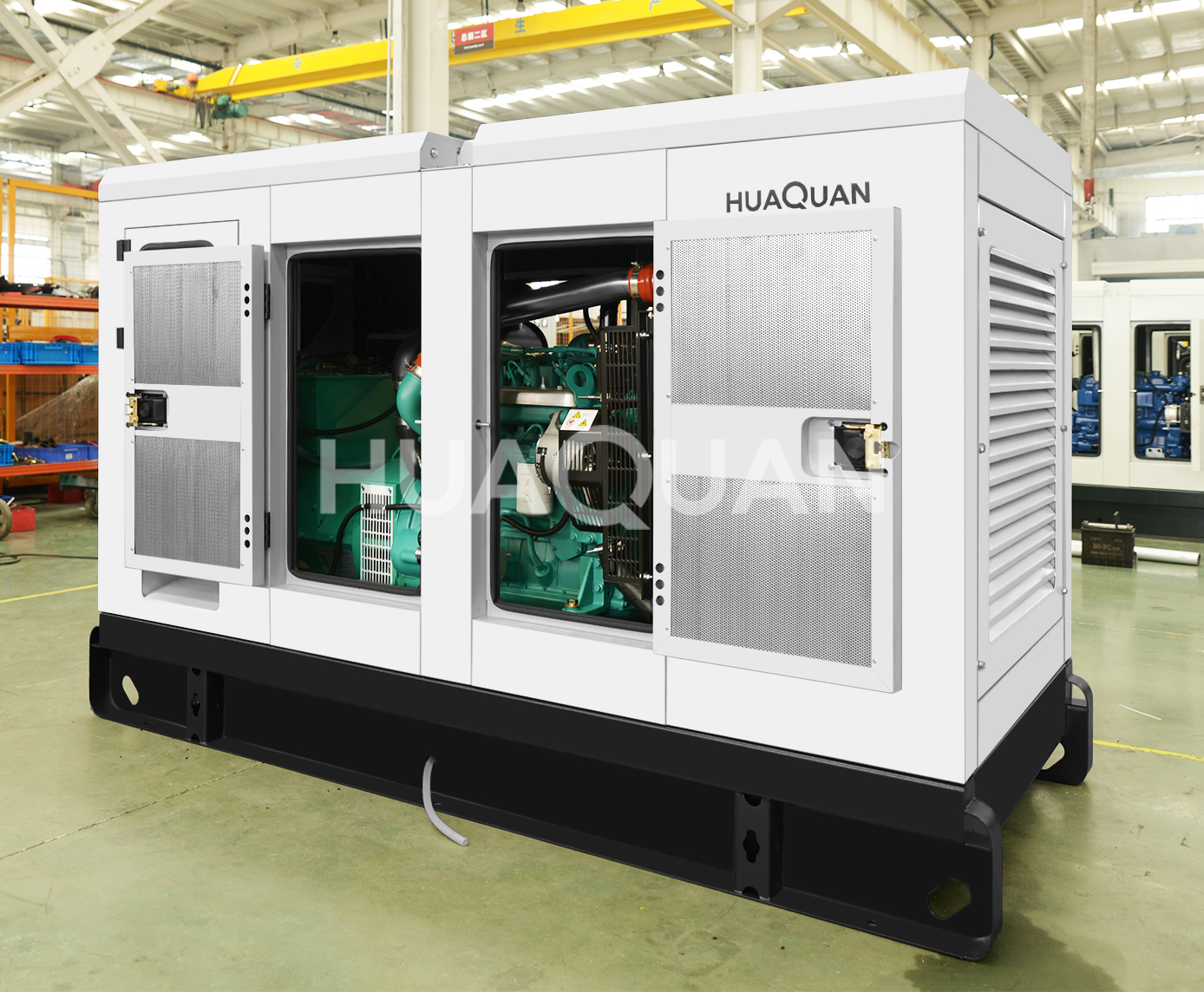
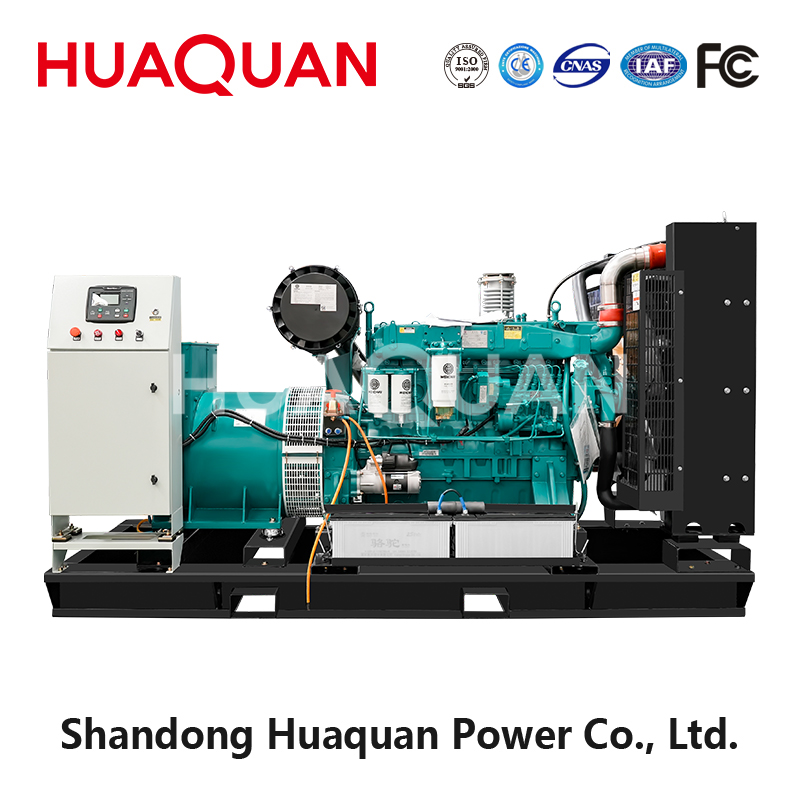
What Are the Benefits of Parallel Generator Operation?
Parallel generator operation provides multiple benefits including increased reliability through redundancy, higher efficiency through load sharing, flexible capacity scaling, easier maintenance, and lower total cost of ownership. Especificamente, parallel Geradores can share load proportionally while providing automatic backup if one unit fails. Além disso, generator paralleling allows running only the units needed for current load, saving fuel and reducing wear compared to a single large generator.
What Is Parallel Generator Operation?
Parallel generator operation means connecting two or more generators to work together as a single power source. Em primeiro lugar, synchronized generators must match in voltage, freqüência, and phase angle before connecting. Além disso, once connected, they share the electrical load proportionally. Além disso, modern paralleling systems automatically start, synchronize, and distribute loads. Portanto, generator paralleling creates a flexible and reliable power system.
The key to parallel generator operation is synchronization. Especificamente, generators must match these parameters before the paralleling breaker closes:
| Parâmetro | Match Requirement | Tolerance |
|---|---|---|
| Tensão | Same magnitude | ±5% |
| Freqüência | Same Hz | ±0.5 Hz |
| Phase Angle | Synchronized | ±10 degrees |
| Phase Sequence | Same rotation | Must match exactly |
| Waveform | Similar shape | Low harmonic content |
How Synchronization Works
Para parallel generators to synchronize, control systems compare incoming generator parameters with the bus. Especificamente, the governor adjusts engine speed to match frequency. Além disso, the AVR adjusts voltage to match magnitude. Então, the sync breaker closes at the optimal phase angle. Como resultado, generator synchronization completes in seconds with modern controllers. O Wikipedia synchronization article explains the physics in detail.
What Are the Key Benefits of Parallel Operation?
Parallel generator operation offers five major benefits over single generator systems:
| Beneficiar | Descrição | Impact |
|---|---|---|
| Redundância | Backup if one generator fails | 99.9% uptime possible |
| Eficiência | Run only units needed for load | 20-30% fuel savings |
| Escalabilidade | Add generators as load grows | Lower initial investment |
| Manutenção | Service one unit while others run | No downtime for maintenance |
| Load Sharing | Distribute load evenly | Extended engine life |
How Does Redundancy Improve Reliability?
Redundancy is the primary benefit of redundant power systems using parallel generators. Especificamente, if one generator fails, others automatically pick up the load. Além disso, N+1 or N+2 configurations ensure backup capacity. Por exemplo, a 1000kW load might use three 500kW generators. If one fails, two generators still provide 1000kW. Portanto, parallel generator operation delivers higher reliability than a single large unit.
| Configuration | Total Capacity | Failure Capacity | Confiabilidade |
|---|---|---|---|
| Single 1000kW | 1000 kW | 0 kW (total loss) | Padrão |
| 2×500kW (N) | 1000 kW | 500 kW (50% loss) | Improved |
| 3×500kW (N+1) | 1500 kW | 1000 kW (full backup) | Alto |
| 4×400kW (N+2) | 1600 kW | 1200 kW (double backup) | Muito alto |
How Does Load Sharing Work?
Load sharing distributes electrical demand across parallel generators. Especificamente, each generator carries a percentage of total load proportional to its capacity. Além disso, control systems adjust governor settings to maintain equal loading. Além disso, modern controllers offer different sharing modes:
| Load Sharing Mode | Como funciona | Melhor Aplicação |
|---|---|---|
| Droop Control | Load based on frequency drop | Simple paralleling, utility parallel |
| Isochronous | Electronic load sharing | Island mode, precise sharing |
| Reactive Power | Como funciona | Melhor Aplicação |
| Fator de potência | Share kVARs proportionally | Standard paralleling |
| Voltage Droop | Reactive load based on voltage | Simple reactive sharing |
Active vs Reactive Load Sharing
Em parallel generator operation, both active power (kW) and reactive power (kVAR) must be shared. Primeiro, active power sharing uses governor control. Além disso, reactive power sharing uses voltage regulator control. Especificamente, kW sharing matches engine throttle while kVAR sharing matches excitation. Portanto, apropriado generator paralleling requires both controls working together.
How Does Parallel Operation Save Fuel?
One major benefit of parallel generator operation is fuel efficiency. Especificamente, diesel generators achieve best fuel economy at 70-80% carregar. Além disso, a single large generator running at 30% load burns more fuel per kW than smaller generators running at optimal load. Portanto, synchronized generators save significant fuel through efficient operation.
| Scenario | Generator Loading | Fuel per kWh | Annual Savings |
|---|---|---|---|
| Single 1000kW at 300kW load | 30% carregar | 0.45 L/kWh | Baseline |
| 2×500kW, one running at 300kW | 60% carregar | 0.35 L/kWh | 22% savings |
| 3×350kW, one running at 300kW | 86% carregar | 0.32 L/kWh | 29% savings |
What Equipment Is Needed for Parallel Operation?
| Componente | Function | Notas |
|---|---|---|
| Paralleling Controller | Auto sync and load share | DEIF, ComAp, Woodward common |
| Sync Breaker | Connect generator to bus | Sized for generator output |
| Protection | Function | Notas |
| Reverse Power Relay | Prevent motoring | Required for each generator |
| Synchroscope | Visual sync indication | Manual backup to auto sync |
| Bus | Function | Notas |
| Common Bus | Tie all generators together | Copper or aluminum bus |
| Bus Tie Breaker | Sectionalize bus | Optional for maintenance |
How to Maintain Parallel Generator Systems?
Parallel generator operation maintenance is easier than single large unit maintenance. Especificamente, you can take one generator offline for service while others run. Além disso, rotating units extends overall system life. Além disso, each smaller generator costs less to maintain than one large unit.
| Maintenance Task | Single Large Unit | Parallel System |
|---|---|---|
| Oil Change Downtime | Hours of downtime | No downtime |
| Annual Overhaul | Full system down | Rotate units |
| Spare Parts Cost | Higher per unit | Lower per generator |
| Teste de carga | Need external load bank | Test using other units |
| Emergency Repair | Complete backup needed | Remaining units provide backup |
Perguntas frequentes
1º trimestre: Can any generators be paralleled?
Not all generators support parallel generator operation. Especificamente, generators need compatible voltage regulators, governors, e sistemas de controle. Além disso, generators should be similar in size and type for best load sharing. Portanto, consult manufacturers like Poder Huaquan for compatible paralleling solutions.
2º trimestre: How many generators can operate in parallel?
Moderno generator paralleling systems can connect dozens of generators. Especificamente, data centers often run 10-20 units in parallel. Além disso, utility power plants may have 50+ synchronized generators. No entanto, each additional unit increases control complexity. Portanto, most commercial applications use 2-8 generators in parallel generator operation.
3º trimestre: What happens if synchronization fails?
Se generator synchronization falhar, the sync breaker will not close. Especificamente, the controller detects mismatch in voltage, freqüência, or phase. Além disso, the system will retry synchronization automatically. Além disso, alarms alert operators to the problem. No entanto, attempting to connect unsynchronized generators causes severe damage. Portanto, modern systems have multiple protection layers.
4º trimestre: Is paralleling better than one large generator?
For most applications, parallel generators outperform single large units. Especificamente, paralleling offers redundancy, eficiência, and flexibility. Além disso, maintenance is easier with multiple smaller units. No entanto, initial cost may be higher for paralleling equipment. Portanto, consider total cost of ownership when evaluating redundant power systems.
Q5: How long does synchronization take?
Moderno generator paralleling controllers synchronize in 10-30 segundos. Especificamente, the system adjusts engine speed and voltage automatically. Além disso, once parameters match, the breaker closes instantly. Além disso, automatic load sharing begins immediately. Portanto, synchronized generators provide seamless power transfer.
Conclusão: Consider Parallel Operation for Your Power Needs
In summary, parallel generator operation delivers reliability, eficiência, and flexibility that single generators cannot match. Primeiro, redundancy ensures continuous power even during failures. Próximo, load sharing optimizes fuel economy and engine life. Além disso, scalability allows adding capacity as needs grow. Finalmente, maintenance is easier with no downtime. Contato Poder Huaquan for expert guidance on generator paralleling soluções.