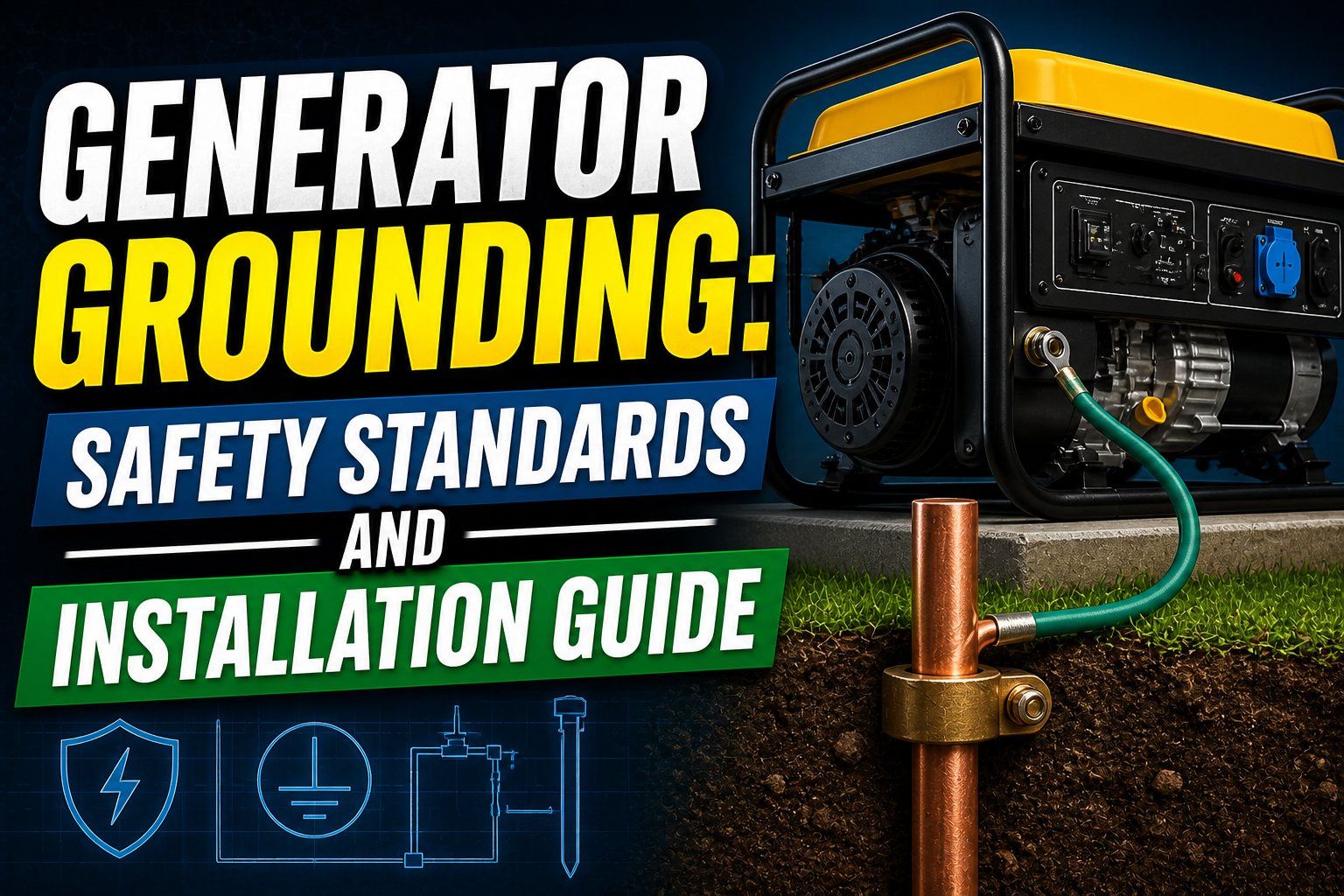
Kada rukujete sustavom zamjene napajanja, električna energija je vaša prednost, ali i potencijalna prijetnja. Svoje mjesto možete zaštititi od ozbiljnih električnih opasnosti izvođenjem Uzemljenje generatora. Uzemljenje djeluje kao tajna sigurnosna mjera za izbjegavanje strujnog udara. Štiti vaše uređaje i opremu od kratkih spojeva. Kao rezultat, osigurava besprijekoran rad vašeg električnog sustava.
Sa snažnim uzemljenjem žica, možete smanjiti smrtonosni strujni udar. Većina korisnika, kao i proizvođači, podcjenjuju važnost uzemljenja pomoćnih sustava. U ovom članku autora HuaQuan, pročitat ćete o sigurnosnim propisima koji nalažu uzemljenje i razne vrste uzemljenja generatora. Također ćete istražiti postupke postupne instalacije kako biste zaštitili svoj Generatori na duži rok.
Što je uzemljenje generatora?
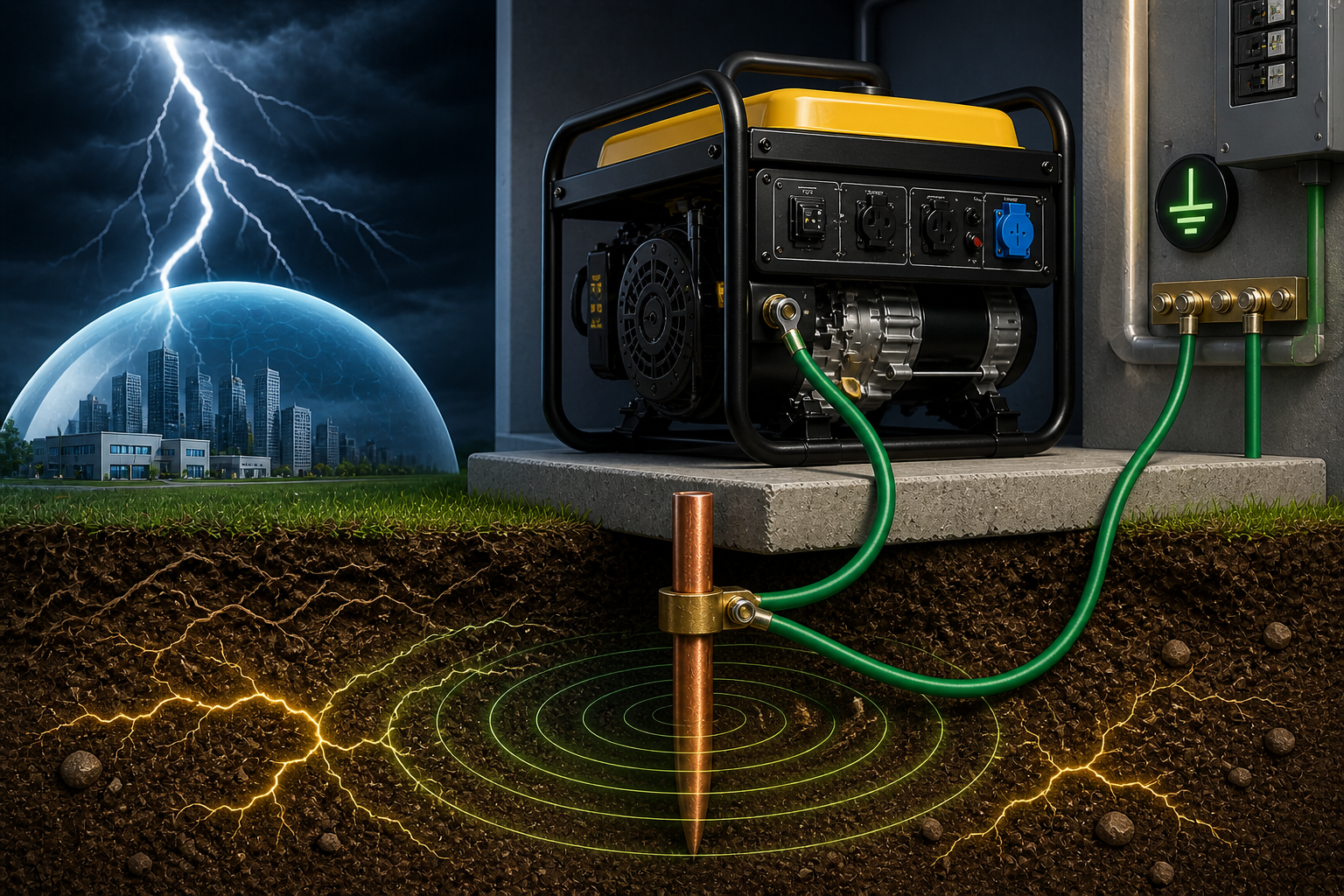
Uzemljenje generatora odnosi se na unaprijed određeno fizičko ožičenje između električnog kruga generatora (ili vanjski pokrov uređaja) i zemlju. Ovu vezu možete izgraditi tako da metalnu šipku s dobrim vodičem zabijete u zemlju i zatim je spojite na okvir generatora uz pomoć otporne bakrene žice. Zemlja ima nulti električni potencijal. Može lako apsorbirati i raspršiti dolaznu električnu energiju.
Osnovna svrha uzemljenja je osigurati alternativni put za električnu energiju. Ova staza ima najmanji otpor, privlači elektricitet u uvjetima opasnosti, i šalje ga na zemlju. Kada unutarnja izolirana žica samo dodirne metalno tijelo generatora, podzemna jedinica dobiva puni energetski potencijal. Ako ga tko slučajno dotakne, uhvatit će smrt.
Ako napravite odgovarajuće uzemljenje, mijenja smjer struje i šalje je u tlo. Štoviše, isključuje prekidače i poništava učinak opasnosti. Uzemljenjem možete jednostavno održavati svoju struju napona.
Vrste uzemljenja generatora
Postoje dvije glavne vrste pomoću kojih možete izvršiti uzemljenje generatora:
- Uzemljenje opreme: Spaja metalne dijelove (ne nose struju) generatora (uključujući vanjski okvir, kućište, i digitalni panel) na zemlju kako biste izbjegli električni kratki spoj.
- Uzemljenje sustava: Spaja neutralnu žicu (nosi struju) na zemlju kako bi se održao potencijal napona u sustavu i poništio učinak opasnosti.
Sigurnosni standardi za uzemljenje generatora
Uzemljenje može spasiti život, ali i uzrokovati smrt (ako nije učinjeno na odgovarajući način) unutar jedne sekunde. Nacionalni i međunarodni regulatorni standardi nadziru te aktivnosti uzemljenja. Morate slijediti ove sigurnosne protokole u svakom slučaju. Inače, suočit ćete se s teškim pravnim posljedicama. ovako, to je dokaz sigurnosti vaše skupe imovine.
U Sjedinjenim Državama, standardi uzemljenja navedeni su u članku 250 od Nacionalni električni kodeks (NEC). Ako niste stanovnik SAD-a, možete pogledati globalne regulatorne smjernice za aktivnosti uzemljenja navedene u Međunarodna elektrotehnička komisija (IEC) standard 60364.
Propisi vam pomažu da svoj sustav kategorizirate kao zasebni ili neodvojeni izvedeni sustav. Odvojeni sustav zahtijeva svoju individualnu šipku za uzemljenje. Dok neodvojeni sustav radi na već postojećoj elektrodi uzemljenja na lokaciji. Morate se obratiti nadležnom tijelu vašeg područja (AHJ) kako biste znali svoju vrstu sustava.
Standardi naglašavaju ovu zabrinutost, posebno:
- Otpor uzemljenja: NEC nalaže najveći otpor od 25 oma za elektrodu na zemlju. Ako ova impedancija dosegne iznad granice, morat ćete pokrenuti instaliranu drugu elektrodu 6 stopa udaljen i povezan s početnim. Niži otpor osigurava da visoki strujni naponi ne dopiru do osobe, ali idi na zemlju.
- Dimenzioniranje vodiča: Veličina žice koja povezuje generator s uzemljenjem mora biti odgovarajuća. Trebao bi se uskladiti s radnim vatima generatora i rezultirajućom izlaznom snagom. Ako imate rezervni generator velikog kapaciteta, morate instalirati otporan, bakrenu žicu kako bi se izbjeglo njeno taljenje u slučaju pregrijavanja.
- Mjesta lijepljenja: Prema standardima, obje žice (neutralni i prizemni) moraju biti spojeni samo na jedno područje sustava. To će omogućiti da se prekidači spotaknu u slučaju nesreće i spriječiti opasnosti.
Kako uzemljiti generator: Postupni vodič za instalaciju
Za uzemljenje, morate osigurati točnost, borba, i odgovarajuće materijale. Iako ćete pozvati tehničara da sve to obavi, morate znati detaljan postupak za nadgledanje rada. Ovdje, udubit ćete se u proceduru za zasebni izvedeni sustav.
Potrebne ključne komponente
- Čelična elektroda za uzemljenje izrađena od bakra ili presvučena bakrom (poznat kao šipka), obično 8 stopala u duljinu i 5/8 inča u promjeru.
- Otporna žica za uzemljenje od bakra (dirigent).
- Mjedena ili bakrena stezaljka za savršeno uzemljenje na zemlju
- Odvijač za naknadno bušenje ili malj sa snažnom šipkom za uzemljenje.
Postupak instalacije korak po korak
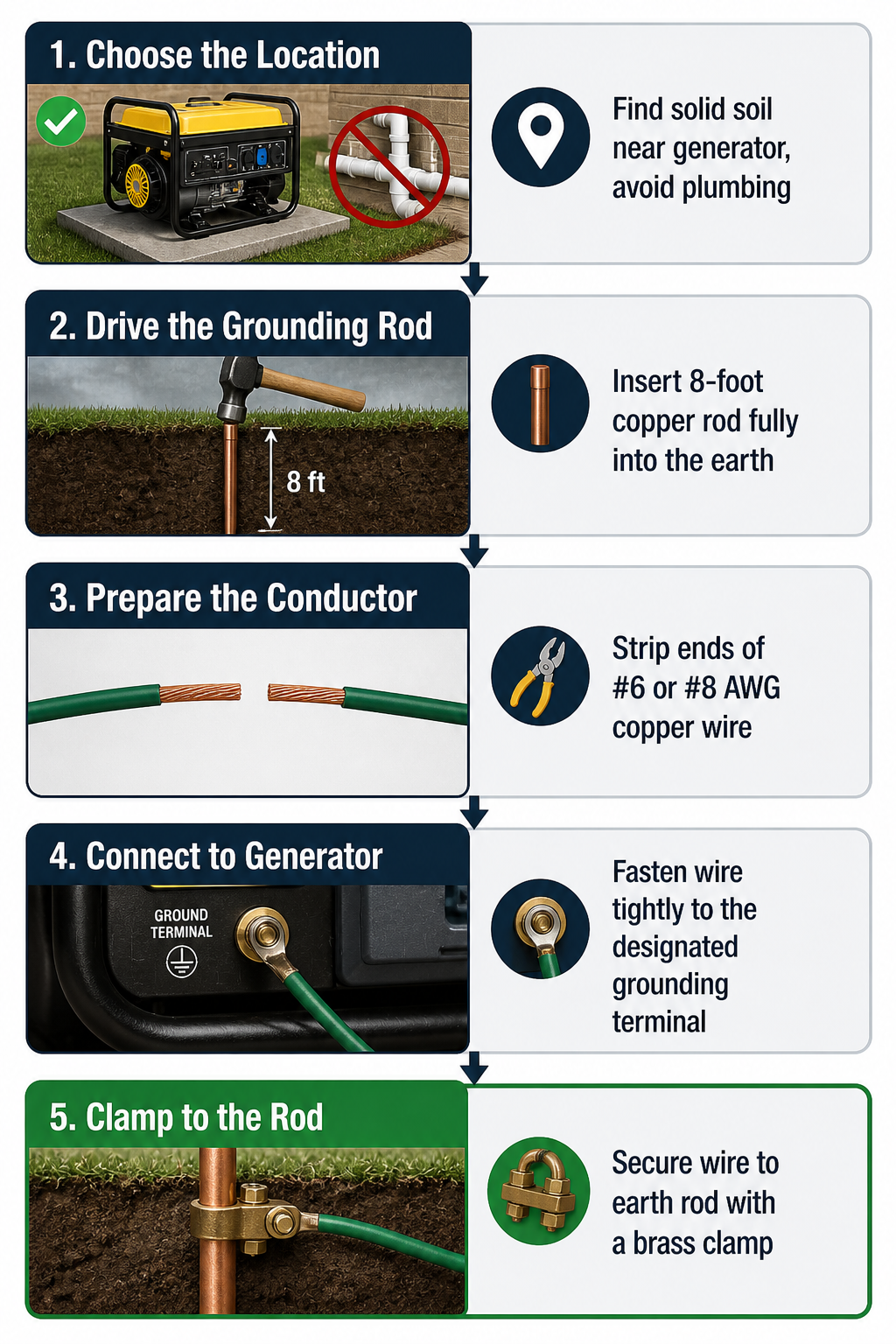
- Odaberite lokaciju: Odaberite zaprljano mjesto u blizini generatora. Pomoći će vam da skratite bakreni mjerač. Nemojte odabrati područje s već izvedenim vodovodnim instalacijama, općinske linije, i stjenovita podloga.
- Pokrenite šipku za uzemljenje: Upotrijebite specijalizirani odvijač za umetanje šipke za uzemljenje od 8 stopa u zemlju. Prema NEC-u, šipka mora biti savršeno umetnuta. Njegova gornja površina trebala bi biti ispod sloja tla. Omogućit će štapu da dosegne Zemlju u njezinoj jezgri.
- Pripremite dirigenta: Odrežite krajeve svoje bakrene žice. Trebao bi biti gust i otporan kako bi izdržao veliku snagu generatora. Žica bi trebala biti a #6 ili #8 AWG koji je prikladan za komercijalne aktivnosti srednje veličine.
- Spojite se na generator: Postavite vanjski okvir generatora na odabranu stezaljku za uzemljenje. Spojite jedan kraj žice na to mjesto. Veza bi trebala biti čvrsta.
- Stezaljka za šipku: Učvrstite tako što ćete drugi kraj žice provući na šipku u zemlji. Stegnite šipkom od mesinga kako biste spoj učinili neraskidivim. Izbjegavajte nakupljanje prljavštine, prah, ili krhotine u vezi s tim.
Uobičajene pogreške pri uzemljenju generatora
Ponekad, stručnjaci griješe prilikom uzemljenja generatorskog sustava. Male pogreške predstavljaju veliku prijetnju cijelom sigurnosnom sustavu.
Uobičajene pogreške pri instalaciji
- Spajanje neutralne žice dvaput: Najveća pogreška je spajanje neutralne žice na generator kao i na glavnu mrežnu stanicu. Stvara petlju koja šalje povratnu struju da teče kroz metalne obloge vaše opreme. It leads to the production of electrical shocks and disruption of breaker systems.
- Inadequate Grounding Rod Depth: Ponekad, the experts dig into the Earth only 3-4 feet due to the hardness of the soil. They break the standard rules and can face severe consequences. The rods, which do not go into the depth of the earth, are not able to provide an alternative path to the current due to less moisture on the earth’s surface. U ovom slučaju, grounding will not perform its due role.
- Using Improper or Low-Quality Materials: If you use aluminium wire and connect it directly to the earth, it will corrode and rust immediately. If you use a thin grounding wire, it will not resist the output and melt early.
Posljedice i rješavanje problema
If a problem occurs in the system and the ground path is unresponsive, the generator’s outer part will gain the highest amount of potential. One who touches it at that time might get electrocuted. Štoviše, the circuit breakers will be unable to diagnose the fault that leads to constantly occurring fires.
You must have a deep knowledge of the grounding issues. Whenever a technician feels a vibration when touching your generator, it has a grounding issue. It is also proven when the Ground Fault Interrupter gets tripped unknowingly.
U ovom slučaju, you have to follow the troubleshooting steps to manage the situation. The first step is checking the clamp to see if there is any corrosion or loosening. Sljedeći, you must call an expert to get the situation inspected carefully. He must check that the connection of the neutral wire is only at a single place.
Održavanje i ispitivanje sustava uzemljenja
Prirodno, grounding systems are prone to harsh weather conditions and outdoor activities. These include soil erosion, korozija, and physical destruction nearby. Your grounding system can break down over time if you do not maintain it properly.
Važnost redovitih provjera
You must inspect the connections regularly. Make sure they are tight and secured. They should conduct electricity with a higher potential. Copper wires, used in grounding, can corrode with time. The frequent vibrations from an operating generator can loosen the clamp’s nut. ovako, routine evaluation is necessary.
Metode za ispitivanje učinkovitosti uzemljenja
Svake godine, an expert technician must perform a ground resistance test, called the Fall-of-Potential test. He sends small testing probes into the earth at specific distances from the actual grounding rod. It will help measure the present resistance of the Earth. It will allow you to meet the standard regulations.
If testing measures indicate that the resistance of the earth is too much, you will be required to upgrade your system at once. You can do this by digging extra grounding-related rods and connecting them together. It will increase the surface area that is in contact with the generator.
Završna bilješka
Appropriate generator grounding confirms the safety of electrical systems. When you create an extra path to the ground that has a low resistance, it will protect your workers and residents from electrical shocks. Štoviše, it maintains the stable electrical voltage and protects the circuit breakers.
If you want to install a grounding system in an excellent way, you must go through the NEC and IEC regulations, use the mandatory components appropriately, and avoid common errors. You can’t ignore it after installing the system and You have to maintain it regularly by checking the resistance of the earth and the loosened connections. You must contact an expert to get your system evaluated. It will keep you and your power backup system safe.
Do not compromise on the safety of generators. Make sure that you are done with the grounding of the generator. Get it done by consulting an expert inspection team at Huaquan! Kontaktirajte nas danas.
⚡ Istražite srodna rješenja
- 🏭 500kW Diesel Generator
- 🏭 1000kW Diesel Generator
- 🏭 500kW YC dizel generator
- 🔧 KMS (Cummins/Doosan) Niz
- 🏥 Rješenja za generatore podatkovnih centara
- 📋 Dizel generatorski setovi
- 📋 Proces narudžbe — Kako kupiti
- 📋 Kontaktirajte nas
💡 Trebate prilagođeno rješenje? Kontaktirajte naš inženjerski tim za preporuke specifične za projekt.