A dual-fuel generator can run on two different fuels — typically gasoline and propane — using a selector switch on the control panel or fuel selector knob. Some models include natural gas as a third option (tri-fuel). The dual-fuel design provides operational flexibility: use gasoline when you need maximum power, use propane for long-term storage or when gasoline is unavailable, and switch between them without tools or modifications.
How Dual-Fuel Systems Work
Dual-fuel Generators have a specially designed carburetor or fuel mixer that accepts either liquid fuel (gasoline) or gaseous fuel (propane). The fuel selector valve directs the appropriate fuel path. For gasoline operation, the fuel flows from the tank through a fuel shutoff valve to the carburetor bowl. For propane operation, the selector opens a separate path to the propane demand regulator — the regulator senses intake vacuum and meters propane vapor into the mixer, similar to an aftermarket conversion but integrated at the factory.
Key engineering differences from single-fuel generators:
- Valve seats — Dual-fuel generators use hardened valve seats that withstand the higher combustion temperature of propane (propane burns hotter than gasoline)
- Carburetor mixing — The carburetor has separate fuel passages for each fuel type, preventing cross-contamination
- Fuel orifice — The propane orifice is larger than the gasoline orifice because propane requires more volumetric flow for the same energy output
- Choke system — Most dual-fuel generators have a manual or automatic choke that compensates for propane’s different vaporization characteristics at cold start
Power Output: Gasoline vs. Propane in Dual-Fuel Models
| Model | Gasoline Running Watts | Propane Running Watts | Gasoline Surge Watts | Propane Surge Watts | Power Loss on Propane |
|---|---|---|---|---|---|
| Champion 2500W Dual Fuel Inverter | 2,500W | 2,250W | 3,000W | 2,700W | −10% |
| Westinghouse iGen4500DF | 4,500W | 4,050W | 5,400W | 4,860W | −10% |
| Champion 100519 7650W Dual Fuel | 7,650W | 6,900W | 9,562W | 8,600W | −10% |
| DuroMax XP12000EH Dual Fuel | 9,500W | 8,550W | 12,000W | 10,800W | −10% |
| Firman H02551 (3,300W inverter) | 3,300W | 3,000W | 3,800W | 3,450W | −9% |
Dual-fuel generators typically lose 9–11% of rated power when running on propane. This is consistent with the energy density difference between the two fuels. Most manufacturers derate both the running and surge wattage for propane operation, so you must use the propane-rated numbers for load calculations.
When Dual Fuel Makes Sense vs. Single Fuel
| Factor | Single-Fuel Gasoline | Single-Fuel Propane | Dual-Fuel |
|---|---|---|---|
| Purchase price (7kW) | $650 | $750 | $850–$1,000 |
| Maximum power | 100% | N/A (propane only, optimized) | 100% (gas) / 90% (propane) |
| Fuel shelf life | 3–6 months (stabilized: 12 mo) | Indefinite | Indefinite (propane); 3–6 mo (gas) |
| Cold weather start (-10°F) | Difficult (cold vaporization) | Very difficult (low vapor pressure) | Run on gasoline for cold starts |
| Peak power capability | Rated surge only | Rated surge (93% of gas) | Switch to gas for maximum power |
| Refueling convenience | Gas can refill | Swap 20 lb tanks or bulk fill | Use whatever fuel is available |
The Dual-Fuel Advantage: A Real-World Scenario
You keep the generator in the garage with a full gas tank and a spare 20 lb propane tank. A prolonged outage hits — all gas stations in your area lose power and cannot pump fuel. After 8 hours, the generator’s gas tank is empty. Without dual fuel, you’re out of power. With dual fuel, you switch the selector to propane, connect the 20 lb BBQ tank, and continue running for another 6–8 hours at moderate load. When the propane runs out, you swap to a second tank. The ability to run on either fuel during a crisis makes dual fuel generators the recommended choice for emergency preparedness.
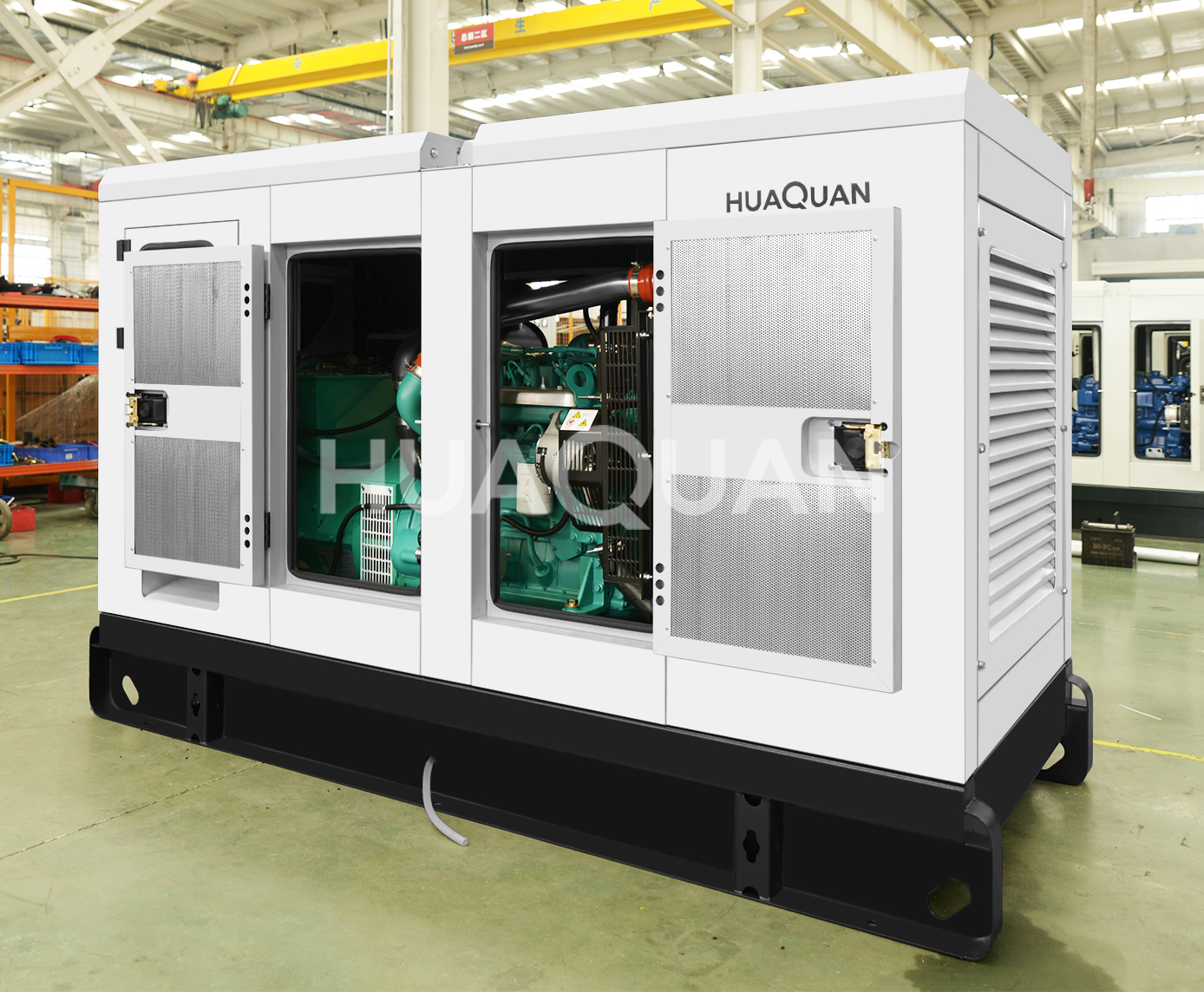
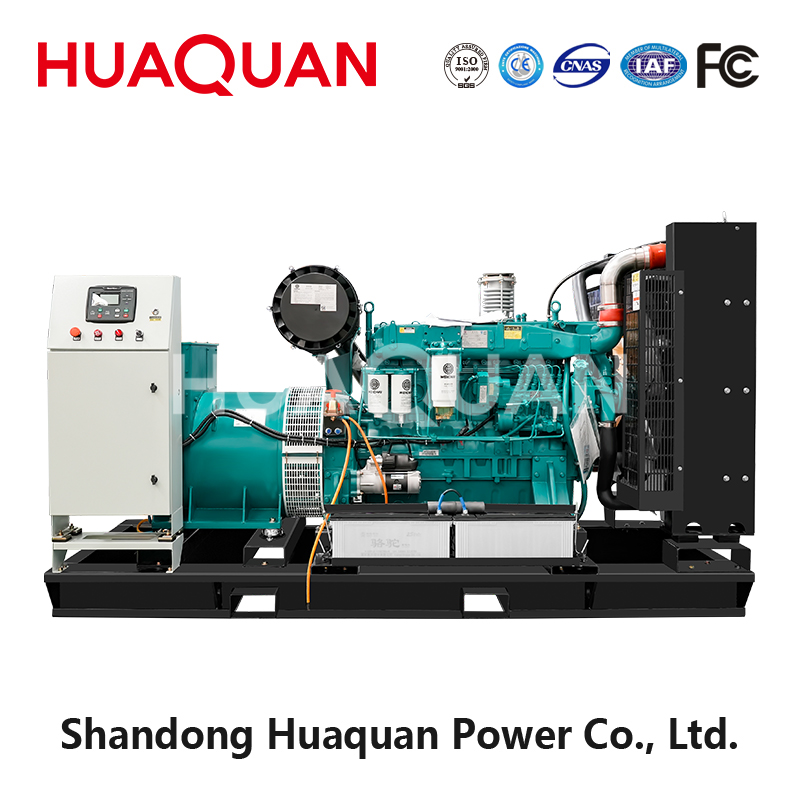
For industrial applications requiring large-scale dual-fuel (diesel + natural gas) capability in the 100–2,000 kW range, Huaquan Power diesel generators offer factory bi-fuel injection systems that operate on diesel alone or diesel/natural gas blend.