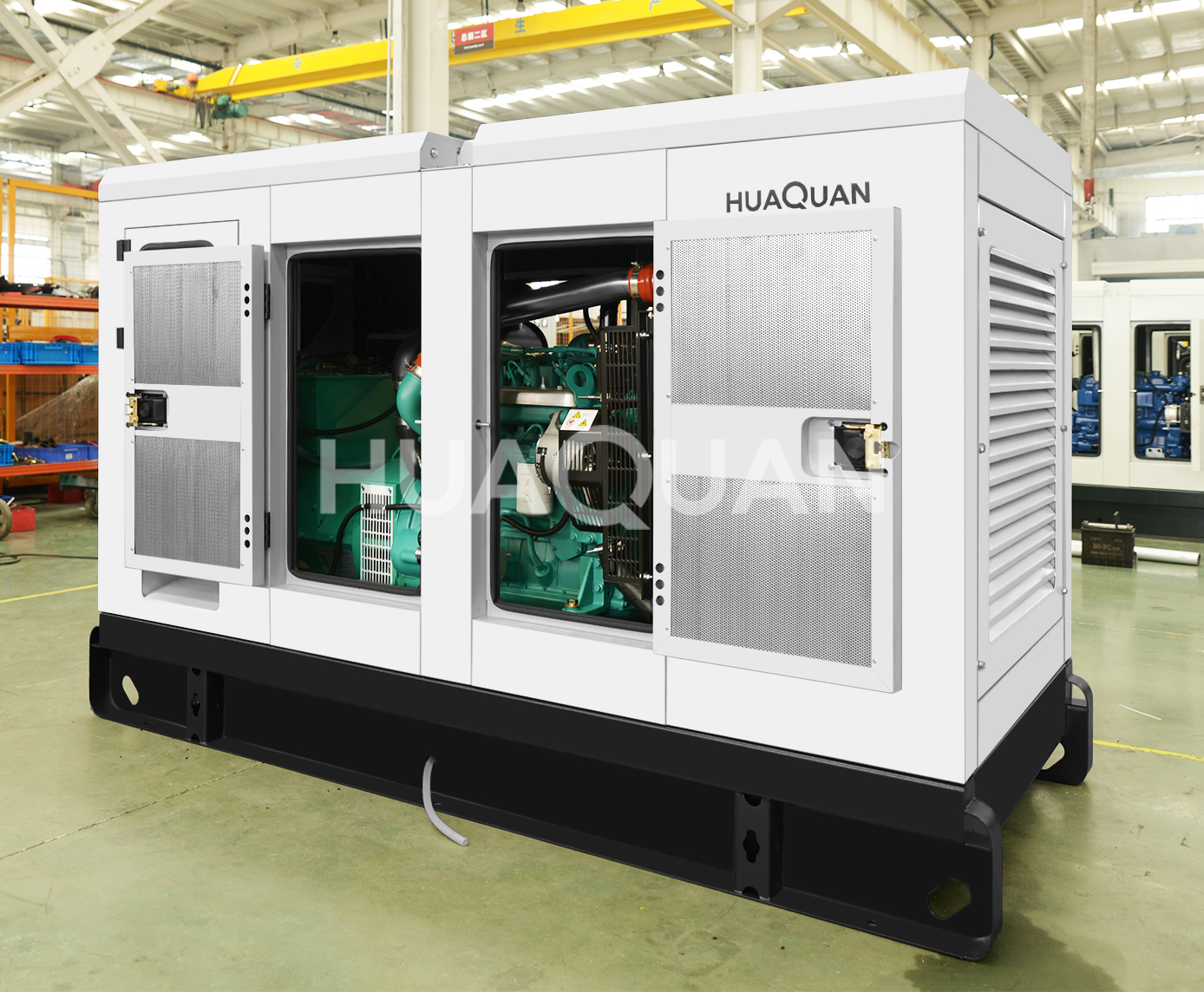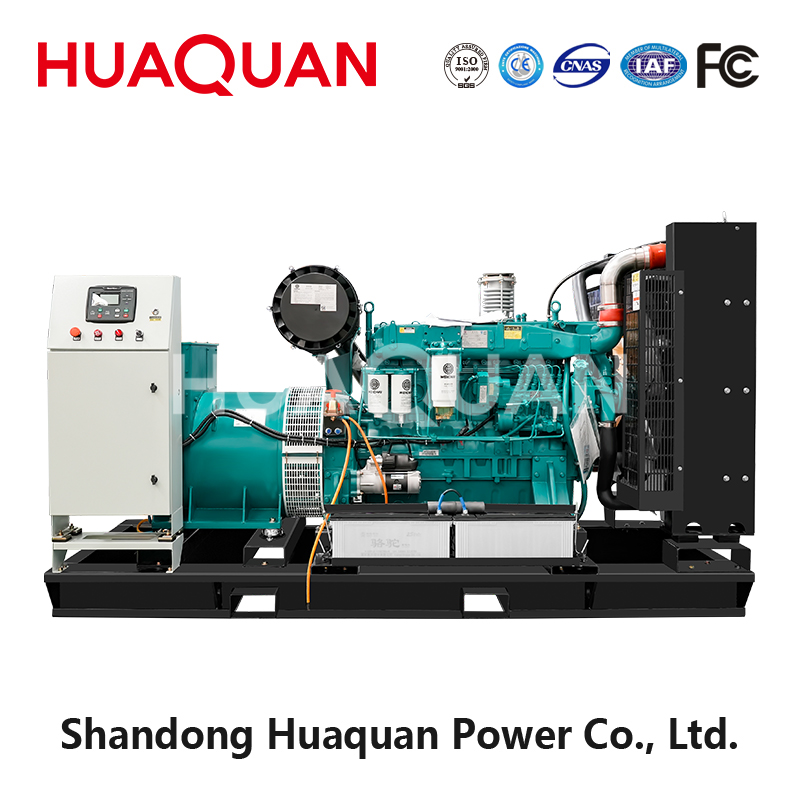
Choosing the right diesel generator size for home backup power requires calculating your total electrical load, accounting for starting surges of motor-driven appliances, and selecting a unit that delivers adequate wattage without excessive oversizing. Most homes need between 7 kW and 20 kW of backup power, depending on the number and type of appliances you want to run simultaneously during an outage.
How to Calculate Your Home Power Requirements?
The first step in determining diesel generator size for home use is to inventory every appliance and electrical device you need during a power outage. Each device has two wattage ratings: running watts (also called rated watts) and starting watts (also called surge watts). Motor-driven appliances like refrigerators, air conditioners, and well pumps require significantly more power during the first few seconds of startup—typically 2 to 3 times their running wattage. Accurately accounting for these surge demands prevents generator overload and ensures reliable performance.
Running vs. Starting Wattage
| Appliance | Running Watts | Starting Watts |
|---|---|---|
| Refrigerator | 700 | 2,100 |
| Window AC (10,000 BTU) | 1,200 | 3,600 |
| Well Pump (1 HP) | 1,000 | 3,000 |
| Microwave Oven | 1,000 | 1,000 |
| Lights (10 × LED) | 100 | 100 |
| TV + Internet Router | 300 | 300 |
| Electric Water Heater | 4,500 | 4,500 |
What Size Diesel Generator Do I Need for Essential Circuits Only?
If you only want to power essential circuits—refrigeration, lighting, a few outlets, and possibly a furnace fan—a smaller diesel generator size for home in the 7-10 kW range is typically sufficient. This size comfortably handles the starting surge of a refrigerator and furnace motor while providing steady power for lights and small electronics. The advantage of a smaller generator is lower fuel consumption, reduced noise, and lower purchase cost, making it the most practical choice for budget-conscious homeowners.
Essential Load Calculation Example
Add up the running watts of all essential appliances, then add the highest single starting surge to determine the minimum generator capacity. For a home with a refrigerator (700W running, 2100W starting), furnace fan (800W running, 2400W starting), lighting (400W), and electronics (300W), the total running load is 2,200W. Adding the largest starting surge (2,400W) gives a peak demand of 4,600W, so a 7 kW diesel generator provides adequate headroom.
How to Size a Generator for Whole-House Backup?
Whole-house backup means every circuit in the home remains operational during an outage, including high-demand appliances like electric water heaters, central air conditioning, and electric ranges. For this scenario, the diesel generator size for home typically falls between 15 kW and 25 kW for average-sized homes, and 30 kW or more for larger residences with multiple HVAC systems. The most accurate method is to have an electrician perform a load calculation based on your home’s electrical panel rating and historical usage data.
Whole-House Sizing Guide
| Home Size (sq ft) | AC Capacity | Recommended Generator |
|---|---|---|
| 1,000–1,500 | 2–2.5 ton | 12–15 kW |
| 1,500–2,500 | 2.5–3.5 ton | 15–20 kW |
| 2,500–3,500 | 3.5–5 ton | 20–25 kW |
| 3,500–5,000 | 5+ ton | 25–30 kW |
| 5,000+ | Dual zone | 30+ kW |
Why Is Oversizing a Generator a Problem?
While it might seem prudent to buy a larger generator “just in case,” excessive oversizing causes several problems. A diesel generator running below 30% load experiences incomplete combustion, leading to carbon buildup, oil dilution, and reduced engine life—a condition known as wet stacking. Additionally, an oversized generator consumes significantly more fuel per kWh than a properly sized unit operating at its optimal load point. For the best balance of diesel generator size for home applications, aim for 70-80% load during typical operation.
Oversizing vs. Right-Sizing Comparison
| Factor | Oversized Generator | Right-Sized Generator |
|---|---|---|
| Fuel efficiency | Poor (low load) | Good (70-80% load) |
| Engine wear | Increased (wet stacking) | Normal |
| Noise level | Higher | Lower |
| Purchase cost | Higher | Lower |
| Maintenance cost | Higher | Normal |
Should You Choose Single-Phase or Three-Phase?
Most residential electrical services are single-phase 120/240V, so a single-phase diesel generator is the standard choice for home backup. Three-phase Generators are designed for commercial and industrial applications with three-phase power distribution. However, if your home has a large workshop with three-phase machinery, you may need a three-phase unit or a phase converter. When selecting diesel generator size for home use, confirm your electrical service type before purchasing to avoid compatibility issues.
How Does Altitude Affect Generator Sizing?
At elevations above 500 meters, diesel engines lose approximately 3-5% of their rated power for every additional 500 meters of altitude due to reduced air density. If you live in a high-altitude area, you must derate the generator’s output accordingly, which means choosing a larger unit to deliver the same usable power. For example, at 1,500 meters elevation, a 20 kW generator may only deliver 17-18 kW, so you would need to select a 23-24 kW unit to ensure adequate diesel generator size for home backup at that altitude.
What Role Does the Transfer Switch Play?
A transfer switch is essential for any diesel generator size for home installation because it safely connects the generator to your home’s electrical system and prevents back-feeding the utility grid. Manual transfer switches are less expensive but require you to start the generator and flip the switch during an outage. Automatic transfer switches (ATS) detect utility power loss, start the generator, and transfer the load automatically—providing seamless backup without homeowner intervention.
Transfer Switch Sizing
| Generator Size | Transfer Switch Rating | Type |
|---|---|---|
| 7–10 kW | 100A | Manual or Auto |
| 12–17 kW | 150A | Manual or Auto |
| 18–22 kW | 200A | Auto recommended |
| 25+ kW | 200A+ or dual | Auto required |
FAQ">FAQ
What size diesel generator do I need to run a refrigerator?
Can a 10 kW generator run a whole house?
How do I know if my generator is too small?
Is a diesel generator better than gas for home backup?
Do I need a permit to install a home generator?
⚡ Explore Related Solutions
- 🏭 500kW Diesel Generator
- 🏭 1000kW Diesel Generator
- 🏭 500kW YC Diesel Generator
- 🔧 KMS (Cummins/Doosan) Series
- 🏥 Data Center Generator Solutions
- 🏥 Portable Generator
💡 Need a customized solution? Contact our engineering team for project-specific recommendations.
Learn more about generator sizing from Wikipedia’s standby power article, or explore Huaquan Power diesel generators and home backup generator solutions.