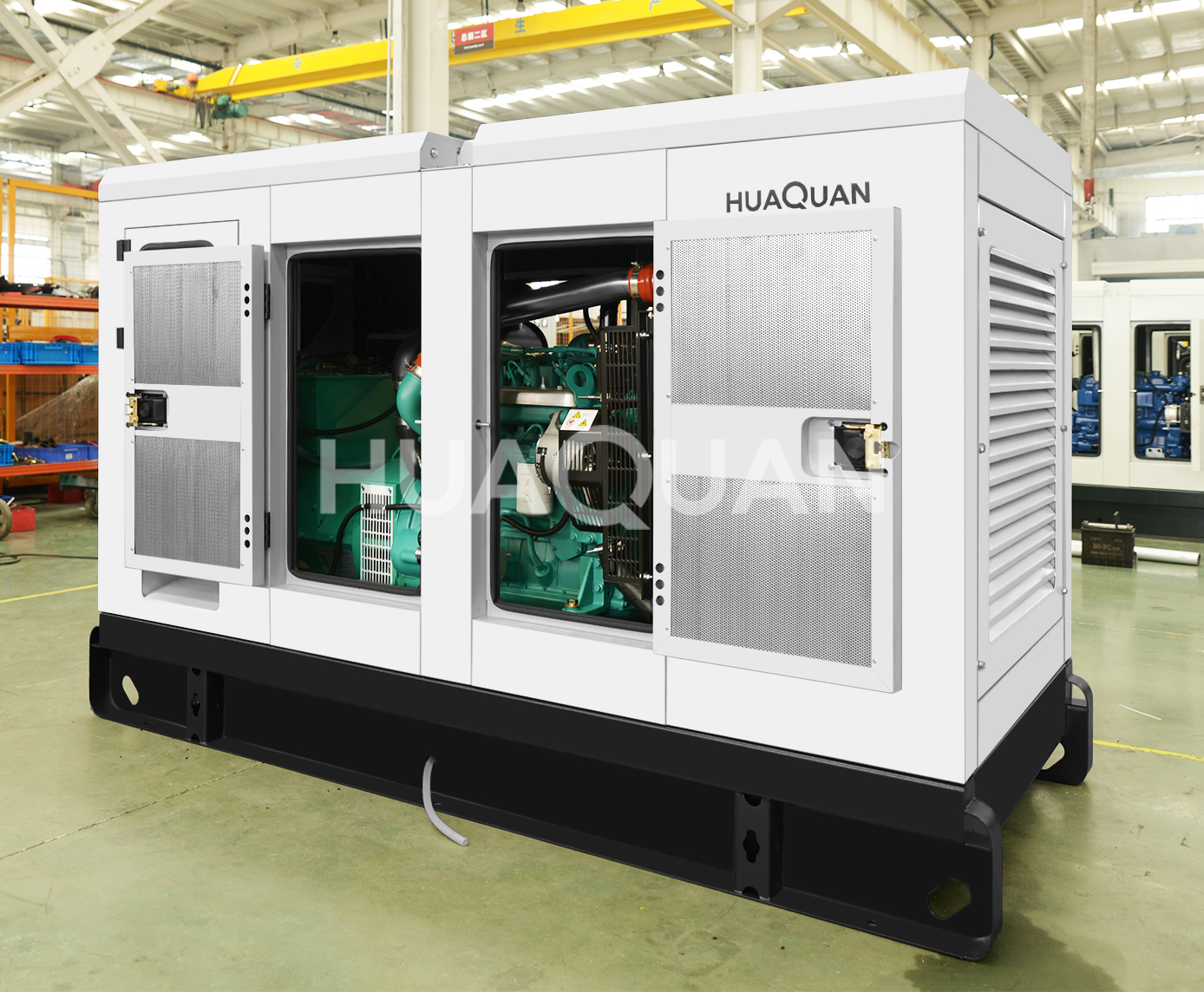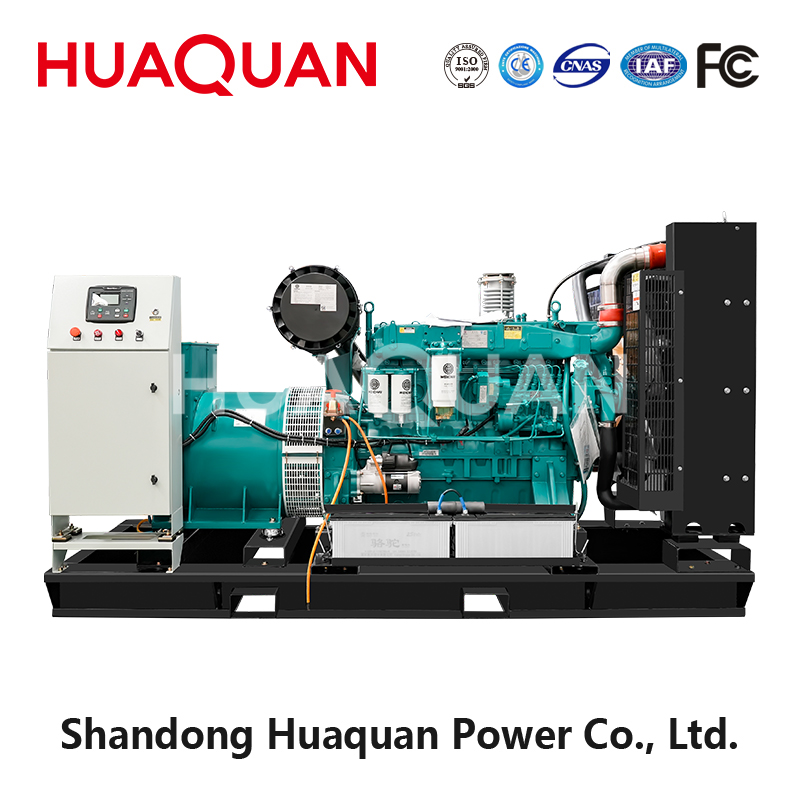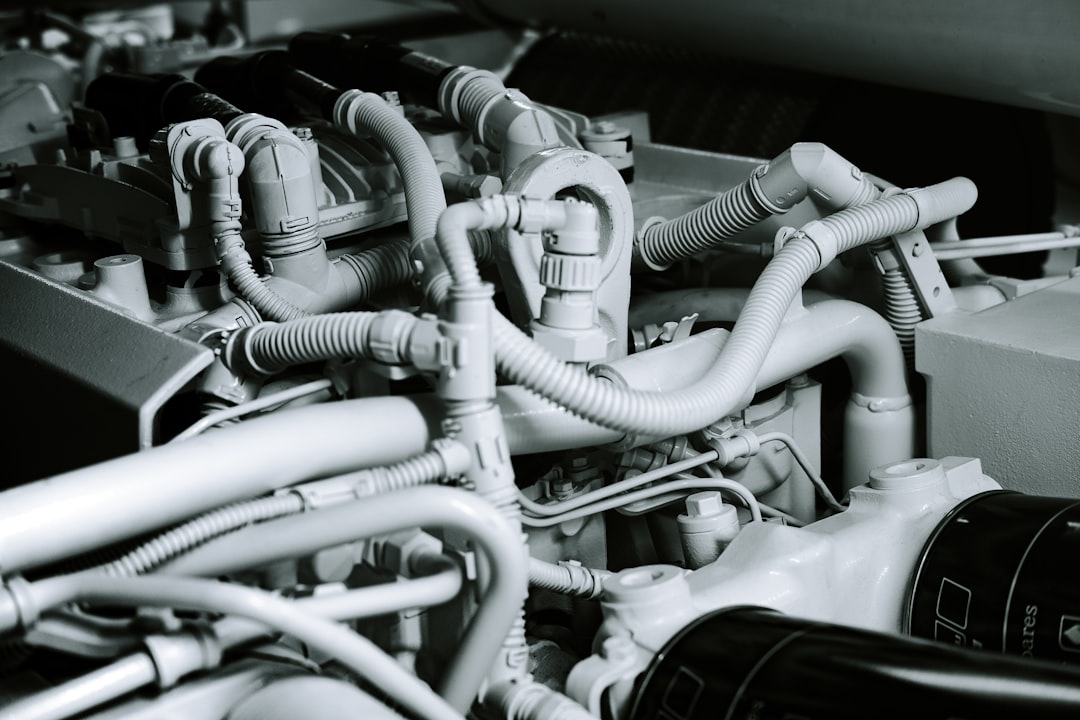
The overspeed trip setting on a Diesel Generator engine defines the rotational speed threshold at which the emergency shutdown system activates to prevent catastrophic engine failure. Huaquan Power has prepared this comprehensive guide covering overspeed trip mechanisms, setting standards, and maintenance requirements for safe generator operation.
What Is an Overspeed Trip in Diesel Generators?
An overspeed trip is a safety mechanism that shuts down the engine when rotational speed exceeds a predetermined limit. Furthermore, this protection prevents mechanical destruction from uncontrolled engine acceleration. Specifically, Huaquan Power equips every diesel generator with both electronic and mechanical overspeed protection systems for redundant safety coverage. Additionally, overspeed conditions typically occur during governor failure, sudden load rejection, or fuel system malfunction.
Why Overspeed Protection Saves Engines and Lives
Without overspeed protection, a runaway diesel engine can reach speeds that cause connecting rod failure, crankshaft breakage, and flywheel explosion. Furthermore, these failures project debris at lethal velocities, endangering personnel in the generator room. Therefore, Huaquan Power treats overspeed protection as a non-negotiable safety requirement. Moreover, insurance companies and regulatory bodies mandate overspeed trip devices for all commercial generator installations.
| Engine Rated Speed | Overspeed Trip Setting | Percentage Above Rated | Response Time |
|---|---|---|---|
| 1500 RPM | 1650-1725 RPM | 110-115% | <0.5 seconds |
| 1800 RPM | 1980-2070 RPM | 110-115% | <0.5 seconds |
| 3000 RPM | 3300-3450 RPM | 110-115% | <0.3 seconds |
| 1000 RPM | 1100-1150 RPM | 110-115% | <0.5 seconds |
How Does the Overspeed Trip Mechanism Work?
Overspeed trip systems employ either mechanical centrifugal devices or electronic speed sensors to detect excessive engine speed. Furthermore, both types must reliably cut off fuel supply to stop the engine. Therefore, Huaquan Power implements dual-redundant overspeed protection on all industrial-grade generators. Additionally, the shutdown sequence must occur faster than the engine can accelerate to destructive speeds.
Mechanical Overspeed Trip Operation
Mechanical overspeed trips use spring-loaded centrifugal weights mounted on the camshaft or gear train. Furthermore, at normal speeds, spring force holds the weights retracted. Additionally, when engine speed exceeds the trip point, centrifugal force overcomes the spring tension and the weights fly outward, triggering a lever that cuts off fuel. For instance, Huaquan Power uses precision-calibrated mechanical trips that maintain accuracy within ±2% over the engine’s service life.
| Component | Function | Calibration Interval |
|---|---|---|
| Centrifugal weights | Sense rotational speed | Every 2000 hours |
| Spring mechanism | Hold weights until trip speed | Every 2000 hours |
| Fuel cutoff lever | Interrupt fuel supply | Every 1000 hours |
| Reset mechanism | Manual restart after trip | Functional check each start |
Electronic Overspeed Protection Systems
Electronic overspeed systems use magnetic speed sensors that detect gear tooth passage frequency. Furthermore, the control module processes this signal and triggers shutdown through the fuel solenoid when speed exceeds the setpoint. Consequently, electronic systems offer faster response times and adjustable trip settings compared to mechanical devices. Moreover, Huaquan Power integrates electronic overspeed protection within the generator control panel for comprehensive monitoring.
| Feature | Mechanical Trip | Electronic Trip |
|---|---|---|
| Response time | 0.3-0.5 seconds | 0.1-0.2 seconds |
| Adjustability | Fixed (spring change) | Programmable |
| Accuracy | ±2% | ±1% |
| Redundancy | Independent of electrical | Requires power supply |
| Cost | Lower | Higher |
| Maintenance | Periodic calibration | Self-diagnostic |
What Causes Diesel Generator Overspeed Conditions?
Understanding overspeed causes helps operators prevent conditions that trigger the emergency shutdown system. Furthermore, most overspeed events result from governor malfunction or sudden load rejection scenarios. Therefore, Huaquan Power designs control systems that anticipate and mitigate these situations before they become dangerous. Importantly, regular testing of the overspeed trip function confirms the protection system remains operational.
| Cause | Mechanism | Prevention Method |
|---|---|---|
| Governor failure | Fuel rack sticks open | Regular governor maintenance |
| Load rejection | Sudden load loss, no speed reduction | Governor response testing |
| Fuel rack binding | Injector pump linkage stuck | Lubrication and inspection |
| Electronic control failure | ECU malfunction | Redundant control paths |
| Combustible gas ingestion | External fuel source enters intake | Proper ventilation design |
How Do You Test and Calibrate Overspeed Trip Settings?
Regular testing ensures the overspeed trip activates at the correct speed threshold. Furthermore, calibration verifies the trip point remains within specification after extended operation. Therefore, Huaquan Power recommends overspeed trip testing during every major service interval. Additionally, testing procedures must follow manufacturer guidelines to avoid accidental engine damage during the test.
Overspeed Trip Testing Procedure
First, ensure the generator room is clear of unauthorized personnel. Furthermore, connect a calibrated tachometer to verify actual engine speed independently. Consequently, gradually increase engine speed using the governor adjustment while monitoring the tachometer. Specifically, the engine should shut down automatically when the speed reaches the overspeed trip setting. Moreover, Huaquan Power provides detailed step-by-step testing procedures in the operation manual for each generator model.
| Test Step | Action | Acceptance Criteria |
|---|---|---|
| 1. Pre-test inspection | Check all fuel cutoff devices | All mechanisms move freely |
| 2. Speed measurement | Verify tachometer accuracy | Within ±0.5% of reference |
| 3. Gradual speed increase | Raise speed at 50 RPM/sec | Smooth acceleration |
| 4. Trip verification | Record trip speed | Within 110-115% of rated |
| 5. Restart confirmation | Reset and normal start | Engine starts normally |
Frequently Asked Questions
Q1: What is the standard overspeed trip setting for a 1500 RPM diesel generator?
A1: The standard overspeed trip setting for a 1500 RPM diesel generator is typically 1650-1725 RPM, which equals 110-115% of rated speed. Furthermore, Huaquan Power sets the electronic trip at 112% (1680 RPM) and the mechanical backup at 115% (1725 RPM) for redundant protection.
Q2: Can I adjust the overspeed trip setting on my generator?
A2: Yes, electronic overspeed trip settings are programmable through the control panel. However, mechanical trip settings require spring replacement or adjustment by qualified technicians. Additionally, Huaquan Power recommends never setting the trip point below 110% or above 120% of rated speed to maintain safety margins.
Q3: What should I do if the overspeed trip activates during normal operation?
A3: An unexpected overspeed trip indicates a governor or fuel system problem that requires immediate investigation. Furthermore, do not restart the generator until a qualified technician inspects the governor, fuel rack, and speed sensors. Therefore, Huaquan Power provides emergency technical support for such situations.
Q4: How often should overspeed trip systems be tested?
A4: Huaquan Power recommends testing overspeed trip systems every 2000 operating hours or annually, whichever comes first. Additionally, perform a functional check of the fuel cutoff solenoid during every scheduled maintenance. Moreover, document all test results for compliance records and insurance requirements.
Q5: What happens if the overspeed trip fails to activate?
A5: If the overspeed trip fails, the engine will continue accelerating until mechanical destruction occurs, potentially causing connecting rod ejection, crankshaft failure, or flywheel explosion. Consequently, Huaquan Power implements dual-redundant systems with both electronic and mechanical trips. Furthermore, any overspeed trip failure requires immediate generator shutdown and repair before returning to service.
Huaquan Power Recommendations: Never bypass or disable the overspeed trip system under any circumstances. Additionally, test both electronic and mechanical trip mechanisms at the recommended intervals. Furthermore, maintain detailed records of all overspeed trip tests and calibrations for compliance. Contact Huaquan Power at +86-159-0536-0210 or visit huaquanpower.net for overspeed protection inspection and calibration services.
⚡ Explore Related Solutions
- 🏭 500kW Diesel Generator
- 🏭 1000kW Diesel Generator
- 🏭 500kW YC Diesel Generator
- 🔧 KMS (Cummins/Doosan) Series
- 🏥 Hospital Generator Solutions
- 📋 Diesel Generator Sets
- 📋 Order Process — How to Buy
- 📋 Contact Us
💡 Need a customized solution? Contact our engineering team for project-specific recommendations.