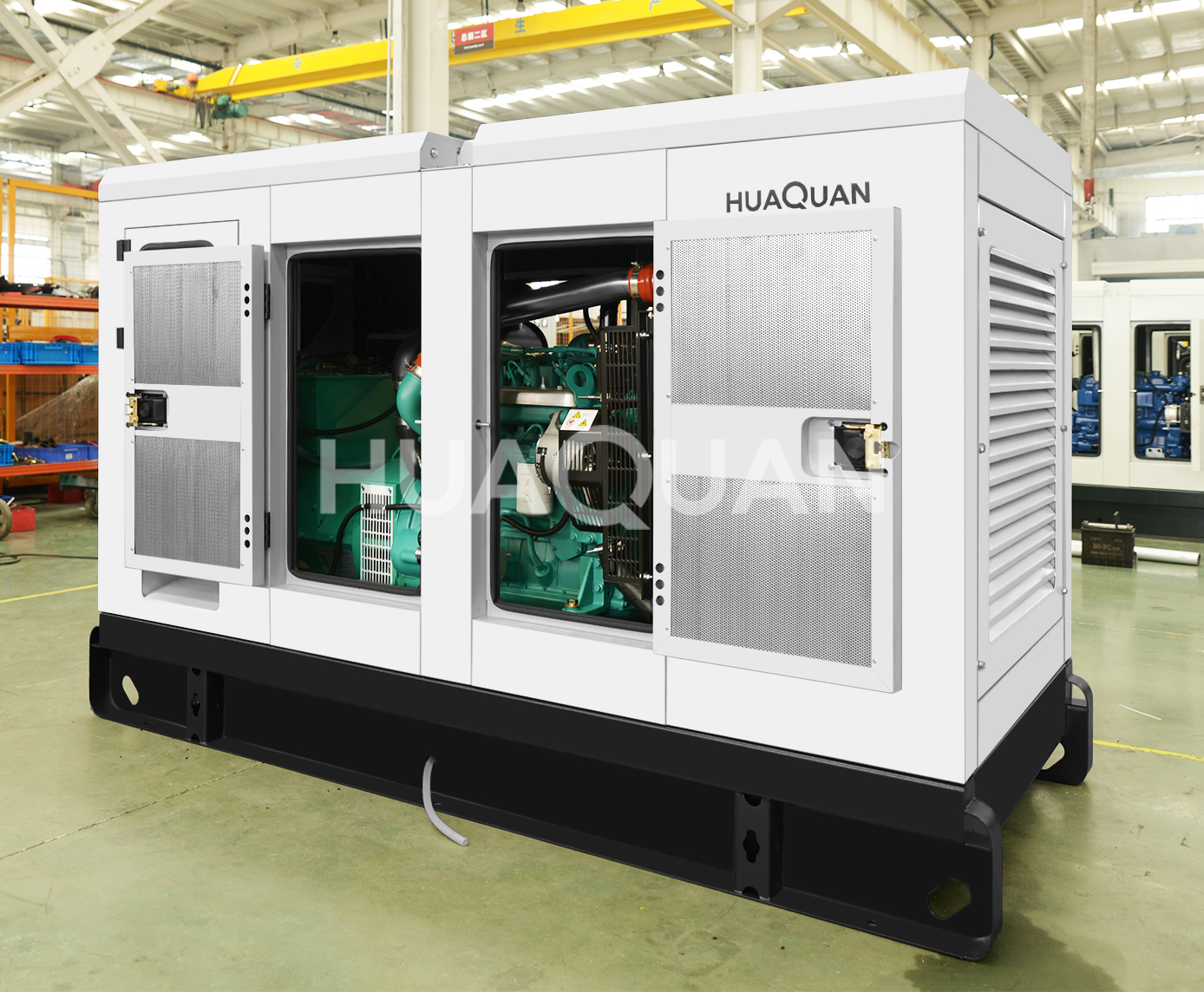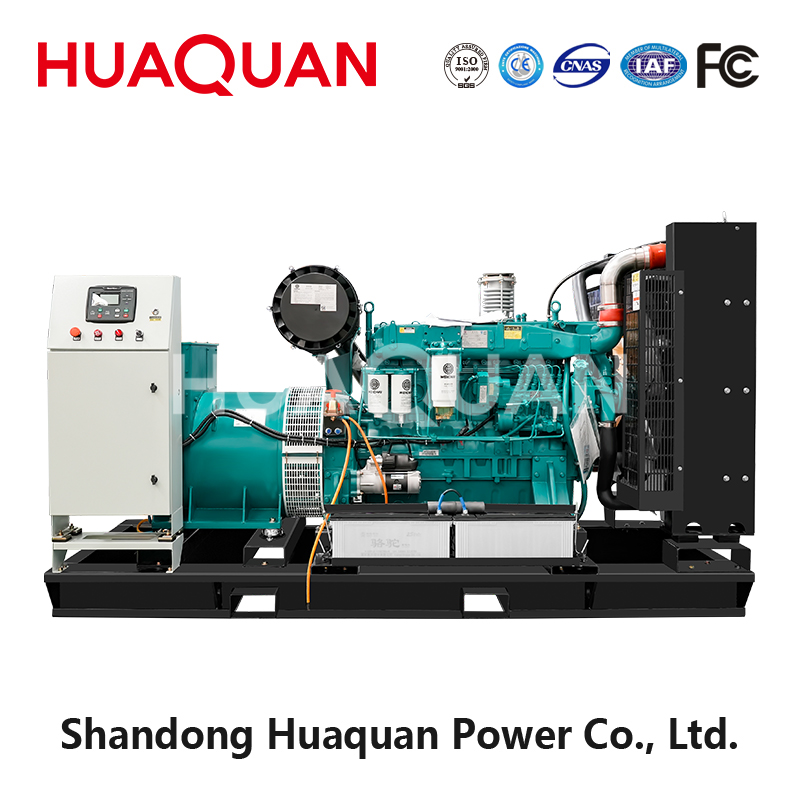
Diesel Generator duty cycle classifications define how long and under what load conditions a generator can operate safely. Huaquan Power provides clear duty ratings including standby, prime, and continuous to help customers select Generators that match their specific power requirements.
What Is Duty Cycle in Diesel Generator Specifications?
Duty cycle classifies the operational capability of a diesel generator based on load levels, running hours, and application type. Specifically, the International Organization for Standardization (ISO 8528) defines three primary duty ratings that manufacturers must follow. Furthermore, selecting the correct duty rating ensures that the generator operates within its design limits, which prevents premature wear and unexpected failures.
ISO 8528 Duty Rating Definitions
ISO 8528-1 establishes standard definitions for generator duty ratings worldwide. Additionally, these definitions specify the maximum load, running hours, and overload conditions permitted for each rating category. Therefore, engineers and specifiers rely on these classifications to match generators with their intended applications. Moreover, Huaquan Power clearly labels all generator models with their ISO duty rating to simplify selection.
| Duty Rating | ISO Class | Max Average Load | Annual Running Hours | Overload Allowed |
|---|---|---|---|---|
| Standby | ESP | 70-80% of rated | Up to 200 hours | None permitted |
| Prime | PRP | 70% of rated | Unlimited | 10% for 1 hour/12h |
| Continuous | COP | 100% of rated | Unlimited (24/7) | None permitted |
How Does Standby Duty Cycle Differ from Prime Power?
Standby and prime power ratings represent fundamentally different operational requirements. Consequently, understanding these differences prevents costly mistakes in generator selection and application.
Standby Power (ESP) Characteristics
Standby generators serve as emergency backup power sources that operate only during utility outages. Furthermore, these units are designed for intermittent use with limited annual running hours. Specifically, the ESP rating allows the generator to deliver its rated power for the duration of an outage, but the average load over 24 hours must not exceed 70-80% of the standby rating. Additionally, no overload capability is permitted under ESP rating. Therefore, Huaquan Power designs standby generators with cost-effective components that deliver reliable performance during occasional emergency use.
Prime Power (PRP) Characteristics
Prime power generators serve as the primary source of electricity where utility power is unavailable or unreliable. Furthermore, PRP-rated generators can operate unlimited hours per year at varying loads. However, the average load must not exceed 70% of the prime power rating over any 24-hour period. Additionally, PRP generators can deliver a 10% overload for one hour within any 12-hour period. Consequently, Huaquan Power builds prime-rated generators with heavy-duty components, enhanced cooling systems, and larger fuel tanks for sustained operation.
| Feature | Standby (ESP) | Prime (PRP) | Continuous (COP) |
|---|---|---|---|
| Typical application | Emergency backup | Off-grid power | Base-load generation |
| Load factor | 70-80% average | 70% average | 100% constant |
| Running hours/year | Up to 200 | Unlimited | Unlimited (8760) |
| Overload capability | None | 10% for 1h/12h | None |
| Cooling system | Standard | Enhanced | Heavy-duty |
| Engine design life | 5,000-10,000 hours | 15,000-25,000 hours | 30,000-50,000 hours |
| Fuel tank capacity | 8-12 hours | 12-24 hours | 24+ hours |
What Are the Power Ratings of Huaquan Generator Models by Duty Class?
Huaquan Power publishes detailed power ratings for each generator model across all three duty classes. Furthermore, these ratings account for ambient temperature, altitude, and fuel quality factors that affect real-world performance.
| Engine Model | Standby kW | Prime kW | Continuous kW | Frequency | Voltage |
|---|---|---|---|---|---|
| Cummins 6CTAA | 220 | 200 | 180 | 50 Hz | 400V |
| Perkins 1106A | 180 | 165 | 150 | 50 Hz | 400V |
| Volvo TAD734GE | 250 | 225 | 200 | 50 Hz | 400V |
| Deutz BF6M1015 | 400 | 360 | 320 | 50 Hz | 400V |
| MTU 12V2000 | 800 | 720 | 650 | 50 Hz | 400V |
Importantly, the standby rating always exceeds the prime rating for the same engine. Additionally, the continuous rating represents the lowest power output but guarantees unlimited operation at constant load. Therefore, Huaquan Power recommends selecting a generator with a prime rating at least 20% above the expected maximum load to ensure adequate margin.
What Happens When a Generator Operates Beyond Its Duty Rating?
Operating a generator beyond its rated duty cycle accelerates wear, increases failure risk, and voids warranty coverage. Consequently, understanding the consequences of duty cycle violations helps operators maintain proper usage patterns.
| Violation | Short-Term Effect | Long-Term Effect | Warranty Impact |
|---|---|---|---|
| ESP used as PRP | Overheating, high wear | Premature engine failure | Voided |
| PRP overloaded continuously | High exhaust temperature | Piston/cylinder damage | Voided |
| COP load exceeded | Steady temperature rise | Bearing and winding failure | Voided |
| Exceeding annual hours | Increased oil consumption | Reduced engine life | Reduced coverage |
| Overload beyond 10% | Turbocharger stress | Catastrophic engine failure | Voided |
Huaquan Warning: Duty Rating Misapplication
Using a standby-rated generator for prime power applications represents one of the most common and costly mistakes in generator selection. Specifically, the engine, cooling system, and alternator in standby units are not designed for extended operation. Furthermore, continuous duty on a standby generator can reduce engine life by 50-70% compared to a properly rated prime unit. Therefore, Huaquan Power strongly advises customers to select generators based on actual operational requirements rather than initial cost savings.
How to Select the Correct Duty Rating for Your Application?
Selecting the appropriate duty rating requires a thorough analysis of your power needs, operating patterns, and reliability requirements. Furthermore, this analysis should consider both current and future load growth.
| Application Type | Recommended Duty | Load Profile | Selection Rationale |
|---|---|---|---|
| Hospital backup | Standby (ESP) | 0-80% for outages only | Reliable emergency power |
| Data center backup | Standby (ESP) | 50-100% during outages | Critical load protection |
| Remote mining site | Prime (PRP) | 40-90% continuous | Off-grid primary power |
| Construction site | Prime (PRP) | 30-80% variable | Variable load operation |
| Manufacturing plant | Continuous (COP) | 80-100% steady | Constant base-load power |
| Island community | Continuous (COP) | 70-100% 24/7 | Round-the-clock generation |
Duty Rating Selection Checklist
First, calculate the total connected load and estimate the maximum demand. Additionally, determine the expected annual running hours and load variability. Then, consider the required reliability level and any regulatory requirements. Furthermore, factor in a 15-20% margin for future load growth. Consequently, this systematic approach ensures that the selected duty rating matches the actual operational demands.
| Step | Action | Key Question | Decision Point |
|---|---|---|---|
| 1 | Calculate total load | What is the maximum demand (kW)? | Size = demand x 1.2 |
| 2 | Determine running hours | How many hours per year? | Under 200h = ESP, Over 200h = PRP |
| 3 | Assess load variability | Is the load constant or variable? | Constant = COP, Variable = PRP |
| 4 | Check regulatory needs | Are there code requirements? | Comply with local standards |
| 5 | Add growth margin | Will loads increase? | Plan for 15-20% growth |
| 6 | Select rating | Match profile to duty class | Confirm with Huaquan |
Frequently Asked Questions About Diesel Generator Duty Cycle
Q1: Can I use a standby generator for prime power temporarily?
Temporary use of a standby generator for prime power is possible but should be limited to a few weeks maximum. Furthermore, you must reduce the load to 70% of the standby rating and increase maintenance frequency. Additionally, monitor engine temperatures and oil condition closely during extended operation. Therefore, Huaquan Power recommends transitioning to a properly rated prime generator for any long-term power needs.
Q2: How does altitude affect duty cycle ratings?
Above 1000 meters elevation, diesel engines lose approximately 3-5% of their rated power per 500 meters of additional altitude. Furthermore, this derating applies to all duty classifications. Additionally, Huaquan Power provides altitude derating charts for each generator model to help customers select the correct unit for high-altitude installations.
Q3: What maintenance schedule applies to each duty rating?
Standby generators follow time-based maintenance (monthly, quarterly, annually) regardless of running hours. Furthermore, prime power generators require hour-based maintenance intervals every 250-500 operating hours. Additionally, continuous-duty generators may need more frequent oil changes and filter replacements due to constant operation. Therefore, Huaquan Power provides customized maintenance schedules for each duty classification.
Q4: Does the 10% overload on PRP generators damage the engine?
The 10% overload capability built into prime-rated generators is designed for occasional use within specified limits. Specifically, the overload must not exceed one hour within any 12-hour period. Furthermore, the engine and alternator are engineered to handle this temporary overload without damage. However, exceeding these limits can cause overheating and accelerated wear. Consequently, Huaquan Power recommends using the overload capacity only for motor starting transients.
Q5: How do I convert between standby and prime power ratings?
As a general rule, the prime power rating equals approximately 80-90% of the standby rating for the same generator. Furthermore, this conversion factor varies by manufacturer and engine model. Additionally, Huaquan Power publishes both ratings for every model to simplify comparison. Therefore, always refer to the official specification sheet rather than applying a fixed conversion percentage.
Conclusion
Duty cycle classification provides essential guidance for matching diesel generator capabilities with application requirements. Specifically, the distinction between standby, prime, and continuous ratings determines how a generator can be used safely and reliably. Huaquan Power offers generators across all duty classifications with clear ratings and comprehensive documentation. Furthermore, selecting the correct duty rating prevents costly premature failures and ensures that your power generation system delivers reliable performance throughout its intended service life.
Huaquan Power Key Recommendations:
- Never use a standby-rated generator for prime power applications
- Select generators with at least 20% margin above expected maximum load
- Follow Huaquan Power maintenance schedules specific to your duty rating
For expert guidance on diesel generator duty cycle selection, contact Huaquan Power at +86-159-0536-0210 or visit huaquanpower.net.