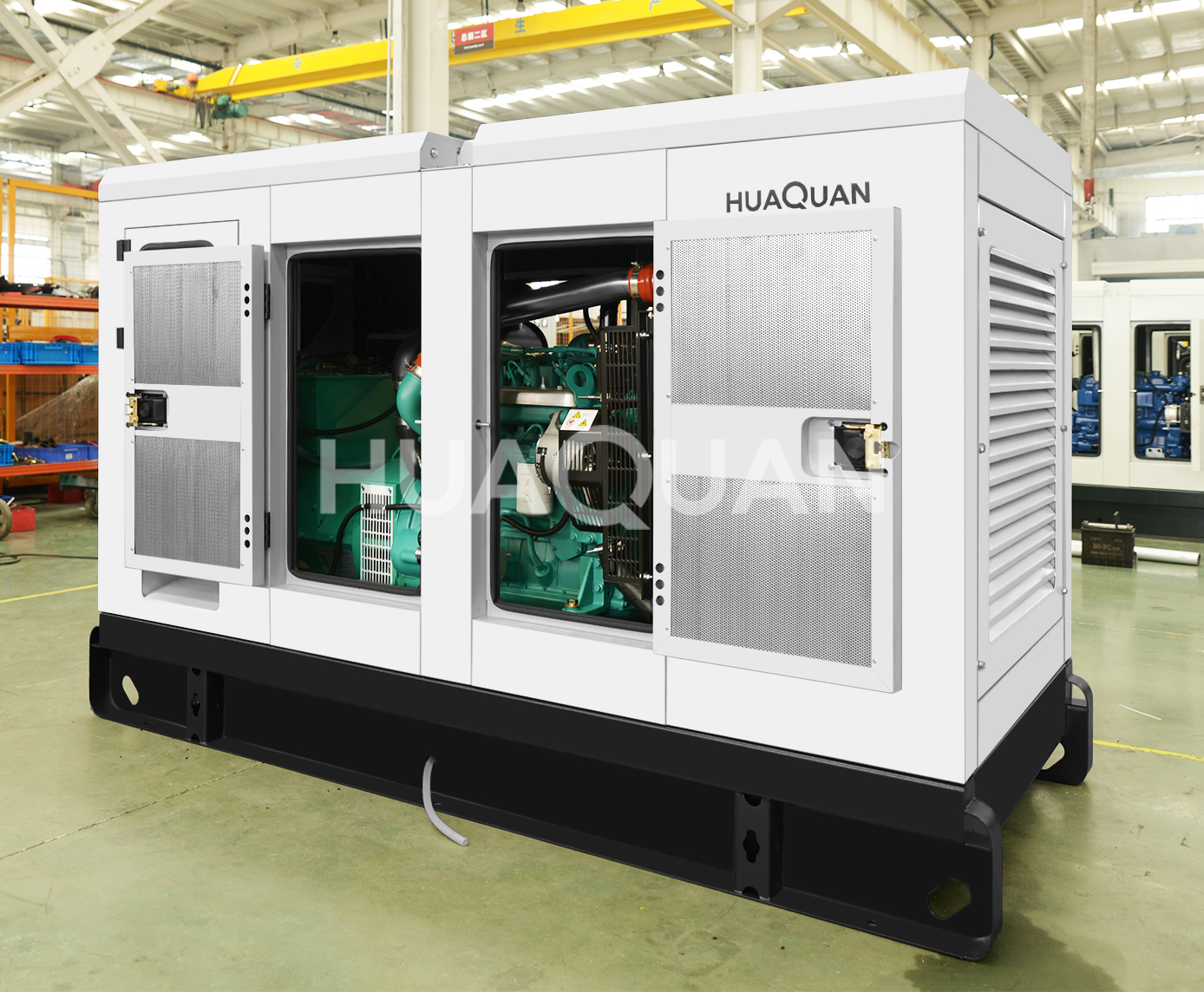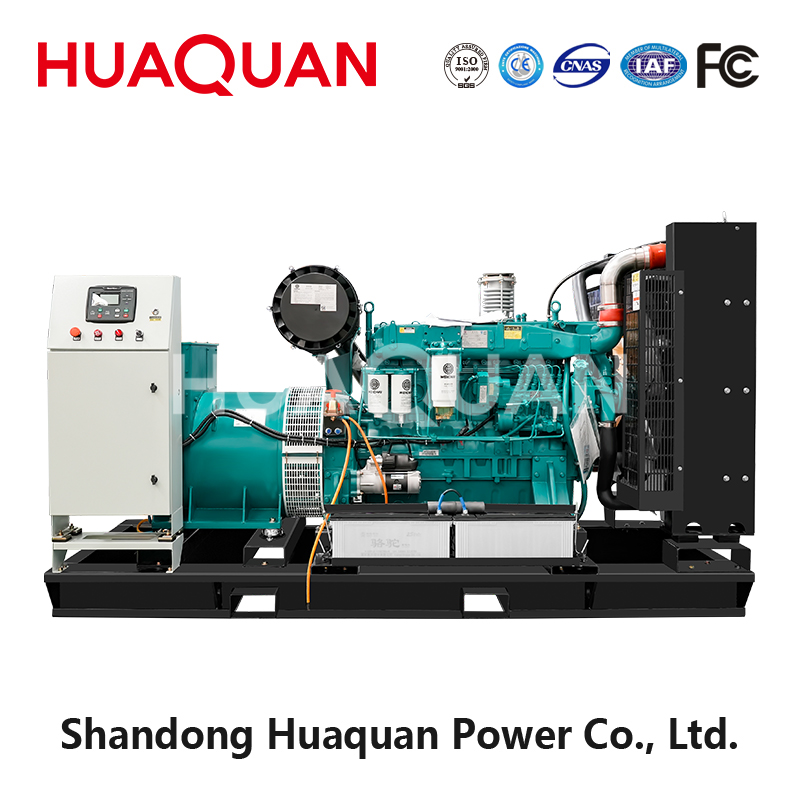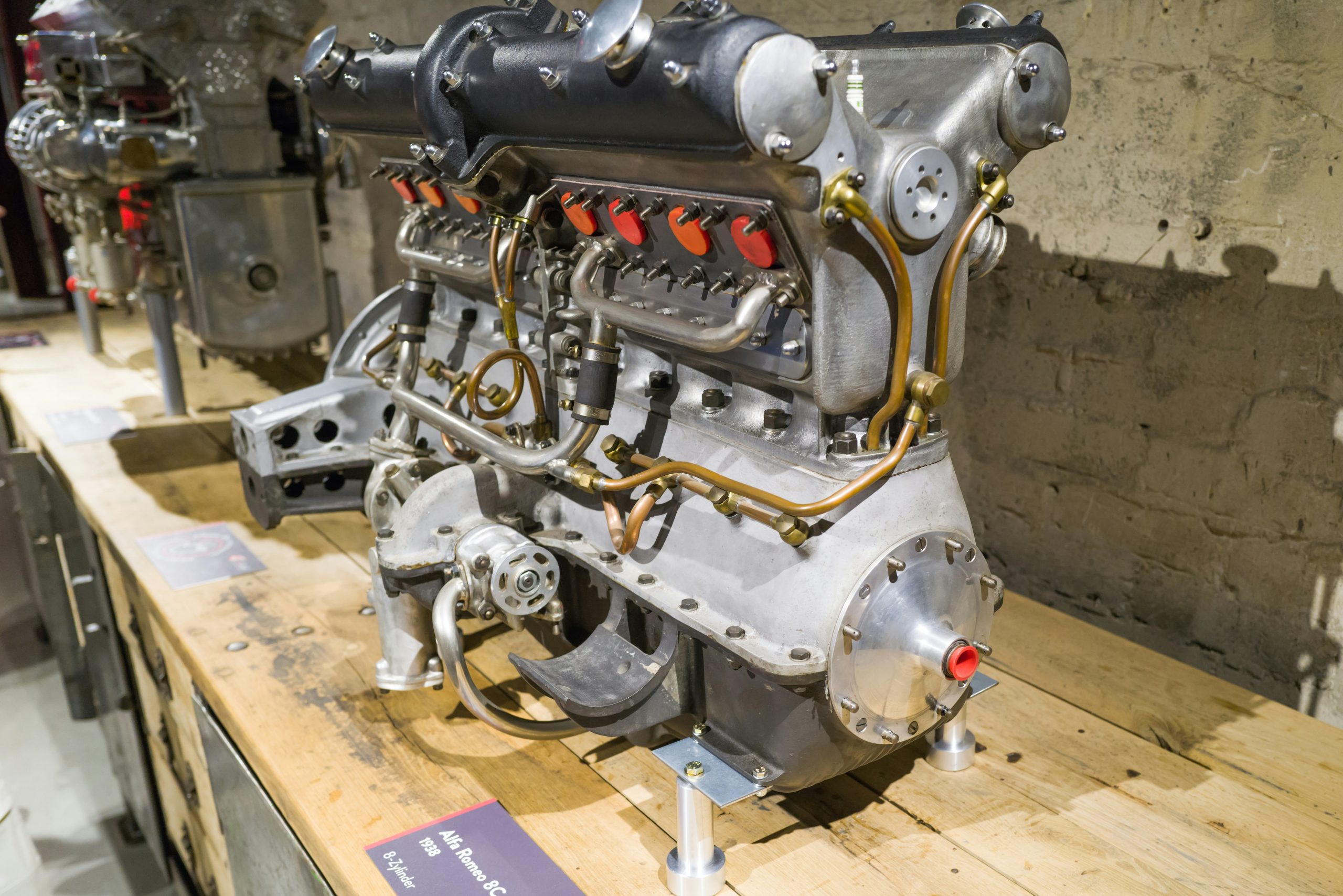
Diesel Generators use several starting methods including electric motor start, air start, and spring start, with electric start being the most common for stationary units. Huaquan Power selects the optimal starting system for each application, and understanding these methods helps you choose the right configuration. Huaquan Power outlines this complete guide on Diesel Generator starting methods.
What Are the Main Starting Methods for Diesel Generators?
Diesel generators require an external force to initiate rotation before combustion can sustain operation. Furthermore, the starting method depends on engine size, application type, and reliability requirements. Specifically, Huaquan Power offers three primary starting systems across its product line.
Starting Method Overview
Each starting method converts stored energy into rotational force to crank the engine. Additionally, the choice of starting method affects maintenance requirements, cost, and cold-weather reliability. Moreover, some applications mandate specific starting methods for safety compliance.
| Starting Method | Engine Size Range | Start Time | Reliability | Cost |
|---|---|---|---|---|
| Electric (12V/24V) | Up to 2000 kW | 3-8 seconds | High | Low-Medium |
| Air start | 500-10000 kW | 2-5 seconds | Very High | High |
| Spring start | Up to 30 kW | 5-15 seconds | Medium | Low |
| Hydraulic start | 200-5000 kW | 3-6 seconds | Very High | Very High |
How Does Electric Starting Work on a Diesel Generator?
Electric starting uses a DC motor powered by batteries to crank the engine. Furthermore, the starter motor engages a ring gear on the engine flywheel, providing the initial rotation. Specifically, Huaquan Power uses heavy-duty starter motors rated for thousands of start cycles.
Electric Start System Components
The electric start system includes several critical components that must work together reliably. Additionally, battery condition directly determines starting performance. Consequently, Huaquan Power specifies battery sizing calculations for each installation.
| Component | Function | Failure Mode | Maintenance |
|---|---|---|---|
| Starter motor | Converts electrical to mechanical energy | Brush wear, solenoid failure | Inspect annually |
| Battery bank | Stores cranking energy | Sulfation, capacity loss | Test quarterly |
| Battery charger | Maintains battery charge | Float voltage drift | Verify monthly |
| Solenoid | Engages starter gear | Contact pitting | Replace as needed |
| Cables and terminals | Deliver current to starter | Corrosion, loose connections | Clean and tighten quarterly |
What Voltage Should the Electric Start System Use?
Electric start systems operate on either 12V or 24V DC, with the choice depending on engine size. Furthermore, larger engines require more cranking torque, which 24V systems deliver more efficiently. Specifically, Huaquan Power uses 12V for generators up to 200 kW and 24V for larger units.
| System Voltage | Engine Range | Typical Battery Configuration | Cranking Current |
|---|---|---|---|
| 12V | Up to 200 kW | 1x or 2x 12V in parallel | 400-800A |
| 24V | 200-2000 kW | 2x 12V in series | 600-1500A |
| 24V dual | 500+ kW | 4x 12V (2 series, 2 parallel) | 1200-2000A |
How Does Air Starting Work and When Is It Required?
Air starting uses compressed air to drive a pneumatic motor that cranks the engine. Furthermore, this method provides extremely reliable starting independent of electrical systems. Moreover, Huaquan Power specifies air start for large industrial and marine generators where electric start may not deliver sufficient cranking torque.
Air Start System Requirements
| Requirement | Specification | Purpose | Notes |
|---|---|---|---|
| Air pressure | 25-30 bar | Provides cranking force | Must maintain above 15 bar |
| Air receiver volume | Sufficient for 6 starts | Ensures multiple attempts | Per classification rules |
| Air compressor | Auto-recharge to 30 bar | Maintains pressure | Dual compressor for redundancy |
| Piping material | Stainless steel or copper | Corrosion resistance | Minimum 25mm bore |
What Is Spring Start and When Should You Use It?
Spring start systems store mechanical energy in a wound spring that releases to crank the engine. Additionally, these systems operate without batteries or compressed air, making them ideal for remote or emergency applications. However, spring start suits only small engines up to approximately 30 kW.
| Feature | Spring Start | Electric Start | Air Start |
|---|---|---|---|
| External power required | None | Battery + charger | Compressor + receiver |
| Max engine size | ~30 kW | ~2000 kW | ~10000 kW |
| Cold start capability | Limited | Good with heaters | Excellent |
| Maintenance | Very low | Medium | Medium-high |
| Cost | Low | Medium | High |
How to Troubleshoot Starting System Failures?
Starting failures rank among the most common generator problems. Furthermore, most starting issues trace back to battery problems, fuel supply, or control system faults. Therefore, Huaquan Power provides systematic troubleshooting guides with every generator.
Common Starting Failure Diagnosis
| Symptom | Likely Cause | Diagnostic Step | Solution |
|---|---|---|---|
| Starter does not engage | Dead battery | Measure battery voltage | Charge or replace battery |
| Starter clicks but no crank | Bad solenoid or connection | Check voltage at starter | Replace solenoid or clean connections |
| Engine cranks slowly | Weak battery or thick oil | Load test battery | Replace battery or preheat engine |
| Engine cranks but no fire | Fuel or glow plug issue | Check fuel supply | Bleed fuel system, check glow plugs |
| Intermittent starting | Loose connection | Wiggle test cables | Tighten and clean all connections |
What Safety Features Protect the Starting System?
Huaquan Power incorporates multiple safety features to protect the starting system and operators. Furthermore, these features prevent damage from repeated start attempts and unsafe conditions. Additionally, the control system monitors starting parameters and inhibits operation when conditions are unsafe.
| Safety Feature | Function | Setting | Consequence of Override |
|---|---|---|---|
| Crank limit timer | Prevents starter overheating | 30 seconds max crank | Starter motor burnout |
| Rest period timer | Cooling between attempts | 15-30 second pause | Starter damage |
| Maximum attempts | Stops repeated failures | 3 consecutive attempts | Battery drain, equipment wear |
| Overcrank shutdown | Protects against failed starts | Alarm after 3 failures | Unnecessary battery discharge |
Frequently Asked Questions
Q1: Can I add an air start system to a generator that came with electric start?
Retrofitting air start to an electric-start generator is technically possible but requires significant modifications. Specifically, you need to install an air starter motor, air receiver, piping, and compressor. Furthermore, Huaquan Power recommends ordering the air start option at the factory for the most reliable and cost-effective installation.
Q2: How long should a starter motor last on a diesel generator?
A quality Starter Motor typically lasts 5,000 to 10,000 start cycles under normal conditions. Additionally, standby generators that start weekly for testing accumulate approximately 50 cycles per year. Therefore, Huaquan Power starter motors should last the entire generator service life in standby applications with proper maintenance.
Q3: What battery maintenance ensures reliable electric starting?
Regular Battery maintenance includes checking electrolyte levels monthly, cleaning terminals quarterly, and performing load testing semi-annually. Furthermore, Huaquan Power recommends replacing batteries every 3-5 years regardless of apparent condition. Additionally, keeping the battery charger operational at all times prevents unexpected starting failures.
Q4: Does Automatic Transfer Switch (ATS) affect the starting system?
Yes, the ATS sends the start signal to the generator when utility power fails. Moreover, the ATS start delay setting affects how quickly the generator begins cranking. Consequently, Huaquan Power configures ATS timing to balance quick response with avoiding unnecessary starts during momentary power blips.
Q5: Can a generator start automatically without operator intervention?
Yes, Huaquan Power standby generators start automatically when the ATS detects utility failure. Furthermore, the entire sequence from power loss to full load transfer completes within 10-15 seconds. Additionally, the control system performs automatic crank, warm-up, and load transfer without any manual intervention.
In summary, selecting the right starting method depends on engine size, application requirements, and environmental conditions. Furthermore, Huaquan Power offers electric, air, and spring start options to match every need. Contact Huaquan Power for expert guidance on choosing the optimal starting system for your generator installation.