 Generators" width="1214" height="753" srcset="https://huaquanpower.net/wp-content/uploads/2026/03/Capture.png 1214w, https://huaquanpower.net/wp-content/uploads/2026/03/Capture-768x476.png 768w" sizes="auto, (max-width: 1214px) 100vw, 1214px" />
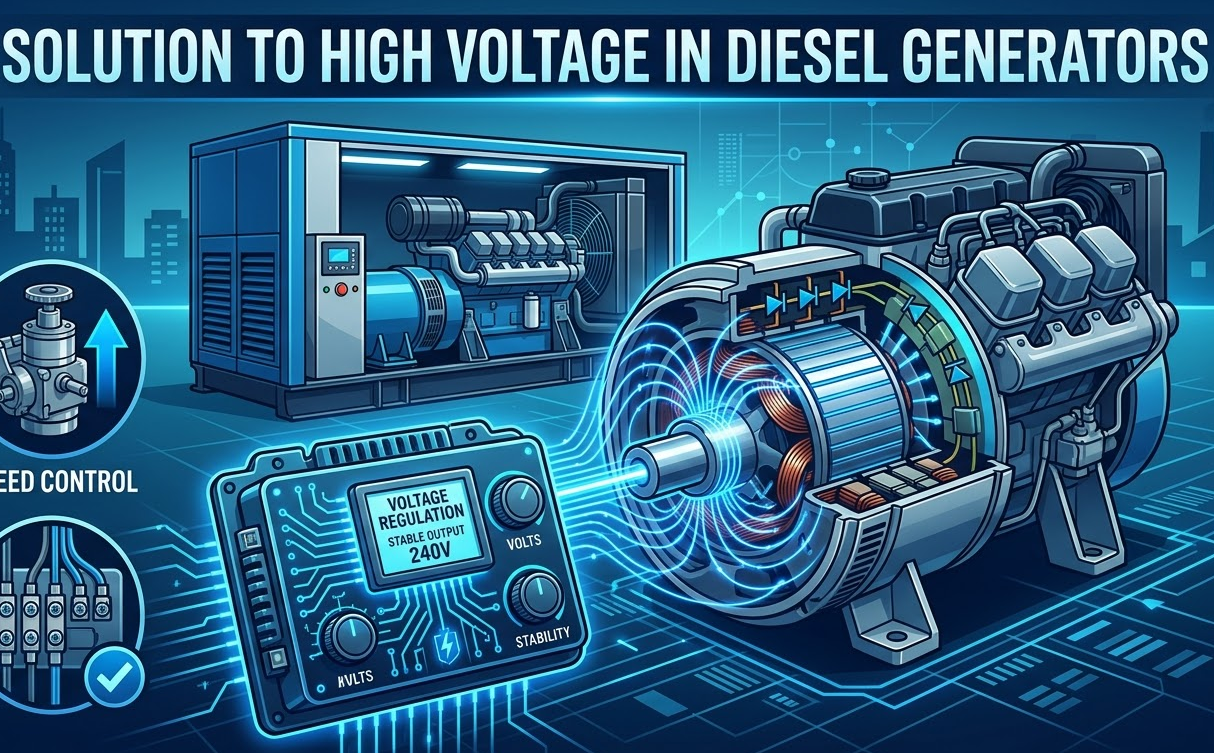
Managing high voltage in diesel generators is important for protecting the equipment and the electrical systems that are connected. If the voltage gets too high it can cause the insulation to fail or it can make the appliances not last long as they should.
1. What is High Voltage in Diesel Generators?
High voltage happens when a generator produces potential that is much higher than it should be. For example, if a generator is supposed to produce 240V, and it is producing 280V, that is high voltage. This issue is also called “overvoltage.” If the output and requirements are not balanced the output can get out of control.
2. High Voltage in Diesel Generators Causes
The main reason for overvoltage is usually a problem with the control systems or mechanical issues. We need to figure out if the problem’s with the electrical or mechanical parts.
2.1 Faulty Excitation System
The excitation system is what gives the alternator the power it needs to work. If the exciter produces much power the magnetic field gets too strong and the generator produces too much voltage. This can happen if there is a circuit in the exciter windings or if the rotating rectifier assembly is not working right. When these parts are not working right the generator can produce much power and cause big problems.
2.2 Wiring & Connection Issues
Specifically, issues with the sensing wires—which tell the regulator what the current output voltage is—can cause major problems. If a sensing wire is loose or broken, the control system may “think” the voltage is zero or very low. In an attempt to compensate for this perceived “low” voltage, the system pushes the excitation to the maximum, resulting in a massive real-world voltage spike. Additionally, poor grounding can create “floating” voltages that appear dangerously high to connected equipment.
2.3 Poor Load Management
Generators are made to work with loads. If the load suddenly drops a lot like when you have load shedding this can cause a spike in voltage for a short time. This happens because the generator’s extra energy has no place to go. Also if you use a generator with a small load or with things that can store energy like long cables or certain motors it can lead to something called self-excitation. In these situations the way electricity works makes the voltage go up on its own. It does not follow the normal controls. This can cause the voltage to stay too high for a time.
2.4 Engine Over-Speeding
The voltage that a generator makes is directly related to how the magnetic field spins around. Diesel engines have a governor that keeps the engine speed steady at 1500 or 1800 rounds per minute. If the governor breaks or the fuel system gets stuck the engine can start to go fast. As the engine speed increases, the frequency and voltage of the electricity also go up quickly. Because the alternator is spinning faster than it is supposed to, it makes electromagnetic force and this results in electricity that is much stronger than what the generator is made to handle safely.
 Diesel Generator moisture protection components including electrical system fuel system and cooling system" width="1408" height="768" srcset="https://huaquanpower.net/wp-content/uploads/2026/03/diesel-generator-moisture-protection-components.jpg.jpeg 1408w, https://huaquanpower.net/wp-content/uploads/2026/03/diesel-generator-moisture-protection-components.jpg-768x419.jpeg 768w" sizes="auto, (max-width: 1408px) 100vw, 1408px" />
2.5 Faulty Automatic Voltage Regulator (AVR)
The AVR is the “brain” of the generator’s voltage control. A common failure mode is for the AVR to “fail open,” sending full excitation power to the field regardless of the actual output. This is perhaps the most frequent cause of high voltage, as a malfunctioning AVR loses its “feedback loop” capability.
3. High Voltage in Diesel Generators Solutions
Correcting high voltage requires a systematic approach to recalibrate or replace the components responsible for regulation and engine stability.
3.1 Excitation System Service
If the excitation system is the source, a thorough bench test of the rotating diodes and the exciter stator is necessary. Use a multimeter to check for shorts or “open” circuits in the windings. If a diode has blown, it must be replaced with a part of the exact same rating.
3.2 Check Electrical Connections
You need to check all the control and sensing wires by doing a “tug test” to make sure they are properly seated in their terminals. This is important. Use a contact cleaner to get rid of any oxidation on the terminals.. Tighten any loose bolts on the busbars. The sensing leads that are connected to the AVR are especially important. This will prevent any signals that can cause the voltage to go up and down or spike.
3.3 Maintain Proper Load Levels
You have to make sure the generator is the right size for what you are using it for. Do not run the generator at more than 30 percent of what it can handle for a long time. This is not good for the generator. If you know you will be turning off a lot of equipment at the time, do it one by one instead of using a single switch.
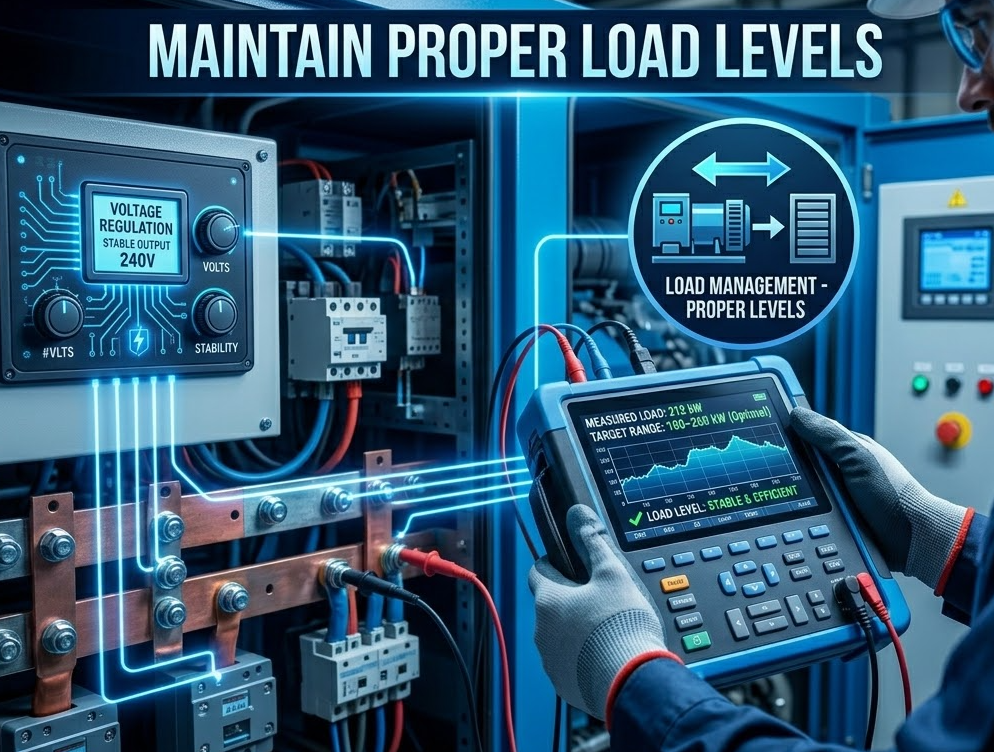
This will help prevent any problems with the voltage. For systems plagued by capacitive “leading” power factors, installing a dummy load (resistive load bank) can help stabilize the voltage by providing the generator with enough “work” to keep the excitation levels within a controllable range.
3.4 Adjust Engine Speed
To check the engine speed use a tool or look at the frequency output, which is usually 50Hz or 60Hz. If the frequency is too high it means the engine is running fast. You need to adjust the engine governor whether it is mechanical or electronic to get the RPM back to what the manufacturer says it should be. On governors you usually need to adjust the speed droop screw or the throttle linkage. You should also make sure the fuel system is clean and the return lines are not blocked because this can prevent engine surges that can cause voltage spikes.
3.5 Replace the Voltage Regulator
When you get an AVR make sure it is compatible with your alternator model. After you install it you need to do a tuning procedure: start the generator with no load and slowly turn the adjustment screw until you get the right voltage. Some modern digital AVRs need to be configured with software to set the stability and under-frequency roll-off parameters so you can prevent overvoltage events when you start or stop the generator.
4. High Voltage in Diesel Generators Preventive Measures
Prevention is always more cost-effective than repair. Proactive management ensures the generator stays within safe operating parameters throughout its lifecycle.
4.1 Use Quality Components
The way to keep the generator safe is to use high-quality parts from the original manufacturer. Cheap parts can be bad because they may not work well and can fail suddenly. Good parts are made to work with the diesel engine and the electrical noise that comes with making power.
4.1 Schedule Regular Maintenance
A robust maintenance schedule should include more than oil changes. Every six months an electrician should perform a load bank test to exercise the generator across its power range. Verify that the voltage remains stable. Inspect the governor linkages for lubrication. Check the AVR settings. Keeping the alternator windings clean prevents overheating.
5. Conclusion
High voltage is a threat to electrical infrastructure.. It can be managed through monitoring and maintenance. By understanding the relationship between engine speed, excitation and regulation operators can prevent damage. A regulated generator is the backbone of any reliable power system.
6. Buy Diesel Generators with Huaquan Power Now!
If you need a diesel generator you should buy from Huaquan Power. They have high-quality generators, with voltage regulators and governors. Their generators are designed to work and last a long time. You should not risk your equipment with power. You should choose Huaquan Power. Contact them today to find the generator for your needs.
⚡ Explore Related Solutions
- 🏭 500kW Diesel Generator
- 🏭 1000kW Diesel Generator
- 🏭 500kW YC Diesel Generator
- 🔧 KMS (Cummins/Doosan) Series
- 📋 Diesel Generator Sets
- 📋 Order Process — How to Buy
- 📋 Contact Us
💡 Need a customized solution? Contact our engineering team for project-specific recommendations.