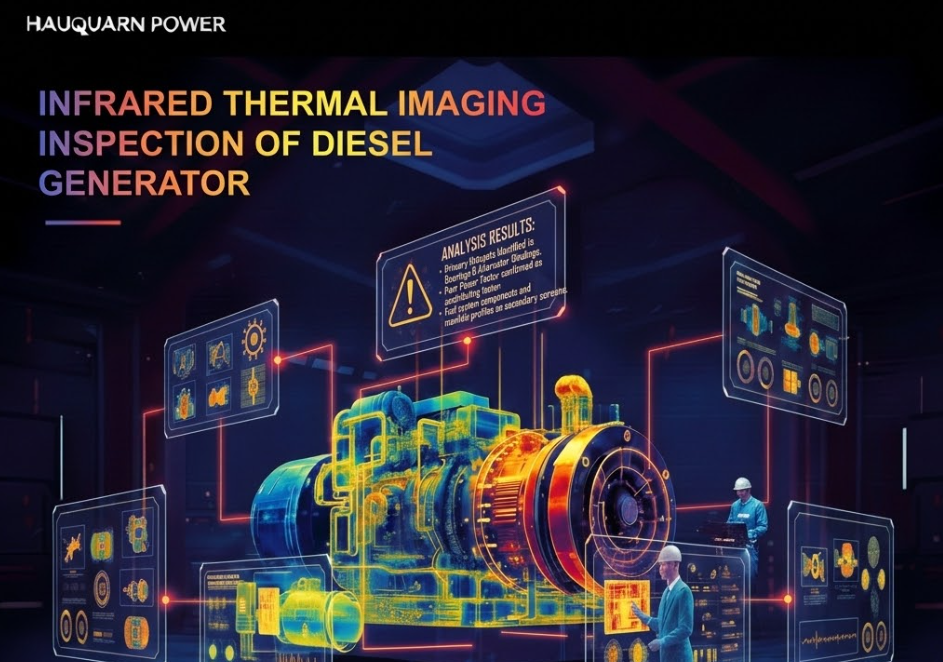
It is an excellent idea to check diesel Generators often so they keep working safely. One way to do this is with a camera that can see how hot things are. The thermal imaging camera helps to see which parts of the diesel generators heat up. In any case, infrared thermal imaging inspection finds problems before the problems get serious.
1. What is Infrared Thermal Imaging Inspection?
Infrared thermal imaging inspection checks equipment for problems based on heat patterns. It has a camera that captures pictures of the heat coming from equipment. Thus, these pictures show how heat moves around parts.
It looks at things like panels, alternators and engine parts to detect areas that are hotter than others. It might mean that there are connections with too much electricity. The good thing is that it can find problems before they get serious.
2. Importance of Infrared Thermal Imaging Inspection
You can see how temperature is distributed across the parts. The patterns show issues that you cannot see with your eyes. Thus, regular infrared thermal imaging inspections help plan maintenance and reduce breakdown. Infrared thermal imaging inspection also gives technicians information about the condition of the system.
2.1 Early Fault Detection
Small problems with parts make them get a little hotter. Hence, thermal cameras can see these changes before anything bad happens. For example, if the electrical terminals are loose they can make resistance that produces heat. The same thing can happen if the bearings are worn out or the circuits are overloaded.
2.2 Prevent Electrical Hazards
The electrical systems in generators produce heat when the current flows through the connections. If the insulation gets bad, the connections get loose and the heat increases. Infrared thermal imaging inspection helps find these conditions. Thermal cameras show the spots in the circuit breakers, cable joints and electrical panels.
2.3 Improved Operational Reliability
It is vital for facilities that need power all the time to have infrared thermal imaging inspection. It helps technicians check the Diesel Generator equipment regularly to compare the temperature readings. Temperature increase might mean that there is a problem developing in the diesel generator.
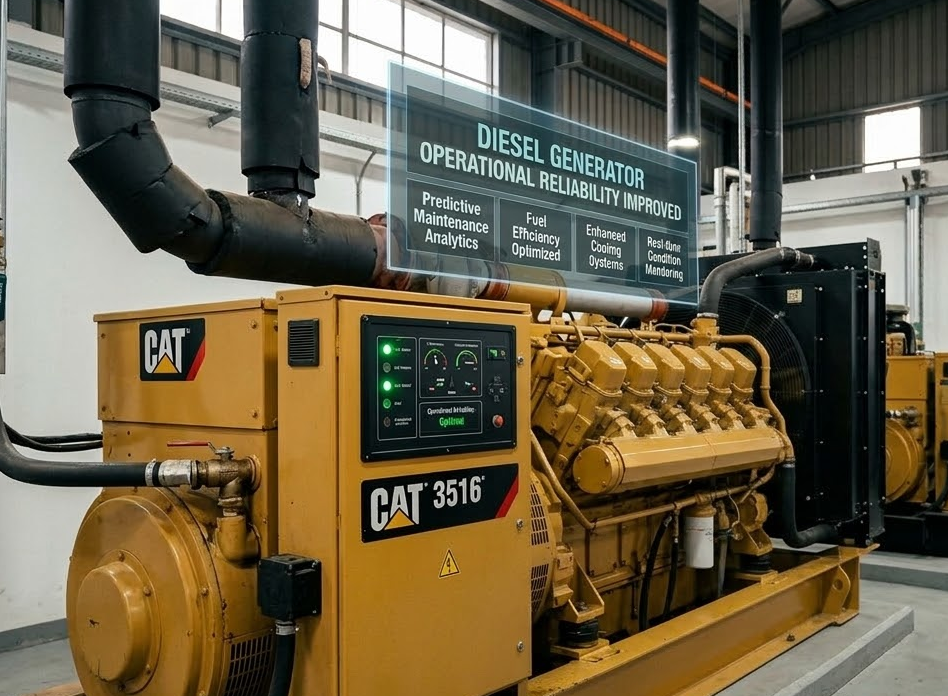
Regular inspections also give information about how the diesel generator’s working. Technicians can see how the heat is distributed across the parts. As a result the diesel generators work consistently with fewer unexpected interruptions.
2.4 Increased Equipment Lifespan
Much heat can make the electrical and mechanical parts of the diesel generator wear out faster. Infrared thermal imaging inspection helps find problems before they cause worse damage. Technicians can find the parts that are getting too hot and fix the problem early to prevent strain on the system. As a result the diesel generators work well for a time.
2.5 Reduced Maintenance Cost
When diesel generators fail suddenly it can be very expensive to fix them. Infrared thermal imaging inspection helps reduce the maintenance costs by finding problems before they become severe in the diesel generator. If technicians find temperature patterns early they can fix the problem without having to replace the parts.
3. Infrared Thermal Imaging Inspection Key Parts
Infrared thermal imaging inspection checks the parts of a generator that get really hot when it is working. Technicians look at how the temperature’s spread out across the electrical and mechanical systems to find unusual patterns. Checking these parts helps find areas that are too hot, indicating malfunctions.
3.1 Cooling System
The cooling system helps keep the engine from getting too hot when the generator is working. Infrared thermal imaging inspection helps technicians see how the heat is spread out across the radiator, the coolant pipes and the cooling fan. If the temperature is not even it can mean that the coolant is not flowing properly.
For example if the radiator is clogged it might get hotter in some areas than in others. If the coolant pipes are damaged it can make the heat spread out unevenly. Checking these parts helps technicians find any problems with the cooling system before the engine gets too hot. Regular checks with imaging make sure that the coolant is flowing properly.
3.2 Engine Components
The engine gets hot when it is working. Therefore, infrared thermal imaging inspection helps technicians check the temperature of the cylinder head, the exhaust manifold and the fuel injection areas. If the heat patterns are not normal it can mean that there is stress on the system or that the fuel is not burning properly.
For instance, if there is excess heat near the cylinder head it could mean that the engine needs more lubrication or that the parts are rubbing against each other. If the heat is not even across the cylinders it can also mean that there is a problem with the fuel. Thus, thermal imaging helps technicians compare the heat patterns in parts of the engine.
3.3 Charging System
Infrared thermal imaging inspection helps technicians check the battery terminals, the charging cables and the other parts of the charging system. If the battery connections are getting too hot it can mean that the terminals are loose or that there is resistance in the electrical system. Thermal images can show these spots quickly.
If the charging cables are damaged they can also generate heat. Hence, finding these problems early allows technicians to tighten the connections and replace the cables.
3.4 Electrical Control Panel
The electrical control panel helps manage the generator and sends power to the systems. Infrared thermal imaging inspection helps technicians check the temperature of the circuit breakers, the relays and the cable connections. Spots in the panel can mean that the circuits are overloaded, the connections are poor or the insulation is bad.
Thermal cameras can show these spots clearly. Hence, the technicians can fix the problem. Regular checks of the control panel help find any imbalance in the phases. Fixing these problems early prevents damage to the equipment.
3.5 Alternator Inspection
The alternator helps turn the energy from the engine into power. Infrared thermal imaging inspection helps technicians check the heat patterns across the alternator windings, the rotor and the outside casing. If the temperature is getting too high it can mean that there is an imbalance in the insulation.
If the heat is not even, across the windings it can signal a problem. Thermal imaging provides a way to find these problems when the generator is working normally. Technicians can compare the heat patterns in parts of the alternator to find problems early. This way the generator is producing electricity reliably.
4. Infrared Thermal Imaging Inspection Process
Infrared thermal imaging inspection process helps technicians check the condition of generators. You start by scanning the mechanical parts for pictures to find heat patterns. These patterns show problems or issues with the system. In general, the process allows the maintenance teams to find problems before they become issues.
4.1 Pre Inspection Preparation
To get results from thermal imaging inspection technicians need to prepare properly. They start by looking at the generator’s maintenance history and finding the parts that need checks. Next technicians get the thermal imaging equipment ready to make sure it works correctly. They make sure the generator is running under optimal conditions.
4.2 Performing the Thermal Scan
When technicians do the scan they use the camera to look at the generator’s parts while it is running. They slowly scan the panels, alternators, cables, engine parts and cooling parts. The camera takes pictures of the temperature differences on the surfaces and turns them into images. The areas that are hotter show up clearly in the picture.
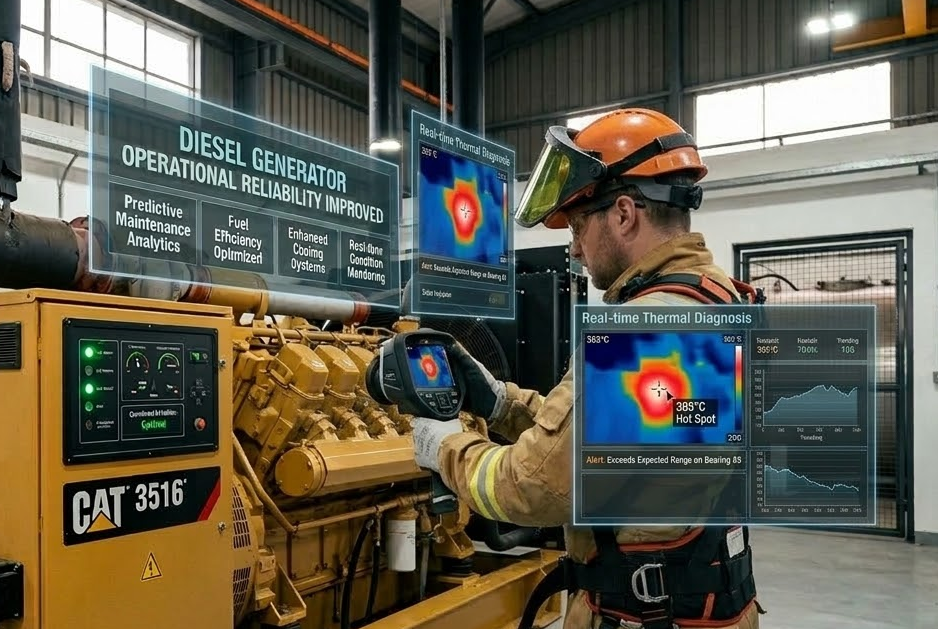
These hot spots can mean that there is a problem with the infrared thermal imaging Home inspection system. Technicians note down each image and hot spots. They use the scanning tech every time to make sure they check all the parts. Thus, the thermal scan gives them a lot of information about how the generators work.
4.3 Data Analysis and Interpretation
After the thermal scan is done technicians look at the pictures for heat patterns. They compare the temperatures of parts to find differences. If a part is hotter than it should be it can mean that there is a problem like a connection or a part that is worn out. Technicians compare the inspection results with thermal records.
This approach helps them see if the temperatures rise over time. To interpret the results accurately technicians need to look at the whole generator system. They decide whether a hot spot is a problem or just a normal part of how the generator works. This means that technicians can plan the maintenance and keep the generator running reliably.
5. Wrapping Up Infrared Thermal Imaging Inspection
Infrared inspection cameras real-time thermal imaging tank inspections is a way to check how diesel generators are working. Looking at the temperature patterns helps technicians to find problems with the parts before they cause the generator to fail. Regular inspections help facilities keep their generators running and make sure they have a power supply.
6. Install Infrared Thermal Imaging Inspection with Huaquan Power
You need to find a reliable company to help you take care of your generator. Huaquan Power will help you with cameras that take pictures using heat. These cameras help you see how your generator is working. Therefore, you can find problems before they become issues. This way you can protect the parts of your diesel generator.
Huaquan Power are the right infrared camera inspection acoustic thermal imaging providers to help your team keep the power on. You do not have to worry about the power going out. When you use the services of Huaquan Power you make your generator safer. Contact Huaquan Power today to learn more!
⚡ Explore Related Solutions
- 🏭 500kW Diesel Generator
- 🏭 1000kW Diesel Generator
- 🏭 500kW YC Diesel Generator
- 🔧 KMS (Cummins/Doosan) Series
- 📋 Diesel Generator Sets
- 📋 Order Process — How to Buy
- 📋 Contact Us
💡 Need a customized solution? Contact our engineering team for project-specific recommendations.