You need backup power that works all the time for your clients because the weather is so unpredictable and the grids are getting old. Diesel Generators are strong and can handle a lot of load, which is what homes need. This guide helps you choose the best diesel options for your home projects by helping you compare models, check technical specs, and make sure you have enough power.
Why Choose a Diesel Generator for Household Backup?
Diesel vs. Other Fuel Types
Diesel vs. Gasoline
Diesel engines last longer than gasoline engines because they run at lower speeds. This cuts down on wear and tear on the inside of the engine by a lot and gives you more power for every gallon you use.
Diesel vs. Natural Gas/Propane
In very bad storms, natural gas lines can break, cutting off power to your home. Diesel lets you safely store fuel on-site, so you’ll always have a reliable power source when the grid goes down.
Real‑World Advantages
Diesel engines give you the high torque you need to turn on heavy appliances like air conditioners. Additives also keep your fuel stable, so your generator will be ready to go after sitting for months.
Diesel Generator Benefits for Home Use
Reliable Power During Long Outages
You can count on getting power even during long blackouts because diesel units are designed to run for days without stopping, only when you need to refuel them.
Lower Long-Term Fuel Cost
Diesel fuel is more efficient, so you save money over time. Compared to running similar propane or gasoline backup units, your operational costs per hour are lower.
Heavy Load Handling
Diesel engines are good at handling sudden power spikes, so you can easily run heavy appliances. Even when big things like air conditioners turn on, your voltage stays the same.
Durability & Low Maintenance
Diesel engines don’t have spark plugs, so they break down less often. Because of their strong build quality, your unit will last longer and need fewer visits from technicians for maintenance.
Key Factors to Consider When Choosing a Home Diesel Generator
Power Output (kW / kVA)
To avoid system failures or damage from overloading, you need to choose the right power output. To figure out how much power your whole house needs, add up the running watts and the extra starting watts that heavy appliances like air conditioners need.
Standby vs. Portable Models
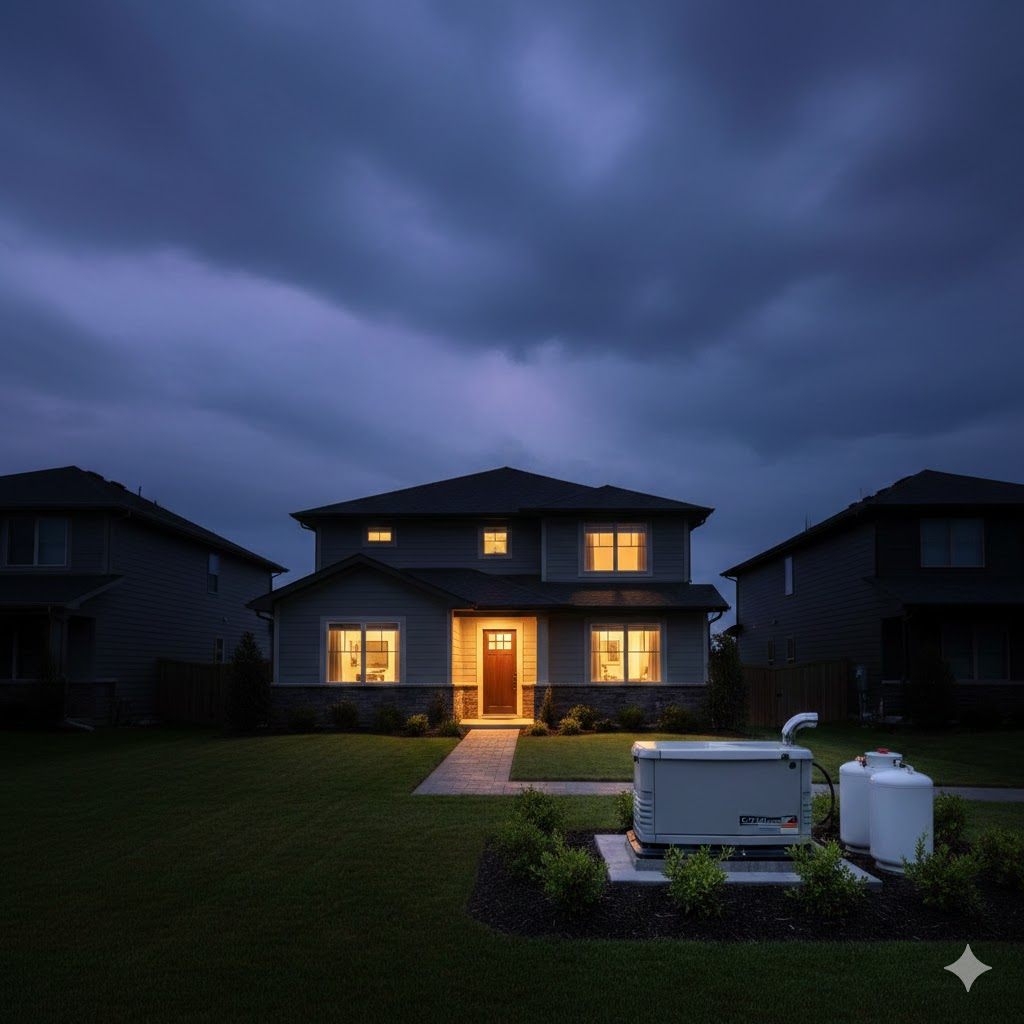
If you want automatic power that kicks in right away when the grid goes down, you should choose standby models. You might like portable units better because they cost less, but you have to set them up and add fuel by hand when the weather is bad.
Runtime & Fuel Capacity
You should think about how long your generator will run during long power outages. You should look for a model with a big sub-base fuel tank that can run for at least 24 to 48 hours, so you can fill it up when you need to.
Noise Level & Enclosure Options
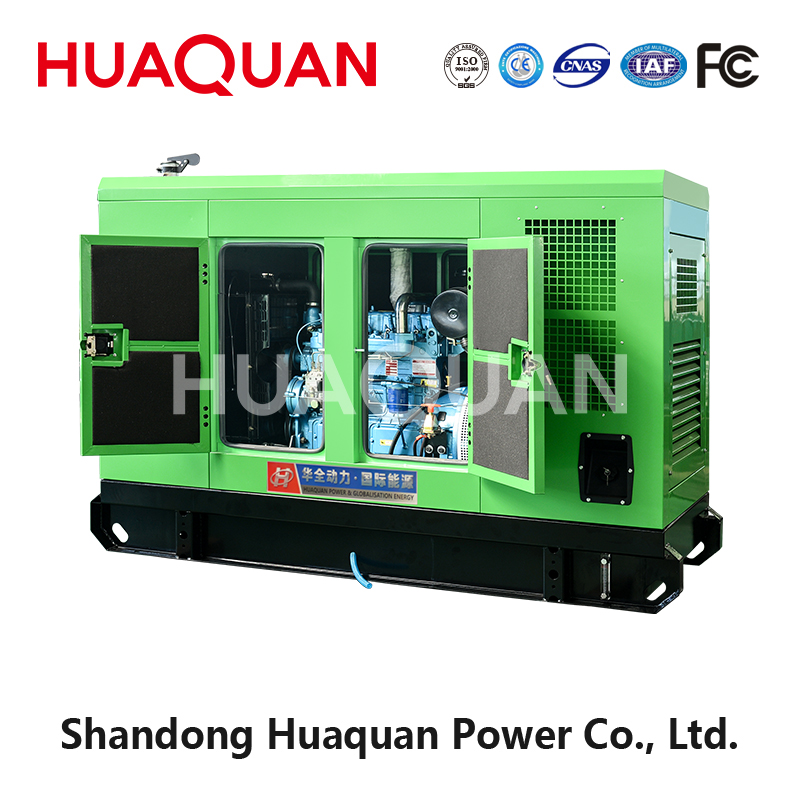
You need to think about how loud the generators are because they can bother your family and neighbors. You should choose a unit with a sound-proof enclosure that keeps noise levels down, so it can be used in quiet residential areas and neighborhoods.
Efficiency, Emissions and Environment
To cut down on harmful exhaust, you should look for newer engines that meet strict environmental standards. High-efficiency models will save you money on fuel and make your generator run longer on a single tank of fuel.
Budget & Total Cost of Ownership
When figuring out the total value, you need to think about more than just the initial purchase price. You should think about the costs of installation and long-term maintenance, since a durable diesel unit can save you money over time by using less fuel.
How to Size a Diesel Generator for Your Home
Assessing Your Power Needs
To get the right size, you need to make a list of all the appliances you want to power during an outage. You should write down the running watts and the higher starting watts for each item. Then, you add up all the running watts and the highest starting watt figure to get your total peak demand.
Using Tools & Professional Surveys
Online calculators can help you get a rough idea, but they often leave out important details about your home’s electrical system. You should think about using manufacturer tools or hiring a professional to do an on-site load analysis. This makes sure that you accurately measure your actual usage patterns during peak times with a clamp meter.
Oversizing Strategy for Future Needs
It is best to make your generator’s capacity 20% to 25% bigger than the load you think it will have. You can easily add future appliances like electric vehicle chargers with this extra headroom. It makes sure that your generator runs well at a lower load percentage instead of having to work hard at full capacity during long outages.
Top Diesel Generator Models Suitable for Household Backup
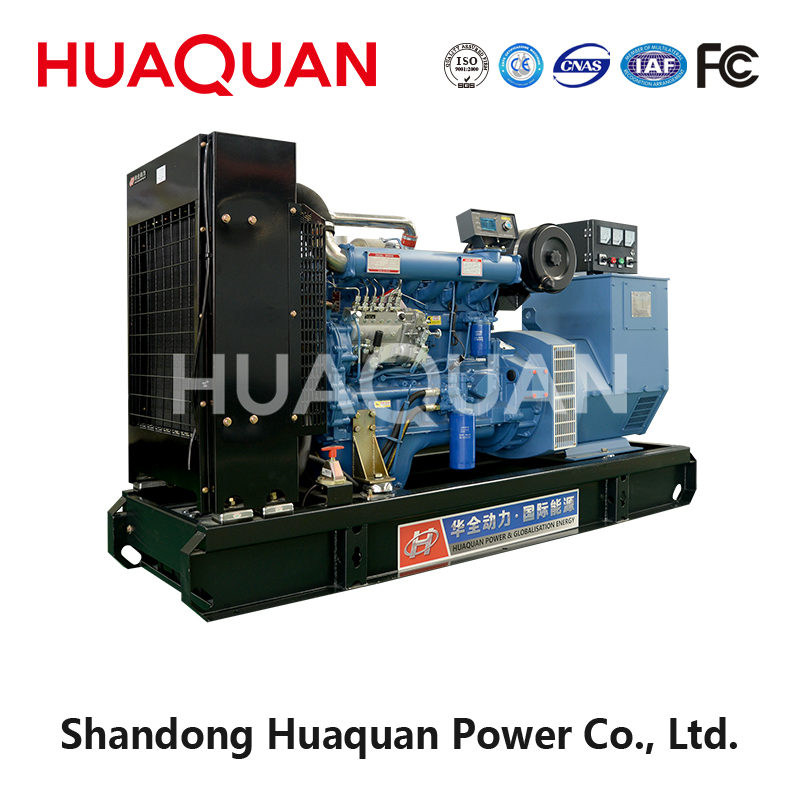
When looking for generators for home projects, the most important things are reliability and the quality of the parts. Here are the best suggestions, including the strong lineup from Huaquan Power, a top manufacturer that makes world-class engines and offers flexible power solutions.
Standby Diesel Generator Models
Model A – (15–20 kW)
Best for: homes with average power needs and backup power.
You should use these small units to power important things like your lights and fridge. The HQ15GF saves you a lot of money on gas and runs quietly, so your home won’t be disturbed.
Model B – (30–40 kW)
Best for: Backing up a whole house or a big house.
This model is necessary for running central air conditioning and other large home appliances. The HQ30GF gives you the power you need to start motors without tripping your main circuit breakers.
Model C – (≥50 kW)
Best for: High-end homes and estates that are in high demand.
You need this strong series for high-end homes with heated pools or guest houses. The HQ50GF is very durable and can hold extra fuel tanks to keep your estate running longer.
Visit huaquanpower.net to see all of the backup options for your home.
Ideas For Brands To Include Based On Top Sources
Huaquan Power uses engines from well-known companies around the world to make sure they work well and can be serviced. When looking at models, look for these engine brands
HUAQUAN
These proprietary engines are made to fit your generator chassis perfectly, so you get power at a low cost.
Perkins
By choosing this British icon known for its high fuel efficiency, you make sure that your premium setup is very reliable.
Cummins
This well-known brand is known for making durable products that work well in homes with continuous power needs.
Yanmar / Kubota
These small, liquid-cooled engines help you save fuel and run quietly in your smaller homes.
Quanchai / Deutz
You can choose these budget-friendly options without giving up the steady performance and torque your system needs.
Portable Diesel Generator Picks
Small‑size (~5–10 kW)
These units are perfect for powering only the things you need, like lights and refrigerators. They are heavier than gas models, but they last a lot longer on a single tank.
Mid‑size (~10–20 kW)
These wheeled units can power a small home, but you have to set them up by hand. They give you enough power to run stronger appliances during a power outage that isn’t too long.
Pros & Cons
Portable diesels save you money up front, but they don’t start automatically. If you’re on a tight budget or need temporary power for certain tasks, they work best.
Silent/Duplex Options
Low Noise Generators
Huaquan’s “Silent Type” series is the best choice because it uses special foam and airflow designs to make less noise. This makes sure you follow the strict rules of your neighborhood and keep your home quiet.
Paired Units
Installing paired generator units in high-end homes will make sure they are always reliable. If one needs to be fixed, the other takes over right away, so you never lose power when you need it most.
Installation & Maintenance Best Practices
Professional Installation
Because installation is not a do-it-yourself job, you need to hire a licensed electrician. They will safely put in the Automatic Transfer Switch (ATS) and make sure that your grounding meets local codes. You also need to check the physical placement to make sure the unit is on a level concrete pad with enough space between the windows to keep carbon monoxide from getting in and to keep floodwater from getting in.
Routine Maintenance Checklist
You need to stick to a strict maintenance schedule to make sure your generator starts up easily when the grid goes down. You should check the unit’s condition visually and run it for twenty minutes every week to keep the seals lubricated. You need to check the coolant, oil levels, and water separators once a month. Every year, you need to change the oil, replace the fuel filters, and check the air intake systems to make sure they work properly.
Safety Tips for Diesel Fuel Storage
You need to treat your diesel fuel to stop algae and other microbes from growing and the fuel from gelling when it’s cold. To keep the fuel clean, you should use a biocide and a fuel stabilizer of high quality. Also, if your local environmental rules say you have to, make sure your fuel tanks have two walls to keep leaks from happening and keep your property safe from the risks of soil contamination that come with storing fuel for a long time.
Conclusion
When choosing the right diesel generator, you need to think about how much power you need, how much noise it can make, and how much money you have. Diesel is the most reliable fuel, no matter how big or small your home is. When you work with Huaquan Power and make sure the installation is done right, you give your clients energy security that can handle even the worst outages.
FAQs
How long will a diesel generator run continuously?
You can run most standby units for twenty-four to forty-eight hours on their base tanks before you need to refuel them.
What Size Diesel Generator Do I Need for My Home?
You typically need a twenty-kilowatt unit for an average home to power essentials and central air conditioning reliably during outages.
Are diesel generators noisy?
You should choose silent models with enclosures because they operate quietly at sixty-five decibels, similar to your central air conditioner unit.
How much does installation cost?
You should budget between three thousand and six thousand dollars for professional installation, including the concrete pad and electrical connections.
Is diesel fuel easy to store at home?
You can store diesel safely, but you must add stabilizers to keep it fresh if stored for more than six months.
Can a diesel generator damage home electronics if not properly sized?
Yes, you risk damaging sensitive electronics with undersized units. You need proper voltage regulation to ensure clean power for your devices.
Can a diesel generator run automatically without homeowner intervention?
Yes, you can enjoy automatic operation with a transfer switch that detects outages and restores your power within seconds.
⚡ Explore Related Solutions
- 🏭 500kW Diesel Generator
- 🏭 1000kW Diesel Generator
- 🏭 500kW YC Diesel Generator
- 🔧 KMS (Cummins/Doosan) Series
- 🏥 Data Center Generator Solutions
- 🏥 Portable Generator
💡 Need a customized solution? Contact our engineering team for project-specific recommendations.