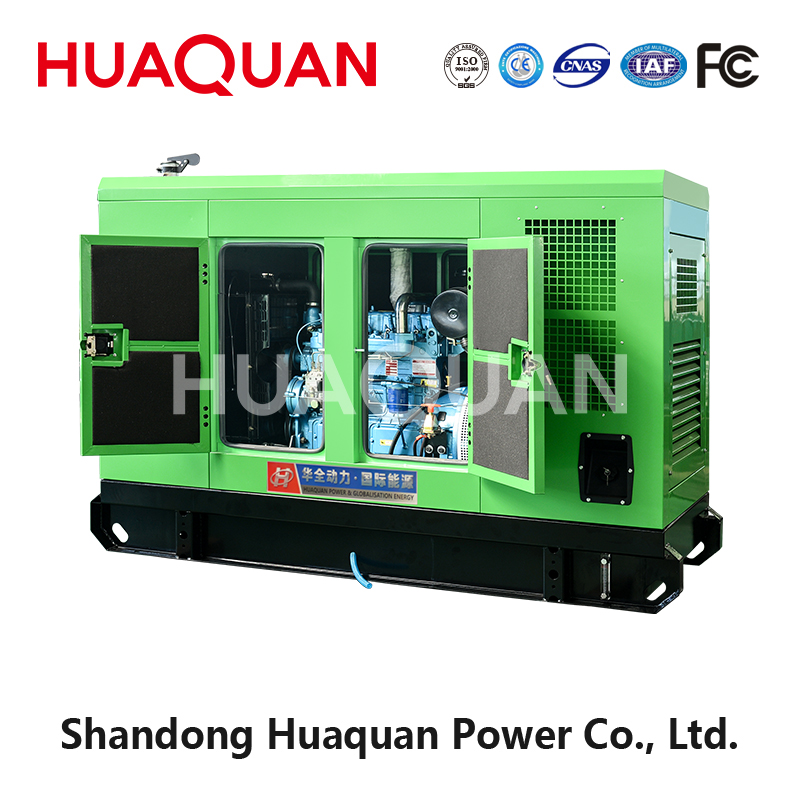
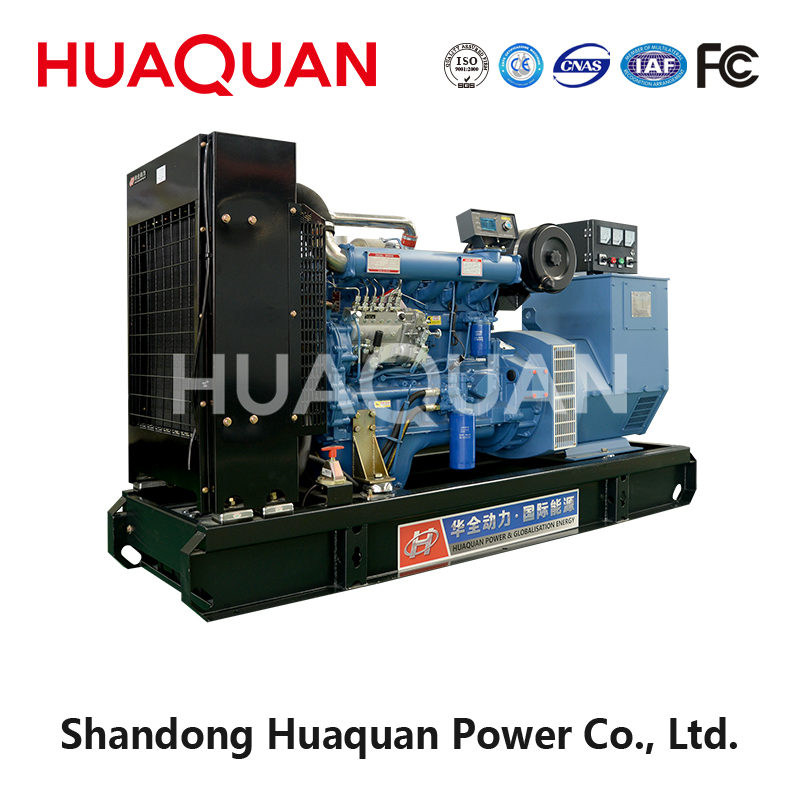
When you rely on a diesel generator for generating power, the efficiency has a direct impact on the performance and operating costs. The efficiency of a generator depends on its fuel consumption, load pattern, and operating conditions. So, when you understand how to measure efficiency and how other factors influence it, you will operate Generators more efficiently and make better decisions with regard to power.
What Does Generator Efficiency Mean?
Generator efficiency is the measure of how efficiently fuel energy is transformed into electrical energy. When efficiency is higher, greater electricity is produced from a similar amount of fuel. Conversely, when efficiency declines, fuel consumption exceeds power output.
Those with industrial facilities regard diesel generators for their sturdy and reliable performance. But you should know that the efficiency will differ based on the size, maintenance, and load of the generator. Meaning, the size alone of the engine doesn’t define its efficiency.
How do Diesel Generators Convert Fuel into Power?
A diesel generator produces electric power with a combined effort of mechanical and electrical energy. When fuel is burned in the engine, the alternator rotates to produce electricity.
Energy is lost in the form of electrical resistance, heat, and friction at every stage. The efficiency of a generator depends on how such losses are controlled. Thus, if the generator is designed well, you can expect very little energy wastage.
Fuel Consumption and Output Relationship
There is a strong relationship between efficiency and fuel consumption rate. In fact, the fuel consumption of a diesel generator is based on the load, not only the runtime. Also, higher loads require more power, which in turn raises the fuel consumption, but the output will increase proportionally.
When the generator operates within the satisfactory load range, you can achieve higher efficiency. But using a generator at low loads often leads to inefficient fuel consumption. In this case, you consume fuel but do not produce the same power output.
Effect of Load Percentage on Efficiency
Diesel engine generators work most efficiently when running at medium or high load. Often, you will find that the operation of the generator is more efficient when it runs between 60-80% of the rated capacity.
However, once it runs below this specified range, you’ll see that the combustion isn’t as effective. Fuel efficiency decreases, and the carbon buildup could increase as well. Also, when you work beyond the rated capacity, you lose some efficiency as the generator can experience overheating and stress.
To prevent all this, you can understand more about the load behavior to ensure that the operations are efficient over time.
Generator Size and Efficiency
The generator size affects the efficiency directly. While large generators reduce fuel efficiency since they work with low loads, small generators struggle to provide enough power and may not function properly under stress.
Therefore, it’s very important that you get a generator of a proper size to ensure that it runs close to its optimal range. By matching sizing with the actual load, fuel wastage is reduced, and the system efficiency will also increase.
Impact of Operating Conditions
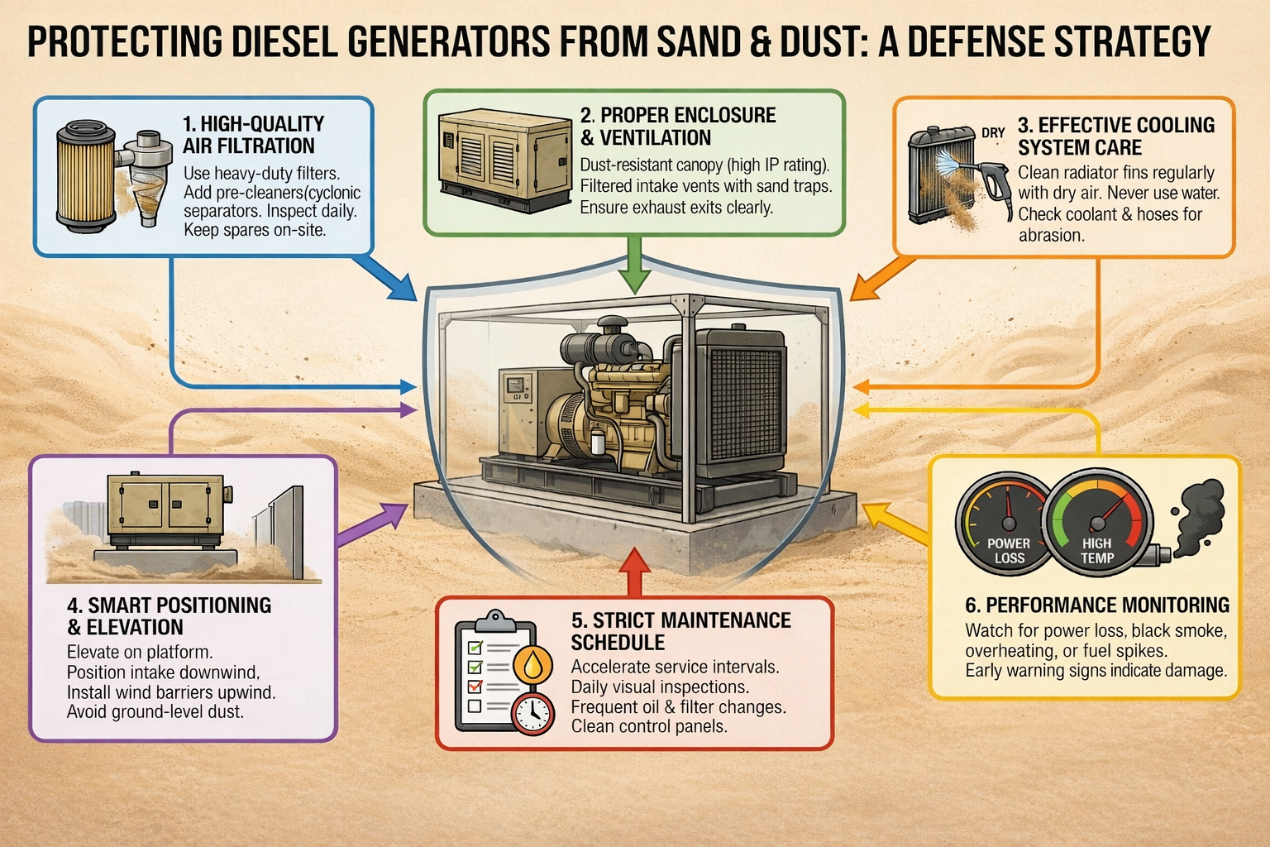
Generator efficiency is affected by the operational and environmental conditions as well. For instance, high temperatures will prevent the engine from performing to the best of its capability. In addition, without proper air circulation, heat accumulates, and fuel consumption goes up.
Don’t forget that altitude has a role to play as well, since combustion is limited in higher elevations. Under these conditions, you may see a reduced power output while the fuel consumption rises.
Therefore, always consider your operating circumstances to keep your efficiency expectations realistic.
The Significance of Maintenance in Generator Efficiency
Maintenance is a key factor in efficiency. An engine works efficiently when you clean the fuel injectors and lubricate the engine properly. Also, if the air-fuel ratio is correct, the engine operates effortlessly.
However, if you don’t maintain it properly, you will see more friction and combustion inefficiency as well. A generator burns more fuel to output a certain amount of power if filters, components, and settings are damaged or incorrect. Thus, maintain the generator regularly to help it retain efficiency.
Electrical Load Type and Efficiency
Different electric loads operate differently from each other. Generators are more efficient at handling resistive loads with steady power, like lighting or heaters.
Inductive loads, on the other hand, need higher initial current, and these include compressors and motors. As a result, the motor starts frequently, increasing fuel consumption during a surge, and leading to less efficient operation. Starting sequence and load type management improve efficiency as a whole.
Efficiency During Continuous Operation
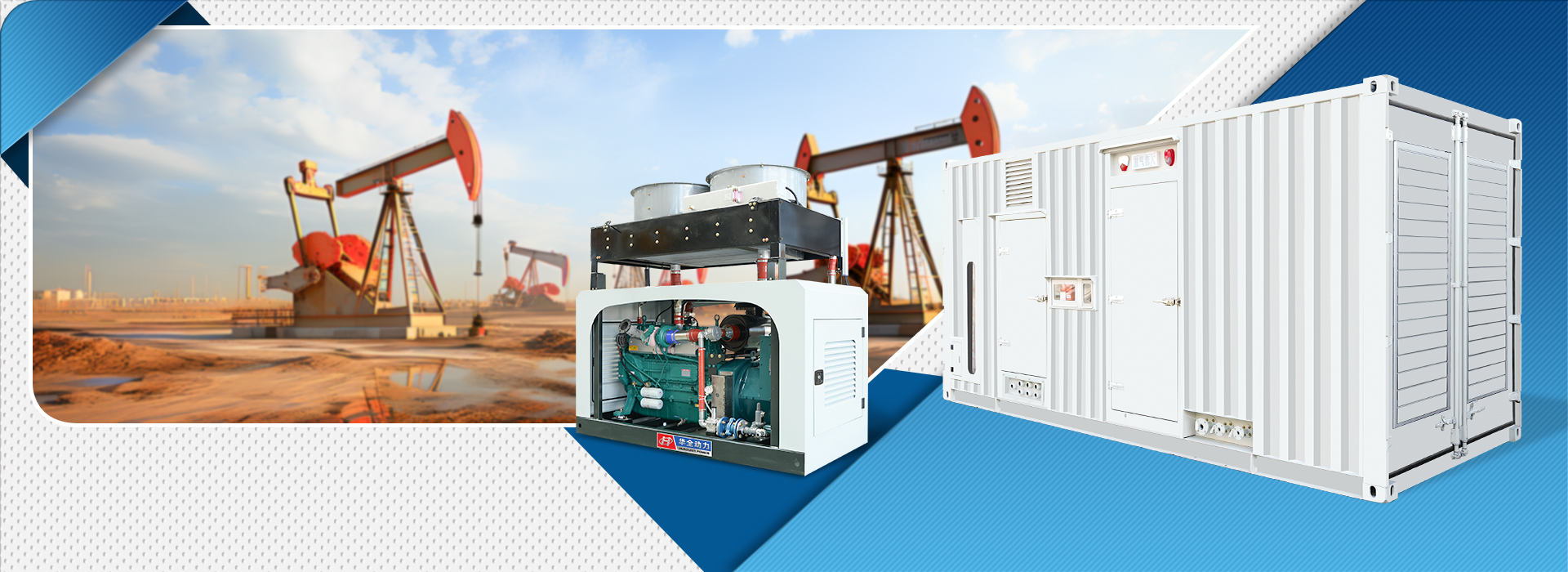
Compared to other fuel types, diesel generators are best suited for continuous operations. If you use the equipment properly, it ensures consistent efficiency over time.
But remember that if you operate it continuously, you need to cool it with a lubricant and also balance the load for smooth operation. Otherwise, the efficiency gradually declines. Therefore, keeping an eye on performance through long hours helps keep output and fuel use stable.
 Gas Generator Set0" width="1920" height="700" srcset="https://huaquanpower.net/wp-content/uploads/2025/12/01-Associated-Petroleum-Gas-Generator-Set.jpg 1920w, https://huaquanpower.net/wp-content/uploads/2025/12/01-Associated-Petroleum-Gas-Generator-Set-768x280.jpg 768w, https://huaquanpower.net/wp-content/uploads/2025/12/01-Associated-Petroleum-Gas-Generator-Set-1536x560.jpg 1536w" sizes="auto, (max-width: 1920px) 100vw, 1920px" />
Standby Operation and Efficiency
Diesel generators make reliability a priority compared to efficiency when operating as standby power. Since its run time is limited, fuel efficiency isn’t viewed as a criticality compared to availability.
In testing and running on occasion, standby applications are most efficient. Proper testing processes help a generator run efficiently when needed without wasting fuel.
With standby applications, however, efficiency takes the front seat during testing. Just make sure that the testing processes are perfect to ensure that the generator works efficiently without the fuel getting wasted unnecessarily.
Fuel Quality and Its Effect on Efficiency
The efficiency of combustion depends on the quality of the fuel. Dirty or poor-quality fuel burns poorly and decreases output. Consequently, the generator has to increase fuel consumption to maintain its power.
Therefore, remember that keeping the diesel clean and storing it correctly enables consistent combustion. In essence, the practice you use to manage fuel helps you maintain efficiency and avoid long-term operating issues.
Tracking Efficiency via Performance Metrics
You can use control panels and controllers to monitor performance data when using modern generators. Further, you can track the fuel usage, operating hours, and load levels.
Remember to revisit this data frequently to identify any patterns indicating inefficiency. Fortunately, you can improve efficiency over time by scheduling maintenance.
Efficiency Compared to Other Power Sources
When operating with large loads, diesel generators can be more efficient than gasoline generators. They also provide higher torque and better fuel economy in large-scale applications.
Overall, grid electricity is usually more efficient when available. Thanks to centralized power, they also get a huge advantage due to the scale and optimization.
However, when reliability and independence are valued more than peak efficiency, diesel generators become harder to beat.
Balancing Reliability and Efficiency
Remember, you shouldn’t assess the efficiency in isolation. Even reliability is just as important in many cases. For example, generators that are a little less efficient will also produce a longer uptime and won’t present the risk of frequent interruptions.
In any case, you should balance your goals of efficiency with reliability requirements. If the situation is critical, you can still justify higher use of fuel.
Conclusion
Factors like load management and maintenance quality affect the efficiency of a diesel generator. You can reduce your fuel consumption while keeping your output running reliably by understanding how efficiency works and changing how you operate your generator. You can see a decrease in costs, stability in functioning, and an increase in the life of equipment with efficient operation.
Huaquan Power offers a variety of diesel generators and power solutions for industrial and commercial applications. Their systems are engineered for efficient operation, stable performance, and reliable power output throughout an extensive range of operating conditions.

⚡ Explore Related Solutions
- 🏭 500kW Diesel Generator
- 🏭 1000kW Diesel Generator
- 🏭 500kW YC Diesel Generator
- 🔧 KMS (Cummins/Doosan) Series
- 📋 Diesel Generator Sets
- 📋 Order Process — How to Buy
- 📋 Contact Us
💡 Need a customized solution? Contact our engineering team for project-specific recommendations.