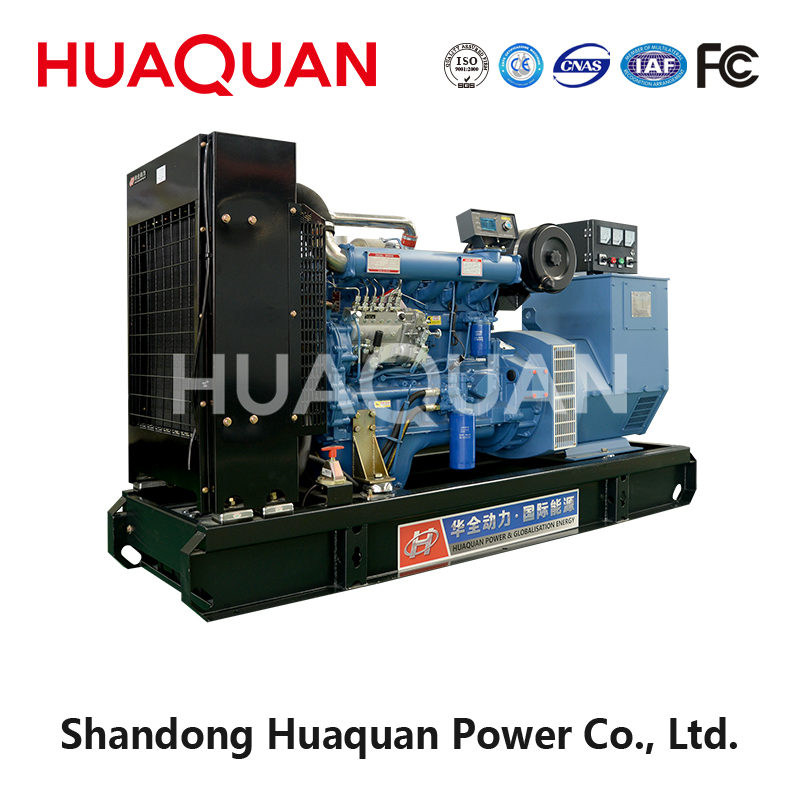
If you use a diesel generator, proper exhaust pipe installation is very important. Home fittings increase the risk of heat, noise and carbon monoxide. This guide shows you the correct method step by step.
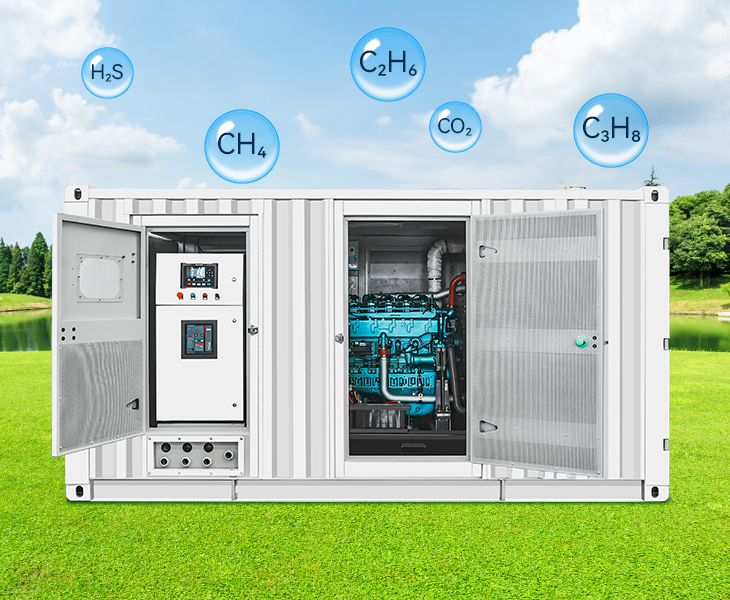 Associated Petroleum Gas Generator Set" width="730" height="600" />
Exhaust pipe installation planning
Planning is essential before installation.
You can’t achieve safe results without planning.
- You understand the generator’s capacity.
- You check the direction of the exhaust outlet.
- Assess your room’s ventilation.
- Please read your local safety regulations.
Thorough planning protects you from future problems.
Choosing the Right Exhaust Pipe Material
Incorrect material selection causes pipe failure.
You should always use heat-resistant materials.
- Mild steel or stainless steel is best.
- The pipe diameter must be in accordance with the engine manual.
- Must have a rust-resistant coating.
- High temperature insulation is available.
Determining the correct direction of the exhaust outlet
You should always guide the exhaust gases.
Never leave gas in a closed space.
- The pipe always exits into the open.
- Stay away from windows and doors.
- It is best to place the exhaust outlet on top of the roof.
- Also consider wind direction.
This reduces the risk of carbon monoxide.
Using flexible connections
Engine vibration can damage the exhaust pipe.
This requires a flexible joint.
- Flexible bellows applied to generator outlet
- Do not connect the hard pipe directly to the engine.
- Vibration absorbers are used by Karo.
- Keep the alignment straight.
This increases the life of the pipe.
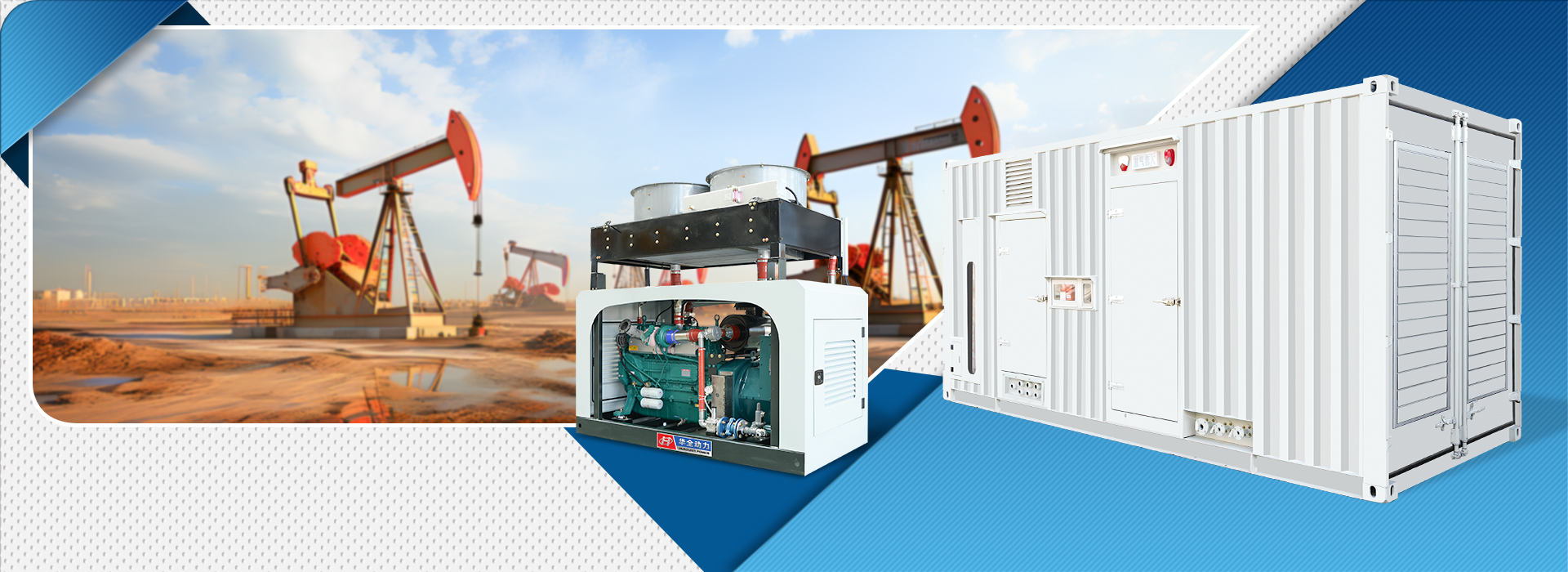 Gas Generator Set0" width="1920" height="700" srcset="https://huaquanpower.net/wp-content/uploads/2025/12/01-Associated-Petroleum-Gas-Generator-Set.jpg 1920w, https://huaquanpower.net/wp-content/uploads/2025/12/01-Associated-Petroleum-Gas-Generator-Set-768x280.jpg 768w, https://huaquanpower.net/wp-content/uploads/2025/12/01-Associated-Petroleum-Gas-Generator-Set-1536x560.jpg 1536w" sizes="auto, (max-width: 1920px) 100vw, 1920px" />
Proper support of the exhaust pipe
The weight of the pipe should not be solely on the generator.
You will have to provide external support.
- Wall brackets karo install.
- Ceiling hangers use carousels.
- Install multiple supports for long pipes.
- Allow space for the pipe to move freely.
Support prevents cracks and leaks.
Heat insulation and lagging
The exhaust pipe generates a lot of heat.
You can’t ensure safety without insulation.
- Use glass wool or ceramic insulation.
- Insulation by applying aluminum cladding
- Do not expose hot surfaces.
- Make fire-prone areas safe.
Controlling The Length And Bend Of The Exhaust Pipe
- Excessive length of the pipes impact engine performance.
- You should also restrain your turns within limits.
- Choose the route with the shortest and straightest route.
- Avoid sharp inclines.
- Too much leaning results in back pressure.
- Follow the manufacturer’s recommendations.
- Back pressure can turn the engine to dust.
Silencer & Muffler Installation
- A silencer is required to control the noise.
- You need to comply with local noise regulations.
- Select a silencer rated generator.
- Install a silencer in the exhaust line.
- Ensure proper sealing.
- Test for leaks
- Noise control helps to improve the working environment.
Exhaust Gas Leakage Testing
- It is very important that the testing is carried out after installation.
- You should not use the generator without checking it.
- Start the generator.
- Inspect the exhaust joint.
- Check for smoke or odor
- Install a CO detector.
- If you see a leak, repair it immediately.
Safety And Maintenance Tips
- You can’t keep yourself and your family safe if you don’t do regular inspections.
- Conduct a monthly visual inspection.
- Check for rust or cracks.
- Loose clamps to tighten the caro.
- Repair insulation damage.
- Preventive maintenance makes the system dependable.
Conclusion
If you install the diesel generator exhaust pipe properly, you ensure your safety and efficiency. Planning, material selection and proper support are the most important steps. Correct installation allows you to avoid long-term troubles.

A properly installed exhaust system is critical to diesel generator safety, performance, and regulatory compliance. Exhaust gas temperatures from a running diesel engine can exceed 500°C, and carbon monoxide concentrations at the exhaust outlet are lethal within minutes of exposure. Beyond safety, incorrect exhaust pipe sizing creates excessive backpressure that robs the engine of 3-5% of its rated power output and increases fuel consumption. Condensation trapped in poorly routed pipes corrodes exhaust components from the inside, while inadequate insulation poses a fire risk to surrounding building materials. This step-by-step guide covers every aspect of diesel generator exhaust installation—from pipe diameter calculations and routing best practices to condensation management and wall penetration sealing—ensuring your installation meets both manufacturer specifications and local building codes.
Explore Huaquan Power Solutions
- → Gas Generator Set
- → Energy Storage System
- → Silent Generator
- → Order Process — How to Order
- → Browse All Generator Products
- → Generator FAQ & Knowledge Base
Need reliable power solutions? Contact our team for customized generator recommendations.