介绍
Do you own a manufacturing plant? 通常, manufacturing plants have to operate 24/7 for the production lines. Even if they operate during the daytime and a power outage occurs, what should they do? That is where power continuity planning becomes the best option.
今天, we will discuss various tips and options for the power continuity planning for manufacturing plants and understand the whole system.
What is Power Continuity?
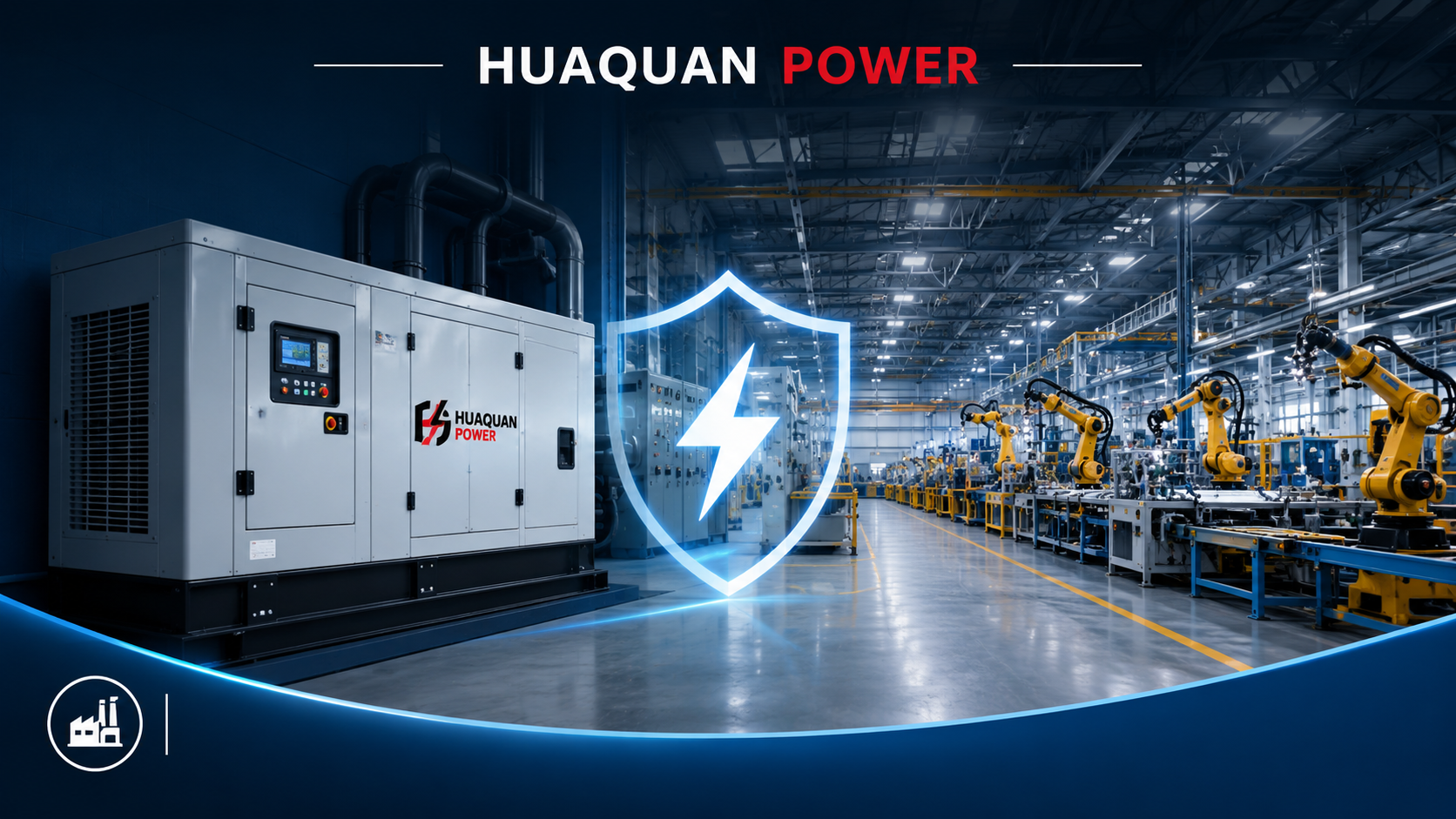
Power Continuity Planning is not just the installation of backup power systems. 反而, it is the comprehensive setup that plans, installs, and ensures there are no power interruptions in the power supply. Such a system can have solar panels, 电池, 和 发电机 along with the grid supply to ensure seamless power generation and supply.
Power Continuity Planning has several key factors to understand and know. 这是清单:
- Risk assessment
- Critical equipment identification
- Electrical load analysis
- Backup generator selection
- 不间断电源系统
- 自动转换开关
- Fuel management
- 预防性维护
- Emergency response procedures
- Recovery planning
- Staff training
- 定期测试
Causes Of Power Interruptions
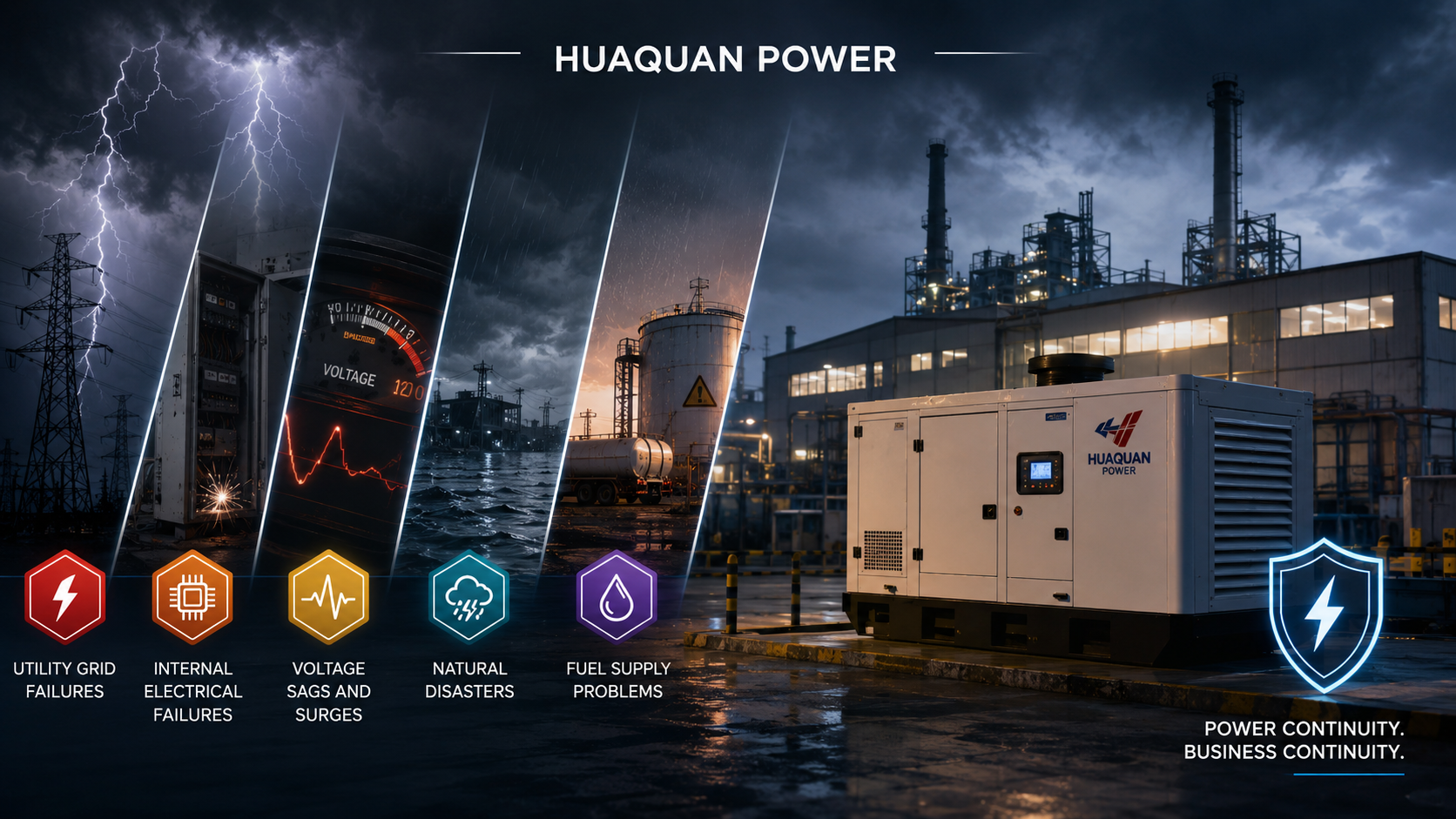
Power interruptions are not causal. They can occur for any reason and at any time. If you are wondering about the different reasons and processes for the power interruptions, we have added the comprehensive details.
Utility Grid Failures
Utility Grid is an integral component of the power supply. As long as the grid is available, you don’t need any other source of energy, as it acts as a standalone power supply.
There can be several reasons behind the utility grid failures. These are given below.
- Storm damage
- Transmission failures
- Transformer failures
- Grid overload
- Maintenance shutdowns
- Natural disasters
To optimize grid supply, you should have alternative solutions, such as generators, solar panels and batteries, to combat this grid outage and supply systems.
Internal Electrical Failures
Internal electrical failures are not that common unless you have low-quality components or don’t manage your system in a timely manner. Here are a few system electrical failures that can affect the power supply.
- PLC controllers
- Industrial computers
- 变频驱动器 (变频器)
- 传感器
- Automation systems
To meet the power needs, redundancy and additional components should be included. They help optimize the energy supply.
Voltage Sags and Surges
Whether it is an increase or decrease in voltage, it can cause systemic failure. The results are the power supply interruptions.
- Switchgear failures
- 断路器跳闸
- Transformer failures
- Cable faults
- Distribution panel damage
- Motor failures
For power continuity, you should have proper planning before the failure occurs and enjoy a seamless approach.
自然灾害
Natural disasters occur in those regions where they are common. There can be several disasters.
- Floods
- Earthquakes
- Hurricanes
- Tornadoes
- Snowstorms
- Lightning strikes
- Wildfires
在这种情况下, you should have plans for power continuity. Enjoy a seamless power generation with the generators and solar power systems.
燃料供应问题
Whenever there is a grid outage, generators help optimize the system with the power supply. What if the generator fuel is no longer available? 在这种情况下, you’ll lose the whole supply system as generators run only when you have sufficient fuel.
Here are several reasons.
- Delayed fuel deliveries
- 燃油污染
- Water in diesel tanks
- Supply chain disruptions
- Storage limitations
Key Factors for Consideration in Power Continuity Planning for Manufacturing Facilities
For power continuity planning, you must have all the necessary setup. It can include primary to secondary backup systems and many more. Here are a few tips for power continuity planning.
提示 #1: Perform a Manufacturing Risk Assessment
首先, you should perform a manufacturing risk assessment. You should list all the possibilities of the outages and their impact on your system. Then compare and prepare a list of outage processes.
Here are a few possible risks.
- Utility reliability
- Equipment age
- Electrical infrastructure
- Environmental threats
- Production dependency
- Supply chain impact
- Maintenance history
We have compared them below.
| Risk | Probability | 业务影响 | 优先事项 |
| Utility outage | 高的 | 非常高 | 批判的 |
| Transformer failure | 中等的 | 高的 | 高的 |
| Diesel shortage | 中等的 | 高的 | 高的 |
| UPS battery failure | 低的 | 中等的 | 中等的 |
| Lightning strike | 低的 | 高的 | 中等的 |
| Switchgear malfunction | 中等的 | 非常高 | 批判的 |
提示 #2: Identify Critical Manufacturing Processes
Critical manufacturing processes are those that should be powered at any cost. Not all the tools and equipment are essential to operate in the manufacturing systems. You should categorize and prepare a power continuity plan.
Here are a few manufacturing processes.
- Continuous production lines
- Industrial ovens
- Chemical reactors
- 冷却系统
- Pharmaceutical clean rooms
- Industrial refrigeration
- Process control systems
- 消防系统
- 应急照明
- 安全系统
We have categorized the systems:
生命安全系统
Life safety systems are the most critical ones. They include a variety of tools. You should operate them at any cost for your system and workers’ 安全.
The typical examples of life safety systems include:
- 火灾报警器
- Smoke extraction
- 应急照明
- Exit signs
- Fire pumps
- Emergency communication
生产设备
Production equipment is also a critical one. Without them, you can’t operate and run the system.
There is production equipment listed here.
- 数控机床
- Laser cutters
- Injection molding machines
- Welding robots
- Press machines
- Conveyors
- Packaging machines
Process Control Systems
Process control systems are also important, but they should be operated only in essential conditions.
The list of process control systems includes:
- PLC controllers
- SCADA systems
- Industrial PCs
- Process monitoring
- 数据服务器
- Network switches
Environmental Control Equipment
They are not highly critical like the other systems, but should be operated in various cases. The examples of the environmental control equipment are here.
- 暖通空调
- Clean rooms
- Air filtration
- Humidity control
- 冷藏
- Cold storage
提示 #3: Conduct a Complete Electrical Load Analysis
Complete load analysis makes the fundamental units of the power continuity systems. When conducting a load analysis, you should always plan and prepare a list of:
- Equipment name
- 数量
- 额定功率
- Starting power
- 营业时间
- Criticality level
We have added all the key factors and details here.
| 设备 | 数量 | 运行功率 (千瓦) | 启动功率 (千瓦) | 批判的 |
| 数控机床 | 8 | 96 | 180 | 是的 |
| 空气压缩机 | 2 | 60 | 140 | 是的 |
| Robotic Arms | 12 | 48 | 70 | 是的 |
| 输送系统 | 10 | 45 | 70 | 是的 |
| Industrial HVAC | 4 | 80 | 150 | 是的 |
| 灯光 | — | 20 | 20 | 是的 |
| Office Equipment | — | 12 | 12 | 不 |
| Packaging Line | 2 | 35 | 60 | 是的 |
| IT Servers | — | 8 | 8 | 是的 |
提示 #4: Calculate Backup Power Requirements
How much power does your system need? It is essential to understand and know.
Suppose you are running the following equipment. Calculate all the power requirements for the following tools.
Let’s calculate the running load.
| 设备 | 运行负载 |
| 数控机床 | 96 千瓦 |
| 压缩机 | 60 千瓦 |
| Robots | 48 千瓦 |
| Conveyors | 45 千瓦 |
| 暖通空调 | 80 千瓦 |
| 灯光 | 20 千瓦 |
| 包装 | 35 千瓦 |
| 服务器 | 8 千瓦 |
总运行负载 = 96 + 60 + 48 + 45 + 80 + 20 + 35 + 8
Total = 392 千瓦
You should never buy a generator with a rated running load. 反而, keep a safety factor of 20-25% for future expansions and power handling.
Suppose you are looking for 25% of the additional capacity. Then the power requirements of the generator capacity should be:
Generator Capacity = 392 × 1.25 = 490 千瓦
You should buy a generator with a 500kW capacity to meet all the power needs and requirements.
提示 #5: Plan for Future Manufacturing Expansion
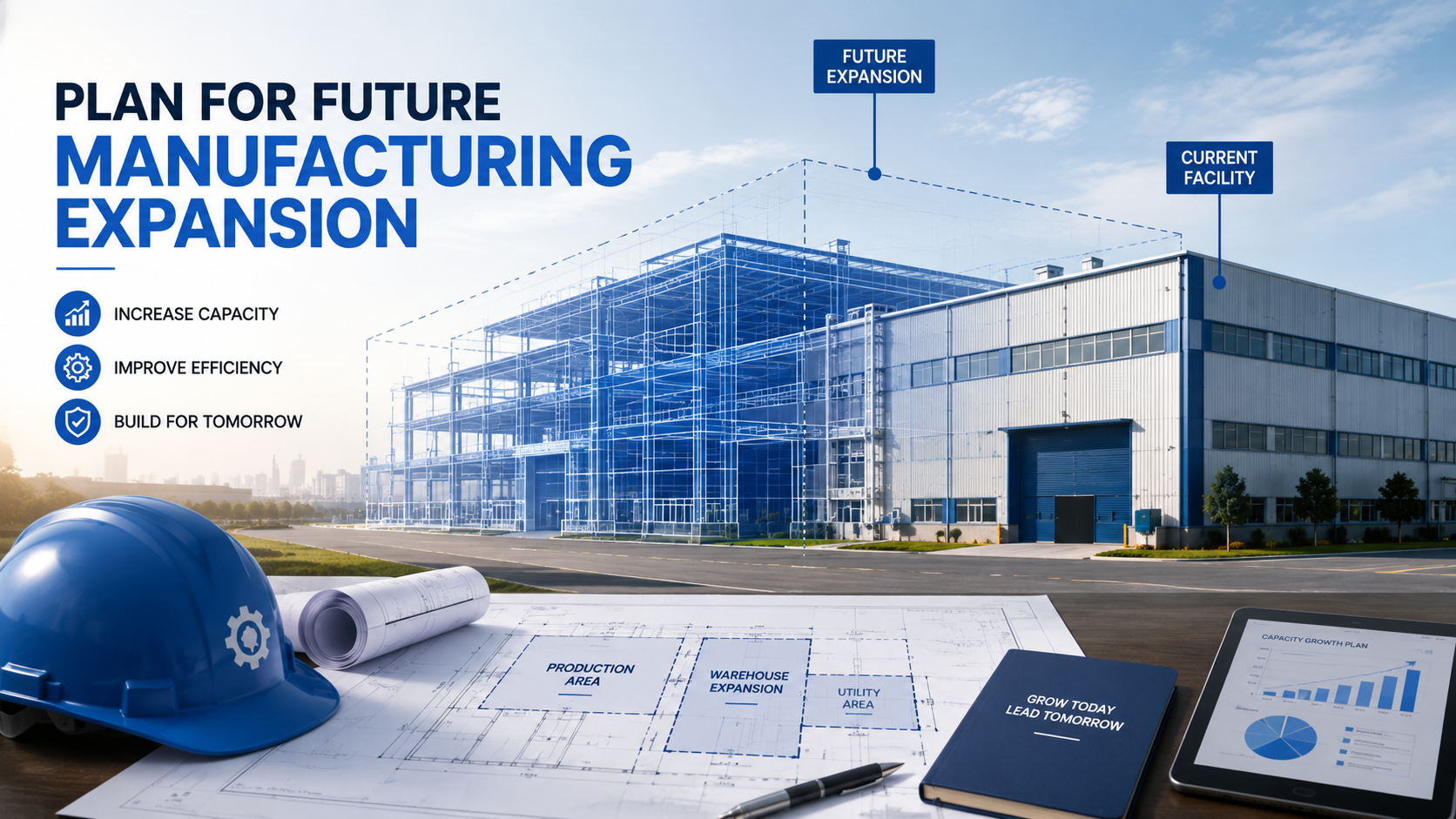
Are you going to increase the system in the future? It is typical that most people expand the system in the future. 为了这, you should know which tools you are going to add.
Future Load
| Future Addition | Additional Load |
| New Production Line | 120 千瓦 |
| Automated Warehouse | 60 千瓦 |
| Extra HVAC | 30 千瓦 |
| Robotics Expansion | 45 千瓦 |
Current Backup Load = 392 千瓦
Future Expansion = 255 千瓦
Future Total = 647 千瓦
Adding a 25% reserve:
647 × 1.25 = 809 千瓦
Add a generator of 810-850 kW capacity or more to meet the future needs.
提示 #6: Determine Acceptable Downtime
You should understand the acceptable downtime of each tool. There are different tools that won’t even bear a single second of downtime.
| 过程 | Maximum Acceptable Downtime |
| Data Servers | 0 秒 |
| PLC Systems | 在下面 5 秒 |
| Robotic Assembly | 在下面 15 秒 |
| Production Lines | 在下面 30 秒 |
| 暖通空调 | 2–5 minutes |
| Office Systems | 15–30 minutes |
You should understand the range of acceptable downtime.
提示 #7: Choose Right Backup Option
There are different backup systems to offer the power supply. Here is the list of backup systems with their detailed comparison in the table.
- 柴油发电机组
- 天然气发电机
- Battery Energy Storage Systems (贝斯)
- 不间断电源 (UPS)
- Hybrid generator systems
- Microgrids
| Backup System | Startup Time | 备份时间 | 初始成本 |
| 柴油发电机组 | 10–20 sec | 几小时到几天 | 中等的 |
| 天然气发电机组 | 10–30 sec | Continuous* | Medium–High |
| 电池储能 (贝斯) | 立即的 | 分钟到小时 | 高的 |
| UPS | 立即的 | Seconds to 30 分钟 | 中等的 |
| Hybrid Backup System | 立即的 (电池), 10–20 sec (发电机) | 几小时到几天 | 高的 |
| Industrial Microgrid | Instant to a few seconds | Continuous** | 非常高 |
提示 #8: Implement Generator Redundancy
If you are planning additional setup for your generators and high reliability, then redundancy is the critical solution.
- N refers to the minimum number of generators required.
- N+1 refers to keeping one standby generator in case of outage.
- N+2 is the installation of two standby generators for failure of two components in case of outage.
| 配置 | 可靠性 | 初始成本 | 适合于 |
| 氮 | 中等的 | 低的 | 小工厂 |
| N+1 | 高的 | 中等的 | Medium and large manufacturing plants |
| N+2 | 非常高 | 高的 | Mission-critical production |
提示 #9: Install an Automatic Transfer Switch (苯丙胺类兴奋剂)
An automatic transfer switch is a critical solution. It enables seamless power transmission.
There are two cases here.
当市电停电时!!
- ATS detects the outage.
- Generator starts automatically.
- Generator reaches operating voltage and frequency.
- ATS transfers the load.
- Production resumes.
当市电恢复时!!
- ATS reconnects the factory to the utility.
- The generator enters a cooldown cycle.
- Generator shuts down safely.
提示 #10: Install UPS
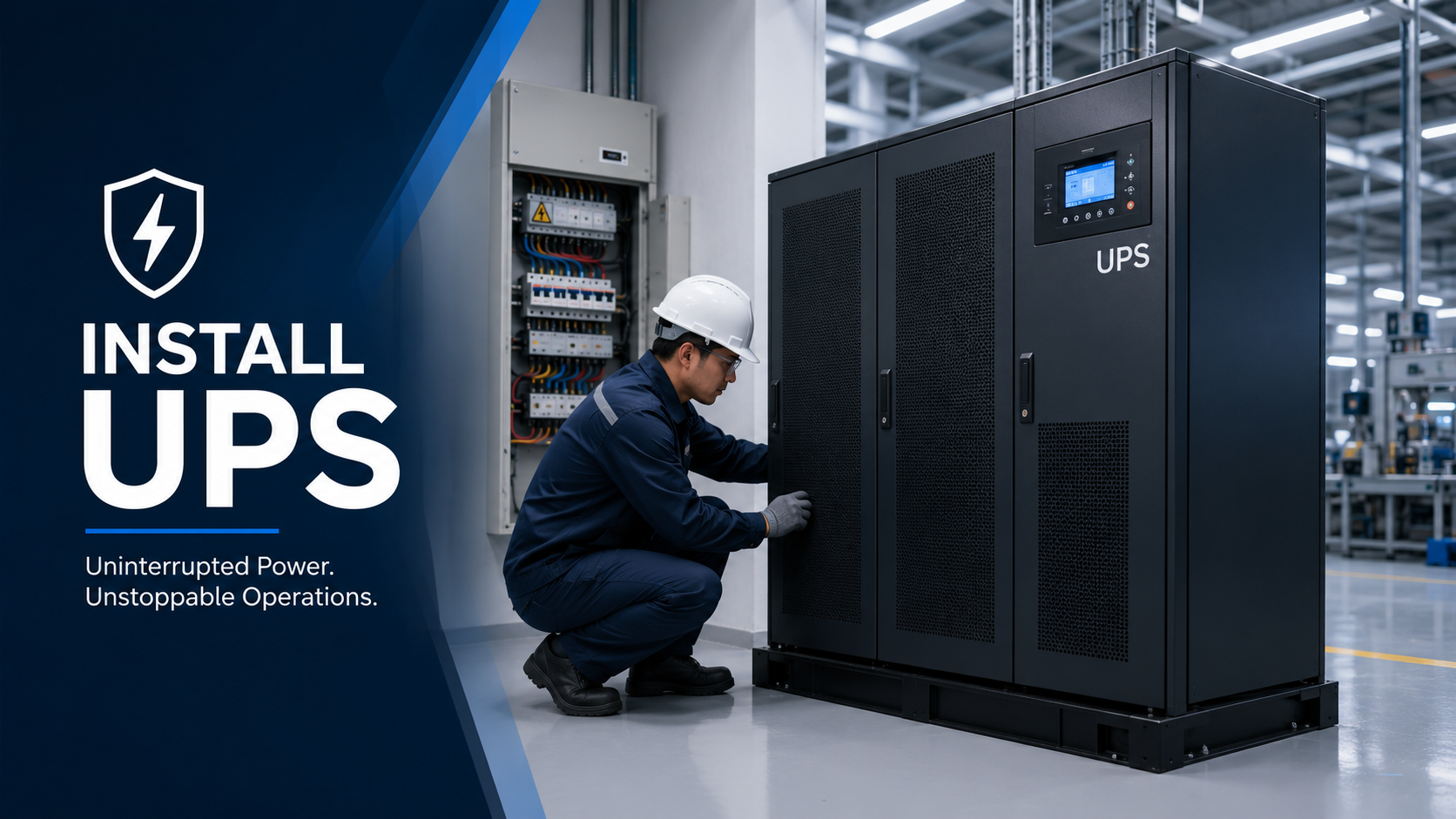
Since generators take 10-30 seconds to fully operate and configure power, the UPS system is an ideal solution. It offers instant power supply.
然而, you should have additional control systems here, 例如:
- PLC controllers
- Industrial computers
- SCADA systems
- CNC control panels
- Communication networks
- Process instrumentation
- 安全系统
常见问题解答
- How often should backup generators be tested?
You should regularly test the backup generators. Perform monthly operational tests, quarterly inspections, and annual full-load testing. Or do testing based on the backup generator options.
- What is the difference between a UPS and a generator?
A UPS is a smaller setup that operates with a pair of batteries. It provides instant energy while generators run on the fuel supplies and take time to supply the power.
- How do I determine the correct generator size?
For correct generator sizes, you should always divide devices into critical, essential, and non-essential. Calculate the loads of the critical and essential devices and choose a generator with sufficient capacity to power these devices safely.
- Why is power continuity important for factories?
Unexpected outages can stop production, damage equipment, waste raw materials, delay deliveries, and cause substantial financial losses. 所以, it is essential to have the power continuity in the systems.
- What is power continuity planning in manufacturing?
Power Continuity Planning in manufacturing refers to a comprehensive plan that analyzes power demands and helps operate all the necessary devices in a manufacturing plant.
- Which industries benefit most from power continuity planning?
There are several industries that rely on power continuity planning. Examples are automotive, 食品加工, pharmaceuticals, 电子产品, chemical manufacturing, 矿业, textile production, and metal fabrication.
- How much fuel should a manufacturing facility store?
There is no hard and fast rule for storage. You should store sufficient for the expected outage duration, critical production requirements, supplier availability, and applicable local regulations.
- What is an N+1 redundancy configuration?
N+1 redundancy adds one standby generator to meet the needs in the power outage cases. It provides seamless energy in all cases.
结论
Manufacturing facilities require energy 24/7. A slight interruption in the energy supply can shut down the whole production line and cost thousands of dollars in losses. 所以, you should evaluate your critical loads and understand their operational significance. Operate only those tools that bring a constant energy supply, such as generators.
Are you looking for high-quality generator systems? 接触 Huaquan Power for your power continuity planning for a manufacturing plant. We have premium solutions and feature the best results. Our diesel and gas generators offer the highest efficiency. Contact our experts regarding your generator solutions!!