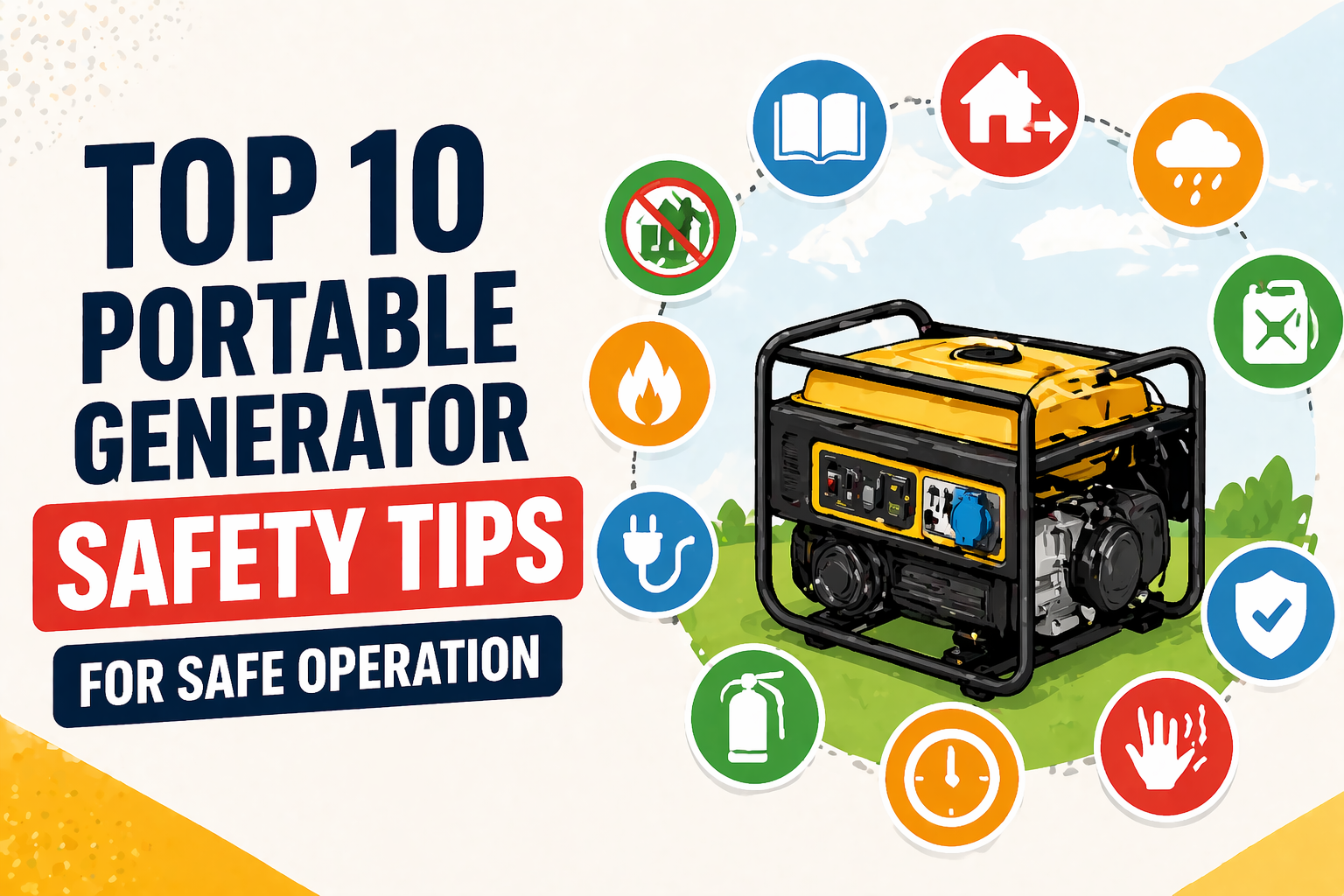
Bạn đang xem xét một Máy phát điện di động để hỗ trợ những điều cơ bản cho ngôi nhà của bạn trong thời gian mất điện? Bạn phải biết cách sử dụng để có một hệ điều hành an toàn. Nếu không thì, nó sẽ gây ra những vấn đề tiềm ẩn, bao gồm cả sự tích tụ carbon monoxide, tia lửa, và cú sốc chết người. Nếu bạn muốn mang lại một môi trường an toàn cho gia đình bạn, làm theo những điều này 10 Lời khuyên an toàn về máy phát điện di động của Hoa Tuyền để đảm bảo hiệu suất an toàn của nó.
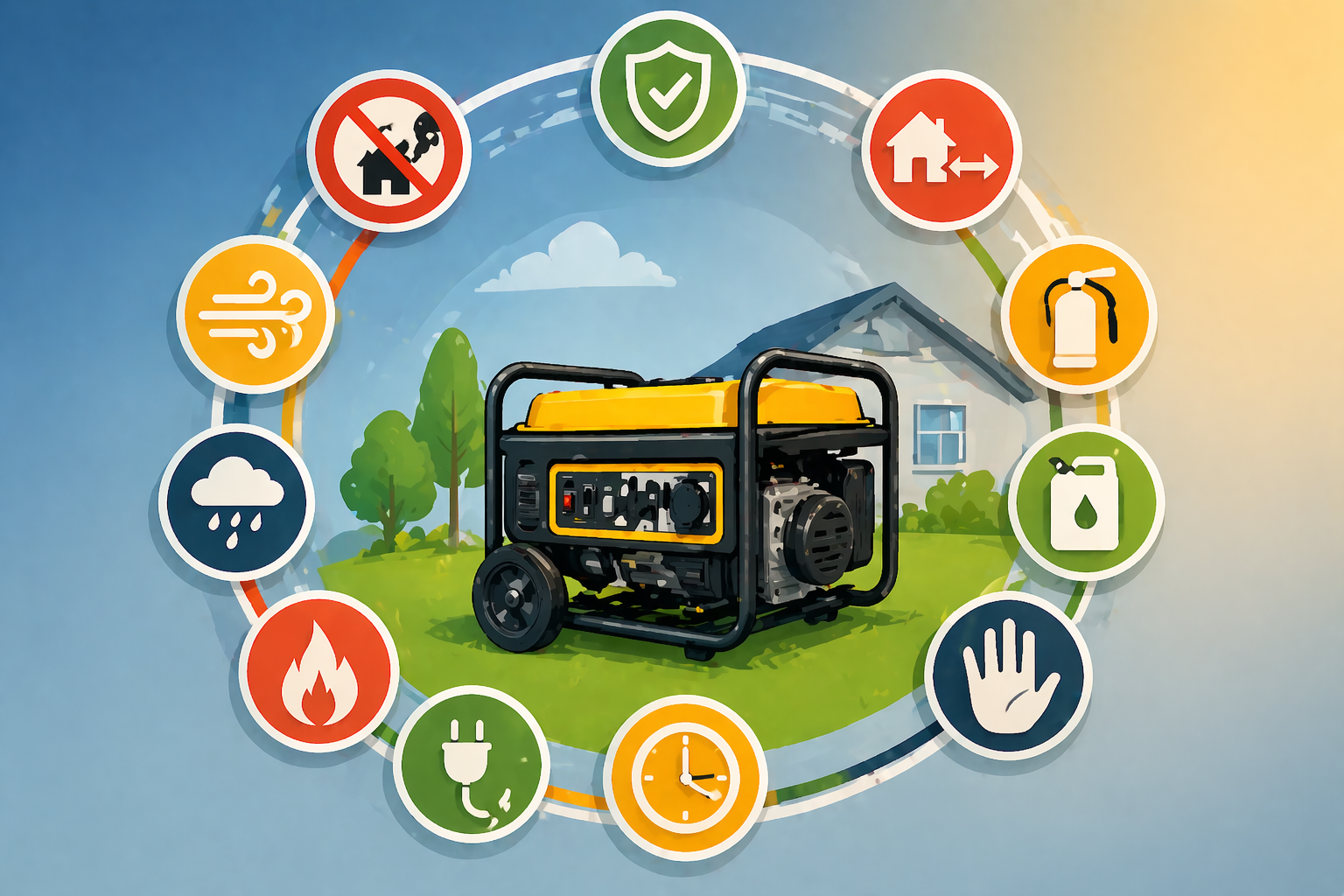
10 Lời khuyên an toàn quan trọng về máy phát điện di động để làm việc an toàn
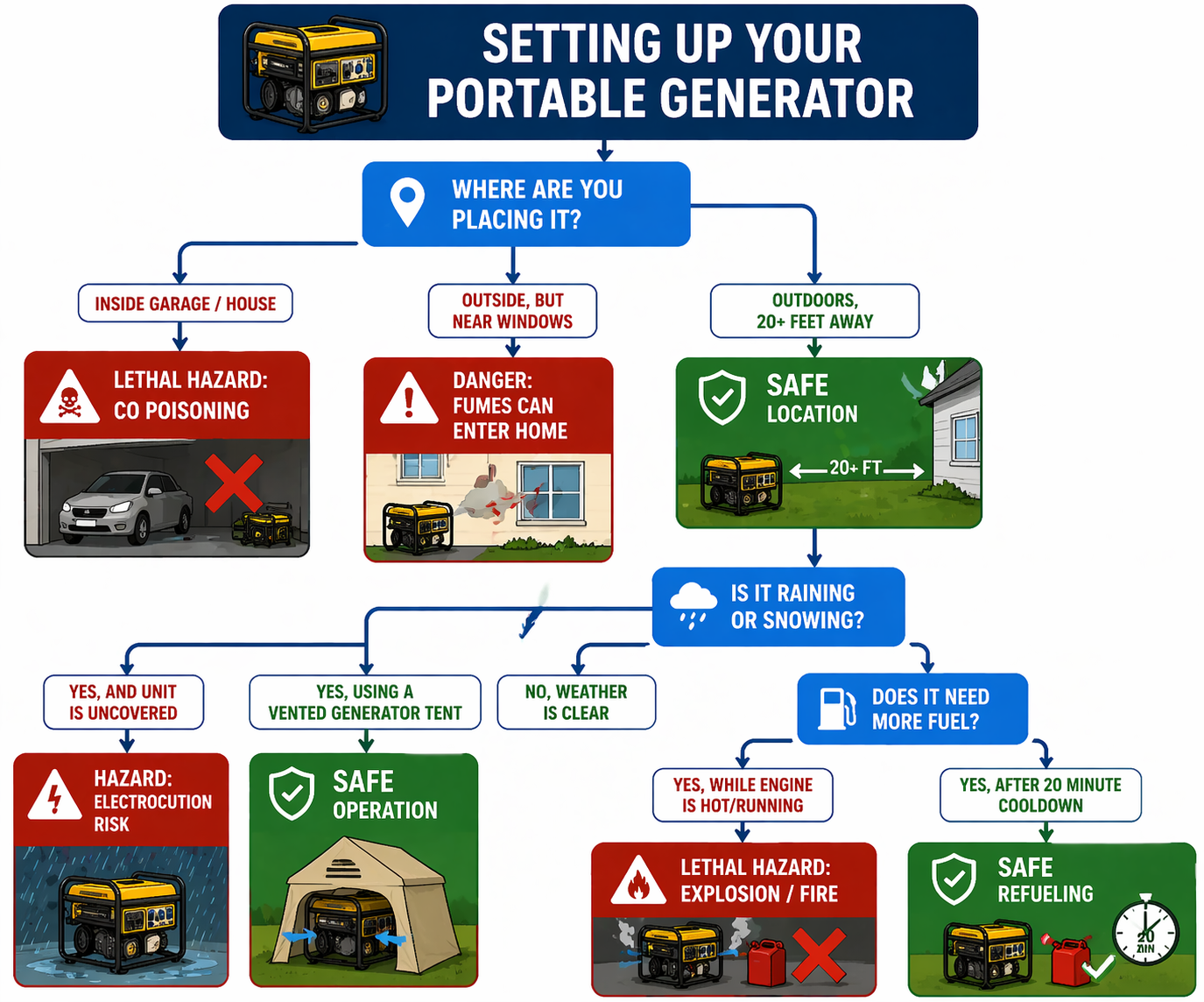
1. Luôn lắp đặt máy phát điện ngoài trời
- Nguy cơ ngộ độc carbon monoxide cao: Khi động cơ bên trong của máy phát điện hoạt động, nó sử dụng nhiên liệu và đốt cháy hỗn hợp. Kết quả là, một loại khí được tạo ra, gọi là cacbon monoxit. Nó không có mùi vị, màu sắc, và mùi. Khi bạn mua một máy phát điện di động, biết rằng nó có thể tạo ra một lượng lớn CO. Nó có thể tích tụ và có khả năng giết chết một người trong vòng vài phút.
- Tầm quan trọng của môi trường thoáng mát thích hợp xung quanh Máy phát điện: Bạn phải cho phép máy phát điện hít thở không khí tự nhiên. Đặt chúng trong một thùng chứa mở. Cố gắng tránh lắp đặt chúng trong tán cây hoặc thùng chứa kín. Trong khu vực khép kín, máy phát điện sẽ không thải khí ra môi trường, và chúng trở thành chất dự trữ bên trong.
- Khoảng cách an toàn với cửa sổ, cửa ra vào, và lỗ thông hơi: Hoa Kỳ. Ủy ban An toàn Sản phẩm Tiêu dùng (CPSC) và các cơ quan an toàn phòng cháy chữa cháy khác khuyến nghị nên lắp đặt và vận hành một máy phát điện ít nhất 20 cách cửa chính của bạn vài bước chân. Bạn nên cẩn thận ống khói thải khí ngược hướng với nhà bạn. Nếu nó hướng về phía bạn Trang chủ, gió có thể xâm nhập vào nhà và có thể gây tử vong.
2. Giữ máy phát điện khô ráo và cách nhiệt tốt
- Nguy cơ điện giật gây tử vong trong điều kiện ẩm ướt: Máy phát điện tạo ra lượng điện lớn ở điện áp cao. Nếu máy phát điện của bạn không được che chắn khi trời mưa, tuyết, và sương mù buổi sáng, hơi ẩm tích tụ và gây ra điện giật.
- Nối đất máy phát điện đúng cách để tránh bị giật: Đọc hướng dẫn sử dụng máy phát điện của bạn để biết về các yêu cầu nối đất. Nếu nó nói nó cần một thanh nối đất bên ngoài, chèn nó cùng một lúc. Nó sẽ cung cấp cho dòng điện một phương án thay thế để chạy trong trường hợp bị điện giật.
- Sử dụng tấm che hoặc tấm bạt chịu được thời tiết để bảo vệ: Không được vận hành máy phát điện không che chắn khi trời mưa bão. Sử dụng tấm chống thấm nước hoặc bảo vệ thời tiết để che máy phát điện. Các chuyên gia khuyên bạn nên sử dụng thùng chứa thoáng mát và đạt tiêu chuẩn NFPA để bảo vệ các bộ phận điện của máy phát điện. Đảm bảo dòng chảy của động cơ không bị xáo trộn.
3. Không bao giờ làm quá tải máy phát điện
- Cách đánh giá công suất máy phát điện: Bạn phải tính toán công suất hoạt động của các thiết bị thiết yếu của mình để mua một máy phát điện có kích thước chính xác. Cũng, thêm công suất khởi động của động cơ cần thiết để đạt được động lượng.
- Ảnh hưởng của tình trạng quá tải đến máy phát điện và các thiết bị điện của bạn: Vận hành máy phát điện hết công suất sẽ tạo ra lượng nhiệt quá lớn. Nó sẽ làm suy giảm nhiên liệu và làm hỏng lớp lót máy phát điện bằng đồng bên trong. Sự thay đổi điện áp sẽ phá hủy các động cơ nhạy cảm, bao gồm cả tivi, máy tính xách tay, và trang thiết bị hiện đại.
- Lời khuyên cho việc tính toán quyền lực yêu cầu của thiết bị của bạn: Bạn phải tính toán công suất hoạt động của các thiết bị thiết yếu của mình để mua một máy phát điện có kích thước chính xác. Thêm giá trị công suất khởi đầu cao nhất vào tổng giá trị của bạn. Nó sẽ giúp bạn điều chỉnh công suất máy phát điện phù hợp với tải. Cũng, mua một máy phát điện có thể cung cấp 20% công suất lớn hơn yêu cầu.
4. Bảo trì máy phát điện tốt
- Tầm quan trọng của việc bảo trì định kỳ: Bạn phải duy trì thói quen bảo trì thích hợp để tối ưu hóa hiệu suất của nó. Bạn nên vệ sinh lỗ thông gió, thay nhiên liệu cũ, và sử dụng nhiên liệu tươi. Nếu bạn bỏ qua việc bảo trì động cơ bên trong, bạn sẽ phải đối mặt với tình trạng quá nóng, sử dụng nhiên liệu nhiều hơn, và lỗi kỹ thuật.
- Đánh giá trước khi sử dụng để đảm bảo vận hành an toàn: Trước khi bạn khởi động động cơ, kiểm tra chi tiết máy phát điện. Kiểm tra máy phát điện bằng đồng của nó, đường ống nhiên liệu cao su, và ngăn chứa dầu.
- Các công việc bảo trì chung để giữ cho máy phát điện luôn ở tình trạng tốt nhất: Thay dầu động cơ bất cứ khi nào được khuyến nghị trong sách hướng dẫn. Khoảng thời gian ước tính là sau 2 ĐẾN 4 ngày sử dụng tích cực. Vệ sinh chi tiết các khe gió và đánh giá bugi chạy êm hay không.
5. Không bao giờ tiếp nhiên liệu cho máy phát điện khi nó đang hoạt động
- Nguy cơ cháy nổ từ các bộ phận động cơ nóng: Khi máy phát điện di động đang hoạt động, các thành phần của nó (bộ giảm âm và khối động cơ) đạt nhiệt độ tối đa trên 1.000°F. Nếu bạn cố gắng cập nhật mức nhiên liệu trong tình huống này, nó sẽ dẫn đến sự hủy diệt lớn.
- Thực hành tốt nhất để tiếp nhiên liệu máy phát điện một cách an toàn: You must install a fire extinguisher near the generator. You must use a funnel to insert fuel appropriately. Cũng, you must not smoke or use e-cigarettes while refueling the generator.
- Letting the generator cool down before adding fuel: When you want to add fuel, turn off the generator completely and let it rest for almost 20 phút. Sau đó, open all caps and screws and insert fresh fuel.
6. Sử dụng dây nối dài thích hợp
- Choosing heavy-duty, outdoor-compatible extension cords: If you use bad-quality, indoor-specific extension cords for the generator, they will overheat and melt down while handling large amounts of electric current. Để tránh điều này, you must use thick, coated, and high-capacity (10 or 12-gauge-rated) cords that are perfect for outdoors.
- How to connect devices to the generator safely: Spread the resistant cord from the installed generator to your house, sau đó kết nối tất cả các thiết bị vào dây đó.
- Tránh sử dụng dây bị hư hỏng hoặc bị sờn: Bạn phải kiểm tra tất cả các dây trước khi kết nối. Chúng không được bị hư hỏng hoặc bị sờn về mặt điện. Nếu bạn quan sát dây đồng không được che chắn, cách nhiệt nóng chảy, hoặc thiếu một thanh nối đất, không sử dụng nó bằng bất cứ giá nào.
7. Lưu trữ nhiên liệu an toàn và đúng cách
- Hướng dẫn bảo quản nhiên liệu đúng cách cho các loại nhiên liệu khác nhau: Sử dụng chất lượng cao, chất ổn định hóa học khi chứa nhiên liệu trong bồn chứa. Việc sử dụng chúng là bắt buộc nếu bạn dự trữ xăng hoặc dầu diesel trong thời gian dài. Nó sẽ tránh được nguy cơ bị hoen ố và xuống cấp.
- Lưu trữ nhiên liệu trong các thùng chứa tương thích cách xa nguồn nhiệt: Bạn phải đựng nhiên liệu trong đồ không có kính, chỉ các thùng chứa nhiên liệu cụ thể. Niêm phong chúng thật chặt. Bạn có thể cất chúng trong nhà kho thoáng mát hoặc gara xa. Tránh đặt chúng trong tầng hầm hoặc gần máy nước nóng.
- Để nhiên liệu cách xa máy phát điện để tránh nguy cơ hỏa hoạn: Bạn không được để nhiên liệu dự trữ gần máy phát điện. Đó là một trong những điều quan trọng nhất Mẹo an toàn máy phát điện di động. Nếu bạn lưu trữ ở khu vực có thẩm quyền chặt chẽ, có nhiều khả năng bắt lửa
8. Tắt máy phát điện trước khi kết nối các thiết bị
- Tại sao việc tắt máy phát điện trước khi cắm các thiết bị thiết yếu của bạn lại quan trọng: Nếu bạn kết nối tất cả các thiết bị vào dây và sau đó khởi động máy phát điện, nó sẽ buộc máy phát điện khởi động và vận hành dưới tải điện lớn. Nó có thể làm hỏng các thiết bị của bạn cũng như hệ thống dây điện của máy phát điện bằng đồng.
- Cách kết nối an toàn các thiết bị sau khi tắt máy phát điện: Khởi động máy phát điện khi không có gì kết nối với nó. Cho phép động cơ lấy đà đi xung quanh 4 ĐẾN 5 phút, sau đó cắm dây nối dài. Hiện nay, kết nối tất cả các thiết bị của bạn từng cái một. Bắt đầu với cái đòi hỏi sức mạnh lớn nhất.
- Ngăn ngừa dao động điện và hư hỏng thiết bị điện tử: Nếu bạn liên tục thay đổi tải của máy phát điện, nó sẽ dao động. Kết quả là, nó sẽ khiến máy phát điện phải điều chỉnh tải liên tục.
9. Lắp đặt máy dò carbon monoxide trong nhà của bạn
- Những triệu chứng nguy hiểm của cacbon monoxit phơi bày: Vì CO không có mùi, nếm, và màu sắc, bạn sẽ không biết rằng nó đang được tích lũy trong nhà bạn. Bạn sẽ gặp nhiều loại triệu chứng cơ thể khác nhau, như đau đầu dữ dội, lú lẫn, và chóng mặt.
- Tại sao bạn phải luôn lắp đặt máy dò CO ở những nơi sử dụng máy phát điện: Ngay cả khi máy phát điện được đặt bên ngoài nhà, gió có thể đẩy CO vào trong nhà. Như vậy, bạn phải lắp đặt máy dò CO trong nhà ở. Nơi tốt nhất là gần chỗ ngủ.
- Đảm bảo máy phát điện của bạn tạo ra lượng khí thải tối thiểu: Hãy coi những máy phát điện đã có cảm biến CO là thành phần chính. Khi các cảm biến này quan sát CO, họ tự động tắt động cơ để tránh tình hình trở nên tồi tệ hơn.
10. Không bao giờ vận hành máy phát điện trong không gian kín
- Tránh sử dụng máy phát điện trong nhà để ngăn chặn việc tích tụ CO: Bạn không được phép để máy phát điện hoạt động ở không gian trong nhà. Đừng bao giờ nghĩ rằng họ có năng lực thấp, để bạn có thể chạy chúng trong gara, tầng hầm, hoặc một nhà kho gần đó.
- Chỉ sử dụng máy phát điện ở nơi thoáng mát, khu vực ngoài trời: Bạn có thể nghĩ rằng nếu bạn mở cửa gara hoặc cửa sổ, nó sẽ có đủ không gian để thở. Đây không phải là trường hợp. Một cách thích hợp, Vị trí ngoài trời cần có không gian thoáng mát để tránh tích tụ CO trong khu vực.
- Cách sử dụng máy phát điện khi trời lạnh: Việc người dùng kéo máy phát điện vào gara để tránh bão là hoạt động phổ biến. Làm điều này bằng mọi cách đều nguy hiểm. Bạn phải sử dụng bộ an toàn chịu được thời tiết, bao gồm một bộ hạn chế động cơ. Bạn cũng có thể để máy phát điện dưới lều chuyên dụng.
Lưu ý cuối cùng
Máy phát điện di động là hệ thống điện dự phòng bắt buộc phải có để tránh gián đoạn sinh hoạt khi mất điện nghiêm trọng. Ngoài việc cài đặt, bạn phải tôn trọng họ bằng cách cho phép họ làm việc an toàn và suôn sẻ. Bạn phải cài đặt chúng ngoài trời, hầu hết 20 cách lối vào nhà chính vài bước chân, sử dụng cột điện có công suất lớn, nối đất dây, và duy trì tải điện của bạn.
Khi bạn làm theo những điều đã đề cập ở trên Mẹo an toàn máy phát điện di động, bạn không chỉ cho phép máy phát điện hoạt động mà còn bảo vệ gia đình bạn khỏi những mối nguy hiểm chết người. Khi bạn mua một máy phát điện di động, cam kết với bản thân rằng bạn sẽ duy trì lịch bảo trì và đánh giá hàng năm.
Luôn được bảo vệ và tăng cường sức mạnh với Huaquan
Đừng cố làm suy yếu sự bảo vệ của gia đình bạn do mất điện. Liên hệ một trong những nhà sản xuất máy phát điện hàng đầu, tức là, Hoa Tuyền, mua máy phát điện di động và tránh những tình huống khẩn cấp.