Electrical Geradores are integral components of various industries, including construction, data centers, and health facilities. But their loud noise during operations is a serious concern for consumers.
The good news is that you can significantly reduce this noise. Do you know how and when? This article explores various causes of noise and offers tips for handling loud noise.
 Conjunto gerador de gás de petróleo associado" width="730" height="600" />
What produces loud noises in the electrical generators?
An electrical generator itself is a heavy-duty tool that vibrates and produces loud noises. However, we have divided various sources of noise production in the electrical generators.
Engine combustion noise
Engine combustion creates high-pressure explosions. These explosions produce high noise and generate mechanical vibrations.
Exhaust System Noise
One of the noisiest components of the production process is the exhaust system. High-velocity gases produce loud sounds during operations.
Cooling system and fan noise
The engine produces high heat, raising temperatures. Cooling systems, such as fans, can make a loud noise while cooling the generators.
Structure Borne Vibration
Vibrations from various components inside the generator travel through the infrastructure. It produces a noisy environment and loud voices.
Tips to Reduce the Noise Level Of Industrial Generators
Noise reduction of industrial generators is a challenge. You should follow our experts’ tips on how to reduce the noise.
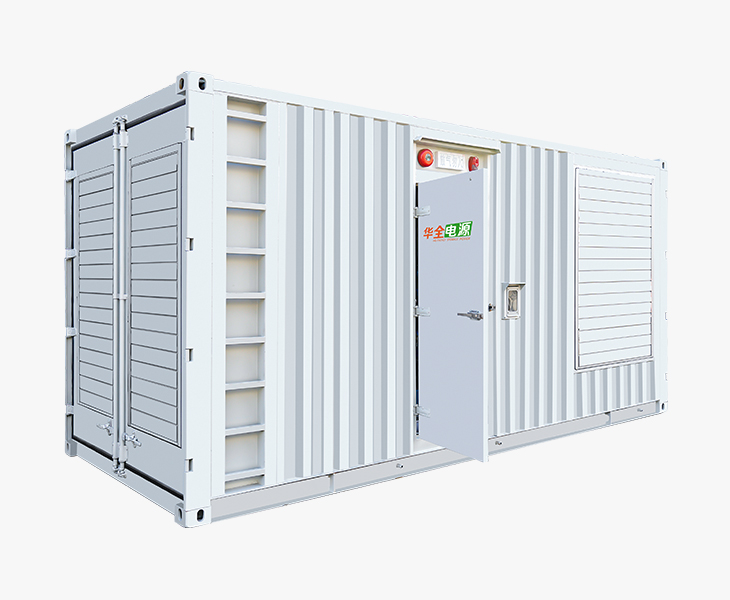
Use Soundproof Generator Enclosures
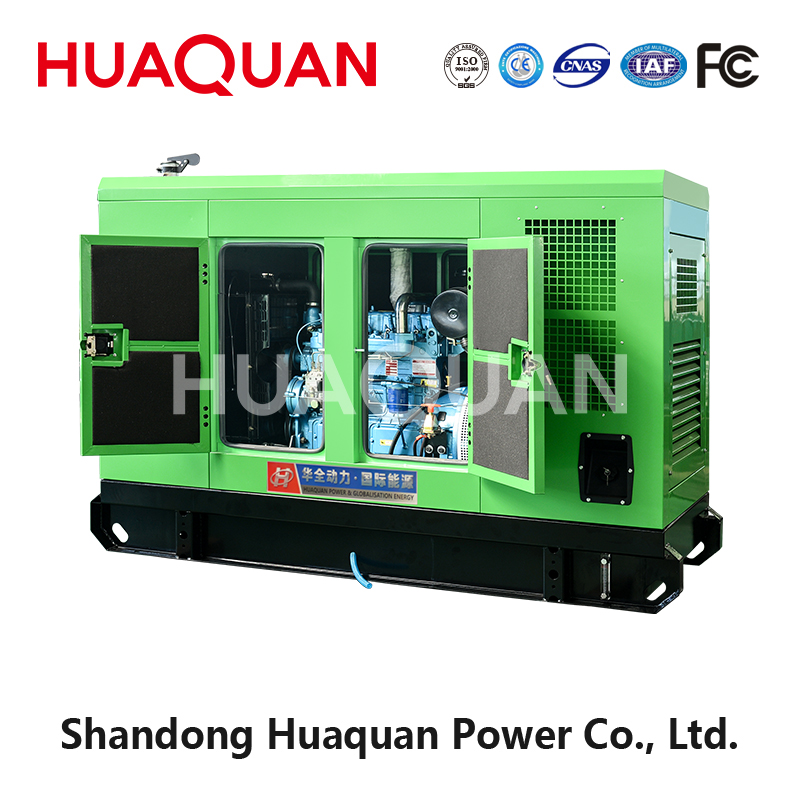
The generator comes with durable enclosures. What if we install a soundproofing system in the enclosure so sound doesn’t escape?
This is a great technique that effectively reduces noise by 15-40 dB. However, you should consider the following features of your enclosure materials.
- Multi-layer steel or aluminum outer shells significantly reduce noise exposure.
- Fire-resistant acoustic foam or mineral wool lining can dampen the sound from generators.
- Internal baffles can minimize sound leakage
- Proper airflow paths prevent overheating and reduce the risk of noise explosions.
Reduce Exhaust System Noise with Silencers
The exhaust system is a major contributor to noise because high-pressure gas exits. However, there is a solution here, too, thanks to silencers.
They are specialized tools that silence exhaust noise. There are three categories of silencers.
- Residential-grade silencers are ideal choices for light noise control.
- Industrial-grade silencers are the best choice for moderate attenuation.
- Critical-grade silencers are suitable for maximum noise reduction.
The challenging part is selecting and installing the silencers. We have added a few tips here.
- You should choose a correctly sized silencer based on the engine output.
- Corrosion-resistant materials bestow longevity and reduce environmental wear and tear.
- You should install it without causing excessive exhaust back pressure.
Minimize Noise through Vibration Isolation
Vibrations of multiple components transfer mechanical energy and produce a loud sound. What if we isolate vibration? It makes the system more soundproof and reduces the transfer of mechanical energy. Moreover, it minimizes component wear.
There are various techniques for isolating vibration.
- Anti-vibration rubber mounts can reduce vibration and prevent energy transfer.
- Spring isolators for heavy-duty generators keep vibrations limited within the system. So, no noise is transferred to the surrounding area.
- Reinforced concrete foundations can block the transfer of mechanical energy.
Increase Acoustic Performance of Generator Room
Generator rooms can increase sound levels rather than reduce them. Most often, a hard surface streamlines the noise and increases the intensity. Portanto, sound levels in the generator room are higher than they actually are.
To address this, you should improve the acoustic performance of your generator rooms using the following methods.
- Wall-mounted acoustic panels can internally dampen sound.
- Perforated metal panels with mineral wool backing can absorb sound and cut off excessive noise.
- Ceiling absorbers reduce echo and minimize the production of high-intensity sound.
Optimize Cooling Airflow to Reduce Noise
Generator components heat up, raising the overall temperature. Portanto, you can’t abandon noisy cooling fans; instead, improve sound-reduction technology.
For example, you should take the following steps to improve airflow and reduce noise.
- Installing low-noise or variable-speed fans is a good step toward reducing sound.
- Using acoustic louvers at the air intake and outlet bottlenecks reduces sound at the inlet and outlet.
- Designing smooth, unobstructed airflow paths is very helpful for sound reduction.
Using Noise Barriers and Acoustic Screens
When full enclosure of generators becomes impractical, noise barrier systems step in. They cut off the direct pathway for sound transfer, reducing the noise by decibels.
Your effective barrier should have the following features.
- It should be dense and heavy to block sound transmission
- It should be tall enough to break the line of sight
- You should position it close to the generator to bottleneck sounds on the spot.
Strategic Generator Placement and Orientation
Use old techniques to reduce the noise coming around. You can either keep your generator away from the affected areas or change its direction to reduce noise—for instance, place generators with exhaust outlets away from the residential areas.
Here are a few tips to decrease the sound intensity reaching you.
- Increasing distance from occupied or residential areas can reduce the overall sound intensity.
- Direct exhaust outlets away from buildings
- Using natural barriers such as walls or earth berms
Maintenance of Generators
As the generator wears out, vibration frequency increases significantly. A few components start degrading and producing unnecessary crackling sounds. This leads to a boisterous environment around the generators.
Effective maintenance can extend the lifespan and decrease sounds. Here are a few maintenance tips.
- Tighten bolts and panels
- Replace damaged exhaust components
- Service engine mounts
- Ensure proper lubrication and tuning
Choose Low-Noise Generator Models
Low-noise generator models are standard in the industrial sectors. They come with soundproof canopies, an optimized engine system, and better airflow.
Noise production is less. However, their initial costs can be high, but think in the long term. They are efficient and deliver a noise-free environment.
Conclusion
Choosing the right soundproof system can block excess noise from generators. You should go the extra mile with the proper maintenance and high-end Gerador Silencioso systems.
Do you want premium-quality generators? Huaquan has a variety of generator systems, especially silent generators. Minimize noise and choose quality generators right away!