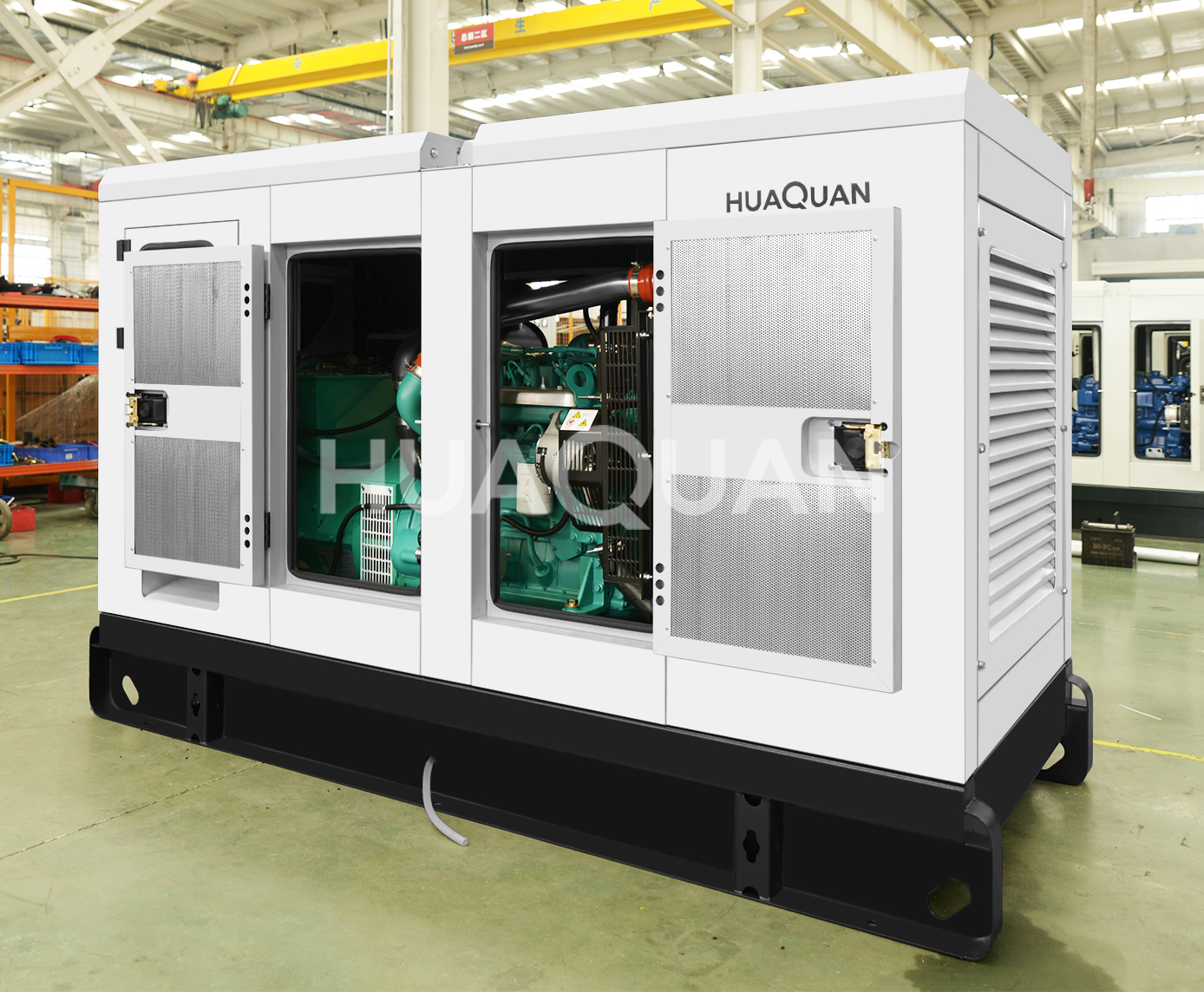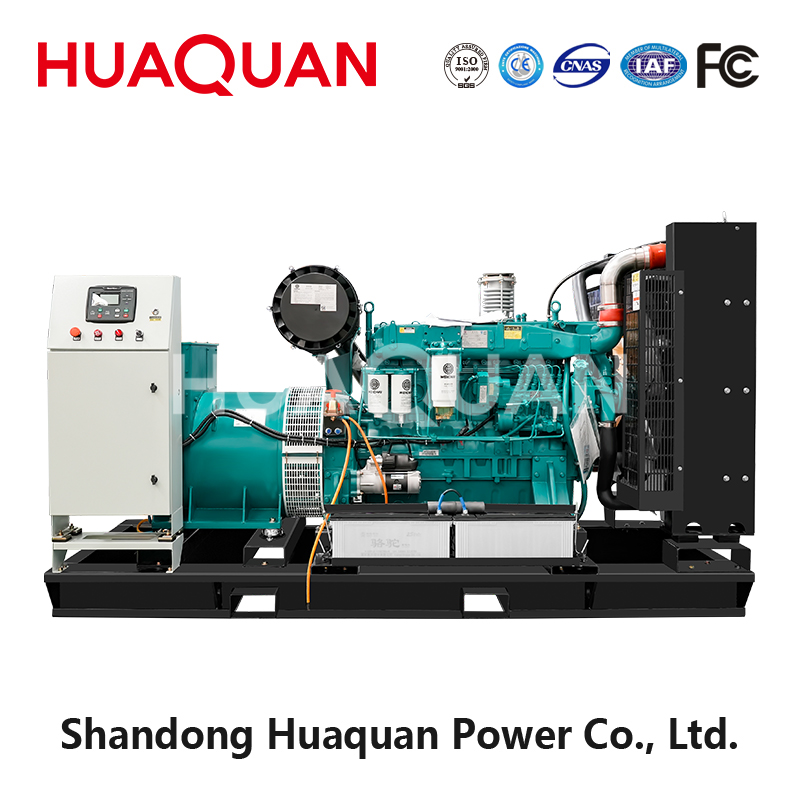
Calculating your Тӱҥ лаштык’s wattage needs is the first and most critical step in choosing the right generator. Get it wrong, and you’ll either have a generator that shuts down when your refrigerator compressor kicks on — or one you paid thousands more for than necessary. Here’s the exact method, with corrected data, for two common scenarios.
Ошкыллан 1: List Every Appliance You Need During an Outage
Walk through every room and list every device you want running simultaneously. For each, record two numbers: куржшо ватт (steady-state power draw) жана тӱҥалтыш ватт (the brief surge when motors and compressors first turn on). Induction motors in pumps, компрессор-влак, and fans can require 2–7 times their running wattage for the first 1–3 seconds of operation.
Appliance Wattage Reference Table
Data compiled from U.S. DOE appliance standards, manufacturer specifications, and NEC Article 220 load calculations. Actual values vary by model — always check the nameplate on your specific appliance.
| Прибор | Куржмо ватт | Тӱҥалтыш ватт | Surge Factor | Key Note |
|---|---|---|---|---|
| Холодильник / Морозильник (18 cu ft) | 350–800W | 1,050–2,400W | 3× | Compressor type varies; older units draw more |
| Окна AC (10,000 БТУ) | 1,200W | 3,600W | 3× | Rotary compressor surge |
| Окна AC (12,000 БТУ) | 1,500W | 4,500W | 3× | Most common window unit |
| Центральный кондиционер (2.5 тонн) | 2,800W | 8,400–14,000W | 3–5× | Scroll compressor; hard-start kit reduces surge to ~3× |
| Центральный кондиционер (3 тонн) | 3,500W | 10,500–17,500W | 3–5× | Largest single residential load |
| Центральный кондиционер (4 тонн) | 4,800W | 14,400–24,000W | 3–5× | Requires 20kW+ standby generator |
| Furnace Fan (½ HP, PSC motor) | 800W | 2,350W | 3× | ECM motors need less surge (~1.5×) |
| Скважиным насос (½ HP) | 800W | 2,000–3,000W | 3–4× | Submersible pumps at higher end |
| Скважиным насос (1 HP) | 1,200W | 3,600–6,000W | 3–5× | Deep well submersible; highest residential surge |
| Самп насос (½ HP) | 800W | 1,300–2,500W | 2–3× | Critical for flood prevention |
| Электрический вӱд нагреватель (40 ӱдыр) | 4,500W | 4,500W | 1× | Resistive load — no surge, but huge running draw |
| Electric Range / Oven | 5,000–8,000W | 5,000–8,000W | 1× | Resistive — one burner = 2,000–3,000W; oven adds 2,500W |
| Микроволновко (1,000W cooking) | 1,500W | 1,500W | 1× | Input power exceeds advertised cooking power |
| Clothes Dryer (electric) | 5,000W | 5,000–6,000W | 1–1.2× | Motor adds slight surge; heating element is resistive |
| Dishwasher | 1,200–1,800W | 1,800–3,600W | 1.5–2× | Motor + heating element |
| Волгыдо (10 LED bulbs) | 80–120W | 80–120W | 1× | Незначительный; LED uses 8–12W each |
| ТВ + Интернет-маршрутизатор | 150–250W | 150–250W | 1× | No surge |
| Телефон / Laptop Chargers | 20–100W | 20–100W | 1× | Negligible load |
Тӱҥ: Induction motors (насос-влак, компрессор-влак, фанат-влак) are the critical factor in generator sizing. Their starting surge is what determines your generator’s minimum starting capacity — not the running load.
Ошкыллан 2: Choose Your Scenario and Calculate
Generator sizing depends entirely on what you want to power. There are two common residential scenarios, and they lead to very different generator sizes.
Scenario A: Essentials Only (Портатив генератор)
Эн сай: Short outages (йымалне 24 шагат паша), budgets under $3,000, renters, occasional use
You power only essential devices: холодильник, furnace fan or window AC, sump pump, волгалтарымаш, and phone chargers. You skip high-draw items like electric water heater, dryer, духовко, and central AC.
| Пункт | Куржмо ватт | Тӱҥалтыш ватт |
|---|---|---|
| Холодильник | 600W | 1,800W |
| Furnace Fan (½ HP) | 800W | 2,350W |
| Самп насос (½ HP) | 800W | 2,000W |
| Волгыдо (12 СВЕТОДИОДНЫЙ) | 120W | 120W |
| ТВ + Router | 200W | 200W |
| Микроволновко (when needed) | 1,500W | 1,500W |
| Total Running | 4,020W |
Шотлымо: Total running = 4,020W. Largest additional starting surge = furnace fan at (2,350 – 800) = 1,550W extra. Minimum generator starting capacity = 4,020 + 1,550 = 5,570W. Ешара 20% лӱдыкшыдымылык чек: 5,570 × 1.2 = 6,684W.
Темлымаш: A 7,000W–8,000W portable generator handles this scenario. You can run the fridge, furnace, sump pump, and lights simultaneously. When you need the microwave, temporarily turn off the sump pump (if it’s not actively pumping) to free up capacity. Price range: $600–$1,200.
Scenario B: Whole-House Backup (Вучымо генератор)
Эн сай: Frequent or extended outages, homes with central AC, automatic operation desired, бюджет-влак $7,000+
A standby generator powers everything — including central AC, electric water heater, да кухньышто ӱзгар-влак. It connects to your electrical panel via an automatic transfer switch and runs on natural gas or propane (no refueling).
| Пункт | Куржмо ватт | Тӱҥалтыш ватт |
|---|---|---|
| Центральный кондиционер (3 тонн) | 3,500W | 10,500W |
| Холодильник | 600W | 1,800W |
| Furnace Fan | 800W | 2,350W |
| Электрический вӱд нагреватель | 4,500W | 4,500W |
| Скважиным насос (1 HP) | 1,200W | 4,500W |
| Electric Range (2 burners + духовко) | 6,000W | 6,000W |
| Clothes Dryer | 5,000W | 5,500W |
| Волгыдо (20 СВЕТОДИОДНЫЙ) | 200W | 200W |
| Микроволновко | 1,500W | 1,500W |
| Dishwasher | 1,500W | 2,500W |
| ТВ + Router | 200W | 200W |
| Total Running (worst case, all on) | 25,000W |
Бирок, you rarely run everything at once. A practical load calculation per NEC 220.83 (existing dwelling) applies demand factors:
- 100% of the first 8,000W of total load
- 40% of the remainder above 8,000W
- Motor loads (АС, насос-влак) саат 100% тӱҥалтыш волгалтарен
Practical calculation: Total connected = 25,000W. Demand-adjusted running load ≈ 8,000 + (17,000 × 0.40) = 14,800W. Add the AC starting surge (10,500W – 3,500W = 7,000W extra): 14,800 + 7,000 = 21,800W. Ешара 10% маржа: ~24,000W.
Темлымаш: A 22–24kW standby generator covers most 2,000–3,000 sq ft homes with central AC. For homes with electric heat or 4+ ton AC, step up to 26–48kW. Installed cost: $8,000–$18,000.
Quick Sizing by Home Type
| Home Type | Essentials Only (Портатив) | Whole House (Вучымо жап) |
|---|---|---|
| Small home / Apartment (no AC) | 3,000–5,000W | 7–10kW |
| Medium home + window AC | 5,000–7,500W | 12–16kW |
| Medium home + central AC (2.5–3 ton) | 7,000–10,000W (no AC) | 17–22kW |
| Large home + central AC (3–4 ton) | 10,000W (no AC) | 22–30kW |
| Large home + electric heat + dual AC | Not practical | 30–48kW |
Ошкыллан 3: Know the Key Terms
Three terms matter for generator sizing — and one commonly confuses buyers:
- Running watts (continuous rated watts): The power the generator can deliver continuously. This is the number that matters for sustained operation.
- Starting watts (surge watts): The brief burst of extra power available for 1–3 seconds to start motors. Your generator’s starting watt rating must exceed your calculated peak starting demand.
- Вучымо ваштареш. Прайм рейтинг: Standby-rated Генератор-влак are designed for emergency use (≤200 шагат/ий, no overload). Prime-rated generators can run 24/7 at variable load with 10% overload capability. For home backup, standby rating is standard and appropriate.
One common confusion: кВт (киловатт) and kVA (киловольт-ампер) are different units. For residential generators with 0.8 куатан коэффициент, ик 10 kVA generator delivers 8 kW of usable power. Most home generators are rated in kW, which already accounts for power factor — so you can use kW directly in your calculations.
Generator Safety — Critical Precautions
Кажне ийын, people die from improper generator use. These safety rules are not optional:
Carbon Monoxide (CO) Профилактике
- Never run a generator indoors — not in a garage, basement, or crawlspace, even with doors and windows open
- Place generators at least 20 feet from any window, door, or vent — CO is invisible, odorless, and lethal at 400+ ppm
- Install battery-operated CO alarms on every level of your home, especially near sleeping areas
- Look for generators with built-in CO shutoff — required on all portable generators sold in the U.S. since 2024 (ANSI/PGMA G300 standard)
Backfeed Prevention
- Never plug a generator into a wall outlet — this “backfeeds” power through your panel and onto utility lines, electrocuting line workers and neighbors
- Use a transfer switch — manual transfer switch for portable generators ($300–$600 installed), automatic transfer switch for standby generators (included with installation)
- A transfer switch also prevents your generator from being damaged when utility power returns
Outdoor Operation
- Keep generators dry — operate under an open canopy or generator tent, never in enclosed spaces
- Never touch a wet generator — electrocution risk
- Use outdoor-rated extension cords (12 AWG minimum for runs over 50 Йол)
- Ground the generator per manufacturer instructions and local code
Fuel Storage Safety
- Store gasoline in ANSI-approved containers, away from living spaces and ignition sources
- Add fuel stabilizer for storage beyond 30 days — untreated gasoline degrades and can damage carburetors
- Never refuel a hot generator — let it cool for 10+ minutes to prevent fire
- Propane tanks should be stored upright, outdoors, and inspected annually
Чӱчкыдын пуымо йодыш-влак
Can I run my central AC on a portable generator?
Most portable generators (up to 10,000W) cannot start a central AC unit. A 3-ton central AC needs 10,500–17,500W starting surge. Your options: (1) use a standby generator rated at 17kW+, (2) install a hard-start kit on the AC compressor to reduce starting surge, але (3) use a window unit instead during outages.
What if my generator’s breaker trips when the refrigerator starts?
This means the generator is overloaded at that moment. Don’t just reset and try again. Олмеш: (1) reduce other loads before starting the fridge, (2) start the fridge first before other loads, але (3) get a larger generator. Repeated breaker tripping under motor starting surge is a clear sign of undersizing.
Do I need an electrician to install a transfer switch?
Yes — in most jurisdictions, connecting any device to your electrical panel requires a licensed electrician and a permit. A manual transfer switch installation costs $300–$800 and takes 2–4 hours. It’s the only legal and safe way to connect a portable generator to your home’s wiring.
What’s the 20% safety margin for?
Motor-driven appliances don’t always start on the first attempt. Under high head pressure or cold temperatures, compressors may draw 30% more starting current than rated. Лийшаш 20% margin also covers devices you forgot to list, and prevents the generator from running at 100% capacity — which causes overheating, топливым кучылтмаш кугемын, and accelerated wear.