The best fuel for a Rumah generator depends on what matters most to you: convenience, biaya, keandalan, or environmental impact. There is no universal winner — natural gas wins on convenience, propane wins on shelf life, diesel wins on energy density and reliability, and gasoline wins on availability. Here is the quantitative comparison you need to make an informed choice.
Fuel Comparison: Side by Side
| Milik | Bensin | propana (LP) | Gas Alam (NG) | solar |
|---|---|---|---|---|
| Energy density | 114,000 BTU/gal | 91,500 BTU/gal | 1,030 BTU/cu ft | 138,000 BTU/gal |
| Cost per unit | $2.50–$4.00/gal | $1.50–$3.00/gal | $0.80–$1.50/therm | $3.00–$4.50/gal |
| Cost per kWh delivered | $0.30–$0.60/kWh | $0.20–$0.40/kWh | $0.10–$0.25/kWh | $0.25–$0.45/kWh |
| Storage stability | 3–6 months (untreated); 12 bulan (stabilized) | Tak terbatas (sealed tank) | T/A (piped) | 12–24 months |
| Pengiriman bahan bakar | Portable cans | Portable tanks or bulk storage | Piped from utility | Portable cans or bulk tank |
| Engine life factor | 1.0× (garis dasar) | 1.2–1.5× (cleaner burn) | 1.3–1.6× (cleanest) | 2–3× (1,800 RPM vs 3,600 RPM) |
| Cold weather start | Good down to 0°F | Poor below −20°F (vapor pressure drops) | Bagus (gas utility pressure maintained) | Bagus sekali (needs block heater below 0°F) |
| CO emissions | Paling tinggi | ~30% less than gasoline | ~40% less than gasoline | ~20% less than gasoline (but more particulates) |
Running Cost Calculation: 24-Hour Outage, 50% Memuat
For a 10,000W (10kW) generator running at 5,000W average load:
| Jenis Bahan Bakar | Consumption at 50% memuat (10kW gen) | Fuel Price | Cost per 24 jam |
|---|---|---|---|
| Bensin | 0.55 gal/hr × 24 = 13.2 cewek | $3.25/cewek | $42.90 |
| propana | 1.25 gal/hr × 24 = 30 cewek | $2.50/cewek | $75.00 |
| Gas Alam | 135 cu ft/hr × 24 = 3,240 cu ft (~32 therms) | $1.10/therm | $35.20 |
| solar | 0.40 gal/hr × 24 = 9.6 cewek | $3.75/cewek | $36.00 |
These numbers assume current U.S. national average fuel prices. Local rates can vary by ±30%.
When Each Fuel Makes Sense
- Natural gas wins for whole-home standby Generator — lowest operating cost, zero refueling, unlimited runtime. Downside: if the gas mains fail during an earthquake or major storm, you have no fuel at all. Itu 2021 Texas winter storm left 4 million people without natural gas pressure for days.
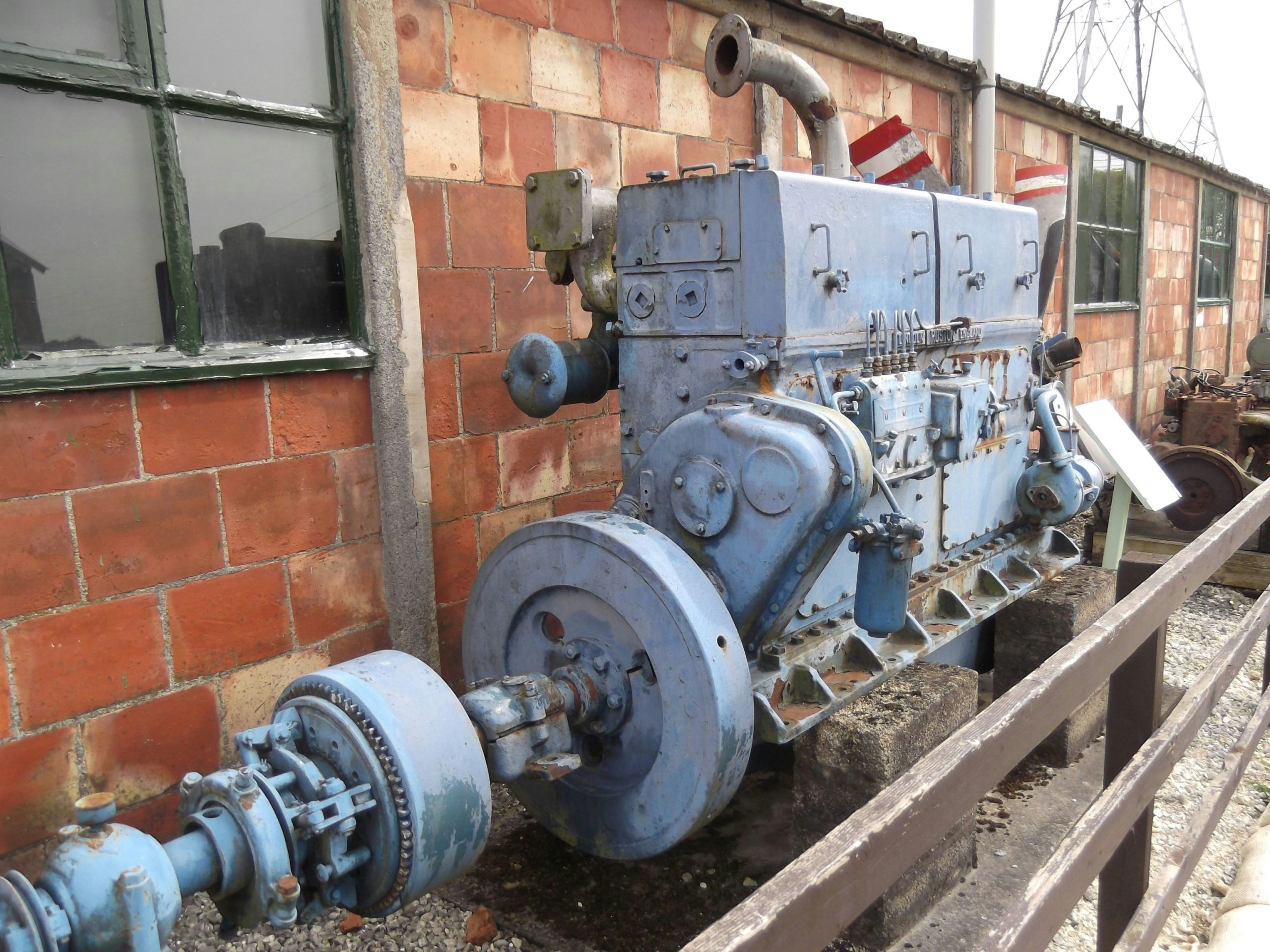
- Diesel wins for industrial reliability — diesel generators run at 1,800 RPM (half the speed of a 3,600 RPM gasoline engine) for dramatically longer life, typically 10,000–30,000 hours before major overhaul vs. 1,000–3,000 hours for a gasoline engine. Diesel fuel stores well and is non-flammable at room temperature (flash point >125°F vs. gasoline at −45°F).
- Propane wins for medium-term backup — indefinite shelf life, cleaner combustion, and the ability to use 20 lb BBQ tanks for portable use or 500+ gallon bulk tanks for whole-house systems. Propane is the most popular fuel for off-grid installations where natural gas is unavailable.
- Gasoline wins for portability — available everywhere, easy to carry, and most portable generators are gasoline from the factory. Downside: short shelf life, carburetor issues with ethanol blends, and the need to handle flammable liquid.
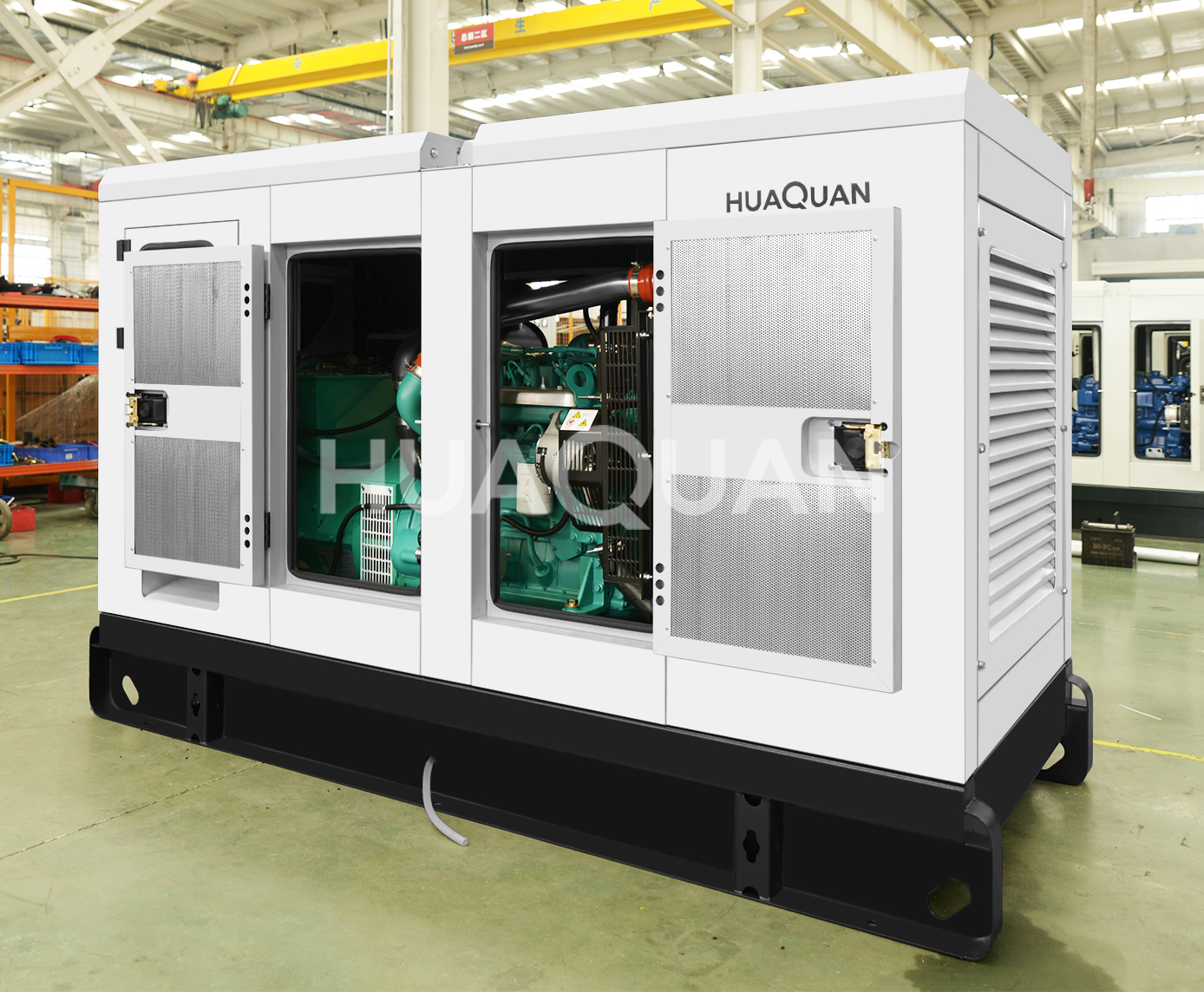
For commercial and industrial applications where reliability under continuous duty is the top priority, Generator diesel Huaquan Power menyediakan 1,800 RPM prime power with low konsumsi bahan bakar and long service intervals.
⚡ Jelajahi Solusi Terkait
- 🏭 500kW Pembangkit Diesel
- 🏭 1000kW Pembangkit Diesel
- 🏭 500kW Pembangkit Diesel YC
- 🔧 KMS (Cummins/Doosan) Seri
- 🔧 Genset Gas
- 🏥 Generator Portabel
💡 Butuh solusi khusus? Hubungi tim teknik kami untuk rekomendasi spesifik proyek.