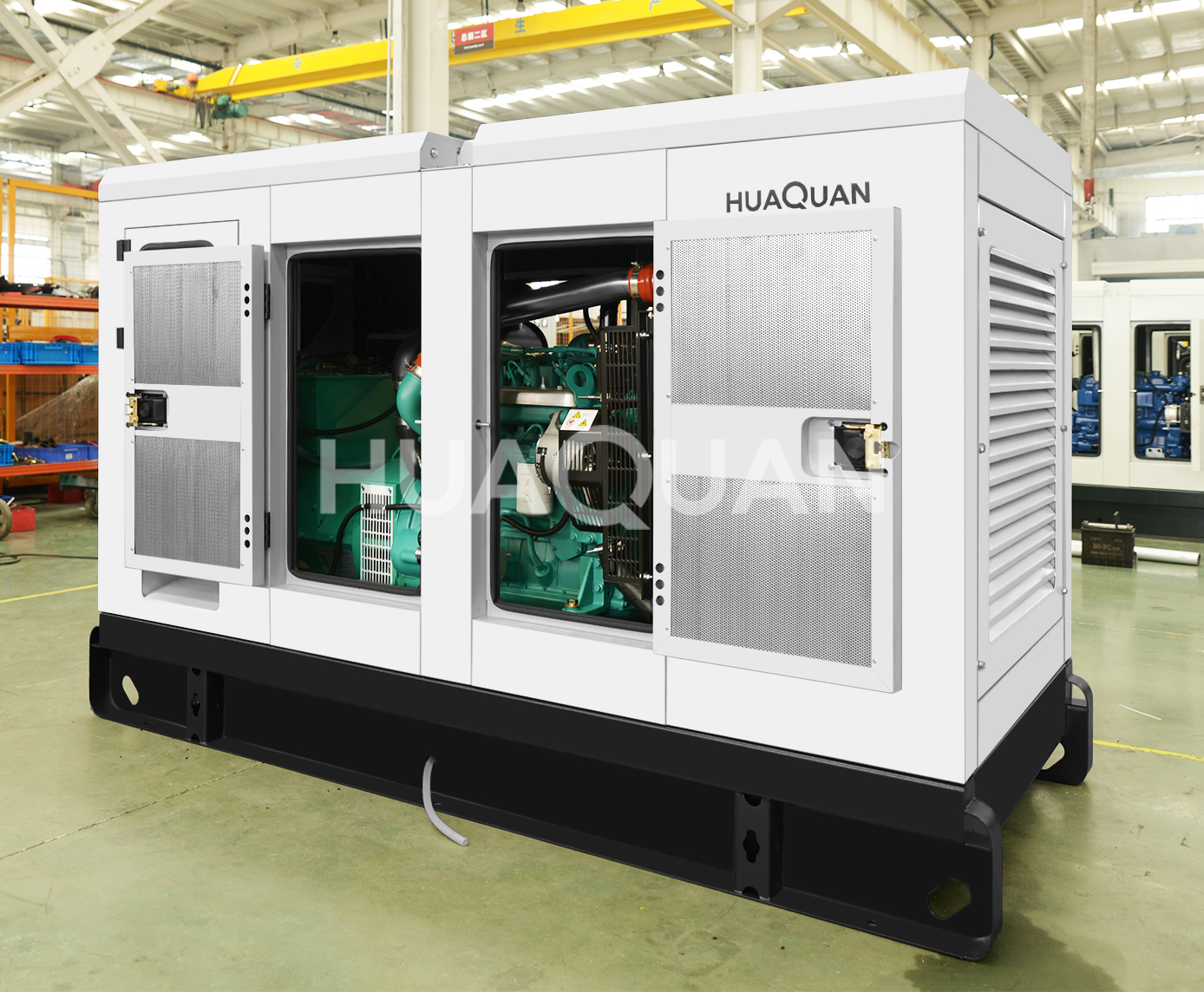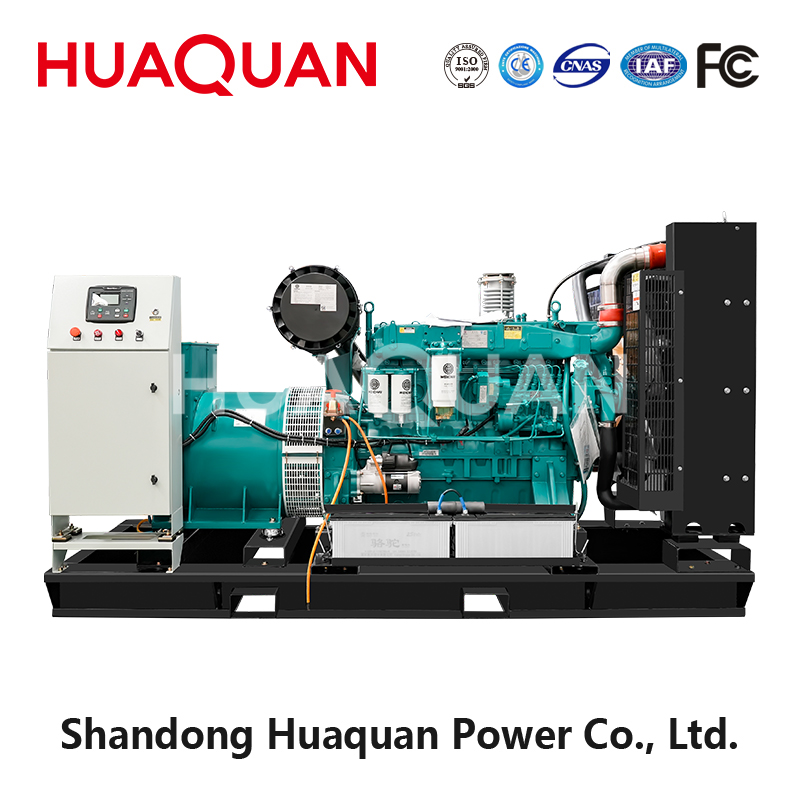
Kada je a Dizel generator se naglo zaustavlja svojim hitnim zaustavljanjem (STOP) funkcija, motor, upravitelj, sustav uzbude, i zaštitni releji zahtijevaju postupak sustavnog resetiranja prije nego što se jedinica može sigurno ponovno pokrenuti. Ispravno gašenje nakon hitnog slučaja reset dizel generatora sekvenca štiti i osoblje i opremu od opasnosti neočekivanog ponovnog pokretanja, anomalije tlaka ulja, i toplinski šok.
Što je hitno isključivanje i zašto se aktivira?
An emergency shutdown is designed to immediately cut fuel or air supply to the engine, stopping the dizelski generator as quickly as possible when a dangerous condition is detected. Uobičajeni okidači uključuju prekoračenje brzine (RPM motora premašuje sigurnu granicu, obično 120–125% nazivne brzine), nizak pritisak ulja (ispod minimalnog sigurnog radnog praga, obično 15–20 PSI), visoka temperatura rashladnog sredstva (preko 105-110°C / 221–230°F), abnormal vibracija, i vanjska stanja kvara otkrivena zaštitnim relejima.
Vrste sustava za hitno isključivanje
| ESD vrsta | Metoda zaustavljanja | Brzina zaustavljanja | Potrebno resetiranje |
|---|---|---|---|
| Zatvaranje goriva (solenoid) | Isključuje solenoid za prekid dovoda goriva, protok goriva prestaje | 5– 10 sekundi | Ručno resetiranje solenoida i upravljačke ploče |
| Zatvaranje zraka (zaklopka) | Zatvara zaklopku za dovod zraka, motor se guši | 10– 30 sekundi | Ponovno otvorite prigušnicu, čista greška, resetirati |
| Isključivanje guvernera | Regulator reže stalak goriva na nulti položaj | 3– 5 sekundi | Reset regulatora, čisti alarm, ponovno pokretanje |
| Mehanička prekoračenje brzine | Putovanje s oprugom fizički smanjuje potrošnju goriva | <1 drugi | Ponovno postavljanje mehaničkog okidanja, pregledati motor |
Zašto se hitno isključivanje ne vraća automatski
The reset dizel generatora proces uvijek zahtijeva ručnu intervenciju nakon hitnog zaustavljanja jer automatsko ponovno pokretanje može predstavljati ozbiljnu opasnost za osoblje koje je namjerno pokrenulo ESD zbog sigurnosne opasnosti. The requirement for deliberate human action before restart is a fundamental safety design principle mandated by NFPA 110 za vrstu 10 sustavi za hitno napajanje. Ovaj “mrtvac” resetiranje osigurava da kvalificirani operater procijeni situaciju i potvrdi da je sigurna prije ponovnog uključivanja generatora.
Koji su neposredni koraci nakon hitnog isključivanja?
Prije bilo kakvog pokušaja reset dizel generatora operacija, operater mora slijediti strukturirani slijed provjera kako bi osigurao da se motor potpuno zaustavio, identificirati što je pokrenulo gašenje, i procijeniti je li generator sigurno ponovno pokrenuti. Ove korake treba izvršiti unutar prvog 10 minuta nakon događaja hitnog zaustavljanja.
Korak 1: Osigurajte područje i pričekajte potpuno isključivanje
Osigurajte da nitko ne radi na ili u blizini generatora. Pustite motor da se potpuno zaustavi prirodno. Ne pokušavajte ponovno pokrenuti ili ručno rotirati motor dok se još gasi, budući da bi okidač prekoračenja brzine ili regulator još uvijek mogli biti uključeni. Pričekaj barem 2 minuta nakon što je pritisnuta tipka ESTOP prije početka postupka pregleda.
Korak 2: Identificirajte i zabilježite stanje kvara
Provjerite zaslon upravljačke ploče za kodove grešaka, povijest alarma, i određeni događaj koji je pokrenuo hitno isključivanje. Najmodernije dizelski generator sustavi upravljanja (kao što su oni koji koriste Deep Sea Electronics, ComAp, ili Basler kontroleri) zabilježite šifru greške, vremenska oznaka, i radnim parametrima u trenutku putovanja. Zabilježite ove podatke prije brisanja bilo čega, budući da je bitno za analizu temeljnog uzroka i sprječavanje ponavljanja istog stanja kvara.
Korak 3: Izvršite sigurnosni pregled prije resetiranja
Prije pokretanja reset dizel generatora, provesti vizualni i fizički pregled sljedećeg: provjerite razinu ulja i indikator tlaka ulja (prekidi rada pri niskom tlaku ulja mogu ukazivati na curenje ili potrošnju); provjerite ima li curenja razine rashladne tekućine i integriteta hladnjaka; ispitajte ima li motora neuobičajenih zvukova, curenje ulja, ili znakove napadaja; provjerite jesu li svi električni priključci sigurni; i potvrdite da je gumb za zaustavljanje u nuždi fizički otpušten povlačenjem (mehanizam za otpuštanje na većini industrijskih tipki ESTOP).
Kako izvesti postupak resetiranja dizel generatora?
Nakon završetka početne sigurnosne procjene, postupak resetiranja može se pokrenuti putem upravljačkog sustava generatora. Specifični koraci malo se razlikuju ovisno o proizvođaču sustava upravljanja, ali opći slijed ostaje dosljedan u većini industrijskih dizelski generator instalacije.
Brisanje alarma putem upravljačke ploče
Prva akcija u bilo kojem reset dizel generatora redoslijed je brisanje aktivnih grešaka iz memorije regulatora. Na većini upravljačkih ploča, to se postiže pritiskom i držanjem tipke ALARM RESET ili FAULT CLEAR 3-5 sekundi dok LED lampica alarma ne prestane treperiti i postane stabilna ili isključena. Na kontrolerima serije Deep Sea 5000, pritisnite “Način rada” gumb za ulazak u zaslon sa sažetkom alarma, zatim pritisnite “Priznaj” slijedi “Resetiraj.” Na ComAp InteliSys kontrolerima, pritisnite “Resetiraj alarme” tipku na dodirnom sučelju.
Resetting the Emergency Stop Latch
Gumbi za hitno zaustavljanje koriste mehanički zasun koji fizički sprječava ponovno pokretanje dok se ne otpusti. Za resetiranje, povucite crvenu tipku ESTOP prema van (ili ga okrenite u smjeru kazaljke na satu, ovisno o modelu) sve dok gumb ne iskoči i unutarnji zasun se ne oslobodi. This is a separate action from the control panel alarm clear and must be completed before the generator can enter the start sequence. Inspect the ESTOP button for any damage from activation, and verify that the emergency stop input to the controller changes from active (closed circuit) to inactive (open circuit) when the button is released.
Verifying Prerequisite Conditions
| Prerequisite Condition | Prihvatljivi raspon | Action if Out of Range |
|---|---|---|
| Tlak motornog ulja | 0 PSI (engine stopped) → rises within 5 sec of cranking | Do not crank if oil pressure does not build |
| Temperatura rashladnog sredstva | < 90°C for cold reset; allow cooling if higher | Wait for coolant temp to drop below threshold |
| Napon baterije | > 12.4V for 12V system, > 24.8V for 24V system | Recharge battery before attempting start |
| Fuel supply valve | Open and supplying fuel | Open manual fuel valve if closed |
| Razina rashladne tekućine | Above minimum mark on expansion tank | Top up coolant before restart |
| Air intake damper | Fully open (for air-shutoff ESD) | Manually reopen damper linkage |
What to Check Before Restarting After an Emergency Shutdown?
Not all emergency shutdowns are followed by a simple reset and restart. Some faults indicate underlying mechanical or electrical problems that must be addressed before the dizelski generator is brought back online. The root cause must always be determined and corrected before the reset sequence progresses to actual engine starting.
Post-Overspeed Inspection Requirements
An overspeed trip is one of the most potentially damaging events for a dizelski generator. If the engine was allowed to exceed rated RPM by more than 15%, internal components such as the rotor shaft, bearing surfaces, and connecting rod bolts may have been stressed beyond their design limits. Before any reset and restart, inspect the following: check for unusual engine noise or knocking that was not present before; verify that the governor linkage and speed sensor are intact; examine the engine mounting bolts for any signs of loosening; and perform a compression test on all cylinders to detect any loss of cylinder sealing that may have occurred during the overspeed event.
Oil Pressure Fault Investigation
If the emergency shutdown was triggered by low oil pressure, investigate immediately. Possible causes include oil dilution from fuel leaks into the crankcase (which reduces oil viscosity and pressure), a failing oil pump, clogged oil pickup screen, worn main bearings or camshaft bearings, or simply an insufficient oil level from a pre-existing leak. Perform an oil analysis (checking for fuel odor and measuring viscosity) before adding more oil and attempting a restart. Running the engine with contaminated or low oil after an emergency shutdown can cause catastrophic bearing failure.
What Common Mistakes Occur During Diesel Generator Reset?
Even experienced operators sometimes make errors during the reset dizel generatora process that compromise safety or damage equipment. Being aware of these common mistakes helps ensure the reset procedure is completed correctly every time.
Skipping the Root Cause Investigation
One of the most frequent and dangerous mistakes is clearing the fault and immediately restarting the generator without determining why the emergency shutdown occurred in the first place. Repeated emergency shutdowns followed by immediate restart without investigation accelerate equipment wear and can mask serious problems that eventually result in complete engine failure. Always treat the first emergency shutdown as an investigation opportunity rather than a minor inconvenience.
Bypassing Protective interlocks
Some operators, under time pressure to restore power, attempt to bypass the oil pressure switch, coolant temperature probe, or other safety interlocks to force a restart. This practice is extremely dangerous and violates NFPA 110 and most local electrical codes. Protective interlocks exist precisely to prevent operation under conditions that could cause personal injury, oštećenje opreme, or fire. Never jumper or bypass any protective device during a reset dizel generatora sequence.
Često postavljana pitanja
Can I reset a diesel generator remotely after emergency shutdown?
Remote reset capability depends on the control system installed in your dizelski generator. Most modern generator controllers with SCADA or remote monitoring capability allow alarm acknowledgment and fault clearing remotely via Modbus, Ethernet, or dedicated communication protocols. Međutim, the physical emergency stop button must always be manually released at the unit before the reset can be completed. NFPA 110 Tip 10 systems specifically require that the emergency shutdown mechanism be manually reset at the equipment location; remote-only reset without physical presence at the generator is not compliant with the standard for most critical safety applications.
How long should I wait after emergency shutdown before resetting?
You should wait at least 2–5 minutes after the engine has fully stopped before initiating the reset dizel generatora procedure. This allows residual fuel pressure to bleed off, the turbopunjač to slow to a stop, and any hot surfaces to cool slightly enough for safe inspection. For coolant temperature-triggered shutdowns, wait until the temperature drops below the restart threshold shown on the control panel — typically below 90°C (194°F). Rushing the reset process before the engine has stabilized increases the risk of injury and may allow restart under conditions that immediately re-trigger the protective shutdown.
What does it mean if the generator won’t reset after clearing the alarm?
If the control panel indicates that the fault has been cleared but the generator still refuses to enter the start sequence, the most common cause is an uncleared latched fault from a protective relay or a physical condition that is still present. Check for the following: the emergency stop button may not be fully released — pull it out firmly and confirm it clicks; a secondary fault such as high coolant temperature may still be active on a different channel; the oil pressure switch may be stuck in the open position; or the fuel solenoid may not be receiving power from the controller, indicating a wiring issue. Consult the specific fault code displayed on your control panel and cross-reference it with the controller manual to identify the blocking condition preventing the reset dizel generatora.
Is it normal for oil pressure to show zero after an emergency shutdown?
Da, it is completely normal for oil pressure to read zero immediately after an dizelski generator emergency shutdown because the engine has stopped rotating and the oil pump is no longer circulating lubricant. The critical test occurs when the engine is cranked during restart — oil pressure should build to above the minimum threshold (typically 20–30 PSI depending on the engine model) within 5–10 seconds of cranking. If oil pressure fails to build during cranking, immediately stop the cranking attempt and investigate the oiling system before attempting another start. Running an engine without oil pressure, even briefly, causes severe wear on bearings, cam lobes, and other critical internal components.
How often should emergency shutdown drills be performed?
NFPA 99 and NFPA 110 require that emergency power supply systems be exercised monthly for at least 30 minutes under load, which includes verifying that the start sequence and all protective functions operate correctly. A quarterly reset dizel generatora drill should specifically include the controlled initiation of an emergency stop, observation of the shutdown response, and completion of the reset procedure to ensure operators remain proficient. Monthly exercise runs under load confirm that the generator starts reliably and carries its rated load without fault, while the less frequent reset drills maintain operator competence for the actual emergency scenario.
⚡ Istražite srodna rješenja
- 🏭 500kW Diesel Generator
- 🏭 1000kW Diesel Generator
- 🏭 500kW YC dizel generator
- 🔧 KMS (Cummins/Doosan) Niz
- 🏥 Rješenja bolničkih generatora
- 📋 Dizel generatorski setovi
- 📋 Proces narudžbe — Kako kupiti
- 📋 Kontaktirajte nas
💡 Trebate prilagođeno rješenje? Kontaktirajte naš inženjerski tim za preporuke specifične za projekt.
A methodical post-emergency-shutdown reset dizel generatora procedure is essential for safe operation, equipment longevity, and reliable power continuity. Always investigate the root cause of any shutdown before restarting, clear all faults through the control system, verify that all prerequisite conditions are met, and never bypass protective interlocks under any circumstances.
For more information on diesel generator safety and operation procedures, explore our technical documentation and safety guides on the Huaquan Power website.