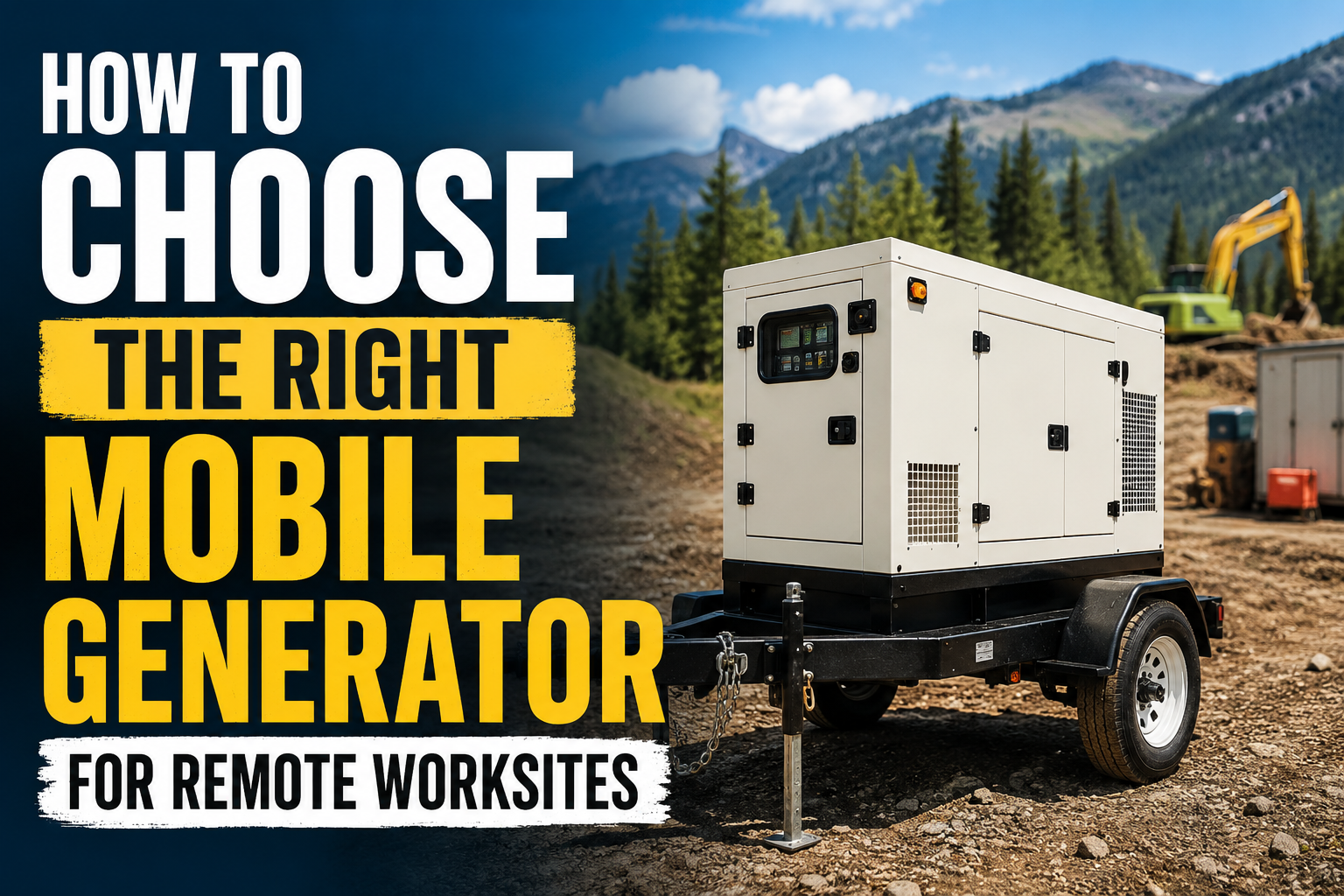
When working remotely, you are likely to be away from the main power supply. U takvim slučajevima, portable power is reliable and keeps all aspects of work moving forward. Without a reliable source of worksite electricity, projects can stall, deadlines can be missed, and costs can escalate rapidly.
Each construction project, mining operation, and remote job has unique power requirements, so it is essential to carefully plan for the right generator. The aim is not just to purchase the biggest one around. Umjesto toga, you need a mobile generator that can match your power requirements and reliably power your equipment, no matter where you are working.
U ovom vodiču od Huaquan, you will learn about How to Choose the Right Mobile Generator for Remote Worksites.
Understanding Mobile Generatori
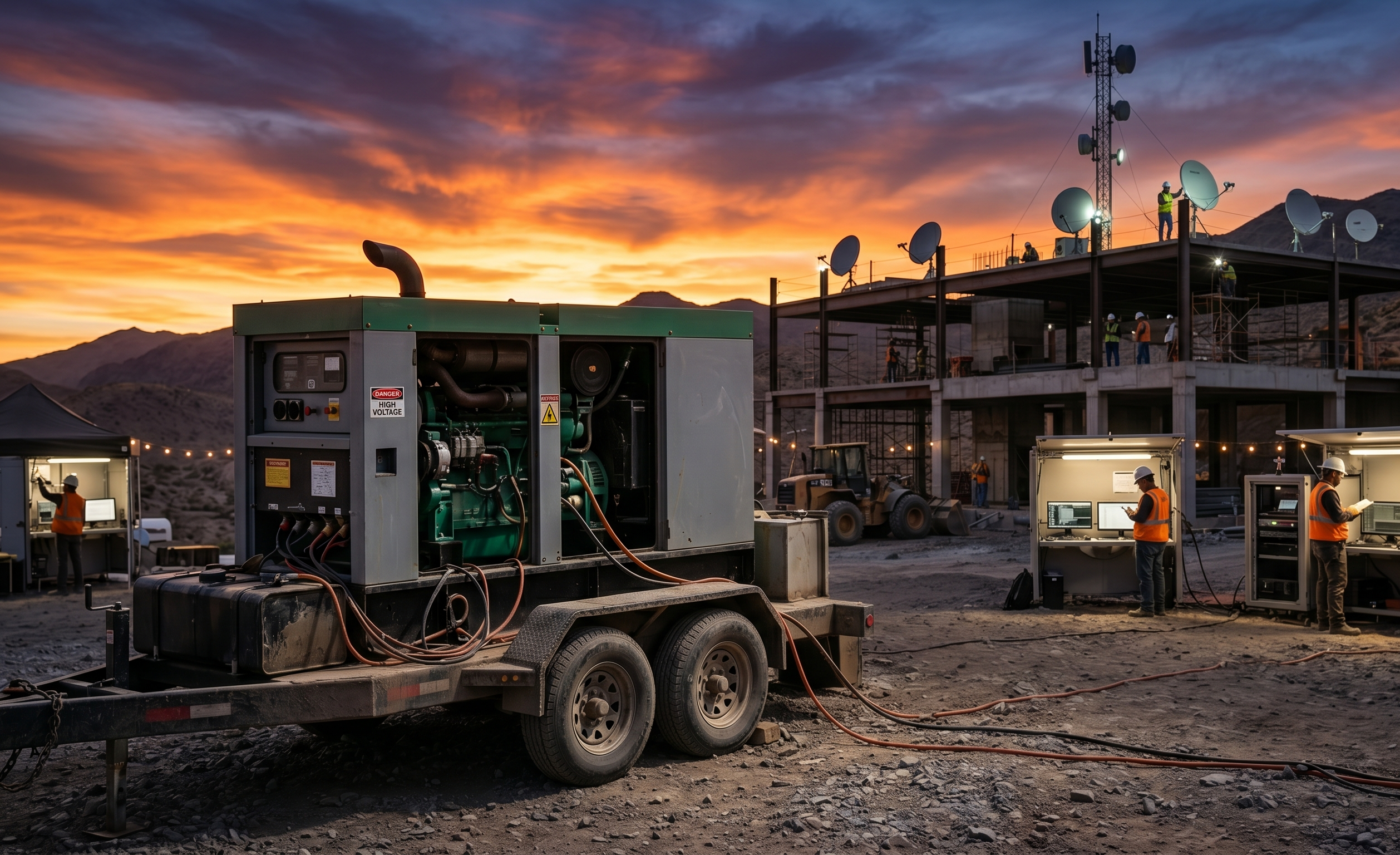
A mobile generator is a self-contained generator that provides temporary power in areas where electrical power is not provided. Mobile generators can be transported to the site wherever the operator needs power, but unlike stationary standby generators, they are not permanently connected to a building’s electrical system. They are usually installed on skids for easy loading onto flatbeds or built into sturdy trailers for highway use.
ove mobile generators go straight to the jobsite and generate power as needed. Portable power equipment has undergone a lot of improvement over the years with the help of modern engineering. Current generator models feature advanced fuel injection systems, heavy-duty weather enclosures, and digital control panels that enable operators to monitor power generation and engine performance with precision.
Types of Mobile Generators
Most of the market for mobile generators is split between engine and fuel types. The most common types are:
- Dizel generatori are the most popular generators used in industrial applications. Diesel engines provide excellent torque, dug radni vijek, and superior fuel efficiency under heavy continuous loads. Diesel is the standard power source for many long-term remote projects.
- Gasoline Generators: They tend to be lighter, smaller and cheaper up front than diesel generators. Gasoline generators are suitable for smaller crews, short duration projects, and for supplemental power. Međutim, they typically require more maintenance over long periods of use.
- Generatori propana (LPG): These are liquid petroleum gas generators which use a cleaner-burning fuel and work well in environmentally sensitive areas. Propane does not degrade over time like gasoline or diesel fuel. These units are highly reliable for intermittent or backup power use, although they generally produce slightly less power per engine size.
- Hybrid and Solar Mobile Generators: These are relatively new in the field of remote power generation. Most systems combine lithium-ion battery storage, solar panels and a smaller backup engine. They significantly reduce emissions and fuel use, making them a solid choice for protected environments and organizations looking to reduce their environmental impact.
How to Choose the Right Mobile Generator
Zahtjevi za napajanje
If a generator is to be purchased or rented, make a detailed load calculation before committing to a generator of the appropriate size.
- Running Wattage: The power that your equipment requires while it is running.
- Peak/Starting Wattage: Motors that start, such as compressors and large power tools, use a brief high amount of power. You’ll need sufficient capacity in your generator to accommodate these increases without stalling or causing the breaker to trip.
Fuel Type and Efficiency
Fuel type impacts both running costs and maintenance needs, as well as the amount of time between refueling. Nadalje, many remote projects must consider local environmental regulations regarding emissions.
| Vrsta goriva | Pros | Protiv | Najbolje za |
| Dizel | Visoka učinkovitost goriva, Long engine life, sigurnije skladištenje. | Significant initial investment and high unit weight. | for long-term remote projects (heavy duty). |
| Benzin | Niži početni trošak, easy to source fuel | Kraći vijek trajanja, highly flammable fuel | Smaller sites, short-term projects |
| Propan | Clean emissions, indefinite fuel shelf life | Less energy density, large tanks | Eco-sensitive areas, rezervno napajanje |
Portability and Mobility
A true mobile generator must have good mobility features. Start by evaluating the conditions at your worksite. Units are available in compact models with heavy-duty wheels or trailer-mounted designs. Strong construction is just as important as mobility. Seek a sturdy frame, steel reinforcement, and strong lifting points capable of enduring rough conditions, transportation, and everyday jobsite use.
Razine buke
Noise plays a major role in both worker comfort and regulatory compliance. Too much noise can lead to fatigue and create issues for neighboring communities or environmentally sensitive areas. A quiet generator helps keep crews productive and minimizes disruption around the worksite. Many low-noise models are fitted with sound-attenuating enclosures that significantly reduce operating noise. Sound output is normally measured in decibels, and units operating below 70 dB(A) na 7 meters are generally more comfortable to use.
Safety Features
Generator safety helps protect both personnel and equipment. Look for standard protection features like GFCI outlets, automatska regulacija napona (AVR), grounding terminals, overload protection and low-oil automatic shutdown controls. These features reduce electrical hazards and help prevent equipment damage. Following OSHA requirements also contributes to a safer work environment and lowers the risk of violations or penalties.
Maintenance and Durability
Equipment is exposed to dust, vlage, vibration and extreme temperatures on remote jobsites. Stoga, durability is another key consideration when selecting a mobile generator. Review accessibility of service points such as oil and air filters. A reliable generator should include weather-resistant enclosures, clear maintenance intervals, and replacement parts that are readily available.
Most Popular Mobile Generator Models
For those seeking value when investing in power equipment, proven performance is often the safest option. Several product lines are consistently recommended by industry professionals and generator reviews for demanding remote applications.
Generac Mobile: A common sight on construction sites across the industry is Generac’s towable generators known as the Generac Mobile (Magnum Series). Contractors value the durable enclosures, large onboard fuel tanks that provide extended runtimes, and rugged trailer chassis. These units are widely used in the oil and gas industry as reliable remote site generators.
Multiquip WhisperWatt: Multiquip stands out when noise reduction is a priority. Reliable diesel power and advanced sound attenuation are key features of the WhisperWatt line. These generators are designed to provide dependable electrical output through high-quality alternators while maintaining very low operating noise levels. Kao rezultat, they support both sensitive electronic equipment and heavy machinery with equal reliability.
Honda EU Series (Inverter Generators): Honda Inverter Generators offer great mobility and ultra-clean power output. They are lightweight and can be moved easily from one site to another. They are also quiet and feature Eco-Throttle technology to regulate engine speed to power demands. This system not only increases fuel economy, but also minimizes needless engine wear. These generators are particularly suitable for remote communication hubs, drone charging stations and isolated task lighting.
Cost Considerations
The purchase price should not be the only consideration. A cost-effective generator provides value throughout its life.
- Početni trošak: If you’re considering buying versus renting, check both your project duration and the price.
- Gorivo & Održavanje: Diesel generators may cost more upfront, but typically achieve higher fuel efficiency and longer life. These benefits can add up to substantial total ownership costs over the engine’s lifetime.
- ROI Analysis: Downtime has a true financial impact. If a generator with a higher purchase price can prevent a major worksite shutdown the first time it is used, it will pay for itself.
Tips for Efficient Use
- Optimized Placement: Correct placement of the generator has a direct impact on performance and safety. Place the generator on solid level ground and downwind from the main working area to control exhaust. Keep at least 3 feet of clearance on all sides to promote good air flow and cooling.
- Više jedinica: If you need more power down the road, rather than buying an oversized generator, try to connect multiple generators in parallel. This will ensure overall efficiency and provide a backup generator in case one needs maintenance or service.
- Safe Operation: Always follow fuel-handling procedures. Fuel should be stored in approved and appropriately labeled containers and away from the generator. Do not refuel a hot engine. These are some basic things that can be done to help minimize risks and also assist with day to day operation safely.
Zaključak
Choosing the appropriate mobile generator for a remote worksite isn’t simply about choosing a power source. It requires a detailed examination of your power usage, site conditions, fuel supply and operational requirements. By considering the essential aspects of a generator like its capacity, sigurnosne značajke, smanjenje buke, potrošnja goriva, i životni vijek, you establish a more solid groundwork for off-grid power generation. With proactive project planning and strategic equipment selection, projects continue to be productive, sef, and cost-effective, with a reduction of the risks of remote work.
Take the Next Step for Your Worksite!
Never let unreliable power interfere with your remote projects or raise operating costs. Ensure reliable, safe and efficient electrical energy supply to your crews with equipment designed for the rugged jobsite. Browse our wide selection of highly-rated mobile generators and talk to our experts about your project and get a free estimate for your needs. Whether you need an advanced Prijenosni generator to upgrade your current fleet or a mobile generator for a long term construction project, our team knows how to do it powerfully and efficiently.
Kontaktirajte nas to get a price quote for mobile generators!
⚡ Istražite srodna rješenja
- 🏭 500kW Diesel Generator
- 🏭 1000kW Diesel Generator
- 🏭 500kW YC dizel generator
- 🔧 KMS (Cummins/Doosan) Niz
- 🏥 Prijenosni generator
- 🏥 Rasvjetni tornjevi
💡 Trebate prilagođeno rješenje? Kontaktirajte naš inženjerski tim za preporuke specifične za projekt.
Često postavljana pitanja
What is the typical lifespan of a diesel generator?
A well-maintained diesel generator lasts 15,000-30,000 radno vrijeme ili 20-25 years in standby applications. Prime power generators may need major overhaul at 15,000-20,000 sati. Regular maintenance is the key factor in achieving maximum lifespan.
Koliko često trebam servisirati svoj dizel generator?
Standard service intervals: oil and filter change every 250-500 radnih sati ili godišnje (što prije dođe). Fuel filter every 500 sati. Air filter every 500-1,000 hours depending on environment. Coolant replacement every 2 godina. Valve adjustment every 3,000-5,000 sati.
What is the difference between standby and prime power generators?
Standby generators are designed for emergency use only (typically under 200 sati godišnje) at variable load. Prime power generators can run continuously at variable load with no hour limit, plus 10% preopterećenje za 1 hour per 12 sati. Prime-rated generators cost 20-30% more but last 2-3 times longer.
How do I calculate fuel consumption for my generator?
Praktično pravilo: diesel generators consume approximately 0.25-0.30 liters per kWh at 75% opterećenje. For a 500kVA generator at 75% opterećenje (300kW): 300 x 0.28 = 84 L/h. Always check the manufacturer’s BSFC (brake specific fuel consumption) data for accurate calculations.
Do I need an automatic transfer switch (ATS)?
For standby and backup applications, an ATS is essential. It monitors utility power and automatically starts the generator and transfers load within 10-30 seconds of a power failure. When utility power returns, the ATS transfers back and shuts down the generator. Manual transfer is only acceptable for portable generators.