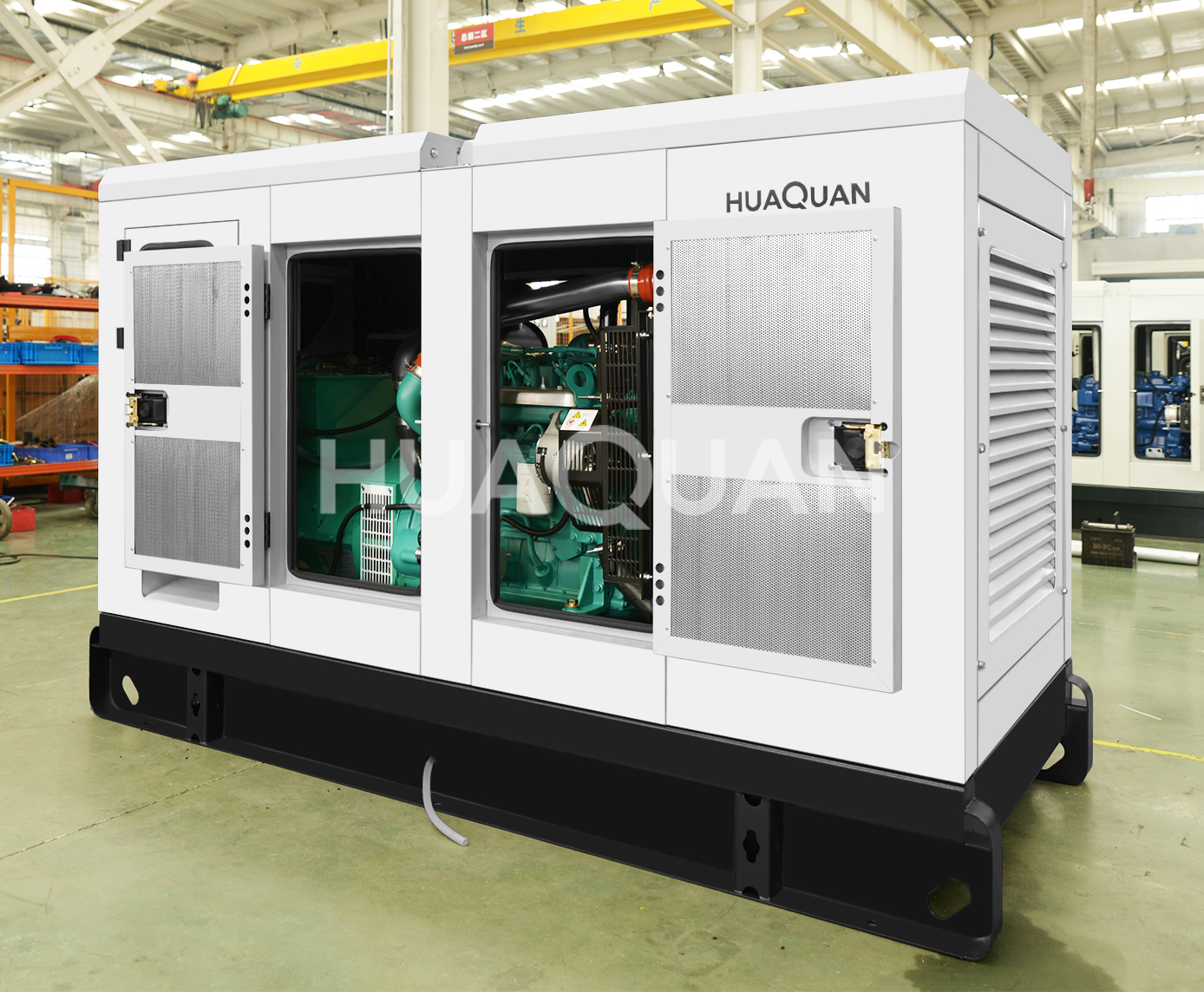
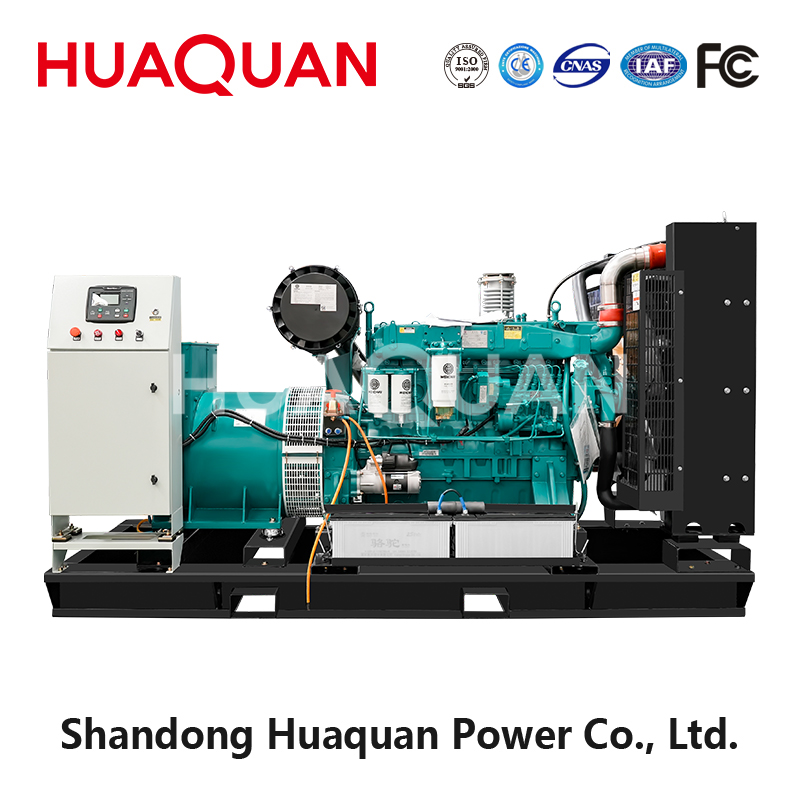
Checking the Dizel generator coolant level safely requires waiting for the engine to cool below 50°C (122°F), wearing appropriate personal protective equipment including insulated gloves and safety glasses, and inspecting the coolant expansion tank or radiator filler neck to verify that the level sits between the minimum and maximum marks indicated on the body. Never remove a pressurized radiator cap from a hot engine — the coolant can flash to steam and cause severe burns within milliseconds.
Why Is Coolant Level Monitoring Critical for Diesel Generatori?
The engine cooling system in a dizelski generator is responsible for maintaining optimal operating temperatures between 80°C and 100°C (176°F and 212°F). Without adequate coolant, the engine cannot dissipate the heat generated by combustion and mechanical friction, što dovodi do pregrijavanja, cylinder head gasket failure, cracked engine blocks, a u teškim slučajevima, complete engine destruction. Since diesel engines in generator applications run at high load factors and often for extended durations, maintaining the correct diesel generator coolant level is a non-negotiable maintenance requirement.

Consequences of Low Coolant Level
| Coolant Level Condition | Engine Temperature Effect | Risk if Operation Continues |
|---|---|---|
| 100–85% (Normalan) | Stable, within 80–100°C | None — safe operating range |
| 85–70% (Low warning) | Rises 5–15°C above normal | Gradual overheating, efficiency loss |
| 70–50% (Critical low) | Exceeds 105°C, alarm triggers | Head gasket risk, cylinder scoring |
| Ispod 50% (Emergency) | Rapid temperature rise above 110°C | Engine seizure, catastrophic failure |
How the Cooling System Maintains Engine Temperature
A diesel engine’s cooling system operates as a closed-loop liquid cooling circuit. Coolant is circulated by a water pump from the engine block to the cylinder head, then through the radiator where ambient airflow (forced by a mechanical or electric fan) removes heat. A thermostat regulates flow to maintain the correct operating temperature, and an expansion tank provides a reservoir for coolant expansion during heating and a source for coolant makeup between maintenance intervals. The coolant itself is a mixture of ethylene glycol or propylene glycol and properly treated water, formulated to provide both freeze protection and elevated boiling points.
What Safety Precautions Must Be Taken Before Checking Coolant Level?
Coolant system safety is paramount because the liquid in a running diesel engine cooling system can reach temperatures of 100°C (212°F) and pressures of 15–20 PSI. At these conditions, the coolant is hot enough to cause instantaneous second-degree burns and is pressurized — removing a cap suddenly can cause a violent release of superheated coolant as steam and liquid.
Mandatory Safety Steps Before Inspection
Prvi, shut down the dizelski generator and allow the engine to cool for at least 30–60 minutes until the coolant temperature drops below 50°C (122°F). While waiting, place a “DO NOT OPERATE” lockout tag on the generator control panel to prevent accidental startup during inspection. Wear heat-resistant gloves (rated to at least 100°C), safety glasses or face shield, and long sleeves to protect skin from accidental coolant splash. Gather your tools — which should include the correct coolant mixture for topping up, a clean funnel, and clean rags for cleanup — before opening any coolant system component.
Understanding Pressure and Temperature Hazards
| Engine State | Temperatura rashladnog sredstva | System Pressure | Safe to Open Cap? |
|---|---|---|---|
| Running engine | 80–105°C | 15–25 PSI | NO — extreme burn risk |
| Just shut down (<5 min) | 95–105°C | 15–20 PSI | NO — still pressurized and hot |
| Cooling down (5–30 min) | 60–95°C | 5–15 PSI | NO — pressure still present |
| Fully cooled (>30 min) | Below 50°C | 0 PSI (pressure equalized) | YES — pressure released |
The Pressure Cap Release Procedure
When the engine has been off long enough for cooling, slowly turn the radiator or expansion tank pressure cap one-quarter turn counterclockwise to allow residual pressure to vent before fully removing it. If coolant begins escaping through the vent gap as steam or liquid, stop immediately — the engine is still too hot. Wait an additional 10–15 minutes and repeat. This graduated cap removal technique prevents the violent release of pressurized hot coolant that causes the majority of cooling system-related burns in industrial settings.
How to Check Diesel Generator Coolant Level: Step by Step
With the engine safely cooled and personal protective equipment in place, the actual diesel generator coolant level check is a straightforward procedure that can be completed in 5–10 minutes when performed correctly.
Korak 1: Locate the Coolant Expansion Tank or Radiator Filler Neck
Most modern dizelski generator engines use a coolant expansion tank with translucent walls and MIN/MAX markings on the side. This is the primary reference for coolant level. On older systems without expansion tanks, the coolant level is checked at the radiator filler neck, and the cap is removed as described above. The expansion tank is the safer inspection point because it is separate from the pressurized portion of the cooling system and can be checked with minimal exposure risk.
Korak 2: Inspect the Coolant Level Against Marks
With the engine completely cool, look at the expansion tank and compare the coolant surface level against the MIN and MAX markings. The coolant should be clearly visible through the translucent tank material. A level between MIN and MAX is adequate for operation; if the level is at or below the MIN mark, add coolant immediately after checking for any signs of leakage elsewhere in the system. Do not overfill above the MAX mark, as the expanding coolant during heating will have nowhere to go and will rupture the tank or force coolant out through the pressure cap overflow.
Korak 3: Check Coolant Condition
While checking the diesel generator coolant level, also inspect the coolant color and clarity. Fresh ethylene glycol coolant is typically bright green, orange, blue, or pink depending on the brand and formulation. Brown or rusty discoloration indicates iron oxide contamination from corroded cooling passages. A milky or foamy appearance suggests coolant mixing with oil, indicating a possible head gasket leak. Dark black coolant may indicate oil contamination from a more serious internal leak. Any abnormal color warrants further investigation before adding coolant and returning the generator to service.

How to Check Coolant Concentration and Protection Level?
Coolant level alone is insufficient for quality assessment — the concentration of antifreeze in the coolant mixture determines its boiling point elevation and freeze protection properties. A dizelski generator operating in a warm climate still requires correct coolant concentration to prevent corrosion and cavitation inside the engine block.
Using a Refractometer for Coolant Testing
A refractometer measures the refractive index of the coolant and converts it to a direct reading of ethylene glycol or propylene glycol concentration. To use it, place one or two drops of coolant on the refractometer prism, close the cover plate, and look through the eyepiece at a light source. Read the concentration at the intersection of the blue and white fields. The ideal concentration for year-round operation in most climates is 40–60% glycol by volume; concentrations above 70% actually reduce heat transfer efficiency and should be avoided.
Minimum Coolant Concentration by Climate
| Climate Type | Minimum Glycol Concentration | Freeze Protection To | Boiling Point (at sea level) |
|---|---|---|---|
| Hot climate only (>10°C / 50°F) | 30% | -15°C / 5°F | 105°C / 221°F |
| Temperate / Mixed | 40% | -24°C / -11°F | 108°C / 226°F |
| Cold climates | 50% | -37°C / -35°F | 111°C / 232°F |
| Ekstremna hladnoća (<-30°C) | 60% | -52°C / -62°F | 114°C / 237°F |
How Often Should Diesel Generator Coolant Level Be Checked?
The frequency of diesel generator coolant level checks depends on the generator’s duty cycle, dobi, and operating environment. Consistent adherence to the inspection schedule prevents the gradual coolant loss that leads to overheating events and expensive engine repairs.
Recommended Inspection Frequency
For standby dizelski generator units in critical facilities (bolnicama, podatkovni centri, telekomunikacija), inspect coolant level at minimum monthly intervals and before and after every exercise run. Prime power and continuous-duty generators should be checked at every scheduled maintenance interval, typically every 250 hours of operation or 3 mjeseca, whichever comes first. Inspect more frequently in dusty environments, after any coolant system maintenance work, or when the generator has experienced a recent coolant-related alarm. Keep a written log of all coolant level readings and inspection dates to identify slow coolant leaks before they cause operational problems.
Često postavljana pitanja
Can I use plain water instead of coolant in a diesel generator?
Plain water can be used as an emergency temporary measure to top up a diesel generator coolant level if coolant is unavailable, but it must be replaced with proper coolant mixture as soon as possible — within 24 hours at most. Plain water has no freeze protection (causing freeze-cracking in cold weather), no corrosion inhibition (causing iron and aluminum corrosion in the engine cooling passages), and a lower boiling point than coolant mixtures (reducing safety margin against overheating). Always maintain the proper ethylene glycol and water mixture with corrosion inhibitors for year-round protection in any dizelski generator application.
What is the difference between measuring coolant level at the expansion tank versus the radiator neck?
The expansion tank is pressurized by the cooling system but has a separate reservoir and internal baffle design that makes it a safe and reliable level reference. The coolant level in the expansion tank is a good proxy for the total system coolant level because the tank fills from the cooling system as coolant expands during heating. When the engine is cold, the expansion tank level should be between MIN and MAX on the markings. The radiator filler neck provides the true system level — if accessible — but requires removing the pressure cap after full cool-down, which involves more safety risk. For routine maintenance, use the expansion tank; use the radiator neck only when troubleshooting suspected airlocks or low coolant events.
Why is my diesel generator losing coolant but showing no visible leaks?
Hidden coolant loss in a dizelski generator is most commonly caused by a leaking cylinder head gasket, which allows coolant to enter the combustion chamber or oil passages. Other possibilities include internal leaks in the water pump seal (coolant entering the crankcase and mixing with oil, visible as a cream-colored emulsion on the oil dipstick), cracks in the cylinder head or engine block, and weeping or failed heat exchanger core on liquid-cooled aftercoolers. If coolant level drops repeatedly without visible external leakage, perform a compression test and oil analysis, and inspect the coolant for the color and consistency changes described above. Any sign of coolant-in-oil should be treated as a head gasket failure requiring immediate repair.
How do I safely top up coolant on a diesel generator?
To top up the diesel generator coolant level, first confirm the engine is fully cooled (below 50°C / 122°F). Remove the expansion tank cap or slowly release the radiator pressure cap as described earlier. Add the correct pre-mixed coolant solution — never add concentrated glycol directly to the system without diluting with the correct amount of treated water — until the level reaches the MAX marking. Install the cap securely and clean up any spilled coolant immediately. Run the engine at partial load for 10–15 minutes after topping up to allow the thermostat to open and the coolant to circulate fully, then recheck the level after the engine cools again to confirm the system is full.
How often should diesel generator coolant be replaced?
Diesel generator coolant should be replaced according to the manufacturer’s interval, typically every 2 years for conventional ethylene glycol coolant or every 3–5 years for extended-life OAT (Organic Acid Technology) rashladne tekućine. Međutim, more frequent replacement may be necessary if coolant testing reveals that corrosion inhibitor levels have dropped below acceptable thresholds or if the coolant shows visible contamination. Perform a coolant test kit analysis annually to measure pH, inhibitor concentration, and contamination levels. As a general rule, if the pH of the coolant falls below 7.0 (for conventional coolant) or if inhibitor test strips indicate depletion, the coolant should be replaced immediately regardless of calendar age.
Safe and regular inspection of the diesel generator coolant level is one of the most cost-effective preventive maintenance actions available to generator operators. By following the cooldown requirements, using proper personal protective equipment, and maintaining correct coolant concentration between 40% i 60%, you can prevent overheating damage and extend the service life of the engine cooling system.
To learn more about diesel generator maintenance and coolant system care, browse the technical resource library on the Huaquan Power website for additional guides on cooling system troubleshooting, coolant selection, and maintenance best practices.