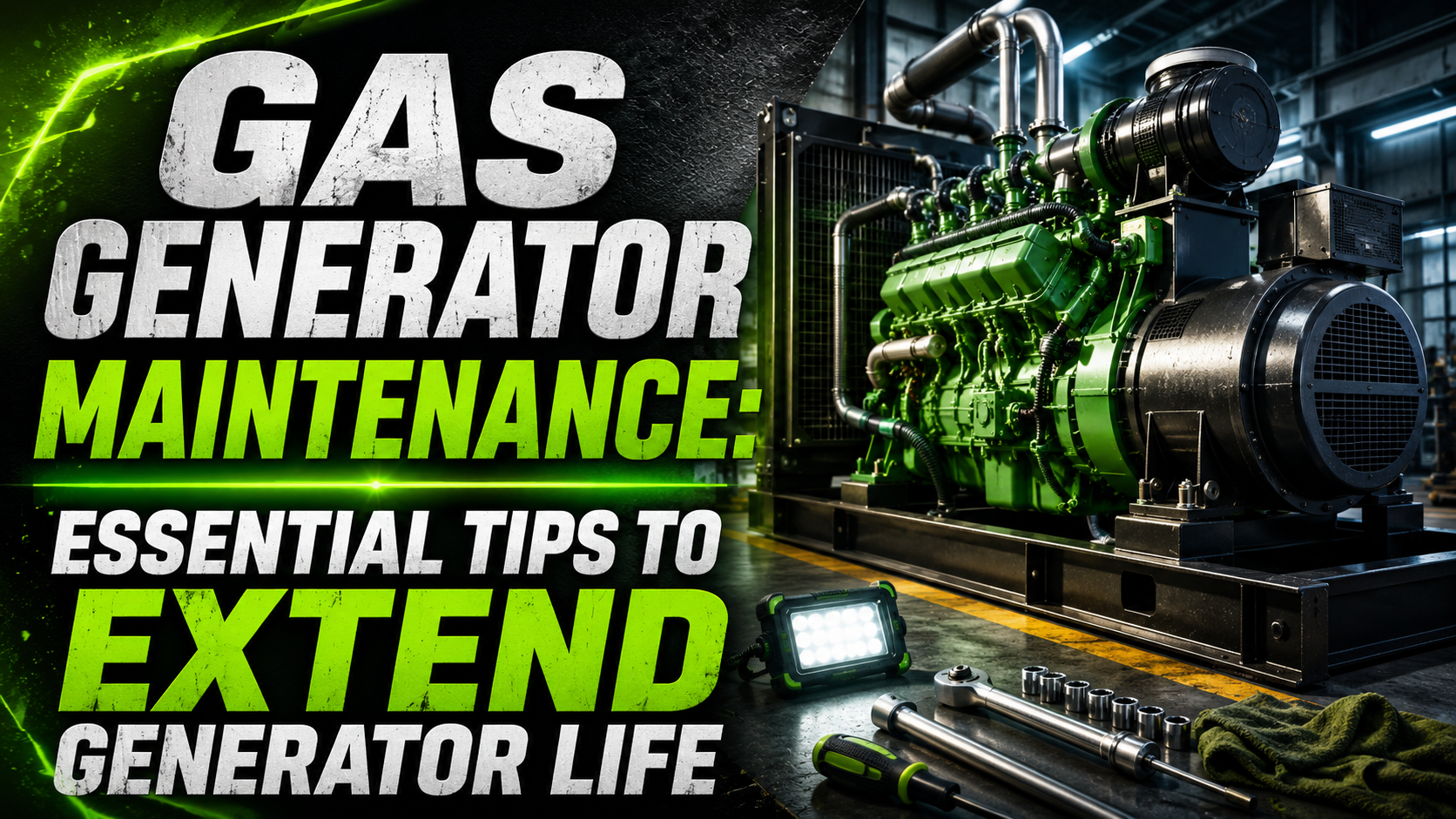
Gas Generators are essential tools that can make the difference in a power outage or emergency at home, at work, or on a construction site. Your lights, your business, and your essential tools will remain operational during a power outage with a reliable generator. But a Gas Generator is a large investment. It can become less efficient, more dangerous, or even fail at the worst possible moment if not properly maintained. Without regular maintenance, a reliable power supply can become a troublesome burden. That is why gas generator maintenance is essential to increase their performance, minimize repair expenses, and prolong the gas generators’ life.
With a few simple maintenance measures, you can ensure your investment is protected, fuel is burned efficiently, and your generator is a reliable power source for years to come. In this article by HuaQuan, you will read about the essential tips to extend generator life.
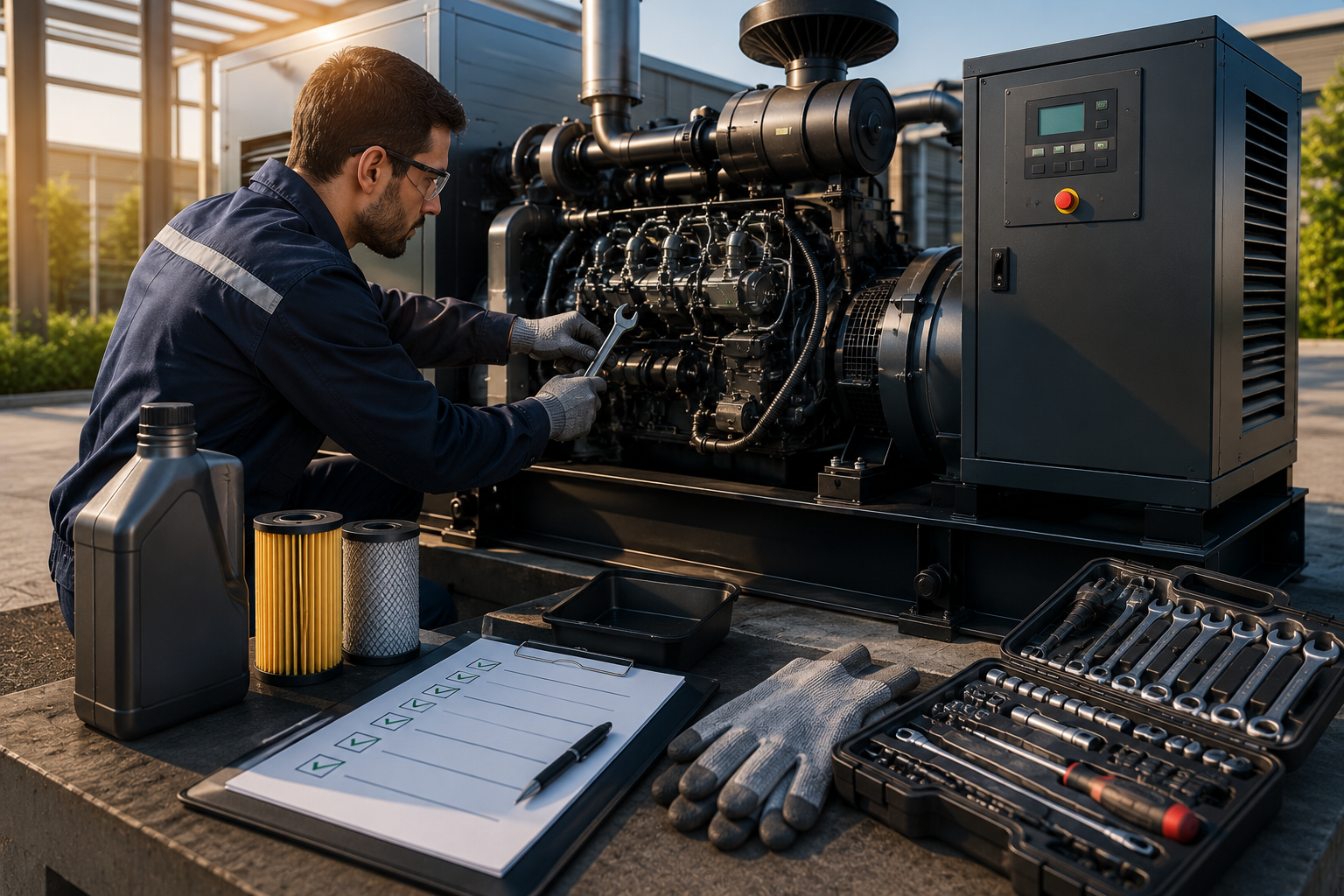
8 Tips to Extend Generator Life
1. Read the Manufacturer’s Manual First
The first and most important step before starting any engine or performing maintenance is to read the manufacturer’s manual. Every generator has its own specific maintenance and is designed differently. The manual will be the best guide to you and will contain all the information you require, such as:
- Recommended oil type and capacity.
- Service schedules for different components
- Specific spark plug needs
- Replacement schedule for certain filters.
- Maximum and continuous load capacity.
- Crucial safety instructions.
One common mistake is to treat all generators as equal. When you read and follow the instructions in your manual carefully, you avoid accidental misuse and ensure the unit operates within safe parameters.
2. Check and Change the Oil Regularly
The lifeblood of your gas generator is engine oil. It ensures the engine’s moving parts are properly lubricated to reduce friction and helps cool the engine to prevent overheating. Probably the most important maintenance activity is oil management.
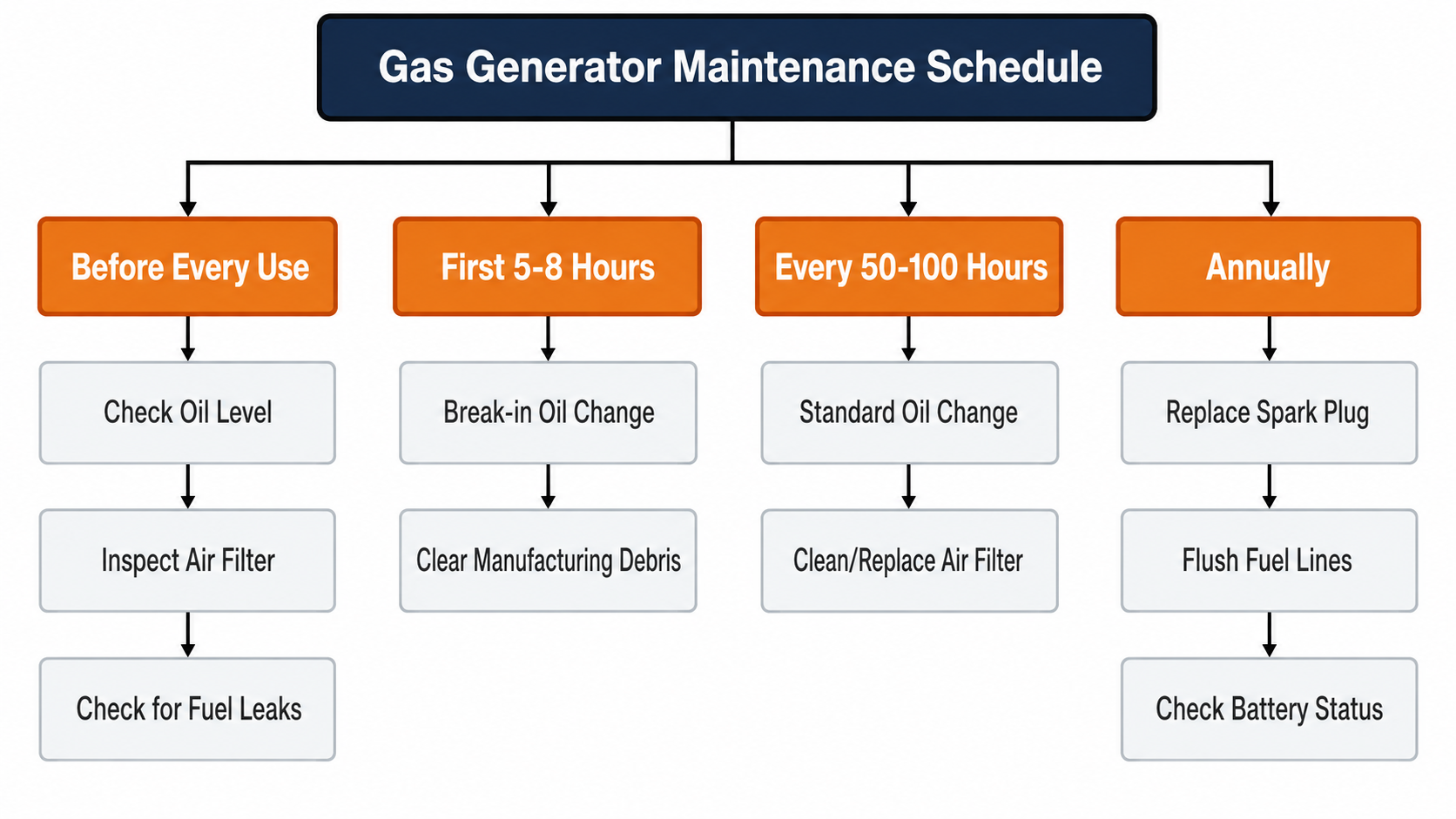
- Always check the oil level before use.
- Change the oil after the first few hours of operation (typically 5 to 8 hours) for new generators to remove manufacturing debris.
- Replace oil as per the manual (typically 50-100 hours).
- Look for the oil grade (e.g., 10W-30) for the climate and engine type.
- Don’t run the generator on low or dirty oil.
Operating a generator with poor or low oil is a sure way to destroy the engine. Poor oil maintenance can rapidly lead to excessive engine wear, severe overheating, and permanent, catastrophic damage, forcing you to replace the entire unit prematurely.
3. Keep the Air Filter Clean
A gas generator should breathe freely to function properly. The air filter is the first line of defense and keeps out harmful dust, dirt, and tiny debris from entering the sensitive engine combustion chamber. To achieve optimum air flow:
- Check the air filter often, preferably before each extended use.
- Clean the reusable foam filter in warm, soapy water, dry it, and apply a thin layer of oil.
- Replace paper filters if they are damaged or become very dirty.
- Check the filter more frequently in highly dusty environments, such as construction sites.
4. Inspect and Replace Spark Plugs
Spark plugs play an essential role in your generator’s operation by providing the vital electric spark needed to ignite the fuel-air mixture inside the engine cylinders. These plugs can become clogged with carbon or simply wear out over time, seriously impacting performance. Watch out for these common indications of worn spark plugs:
- Trouble starting or on multiple pulls
- Running or engine sputtering that is rough and uneven
- Much less than optimal fuel economy
- Misfiring or stalling under heavy load.
- Low and unreliable power generation
When the spark plug fails, the engine will not function smoothly. Fortunately, spark plug inspection and replacement are very inexpensive and easy, but critical for gas generator maintenance. The plug should be replaced annually or as necessary due to damaged ceramic.
5. Use Fresh, Clean Fuel
Your generator’s power output depends directly on the fuel you put into it. The use of poor-quality, contaminated, or stale fuel is one of the primary reasons gas generators fail to start and can also lead to damage to the generator over time. To keep the fuel system in a perfect condition:
- Use only fresh, clean gasoline or the recommended fuel type for your unit.
- Never use old, degraded, or water-contaminated fuel.
- Keep all backup fuel in approved safety containers.
- Store fuel containers securely so that atmospheric moisture does not enter them and cause fuel deterioration.
- If you intend to store gasoline in the generator or in cans for more than a month, use a good fuel stabilizer.
6. Run the Generator Periodically
Gas generators are mechanical devices designed for use; they should not sit idle and unused for months on end. Even if there are no power outages, it is highly recommended that you start and run the generator under a small load for about 15 to 20 minutes every few weeks. This is a normal procedure that has some essential advantages:
- Provides a good supply of oil to keep internal engine parts working.
- Helps you detect and resolve mechanical issues early.
- Charges the electric starter battery (for certain models).
- Helps prevent fuel system problems by keeping fresh gas flowing through the carburetor.
- Make sure that the generator is in good working order and ready to perform in an emergency.
7. Keep the Generator Clean and Dry
Environmental factors such as dirt, heavy dust, moisture, and flying debris can severely damage sensitive exterior and interior generator components. Along with internal fluid checks, it is equally important to keep the machine clean. To protect the exterior:
- Clean outside with a moist cloth after every use.
- Clean all air intake vents thoroughly of dust and dirt.
- Do not block the engine’s cooling areas.
- Keep the unit inside in a safe, well-ventilated, and absolutely dry place.
- Do not let rain or moisture directly hit the generator while it is in operation.
- Do not use high-pressure water or hoses to clean; this will push water into electrical panels.
8. Check Fuel Lines and Connections
Safety is of the utmost importance, and the integrity of the fuel delivery system must be maintained. Fuel leaks pose a significant fire risk and can severely affect engine performance. The whole fuel pathway should be inspected periodically. Take special note of these important inspection points:
- Rubber fuel lines that are cracked, brittle, or hardening.
- Loose clamps or hose connections that have failed
- Fuel that is pooled around the base and is leaking or running
- Damaged or stiff fuel shut-off valves.
- Rubber seals and mounting gaskets are worn and degraded.
Do not ignore any signs of a hacked system. If you see or smell strong fuel residue or the fuel is leaking, it must be fixed and cleaned up properly before you even think about using the generator. Fuel system weaknesses are an invitation to disaster if ignored.
Safety Tips for Gas Generator Maintenance
Any mechanical power equipment carries risks, and safety is always the priority. During maintenance work, please always observe the following basic safety measures:
- Before any maintenance, shut off the generator and disconnect the spark plug boot.
- Wait until the engine and muffler are cool before touching any hot engine parts.
- Do not use or test the generator in enclosed sheds, basements, or garages.
- Make sure the running unit is kept safe from all open home windows, vents, and exterior doors.
- Never smoke or use an open flame near the fuel tank or carburetor.
- When handling oils and fluids, always wear heavy-duty protective gloves and safety eyewear.
- Install battery-operated CO detectors in your home and check them regularly for deadly CO hazards.
Conclusion
In conclusion, proactive generator maintenance is the most effective way of protecting your investment. The main message is obvious: maintenance is the best way to prevent unexpected failures. Whether you’re running your generator at a hectic commercial construction site or simply powering your home during a major winter storm, it’s essential to take time to perform basic mechanical maintenance.
Regular and consistent gas generator maintenance plays a major role in prolonging the generator’s life, maximizing fuel efficiency, greatly reducing the risk of an expensive emergency repair, and ensuring reliable power during a power outage. Checking oil, using fresh fuel, cleaning air filters, and storing the machine safely are all part of the way you ensure your peace of mind. Maintaining your gas generator properly can help ensure it lasts longer and provides a dependable source of power during emergencies. Contact us today.
⚡ Explore Related Solutions
- 🏭 500kW Diesel Generator
- 🏭 1000kW Diesel Generator
- 🏭 500kW YC Diesel Generator
- 🔧 KMS (Cummins/Doosan) Series
- 🔧 Gas Generator Sets
- 🏥 Hospital Generator Solutions
- 🏥 Portable Generator
- 🏥 Lighting Towers
💡 Need a customized solution? Contact our engineering team for project-specific recommendations.