The charging system output voltage for Generador diésel starting batteries determines how effectively and safely the batería receives charge during generator operation. Huaquan Power ha compilado esta guía que cubre las especificaciones de voltaje de carga., componentes del sistema, y prácticas de mantenimiento para un rendimiento confiable del arranque del generador.
What Is the Standard Charging Voltage for Baterías para generadores diésel?
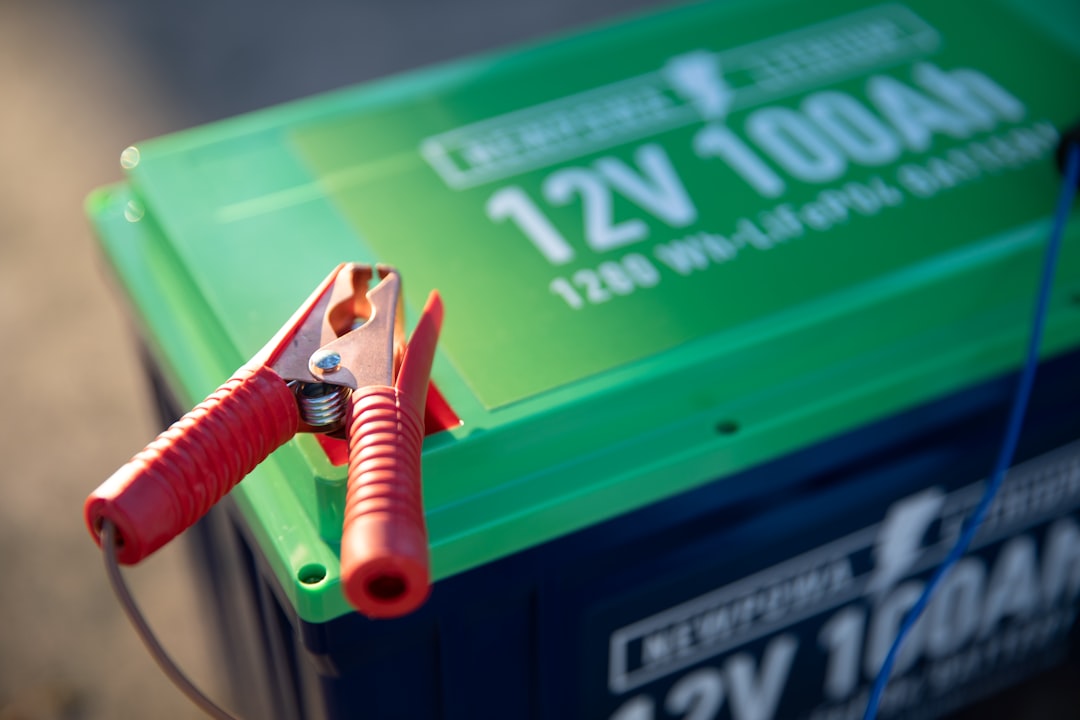
Standard charging voltage for diesel generator starting batteries ranges from 27.5V to 28.8V for 24V systems and 13.6V to 14.4V for 12V systems during normal operation. Además, these voltage levels ensure complete Batería charging without causing electrolyte boiling or plate damage. Específicamente, Huaquan Power calibrates every generator’s charging system to maintain optimal battery health across varying temperatura ambientes and operating conditions.
Voltage Ranges by Battery Type and System
Different battery chemistries require different charging voltages for optimal performance and longevity. Además, applying incorrect charging voltage dramatically shortens battery life and reduces cranking capacity. Por lo tanto, Huaquan Power matches charging system output to the specific battery type installed in each generator. Además, the charging voltage must compensate for temperature variations to prevent overcharging in hot conditions or undercharging in cold environments.
| Tipo de batería | 12V System Float | 24V System Float | Equalize Voltage (24V) |
|---|---|---|---|
| Plomo-ácido inundado | 13.5-13.8V | 27.0-27.6V | 28.8-29.4V |
| AGM lead-acid | 13.3-13.5V | 26.6-27.0V | 28.2-28.8V |
| Gel lead-acid | 13.2-13.4V | 26.4-26.8V | 27.6-28.2V |
| Iones de litio | 13.5-13.8V | 27.0-27.6V | N / A |
How Does the Generator Charging System Work?
The charging system converts mechanical energy from the engine into electrical energy to maintain battery charge during operation. Además, this system must supply sufficient current to recharge the battery after starting while also powering the control panel electronics. Por lo tanto, Huaquan Power designs charging systems with adequate capacity to fully recharge the starting battery within 2-4 hours of running time after a starting event.
Charging System Components
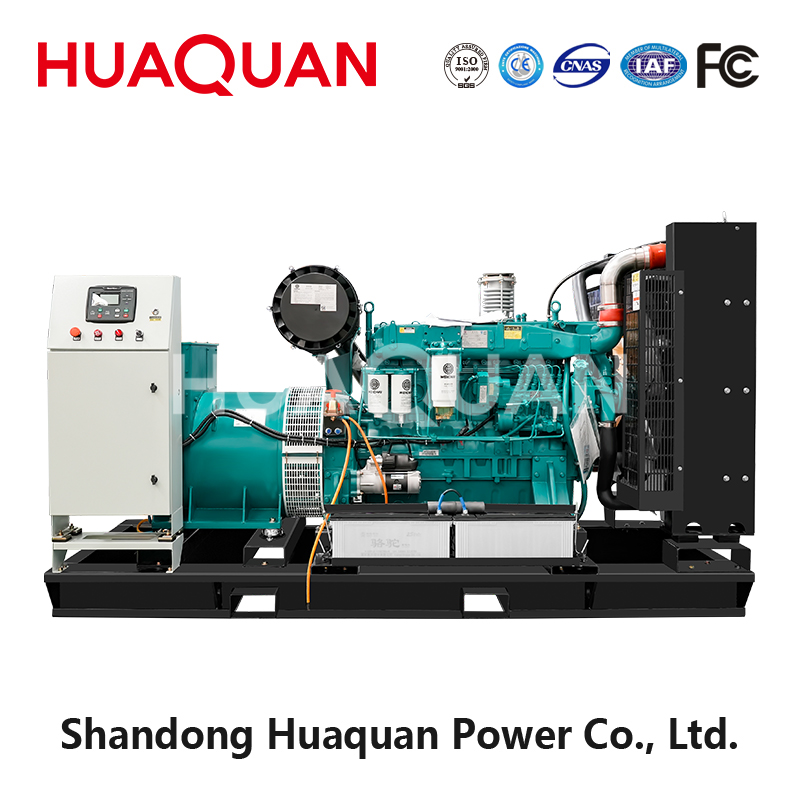
The primary charging components include the engine-mounted alternador, regulador de voltaje, battery cables, and the battery itself. Además, many Huaquan Power Generadores include a separate float charger that maintains battery charge during standby periods when the engine is not running. Como consecuencia, this dual-charging approach ensures the battery remains at full charge regardless of generator operating status. Además, the voltage regulator continuously monitors battery voltage and adjusts Alternador output accordingly.
| Componente | Función | Especificación |
|---|---|---|
| Engine alternator | Generate charging current | 35-95A output |
| Regulador de voltaje | Control charging voltage | Within ±0.3V of setpoint |
| Battery cables | Carry current with minimal loss | Voltage drop <0.5V |
| Float charger | Maintain charge at standby | 5-15A output |
| Battery isolator | Prevent discharge paths | Reverse current <1mA |
What Is Temperature Compensation in Battery Charging?
Battery charging voltage must decrease as temperature rises and increase as temperature falls to maintain optimal charging characteristics. Además, without temperature compensation, batteries in hot climates overcharge and lose electrolyte rapidly, while batteries in cold climates undercharge and lose cranking capacity. Por lo tanto, Huaquan Power charging systems include automatic temperature compensation that adjusts voltage by approximately -18mV/°C for 12V systems or -36mV/°C for 24V systems above 25°C reference.
| Temperatura | 12V Charge Voltage | 24V Charge Voltage | Effect Without Compensation |
|---|---|---|---|
| -10°C | 14.7-15.0V | 29.4-30.0V | Undercharged, sulfation risk |
| 0°C | 14.4-14.7V | 28.8-29.4V | Capacidad reducida |
| 25°C (Reference) | 13.5-13.8V | 27.0-27.6V | funcionamiento normal |
| 40°C | 13.2-13.5V | 26.4-27.0V | Overcharged, water loss |
| 50°C | 12.9-13.2V | 25.8-26.4V | Severe overcharge, fuga térmica |
How Do You Troubleshoot Charging System Problems?
Charging system failures rank among the most common causes of generator no-start conditions. Además, systematic troubleshooting quickly identifies whether the problem lies in the alternator, regulator, alambrado, or battery. Por lo tanto, Huaquan Power provides a structured diagnostic approach that field technicians can follow efficiently. Además, regular charging system testing during scheduled maintenance prevents most unexpected failures.
Step-by-Step Charging System Diagnosis
Primero, measure battery voltage with the engine stopped to establish a baseline. Además, a fully charged 12V battery reads 12.6V or above, while a 24V battery reads 25.2V or above. Como consecuencia, if the resting voltage is below these thresholds, charge the battery externally before testing the charging system. Específicamente, Huaquan Power recommends testing charging voltage at the battery terminals with the engine running at rated speed.
| Síntoma | Causa probable | Prueba de Diagnóstico | Resolution |
|---|---|---|---|
| Low charging voltage | Regulator failure | Measure alternator output directly | Replace regulator |
| No charging voltage | Alternator belt slip or failure | Check belt tension and alternator output | Tighten belt or replace alternator |
| Overcharging | Regulator stuck high | Measure voltage above 29V (24sistema V) | Replace regulator immediately |
| Battery won’t hold charge | Fallo de la batería | Batería de prueba de carga | Replace battery |
| Intermittent charging | Conexión floja | Wiggle test on cables | Clean and tighten connections |
What Maintenance Does the Charging System Require?
Proactive charging system maintenance prevents starting failures and extends battery service life significantly. Además, most charging system problems develop gradually and reveal themselves through subtle voltage trends before complete failure. Por lo tanto, Huaquan Power recommends monthly voltage checks and comprehensive charging system inspection during every scheduled service. Además, maintaining clean, tight electrical connections eliminates the most common source of charging problems.
| Tarea de mantenimiento | Intervalo | Criterios de aceptación |
|---|---|---|
| Measure charging voltage | Mensual | Within spec for battery type |
| Clean battery terminals | Cada 3 meses | No corrosion, tight connections |
| Check alternator belt tension | Cada 500 horas | Per manufacturer specification |
| Test battery specific gravity | Cada 6 meses | 1.250-1.280 (inundado) |
| Verify float charger operation | Mensual | Correct voltage output |
Preguntas frecuentes
Q1: What voltage should my 24V generator battery read while running?
A1: A 24V generator battery should read between 27.0V and 28.0V while the engine runs at rated speed. Además, voltages below 26V indicate a charging problem, while voltages above 29V suggest regulator failure. Por lo tanto, Huaquan Power recommends checking charging voltage monthly and recording the readings for trend analysis.
Q2: Can I use a standard automotive battery charger on my generator battery?
A2: While automotive chargers work for emergency charging, they lack the temperature compensation and float mode features that dedicated generator chargers provide. Además, prolonged use of automotive chargers can overcharge generator batteries during extended standby periods. Por lo tanto, Huaquan Power recommends using the built-in float charger or a generator-specific smart charger.
Q3: Why does my generator battery keep losing charge during standby?
A3: Common causes include a failed float charger, parasitic current draw from control panel electronics, or a battery with internal leakage. Además, corroded terminals create high-resistance paths that prevent proper charging. Como consecuencia, Huaquan Power recommends checking float charger output and parasitic draw during routine standby maintenance.
Q4: How long should a generator battery last with proper charging?
A4: With proper charging system maintenance, a quality diesel generator starting battery typically lasts 3-5 años. Además, batteries in temperature-controlled environments often achieve the upper end of this range. Por lo tanto, Huaquan Power recommends replacing starting batteries proactively at the 4-year mark to prevent unexpected no-start failures.
Q5: What happens if the charging voltage is too high?
A5: Excessive charging voltage causes electrolyte boiling, plate warping, and accelerated positive grid corrosion in lead-acid batteries. Además, overcharging produces hydrogen gas, creating an explosion hazard in enclosed battery compartments. Como consecuencia, Huaquan Power emphasizes immediate regulator replacement when charging voltage exceeds the specified range.
Huaquan Power Recommendations: Monitor charging voltage monthly and investigate any readings outside the specified range immediately. Además, ensure the float charger operates correctly during standby periods to maintain full battery charge. Además, replace batteries proactively at recommended intervals and always use temperature-compensated charging systems. Contact Huaquan Power at +86-159-0536-0210 or visit huaquanpower.net for charging system maintenance and battery replacement services.