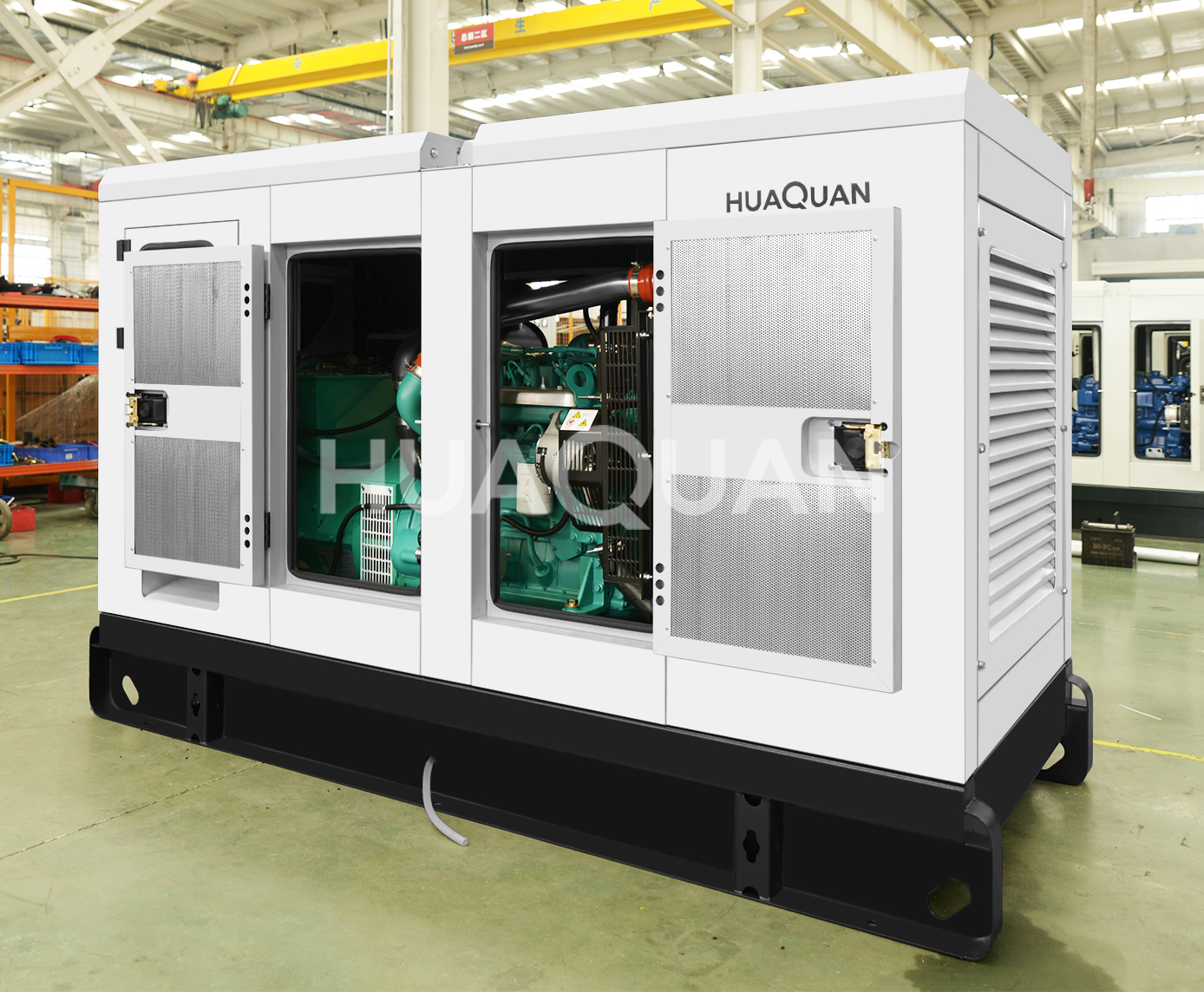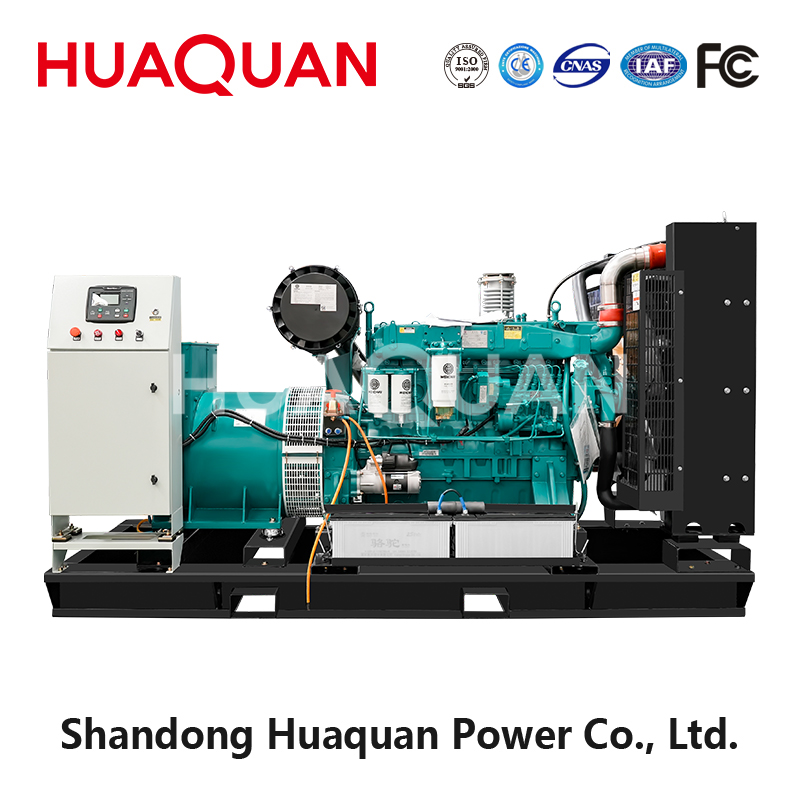
The alternator winding temperature rise limit defines the maximum temperature increase that generator windings can safely endure during continuous operation. Huaquan Power emphasizes that exceeding this limit causes irreversible insulation degradation and premature generator failure. Huaquan Power has compiled the following detailed guide on alternator winding temperature rise limits for diesel Generadores.
What Is the Alternator Winding Temperature Rise Limit?
The alternator winding temperature rise limit represents the maximum allowable temperature increase above the ambient cooling medium temperature during rated operation. Específicamente, this limit ensures that winding insulation remains within its thermal class boundary. Además, Huaquan Power designs all generator windings with a built-in thermal margin to guarantee long-term reliability under varying load conditions.
How Is Temperature Rise Defined and Measured?
Temperature rise is calculated as the difference between the winding hot-spot temperature and the ambient air or coolant temperature. Además, the International Electrotechnical Commission (CEI) standard IEC 60034-1 defines precise measurement methods using embedded detectors or resistance methods. Como consecuencia, Huaquan Power generators incorporate both resistance-based and embedded thermocouple monitoring to deliver accurate real-time data. Además, the resistance method relies on measuring the change in copper winding resistance from cold to hot state, providing an average winding temperature rise value.
What Are the Standard Temperature Rise Limits by Insulation Class?
| Clase de aislamiento | Max Hot-Spot Temperature (°C) | Ambient Reference (°C) | Permissible Rise (°C) | Huaquan Typical Design Rise (°C) |
|---|---|---|---|---|
| Clase B (130) | 130 | 40 | 80 | 70-75 |
| Clase F (155) | 155 | 40 | 105 | 85-95 |
| Clase H (180) | 180 | 40 | 125 | 100-115 |
| Class C (>220) | 220 | 40 | 160 | 130-145 |
En tono rimbombante, Huaquan Power selects Class H insulation as the standard for its alternator windings, ensuring a 20-25°C safety margin below the maximum permissible rise. Por lo tanto, operators gain extended service life and improved overload capability.
How Does Winding Temperature Rise Occur During Generator Operation?
Winding temperature rise results from multiple heat sources within the alternator during electrical energy conversion. Además, understanding these thermal mechanisms helps operators maintain safe operating conditions and prevent insulation breakdown.
What Are the Primary Heat Generation Mechanisms?
| Heat Source | Contribution (%) | Mecanismo | Key Influencing Factors |
|---|---|---|---|
| Pérdidas de cobre (I²R) | 50-65 | Resistive heating in stator and rotor windings | Load current, winding resistance, conductor cross-section |
| Core losses (hierro) | 15-25 | Hysteresis and eddy current losses in laminations | Flux density, lamination thickness, frecuencia |
| Pérdidas de carga perdida | 5-10 | Leakage flux and harmonic currents | Winding arrangement, slot design, load power factor |
| Friction and windage | 3-8 | Bearing friction and cooling fan air resistance | Rotor speed, bearing condition, fan design |
Además, Huaquan Power optimizes conductor sizing and lamination quality to minimize copper and core losses respectively. Como consecuencia, the resulting temperature rise stays well within design envelopes even at full rated load.
What Factors Affect the Winding Temperature Rise Limit?
Multiple operational and environmental factors influence how quickly winding temperatures approach their rise limits. Además, operators must account for these variables when planning generator installations and load profiles. Por lo tanto, Huaquan Power provides comprehensive derating guidelines for each factor.
How Does Ambient Temperature Impact the Rise Limit?
| Temperatura ambiente (°C) | Effective Rise Allowance (Clase H) | Required Derating (%) | Recomendación de Huaquan |
|---|---|---|---|
| 25 | 155°C rise available | 0% | Full rated output |
| 40 | 140°C rise available | 0% | Standard rated output |
| 45 | 135°C rise available | 5-8% | Reduce load or improve ventilation |
| 50 | 130°C rise available | 10-15% | Install auxiliary cooling |
| 55 | 125°C rise available | 15-22% | Redesign cooling system |
Específicamente, each degree above the 40°C reference reduces the available temperature rise margin by the same amount. Además, Huaquan Power provides detailed derating curves in every generator technical manual to help operators adjust loads accurately.
How Do Altitude and Cooling Method Influence Rise?
Air density decreases with altitude, reducing the cooling effectiveness of fan-driven airflow. Además, generators above 1000m elevation experience approximately 3-5% derating per 500m increase. Por ejemplo, a Huaquan generator at 2000m altitude requires roughly 10% load reduction. En tono rimbombante, water-cooled alternators maintain better thermal performance at altitude because the coolant carries heat independently of air density. Por lo tanto, Huaquan Power recommends water-cooled alternatives for high-altitude installations above 1500m.
What Happens When Winding Temperature Exceeds the Rise Limit?
Exceeding the winding temperature rise limit triggers a cascade of insulation degradation mechanisms. Además, even brief over-temperature events can permanently reduce insulation life. Como consecuencia, understanding these failure consequences motivates proper thermal management practices.
What Are the Consequences of Over-Temperature Operation?
| Over-Temperature Level | Duración | Consecuencia | Insulation Life Impact |
|---|---|---|---|
| 5-10°C above limit | Continuo | Accelerated thermal aging | Life reduced by 50% |
| 10-20°C above limit | Horas | Insulation cracking and delamination | Life reduced by 75% |
| 20-30°C above limit | Minutos | Potential turn-to-turn short circuit | Catastrophic failure risk |
| >30°C above limit | Minutos | Insulation carbonization, ground fault | Immediate winding failure |
How to Monitor and Control Winding Temperature Rise?
Effective temperature monitoring and control systems prevent dangerous temperature excursions. Además, Huaquan Power integrates multiple protection layers into every Sistema de control del generador. Por lo tanto, operators receive early warnings before temperatures reach critical thresholds.
What Monitoring Methods Does Huaquan Power Recommend?
| Monitoring Method | Exactitud (°C) | Tiempo de respuesta | Installation Location |
|---|---|---|---|
| Embedded RTD (Pt100) | ±1.0 | <2 seconds | Stator slot windings |
| Embedded thermocouple (K-type) | ±1.5 | <1 second | Hot-spot locations |
| Resistance method (calculado) | ±2.0 | Post-shutdown only | Whole winding average |
| IR thermal imaging | ±2.0 | Real-time visual | External surface only |
Además, Huaquan Power controllers feature configurable alarm and trip setpoints. Específicamente, the alarm activates at 90% of the rise limit, and the trip initiates at 100% of the rise limit. Además, these thresholds align with IEC 60034-1 requirements for rotating electrical machines.
What Preventive Measures Keep Winding Temperature Within Limits?
| Medida | Implementación | Temperature Reduction Effect |
|---|---|---|
| Ensure adequate ventilation | Maintain minimum 1m clearance around generator; clean air filters monthly | 5-10°C reduction |
| Verify coolant flow rate | Check coolant pump output matches specification; inspect for blockages | 3-8°C reduction |
| Monitor load balance | Keep phase current imbalance below 5% per phase | 2-5°C reduction |
| Schedule winding cleaning | Remove dust and oil deposits annually using non-conductive solvents | 3-7°C reduction |
| Comprobar el apriete de la conexión | Inspect and torque all bus bar connections every 2000 horas de funcionamiento | 2-4°C reduction |
Preguntas frecuentes
Q1: What is the difference between temperature rise and hot-spot temperature?
Temperature rise measures the increase above ambient temperature, while hot-spot temperature represents the absolute highest temperature at any point in the winding. Además, hot-spot temperature equals ambient temperature plus temperature rise plus a hot-spot margin (typically 5-15°C). Por lo tanto, Huaquan Power designs generators to keep both values within safe insulation class boundaries.
Q2: How often should winding temperature be checked?
Huaquan Power recommends checking winding temperatures continuously via the integrated control panel during operation. Además, operators should perform manual resistance-based temperature measurements during every major service interval (normalmente cada 2000 horas de funcionamiento). En tono rimbombante, continuous monitoring catches abnormal trends before they become critical failures.
Q3: Can a generator operate at the maximum temperature rise limit continuously?
Technically yes, but Huaquan Power advises against continuous operation at the maximum limit. Específicamente, operating at the design limit leaves zero safety margin for transient load increases or degraded cooling. Como consecuencia, Huaquan designs generators to operate 15-25°C below the maximum rise limit at rated load, ensuring reliability and longevity.
Q4: What insulation class does Huaquan Power use for its generator alternators?
Huaquan Power uses Class H (180°C) insulation as standard across its Generador diésel range. Además, this provides a significant safety margin over Class F (155°C) used by many competitors. Por lo tanto, Huaquan generators deliver superior thermal endurance and longer insulation life under demanding operating conditions.
Q5: How does overload affect winding temperature rise?
Overload increases load current beyond the rated value, causing copper losses to rise proportionally to the square of the current. Por ejemplo, a 10% overload produces approximately 21% more copper loss heat. Además, Huaquan Power generators permit short-term overload (10% para 1 hour per ISO 8528), but operators must monitor winding temperatures closely during such events.
En resumen, understanding and respecting the alternator winding temperature rise limit is essential for diesel generator longevity. Huaquan Power recomienda tres prácticas clave: (1) Select generators with Class H insulation and adequate thermal margin, (2) Install and maintain proper temperature monitoring systems, y (3) Never operate continuously at the maximum rise limit. For expert guidance on generator thermal management, póngase en contacto con Huaquan Power en +86-159-0536-0210 o visita huaquanpower.net.