Introducción
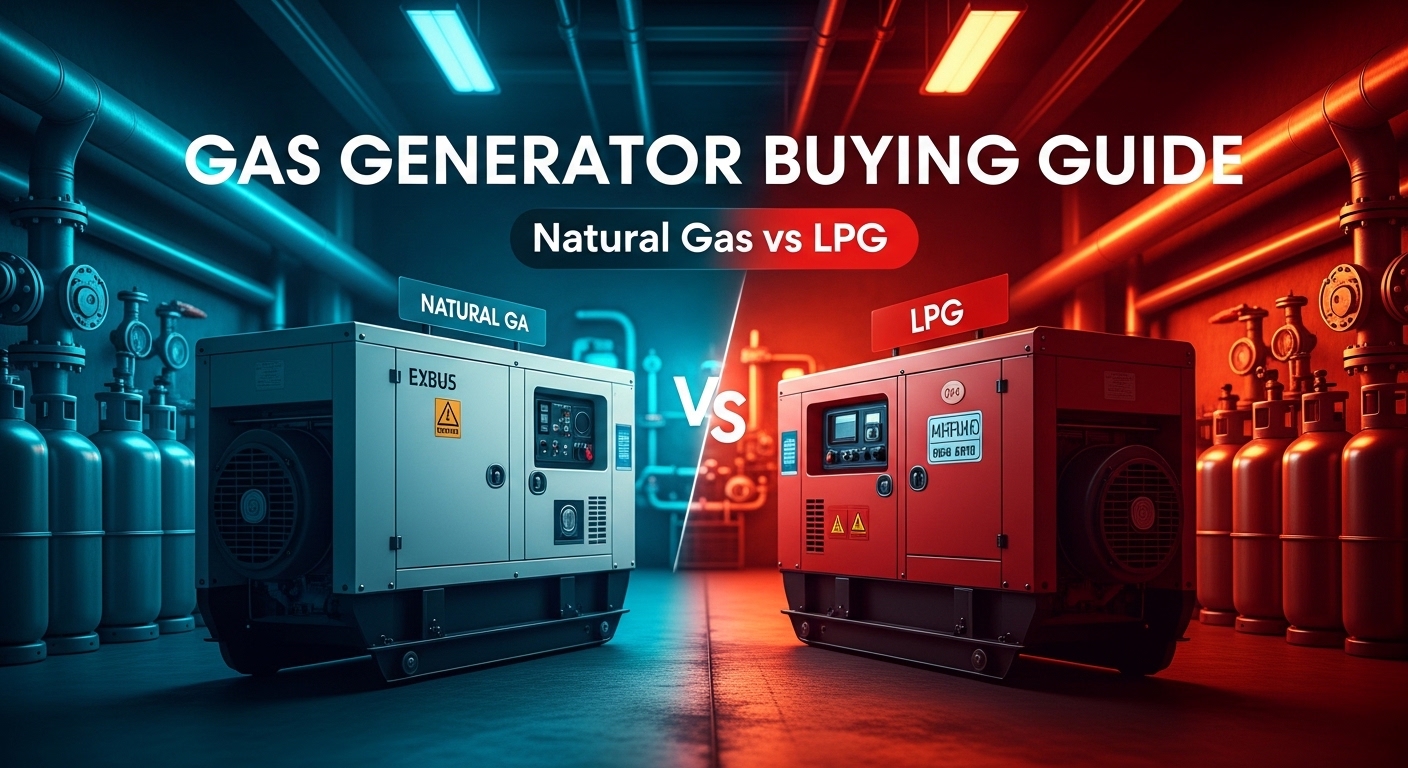
Deberías elegir un generador de gas cuidadosamente para garantizar un suministro de energía estable y eficiente. La decisión de utilizar gas natural o gas licuado de petróleo afecta directamente el costo de operación, disponibilidad de combustible, y rendimiento del sistema. Por lo tanto, Esta guía explica los criterios de selección clave y destaca las diferencias entre los dos tipos de combustible..
Conozca el significado de Generador de gas selección
Debes entender por qué es adecuado. selección de generador es importante. Una mala elección del tipo de combustible o de las especificaciones del generador puede reducir la eficiencia y aumentar los costos.. Además, las aplicaciones críticas requieren alta confiabilidad. La selección adecuada garantiza un funcionamiento estable, menor mantenimiento, y mejor rendimiento a largo plazo.
Estar familiarizado con los gases Generadores
Generadores de gas utilizar combustibles de gas en lugar de diesel. Estos combustibles incluyen el gas natural y el gas licuado de petróleo.. Ofrecen combustión más limpia, menores emisiones, y niveles de ruido reducidos. Además, Los generadores de gas admiten aplicaciones de energía continua y de respaldo..
Conozca más sobre el gas natural como combustible
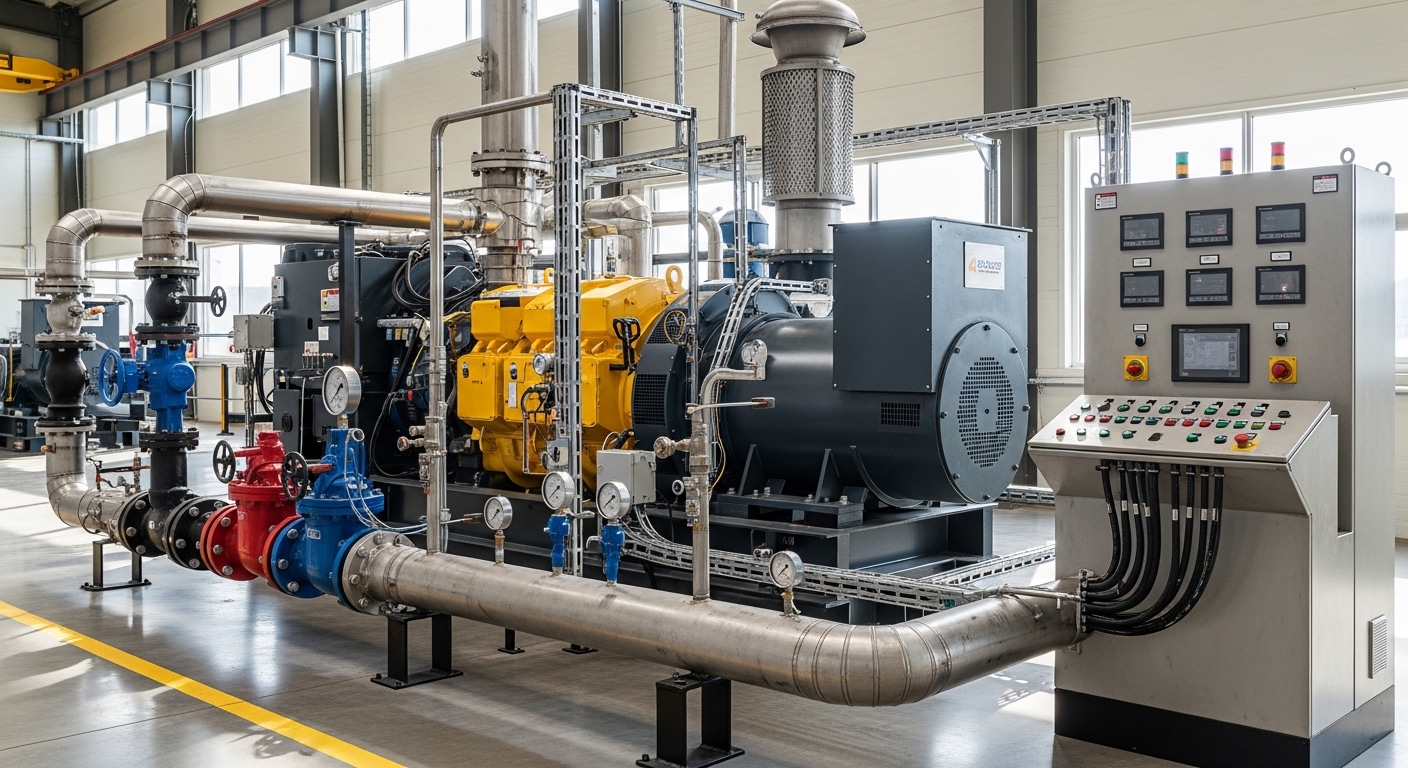
El gas natural normalmente se distribuye a través de gasoductos.. Es muy utilizado en entornos industriales y urbanos.. Se compone principalmente de metano y se quema de forma limpia con menos emisiones.. Como resultado, El suministro continuo de combustible favorece el funcionamiento a largo plazo sin necesidad de repostar..
Entender el gas licuado de petróleo
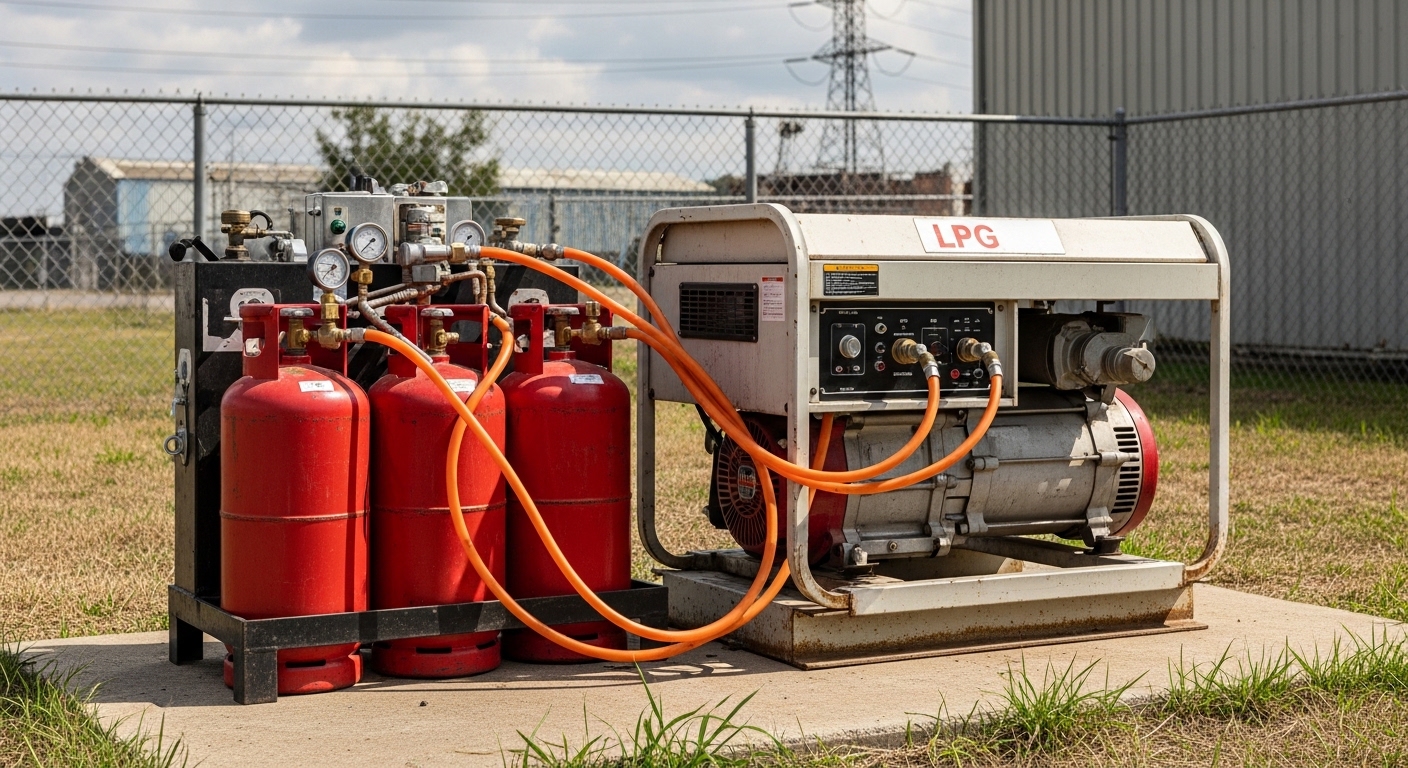
Gas licuado de petróleo consiste en propano y butano. Se almacena en tanques o cilindros presurizados.. El GLP es portátil y puede transportarse a zonas remotas sin acceso a tuberías..
Por lo tanto, Proporciona flexibilidad en almacenamiento y transporte..
Comparar la disponibilidad de combustible
La disponibilidad de combustible juega un papel clave en la selección del generador. En áreas con infraestructura de oleoductos., gas natural es la mejor opción porque proporciona un suministro continuo. Sin embargo, El GLP funciona bien en lugares remotos donde no hay tuberías disponibles. Requiere almacenamiento y recarga regulares..
Evaluar el costo del combustible
El costo del combustible afecta directamente los gastos operativos. El gas natural es generalmente más barato porque tiene un suministro estable y un precio constante.. Por otro lado, El GLP puede costar más debido al transporte y almacenamiento. Sin embargo, sigue siendo adecuado para aplicaciones pequeñas o temporales.
Comparar la eficiencia energética
La eficiencia es un factor de rendimiento importante. Los generadores de gas natural funcionan eficientemente bajo cargas continuas. Los generadores de GLP también funcionan bien, pero la eficiencia puede variar según la calidad del combustible y las condiciones de almacenamiento..
Evaluar el impacto ambiental
Las preocupaciones medioambientales son cada vez más importantes. El gas natural produce menos emisiones en comparación con otros combustibles fósiles. Similarmente, El GLP se quema de forma limpia pero puede producir emisiones ligeramente mayores que el gas natural.. Ambas opciones son más limpias que los generadores diésel..
Evaluar los requisitos de instalación.
La complejidad de la instalación varía según el tipo de combustible.. Generadores de gas natural Es necesario conectarlo a una tubería y a un sistema de regulación de presión.. La instalación estará sujeta a la disponibilidad de infraestructura.. Los generadores de GLP requieren tanques de almacenamiento de combustible presurizados y sistemas de seguridad de combustible presurizados.. La instalación no es rígida y debe planificarse cuidadosamente.
Requisitos de almacenamiento de combustibles de control congelados.
Almacenamiento de combustible afecta la planificación operativa. El gas natural no requiere almacenamiento in situ porque proviene de ductos. Sin embargo, El GLP debe almacenarse en tanques o cilindros en condiciones seguras..
Comparar la confiabilidad operativa
La confiabilidad es crítica para el rendimiento del generador. El gas natural garantiza un funcionamiento continuo gracias a un suministro constante. En comparación, Los generadores de GLP dependen del combustible almacenado. Los niveles bajos de combustible pueden interrumpir el funcionamiento si no se gestionan adecuadamente.
Evaluar los requisitos de mantenimiento.
Los requisitos de mantenimiento difieren ligeramente entre los tipos de combustible.. Los generadores de gas natural suelen necesitar menos mantenimiento porque queman de forma más limpia.. Mientras tanto, Los generadores de GLP también requieren poco mantenimiento, pero los operadores deben inspeccionar los tanques de almacenamiento y las líneas de combustible con regularidad..
Comprobar el rendimiento del motor
El tipo de combustible afecta el rendimiento del motor.. Los motores de gas natural ofrecen un funcionamiento estable y suave. Los motores de GLP también funcionan bien, pero el rendimiento puede variar según la presión y la composición del combustible..
Evaluar el rendimiento inicial
Las aplicaciones de respaldo deben preocuparse por el rendimiento del inicio. Los generadores de gas natural se pueden poner en marcha dependiendo de la disponibilidad de presión de gas.. Los generadores de GLP tienden a arrancar rápidamente debido al combustible presurizado almacenado y, por lo tanto, son apropiados en caso de emergencia..
Comparar consideraciones de seguridad
Una de las consideraciones en la selección de un generador es la seguridad.. Es necesario contar con detección de fugas y ventilación adecuada de los sistemas de gas natural para evitar los peligros del gas natural.. Los sistemas de GLP son sensibles ya que hay almacenamiento presurizado y pueden ocurrir fugas.. El funcionamiento seguro está garantizado por las medidas de seguridad adecuadas.
Evaluar los niveles de ruido.
Los requisitos de instalación dependen del tipo de combustible.. Los generadores de gas natural requieren conexiones de tuberías y sistemas de regulación de presión.. En contraste, Los generadores de GLP necesitan tanques de almacenamiento presurizados y sistemas de seguridad.. Por lo tanto, La planificación de la instalación es esencial..
Determinar la capacidad de manejo de carga
Los generadores deben manejar cargas variables de manera efectiva. Los generadores de gas natural funcionan mejor para aplicaciones de carga base y continua.. Por otro lado, Los generadores de GLP son más adecuados para cargas intermitentes y variables..
Comparar portabilidad
La portabilidad depende del tipo de combustible.. Los generadores de gas natural no son portátiles porque requieren conexiones a tuberías. En contraste, generadores de GLP Son más móviles porque el combustible se puede almacenar en cilindros..
Determinar la idoneidad de la aplicación
Hay varios tipos de combustibles necesarios en diferentes aplicaciones..
Los generadores de gas natural se pueden utilizar en:
- Instalaciones industriales
- Centros de datos
- Fuente de alimentación continua
Los generadores de GLP se pueden utilizar en:
- Ubicaciones remotas
- Pequeñas empresas
- Necesidades temporales de energía
La elección del tipo de combustible adecuado garantiza el máximo rendimiento.
Evaluar la inversión inicial
Los niveles de ruido afectan los entornos de instalación.. Tanto los generadores de gas natural como los de GLP funcionan de forma más silenciosa que los generadores diésel.. Además, El diseño adecuado de la carcasa reduce aún más el ruido y mejora la comodidad del usuario..
Compare el costo operativo a largo plazo
La seguridad es fundamental a la hora de seleccionar un generador. Los sistemas de gas natural requieren detección de fugas y ventilación adecuada. Similarmente, Los sistemas de GLP necesitan un manejo cuidadoso debido al almacenamiento presurizado. Las medidas de seguridad adecuadas garantizan un funcionamiento seguro.
Evaluar las condiciones ambientales.
El rendimiento inicial es importante para los sistemas de respaldo. Los generadores de gas natural dependen de la disponibilidad de presión de gas. Sin embargo, Los generadores de GLP arrancan rápidamente debido al almacenamiento de combustible presurizado, haciéndolos adecuados para emergencias.
Evaluar la estabilidad del suministro de combustible.
La estabilidad del suministro de combustible es un factor importante en el rendimiento y la confiabilidad de los generadores.. Los sistemas de gas natural dependen de una infraestructura de gasoductos que tiende a ser estable.; sin embargo, puede verse afectado por mantenimiento o interrupción. Los sistemas de GLP ofrecen la no dependencia de los gasoductos, permitiendo el almacenamiento in situ y un mayor control de la disponibilidad de combustibles.
Tomar requisitos de expansión futura
La selección debe tener en cuenta los requisitos energéticos futuros.. En situaciones donde la capacidad del oleoducto tiene la capacidad de soportar una alta demanda., Los sistemas de gas natural se pueden ampliar fácilmente..
Los sistemas de GLP son flexibles en cuanto a expansión, ya que se pueden ampliar agregando más tanques de almacenamiento..
Evaluar el cumplimiento de la normativa de emisiones.
El cumplimiento de la normativa medioambiental es importante. Los generadores de gas natural tienden a cumplir con estrictos requisitos de emisiones ya que producen menos carbono.. Los generadores de GLP también cumplen muchos estándares, pero podrían necesitar más medidas de control de emisiones..
Importancia del mantenimiento periódico
Ambos tipos de generadores requieren mantenimiento regular. Inspecciones periódicas, limpieza, y el servicio son buenas garantías de fiabilidad. El mantenimiento minimiza las posibilidades de fallo y también prolonga la vida útil del equipo.. Con una planificación de mantenimiento adecuada, Hay una mayor eficiencia y rendimiento de los generadores..
Personal de mantenimiento del tren.
El funcionamiento adecuado de los generadores requiere la habilidad de los técnicos.. El personal debe conocer los sistemas de combustible., seguridad, y solución de problemas. La capacitación mejora la confiabilidad y reduce los riesgos operativos..
Mantener registros de desempeño
El seguimiento del rendimiento ayuda a una mejor gestión del sistema..
Los registros importantes incluyen:
- Horas de funcionamiento
- Consumo de combustible
- Actividades de mantenimiento
- Rendimiento del sistema
Los registros adecuados pueden facilitar una mayor planificación del mantenimiento y la toma de decisiones..
Siga los procedimientos de seguridad
Cuando se utilizan generadores, La seguridad debe garantizarse en todo momento.. Use equipo de seguridad y observe las precauciones de seguridad.. Las medidas de seguridad son adecuadas y ayudan a evitar accidentes y daños al equipo..
Conclusión
Es necesario comparar el gas licuado de petróleo y el gas natural para poder elegir el generador de gas que mejor se adapta a tus necesidades. El gas natural es un suministro continuo y reduce el costo de operación y es más apropiado para operaciones continuas y a gran escala..
El GLP es flexible y puede utilizarse donde exista un uso remoto o temporal.. La selección se basa en la disponibilidad de combustible., costo, y el tipo de aplicación y necesidades operativas. La elección adecuada, instalación, y mantenimiento garantizan un buen rendimiento, eficiencia mejorada, y resultados rentables.
Preguntas frecuentes
1. ¿Cuál es el mejor combustible para usar con generadores de gas??
El gas natural se puede utilizar de forma continua., Considerando que el GLP se puede utilizar en zonas portátiles y remotas.
2. Gas natural frente a. GLP: ¿Es el gas natural más barato??
El gas natural es generalmente más barato debido al suministro constante y al precio invariable..
3. Generadores de gas: Respetuoso con el medio ambiente?
Sí. Tanto los generadores de GLP como los de gas natural tienen menos emisiones que los generadores diésel..
4. ¿Qué generador es menos difícil de instalar??
Los generadores de GLP tienen la ventaja del almacenamiento flexible de combustible., siendo más fácil de instalar, Considerando que el gas natural debe estar conectado al gasoducto.
5. ¿Son generadores de gas de potencia continua??
Sí. Los generadores de gas natural demuestran ser particularmente aplicables en aplicaciones donde se necesita energía constante..
Acerca de Huaquan Power
The professional Generador diésel solution is being supplied to industrial and commercial users by Huaquan Power. Puede elegir entre grupos electrógenos confiables, sistemas de energía personalizados, y soporte técnico completo.
Visita: huaquanpower.net
Podrá conocer más sobre productos y opciones de servicios que están disponibles según las necesidades de su sistema de energía..