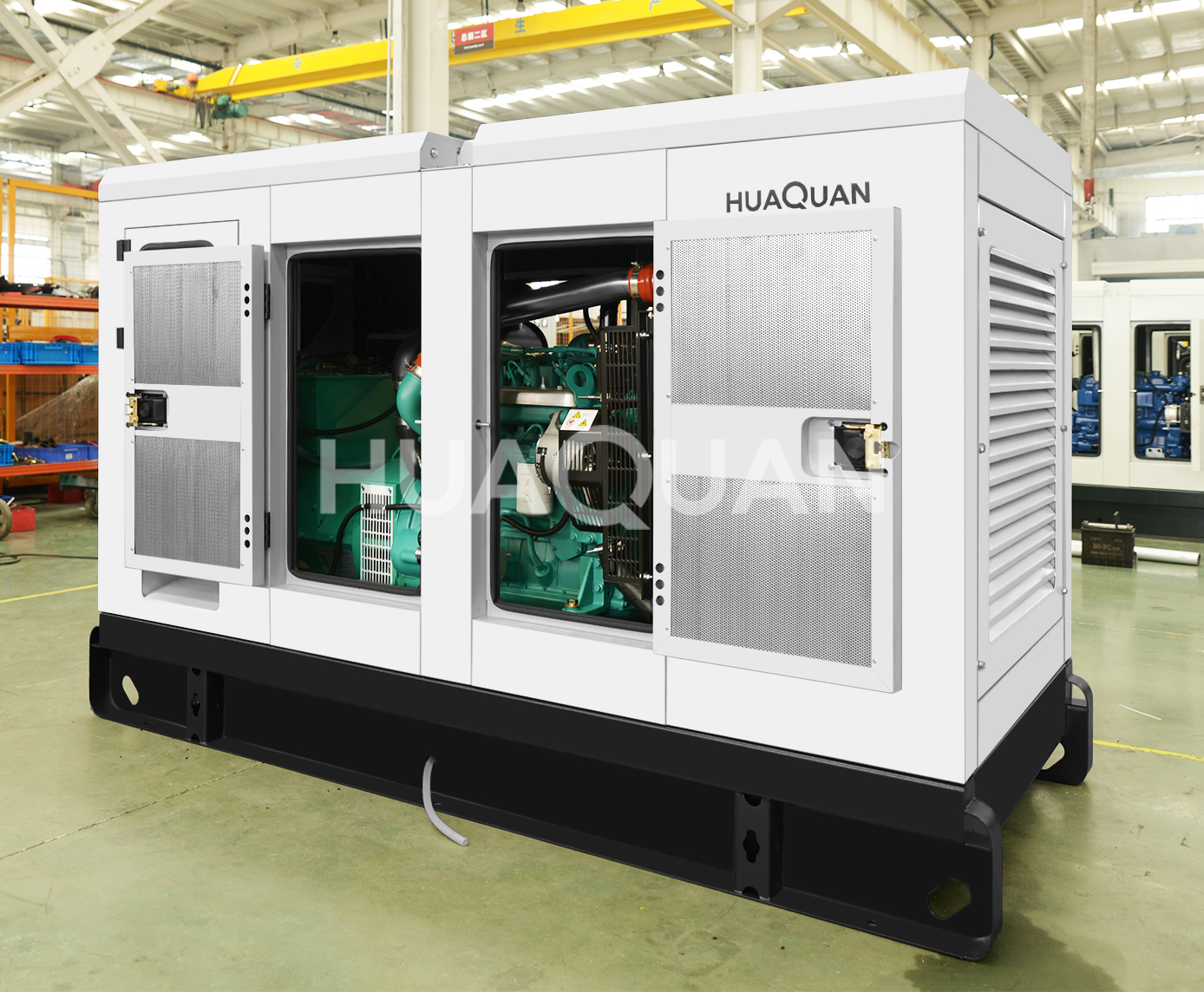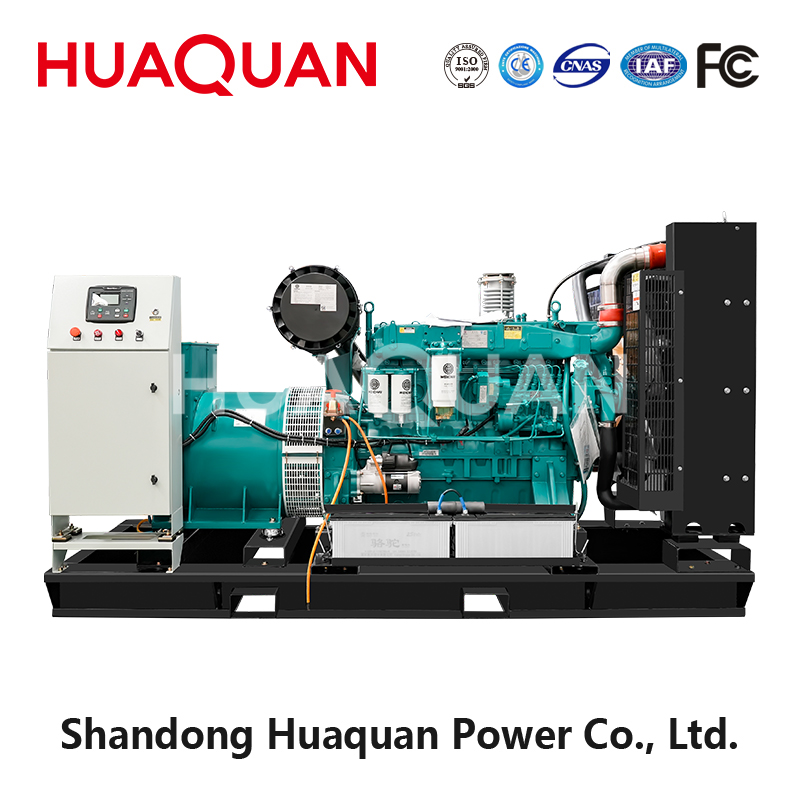
Diesel fuel can be stored on-site in a tank independent of any external infrastructure. Natural gas depends on a continuous supply from the utility pipeline — it stops flowing when the grid does. This single difference determines the reliability equation: diesel Generadores operate autonomously; natural gas generators depend on the integrity of the gas distribution network.
Infrastructure Dependency Comparison
| Reliability Factor | Diesel | Gas natural |
|---|---|---|
| Fuel source | On-site storage tank (500–10,000 gal typical) | Utility pipeline (must maintain pressure) |
| Autonomy duration | Days to weeks (tank capacity dependent) | Unlimited — as long as pipeline is pressurized |
| Grid dependency | None — generator runs independently | Gas compressor stations need electricity; electric-powered gas systems fail during blackouts |
| Severe weather risk | Low — tank is passive; no external hookup needed | High — flooded or damaged gas mains, frozen regulators, earthquake breaks |
| Fuel degradation | Limitado (12–24 months with biocide treatment) | Ninguno (piped directly, no storage) |
| Fuel theft risk | Moderado (diesel theft from on-site tanks) | Ninguno (metered utility) |
| Common failure modes | Contaminación del combustible (agua, algas), clogged filters, air in fuel lines | Lost pipeline pressure, frozen regulator, earthquake shutoff valve activation |
The Real-World Data: 2021 Texas Winter Storm
During the February 2021 winter storm Uri in Texas, natural gas infrastructure failed catastrophically. Gas wellheads froze, compressor stations lost power, and pipeline pressure dropped below usable levels. The result: natural gas generators — including those in hospitals, nursing homes, and homes — stopped running even though their own equipment was functional. Diesel generators with on-site fuel tanks continued running throughout the event.
Key statistics from the ERCOT report:
- ~2.5 million MW of natural gas-fired generation was forced offline due to fuel supply issues
- Utility gas supply to residential customers dropped as low as 25% of normal pressure in some areas
- Hospitals with natural gas generators had to transfer patients or rely on portable diesel generators brought in by emergency services
- The estimated cost of the blackout: $80–$130 billion
This event proved that natural gas generators, despite their convenience for daily operation, are not fully independent backup systems.
When Each Is the Better Choice
Choose diesel when:
- You operate in a hurricane, earthquake, or ice storm zone where natural gas infrastructure is vulnerable
- You need multi-day autonomy without relying on any external supply chain
- You run the generator more than 200 hours per year — diesel engines last 3–5× longer at 1,800 RPM
- You need high power density (20–2,000 kW) in a single unit
- Your facility requires life-safety backup (hospitales, centro de datoss, respuesta de emergencia)
Choose natural gas when:
- You want the lowest operating cost ($0.10–$0.25/kWh)
- You hate refueling and want automatic, silent operation
- You have a reliable natural gas utility with redundant feed lines
- Your generator runs only a few hours per year for testing
- You live in an area with stable gas infrastructure and mild climate
The Hybrid Approach: Dual-Fuel and Bi-Fuel
For mission-critical applications, a dual-fuel generator (runs on diesel or natural gas) or bi-fuel system (injects natural gas into the diesel intake, reducing diesel consumption by 50–70%) provides the best of both worlds. In normal operation, the generator runs on natural gas for economy and convenience. During a gas pipeline failure, it switches to 100% diesel from the on-site tank. This is a common configuration at hospitals and Centro de datoss.
Generadores diésel de energía Huaquan range from 20kW to 2,000kW with optional dual-fuel or bi-fuel conversion kits for maximum fuel flexibility and infrastructure independence.