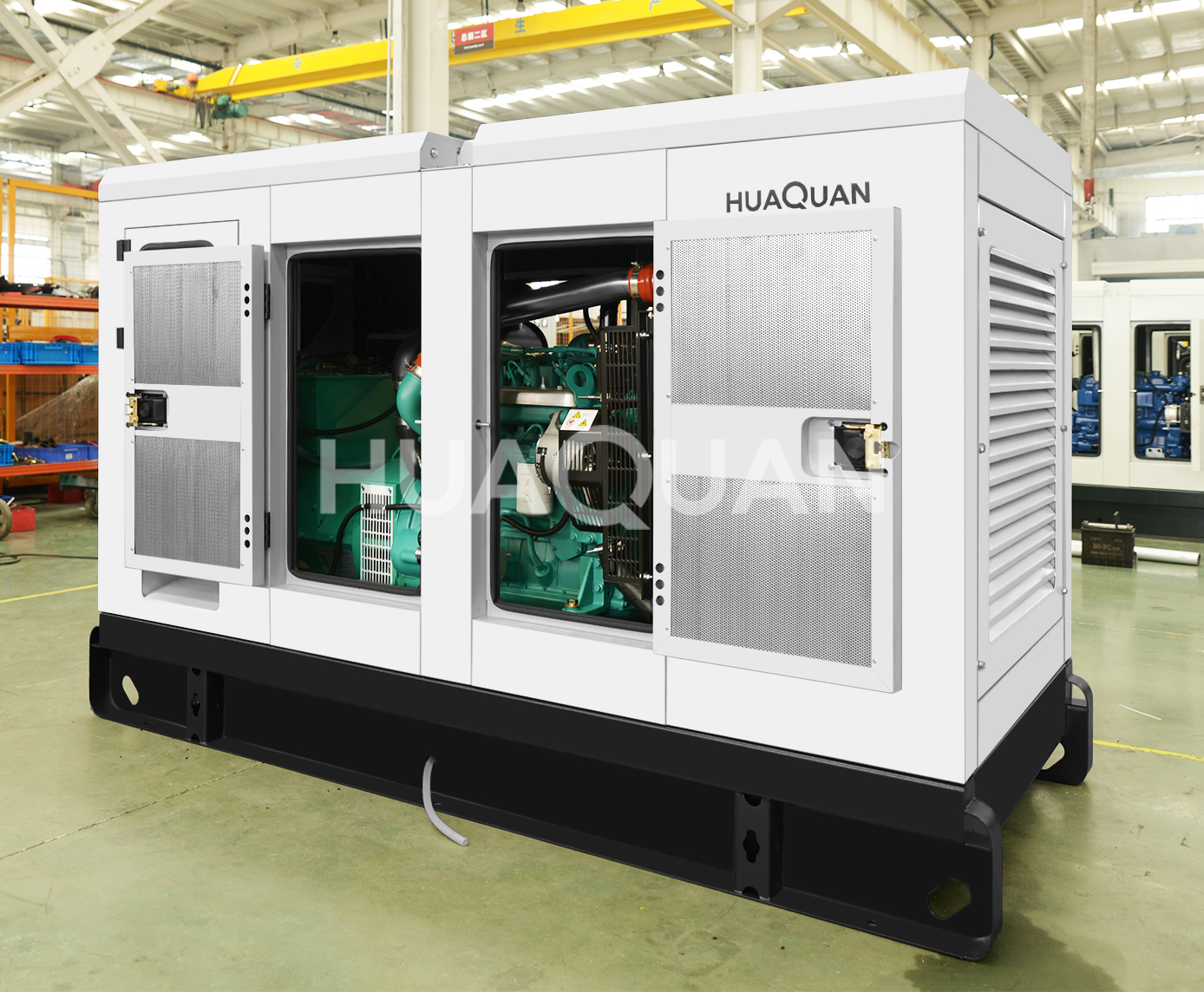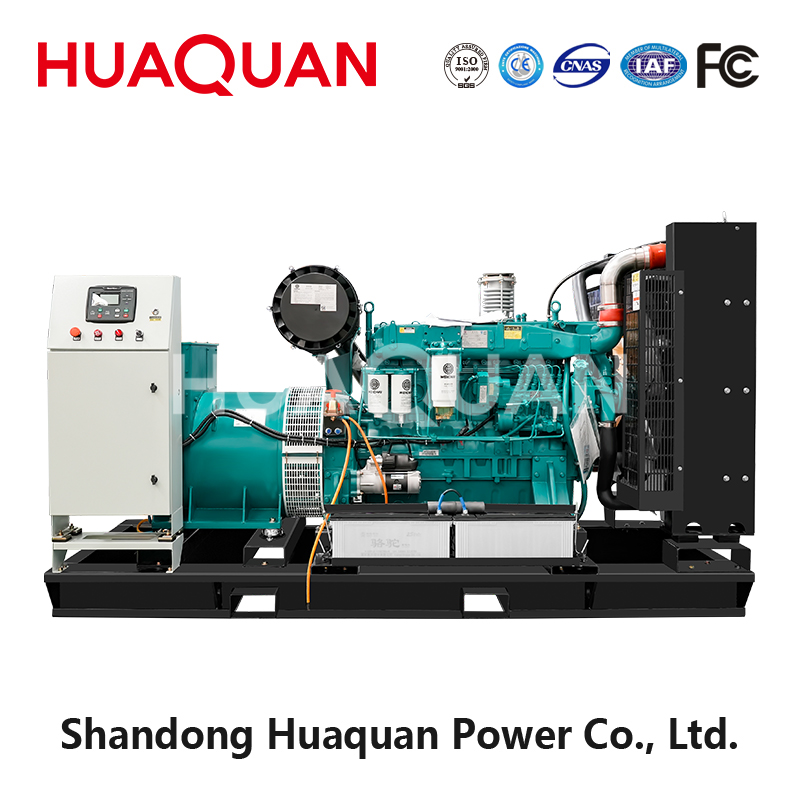
Diesel fuel can be stored on-site in a tank independent of any external infrastructure. Natural gas depends on a continuous supply from the utility pipeline — it stops flowing when the grid does. This single difference determines the reliability equation: Diesel Generatoren operate autonomously; natural gas generators depend on the integrity of the gas distribution network.
Infrastructure Dependency Comparison
| Reliability Factor | Diesel | Erdgas |
|---|---|---|
| Fuel source | On-site storage tank (500–10,000 gal typical) | Utility pipeline (must maintain pressure) |
| Autonomy duration | Days to weeks (tank capacity dependent) | Unlimited — as long as pipeline is pressurized |
| Grid dependency | None — generator runs independently | Gas compressor stations need electricity; electric-powered gas systems fail during blackouts |
| Severe weather risk | Low — tank is passive; no external hookup needed | High — flooded or damaged gas mains, frozen regulators, earthquake breaks |
| Fuel degradation | Beschränkt (12–24 months with biocide treatment) | Keiner (piped directly, no storage) |
| Fuel theft risk | Mäßig (diesel theft from on-site tanks) | Keiner (metered utility) |
| Common failure modes | Kraftstoffverschmutzung (Wasser, Algen), verstopfte Filter, air in fuel lines | Lost pipeline pressure, frozen regulator, earthquake shutoff valve activation |
The Real-World Data: 2021 Texas Winter Storm
During the February 2021 winter storm Uri in Texas, natural gas infrastructure failed catastrophically. Gas wellheads froze, compressor stations lost power, and pipeline pressure dropped below usable levels. The result: natural gas generators — including those in hospitals, nursing homes, and homes — stopped running even though their own equipment was functional. Diesel generators with on-site fuel tanks continued running throughout the event.
Key statistics from the ERCOT report:
- ~2.5 million MW of natural gas-fired generation was forced offline due to fuel supply issues
- Utility gas supply to residential customers dropped as low as 25% of normal pressure in some areas
- Hospitals with natural gas generators had to transfer patients or rely on portable diesel generators brought in by emergency services
- The estimated cost of the blackout: $80–$130 billion
This event proved that natural gas generators, despite their convenience for daily operation, are not fully independent backup systems.
When Each Is the Better Choice
Choose diesel when:
- You operate in a hurricane, earthquake, or ice storm zone where natural gas infrastructure is vulnerable
- You need multi-day autonomy without relying on any external supply chain
- You run the generator more than 200 hours per year — diesel engines last 3–5× longer at 1,800 U/min
- You need high power density (20–2,000 kW) in a single unit
- Your facility requires life-safety backup (Krankenhäuser, RechenzentrumS, Notfallreaktion)
Choose natural gas when:
- You want the lowest operating cost ($0.10–$0.25/kWh)
- You hate refueling and want automatic, silent operation
- You have a reliable natural gas utility with redundant feed lines
- Your generator runs only a few hours per year for testing
- You live in an area with stable gas infrastructure and mild climate
The Hybrid Approach: Dual-Fuel and Bi-Fuel
For mission-critical applications, a dual-fuel generator (runs on diesel or natural gas) or bi-fuel system (injects natural gas into the diesel intake, reducing diesel consumption by 50–70%) provides the best of both worlds. In normal operation, the generator runs on natural gas for economy and convenience. During a gas pipeline failure, it switches to 100% diesel from the on-site tank. This is a common configuration at hospitals and RechenzentrumS.
Huaquan Power Dieselgeneratoren range from 20kW to 2,000kW with optional dual-fuel or bi-fuel conversion kits for maximum fuel flexibility and infrastructure independence.
Häufig gestellte Fragen
Which fuel is more reliable during grid outages: diesel or natural gas?
Diesel is more reliable during grid outages because it does not depend on any external infrastructure. A Dieselgenerator with a full fuel tank operates autonomously-regardless of what happens to the grid, gas pipelines, or utility systems. Natural gas generators stop running when the gas utility loses pressure, which happens more often than most homeowners realize-during earthquakes, major storms, and even scheduled maintenance events that coincide with grid failures.
How long can a diesel generator run without refueling?
With a standard 8-hour day tank, a diesel generator runs 8-12 Stunden bei Volllast. With an external fuel tank (100-500 Gallonen), runtime extends to 3-21 days continuous. With a bulk fuel storage system (1,000-10,000 Gallonen), a diesel generator can run for months without interruption. Natural gas generators run indefinitely as long as pipeline pressure is maintained-but when the gas stops, they stop instantly with no stored fuel reserve.
What happens to natural gas supply during major disasters?
During Hurricane Sandy (2012), 75% of natural gas users in affected areas lost gas pressure because electric pumps at gas distribution stations failed. During the Texas Winter Storm Uri (2021), natural gas production dropped 45% due to frozen wellheads and pipelines, causing widespread Gasgenerator Misserfolge. In California wildfires, utilities proactively shut off gas lines to prevent explosions, leaving natural gas generators without fuel. Diesel generators equipped with on-site fuel tanks were unaffected in all three events.
Does diesel fuel degrade over time?
Dieselkraftstoff hat eine Haltbarkeitsdauer von 6-12 months when stored properly in clean, sealed containers with fuel stabilizer. With periodic fuel polishing (filtration and water removal), diesel can be stored for 3-5 years without significant degradation. Natural gas does not degrade, but it also cannot be stored in large quantities at residential or commercial sites. For long-term emergency preparedness, diesel’s storability is a major reliability advantage.
Which generator engine lasts longer: diesel or natural gas?
Diesel engines typically last 20,000-30,000 Stunden vor der Generalüberholung, im Vergleich zu 10,000-15,000 hours for natural gas engines of similar size. This is because diesel engines are built with heavier-duty components (geschmiedete Kurbelwellen, stronger connecting rods, thicker cylinder walls) to handle higher compression ratios. Natural gas engines are often converted from diesel blocks but with lighter internals. For high-hour applications (über 1,000 Stunden/Jahr), diesel is the more reliable long-term investment.
How does cold weather affect reliability?
Diesel fuel can gel at temperatures below 15-20F (-9 to -6C), requiring winterized fuel blends, Blockheizungen, and battery warmers for reliable cold-weather starting. Natural gas remains gaseous at any temperature but may experience pressure drops in extreme cold due to increased demand on the pipeline system. Für kaltes Klima, natural gas has an advantage in starting reliability, but diesel with proper cold-weather preparation is equally reliable.
Which fuel is more reliable for critical applications like hospitals and data centers?
Hospitals and data centers almost exclusively use diesel generators for their mission-critical backup power. NFPA 110 requires emergency power systems to operate for 24-72 hours without refueling, which is only practical with on-site diesel storage. Natural gas is acceptable for non-critical loads like HVAC but is never the primary backup for life safety systems. The US military, FAA, and FEMA all specify diesel for critical backup power applications.
Can a natural gas generator be used with propane as backup?
Yes-many natural gas generators are dual-fuel capable and can switch to propane when pipeline pressure drops. A 500-gallon propane tank provides 15-30 days of runtime for a typical residential generator. This hybrid configuration offers the best of both worlds: natural gas for everyday use (lower cost, no refueling) and propane as a stored fuel reserve for emergencies. Jedoch, propane has lower energy density than diesel, meaning more storage volume is needed for equivalent runtime.
What maintenance is required for each fuel type?
Diesel generators require oil changes every 250-500 Std., fuel filter replacement every 500 Std., injector service every 2,000 Std., and periodic fuel testing/polishing. Natural gas generators have longer maintenance intervals (oil changes every 500-1,000 Std., spark plug replacement every 1,000 Std.) and no fuel degradation issues. Jedoch, natural gas valve seats wear faster due to the absence of diesel’s lubricating sulfur content, requiring valve adjustments every 1,500-2,000 Std..
How does fuel quality affect reliability?
Diesel fuel quality varies significantly by region and season. Poor-quality diesel with high sulfur, water content, or microbial growth can clog filters, damage injectors, and cause engine failure. Natural gas is standardized across the pipeline network with consistent quality. This makes natural gas more “set and forget” for reliability, while diesel requires active fuel management (Testen, Filtration, and treatment) to maintain long-term reliability.