<h2>What Is a Diesel Generator Fuel System and Why It Matters</h2>
<p>A diesel generator fuel system stores, filters, and delivers fuel from the tank to the engine cylinders at the correct pressure and timing. First of all, the diesel generator fuel system is the lifeline of your generator — without clean fuel at the right pressure, the engine simply cannot run. Furthermore, fuel system problems cause over 60% of all diesel generator failures. Therefore, understanding the diesel generator fuel system is essential for reliable operation and effective maintenance. In this guide, you will learn about every component, common problems, and maintenance tips from Huaquan Power experts.</p>
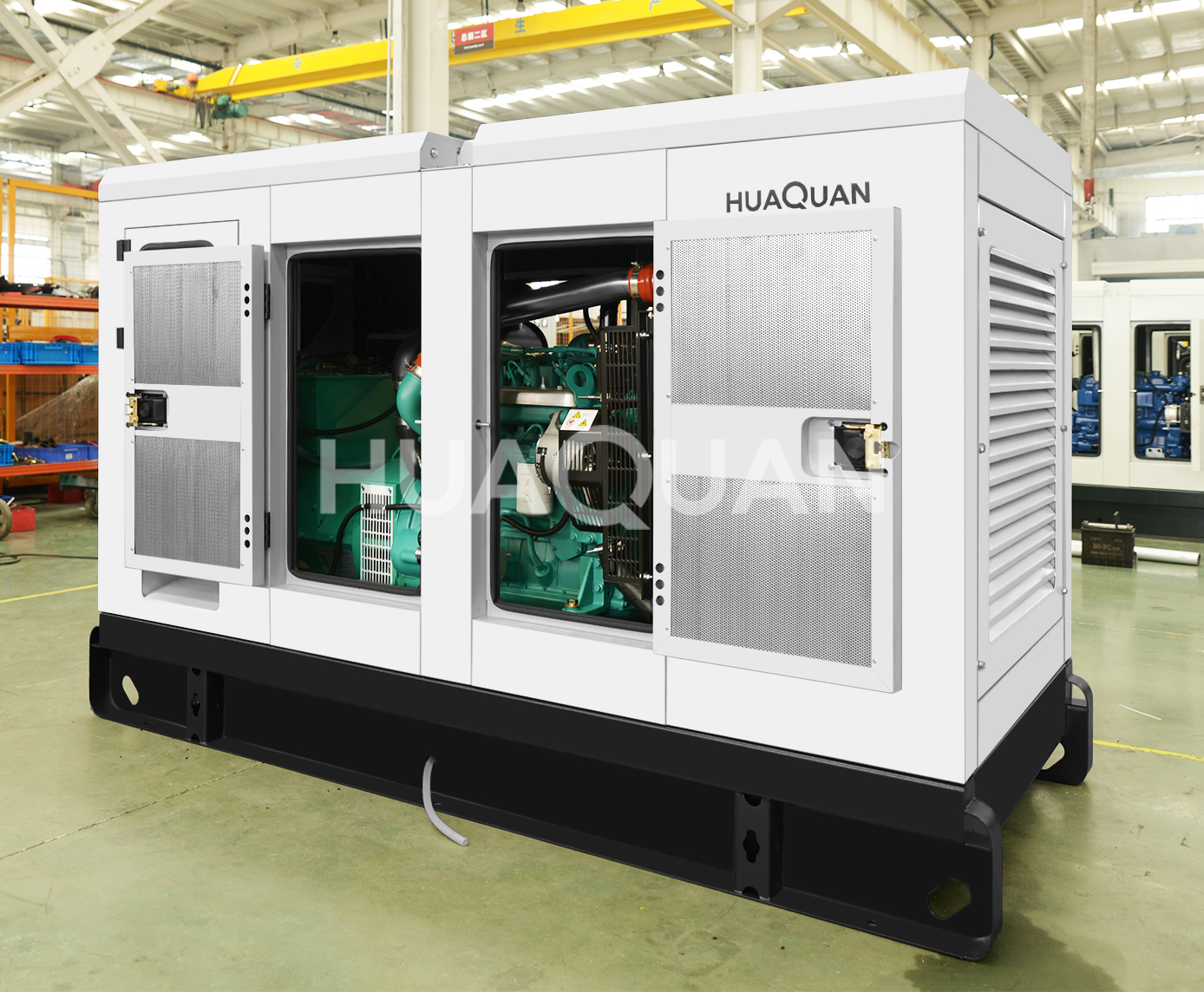
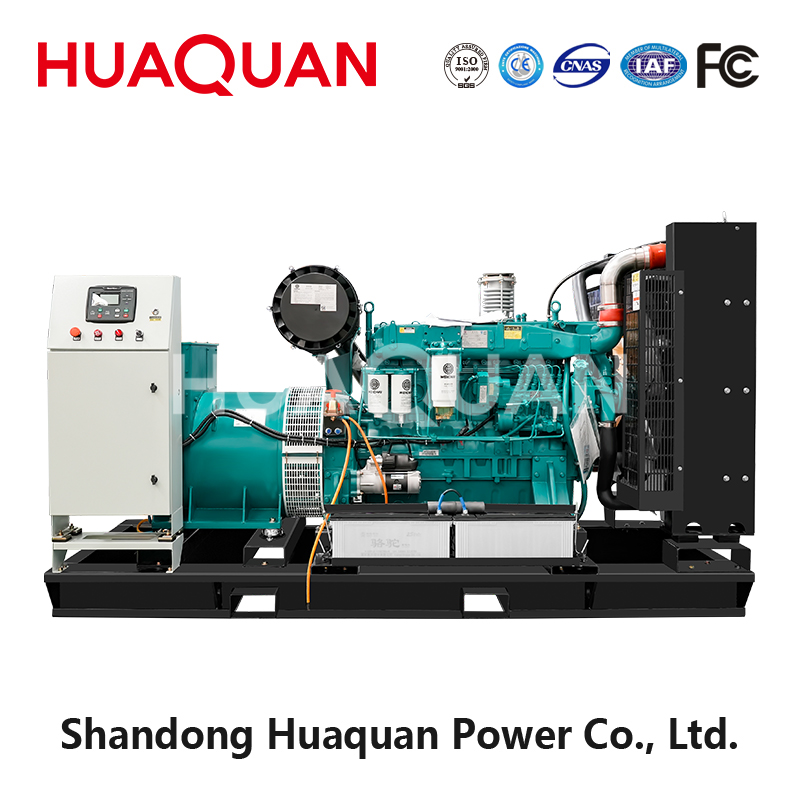
<p><strong>Huaquan Power Tip:</strong> Huaquan Generators feature high-quality fuel systems with multi-stage filtration and water separation. Specifically, our fuel systems keep the injectors clean and the engine running smoothly for thousands of hours.</p>
<h2>Diesel Generator Fuel System Components</h2>
<h3>Fuel Tank</h3>
<p>The fuel tank is the starting point of the diesel generator fuel system. Specifically, it stores diesel fuel and supplies it to the engine by gravity or lift pump suction. Furthermore, the tank must be properly sized to provide enough run time — typically 8-24 hours at rated load. Therefore, correct tank sizing is a critical part of diesel generator fuel system design. In addition, the tank must have proper venting, fill connections, and a drain for water removal. For more on fuel storage, see the <a href="https://en.wikipedia.org/wiki/Diesel_fuel">Wikipedia diesel fuel article</a>.</p>
<table>
<tr><th>Tank Type</th><th>Capacity</th><th>Best For</th><th>Run Time (500kW)</th></tr>
<tr><td>Base Tank (built-in)</td><td>100-500 liters</td><td>Small standby generators</td><td>2-4 hours</td></tr>
<tr><td>Sub-base Tank</td><td>500-5,000 liters</td><td>Medium generators</td><td>4-12 hours</td></tr>
<tr><td>Day Tank</td><td>200-1,000 liters</td><td>With remote bulk tank</td><td>4-8 hours</td></tr>
<tr><td>Underground Tank</td><td>5,000-50,000 liters</td><td>Large installations</td><td>24-72 hours</td></tr>
<tr><td>Above-ground Bulk</td><td>5,000-100,000 liters</td><td>Industrial and power plants</td><td>48-168 hours</td></tr>
</table>
<h3>Fuel Transfer Pump and Lift Pump</h3>
<p>The fuel transfer pump moves fuel from the main storage tank to the day tank. Furthermore, the lift pump (or feed pump) draws fuel from the base tank and delivers it to the fuel filter and injection pump. Specifically, lift pumps typically operate at low pressure — about 1-4 bar. Therefore, these pumps are the first active components in the diesel generator fuel system. In addition, a failed lift pump will starve the engine of fuel and cause it to stop.</p>
<table>
<tr><th>Pump Type</th><th>Pressure</th><th>Flow Rate</th><th>Failure Mode</th></tr>
<tr><td>Lift Pump (mechanical)</td><td>1-4 bar</td><td>50-200 L/hr</td><td>Diaphragm rupture</td></tr>
<tr><td>Lift Pump (electric)</td><td>2-5 bar</td><td>50-300 L/hr</td><td>Motor burnout</td></tr>
<tr><td>Transfer Pump (electric)</td><td>1-3 bar</td><td>100-500 L/hr</td><td>Switch or motor failure</td></tr>
</table>
<h3>Fuel Filters and Water Separator</h3>
<p>Fuel filters are the most critical maintenance items in the diesel generator fuel system. Specifically, modern diesel engines have two or three filter stages. First, the pre-filter (or primary filter) catches large particles and separates water. Next, the secondary filter removes fine particles down to 2-5 microns. Furthermore, a water separator removes moisture that can destroy fuel injectors. Therefore, regular filter replacement is the single most important diesel generator fuel system maintenance task. Visit <a href="https://huaquanpower.net/diesel-generator-sets/">Huaquan diesel generators</a> for models with advanced filtration systems.</p>
<table>
<tr><th>Filter Stage</th><th>Particle Size</th><th>Replace Interval</th><th>Warning Sign</th></tr>
<tr><td>Pre-filter / Strainer</td><td>30-50 microns</td><td>Every 500 hours</td><td>Visible debris</td></tr>
<tr><td>Primary Filter + Water Sep</td><td>10-30 microns</td><td>Every 250-500 hours</td><td>Water in sight glass</td></tr>
<tr><td>Secondary Filter</td><td>2-5 microns</td><td>Every 250-500 hours</td><td>Power loss or rough idle</td></tr>
<tr><td>Inline Filter (some models)</td><td>5-10 microns</td><td>Every 500 hours</td><td>Fuel restriction alarm</td></tr>
</table>
<h3>Fuel Injection Pump</h3>
<p>The fuel injection pump is the heart of the diesel generator fuel system. Specifically, it pressurizes fuel to 200-2,000+ bar (depending on the system type) and delivers it to each cylinder at the precise moment for combustion. Furthermore, the injection pump controls the fuel quantity to match the engine load. Therefore, even a small malfunction in the injection pump causes poor performance, black smoke, or engine failure. In addition, the injection pump must be precisely timed to the engine crankshaft position.</p>
<table>
<tr><th>Injection Type</th><th>Max Pressure</th><th>Fuel Control</th><th>Used In</th></tr>
<tr><td>In-line Pump (mechanical)</td><td>200-600 bar</td><td>Mechanical governor</td><td>Older generators</td></tr>
<tr><td>Rotary Distributor Pump</td><td>400-800 bar</td><td>Mechanical or electronic</td><td>Small-medium generators</td></tr>
<tr><td>Common Rail (electronic)</td><td>1,000-2,000+ bar</td><td>ECU electronic control</td><td>Modern Tier 3/4 generators</td></tr>
<tr><td>Unit Injector (HEUI)</td><td>500-1,500 bar</td><td>ECU electronic control</td><td>Some Cummins models</td></tr>
</table>
<h3>Fuel Injectors</h3>
<p>Fuel injectors are the final delivery point of the diesel generator fuel system. Specifically, they spray finely atomized fuel into the combustion chamber at extremely high pressure. Furthermore, the spray pattern and timing directly affect combustion quality, fuel efficiency, and emissions. Therefore, keeping injectors clean and properly calibrated is essential. In addition, modern common rail injectors can fire multiple times per stroke (pilot, main, and post injections) for cleaner combustion.</p>
<table>
<tr><th>Injector Type</th><th>Nozzle Holes</th><th>Spray Pattern</th><th>Maintenance</th></tr>
<tr><td>Direct Injection</td><td>4-8 holes</td><td>Cone spray</td><td>Clean or replace every 5,000 hours</td></tr>
<tr><td>Common Rail PIEZO</td><td>6-10 holes</td><td>Multi-pulse cone</td><td>Test every 5,000 hours</td></tr>
<tr><td>Indirect Injection</td><td>1 hole</td><td>Pre-chamber swirl</td><td>Less common in modern engines</td></tr>
</table>
<h2>Common Rail vs Mechanical Diesel Generator Fuel System</h2>
<h3>Advantages of Common Rail Technology</h3>
<p>Common rail technology is now the standard for modern diesel generator fuel systems. Specifically, a high-pressure pump feeds a shared fuel rail that supplies all injectors at constant pressure. Furthermore, the ECU controls each injector independently with precise timing and fuel quantity. Therefore, common rail systems deliver better fuel economy, lower emissions, and smoother operation compared to mechanical injection. For more on common rail technology, see the <a href="https://en.wikipedia.org/wiki/Common_rail">Wikipedia common rail article</a>.</p>
<table>
<tr><th>Feature</th><th>Mechanical Injection</th><th>Common Rail</th></tr>
<tr><td>Injection Pressure</td><td>200-600 bar</td><td>1,000-2,000+ bar</td></tr>
<tr><td>Fuel Control</td><td>Mechanical governor</td><td>Electronic (ECU)</td></tr>
<tr><td>Multiple Injections</td><td>No</td><td>Yes (pilot, main, post)</td></tr>
<tr><td>Fuel Economy</td><td>Good</td><td>5-10% better</td></tr>
<tr><td>Emissions</td><td>Higher</td><td>30-50% lower NOx and PM</td></tr>
<tr><td>Noise Level</td><td>Louder</td><td>Quieter (pilot injection)</td></tr>
</table>
<h2>Diesel Generator Fuel System Maintenance</h2>
<h3>Preventive Maintenance Schedule</h3>
<p>Proper maintenance is the key to a reliable diesel generator fuel system. First, check fuel filters regularly and replace them before they become clogged. Next, drain water from the separator at every service interval. Furthermore, always use clean, fresh diesel fuel and store it properly. Therefore, following a regular maintenance schedule prevents most diesel generator fuel system failures. In addition, Huaquan Power provides detailed maintenance guides with every generator.</p>
<table>
<tr><th>Maintenance Task</th><th>Frequency</th><th>Importance</th></tr>
<tr><td>Check fuel level and quality</td><td>Daily</td><td>Critical</td></tr>
<tr><td>Drain water from separator</td><td>Weekly</td><td>High</td></tr>
<tr><td>Replace primary fuel filter</td><td>Every 250-500 hours</td><td>Critical</td></tr>
<tr><td>Replace secondary fuel filter</td><td>Every 250-500 hours</td><td>Critical</td></tr>
<tr><td>Check fuel lines for leaks</td><td>Monthly</td><td>High</td></tr>
<tr><td>Clean or test injectors</td><td>Every 5,000 hours</td><td>Medium</td></tr>
<tr><td>Full injection pump service</td><td>Every 10,000 hours</td><td>Medium</td></tr>
</table>
<h2>Frequently Asked Questions</h2>
<p><strong>Q1: What causes diesel generator fuel system failures?</strong></p>
<p>First, dirty or water-contaminated fuel is the number one cause of diesel generator fuel system failures. Specifically, water rusts injection pump parts and promotes microbial growth that clogs filters. Furthermore, old or degraded fuel loses its lubricity and damages injectors. Therefore, always use fresh, clean diesel and install a quality water separator in your diesel generator fuel system.</p>
<p><strong>Q2: How often should I change fuel filters in my diesel generator fuel system?</strong></p>
<p>First, change primary and secondary fuel filters every 250-500 hours of operation. Furthermore, replace them more often if you use poor-quality fuel or operate in dusty conditions. Therefore, check the filter condition at every service interval and replace them before they restrict fuel flow. In addition, always fill new filters with clean fuel before installing to avoid air locks.</p>
<p><strong>Q3: Can I use biodiesel in my diesel generator fuel system?</strong></p>
<p>Most modern diesel generators can run on B5 to B20 biodiesel blends. Specifically, biodiesel has good lubricity but can degrade faster than petroleum diesel. Furthermore, biodiesel tends to absorb water and can clog filters if stored too long. Therefore, check with Huaquan Power before using biodiesel blends above B20, as some fuel system components may not be compatible.</p>
<p><strong>Q4: What is fuel polishing and does my diesel generator fuel system need it?</strong></p>
<p>Fuel polishing is a process that filters and cleans stored diesel fuel to remove water, microbes, and particles. Specifically, it extends fuel storage life and protects the diesel generator fuel system from contamination. Furthermore, fuel polishing is recommended for generators with large bulk tanks that store fuel for months or years. Therefore, if your generator has a bulk fuel tank, consider adding a fuel polishing system.</p>
<p><strong>Q5: How do I bleed air from a diesel generator fuel system?</strong></p>
<p>First, air enters the diesel generator fuel system when you replace filters or run the tank dry. Next, locate the bleed screws on the fuel filter housing and injection pump. Furthermore, loosen each bleed screw and operate the hand priming pump until bubble-free fuel flows out. Therefore, always bleed the system in order — from the filter to the injection pump — to remove all trapped air before starting the engine.</p>
<h2>Conclusion: Maintain Your Diesel Generator Fuel System for Reliable Power</h2>
<p>In summary, the diesel generator fuel system is the most maintenance-sensitive part of any generator. First, clean fuel and regular filter changes prevent most problems. Next, understanding each component helps you diagnose issues quickly. Furthermore, modern common rail technology improves efficiency and reduces emissions. Therefore, follow the maintenance schedule and use quality fuel to keep your diesel generator fuel system running perfectly. Contact <a href="https://huaquanpower.net">Huaquan Power</a> today for fuel system maintenance support and genuine replacement parts.</p>