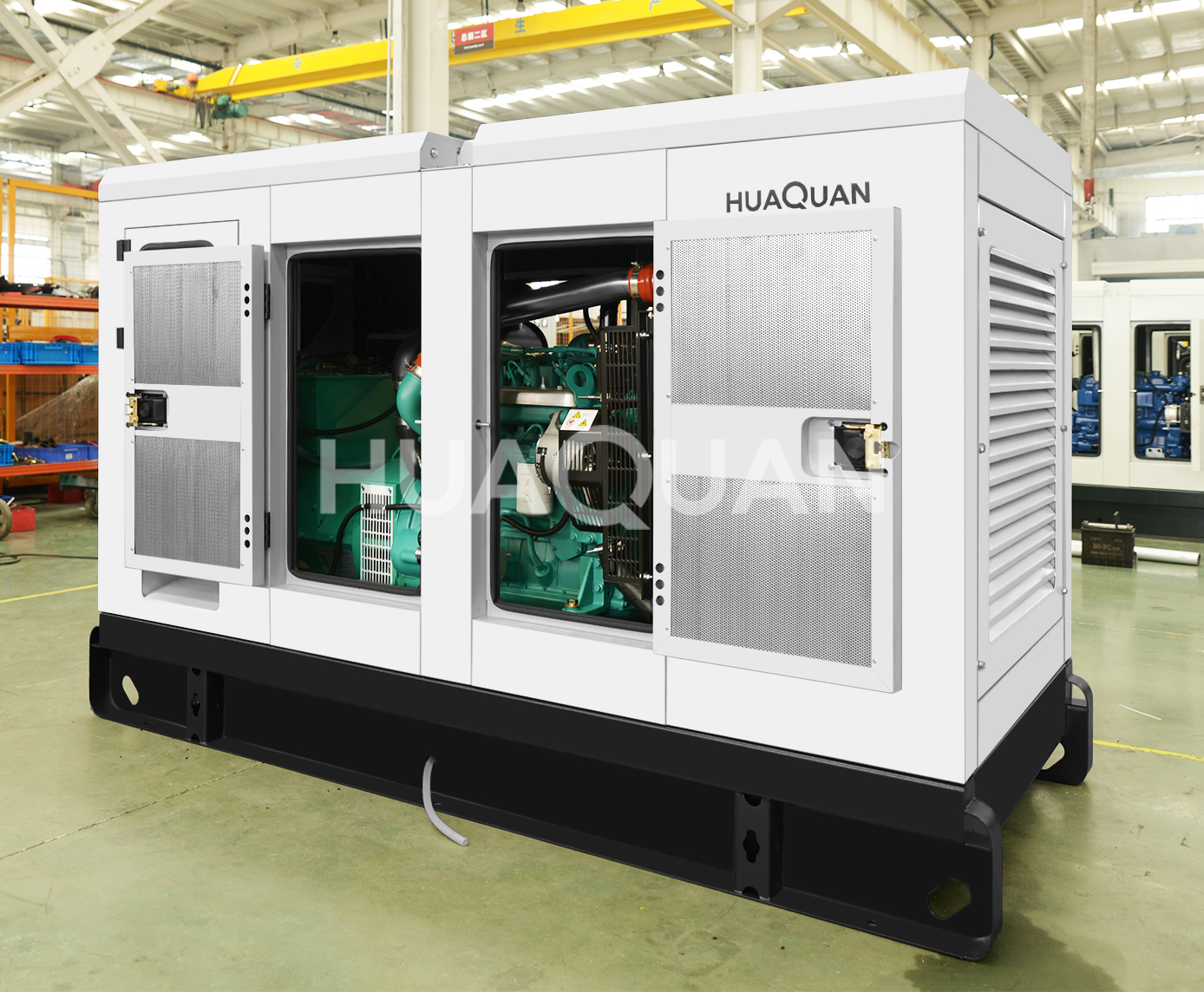
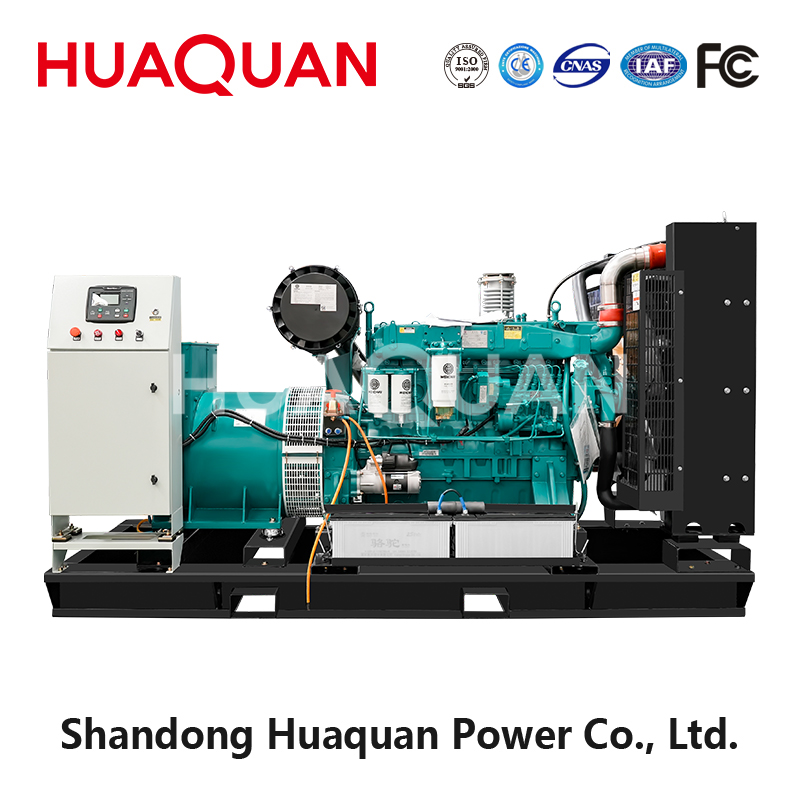
Diesel Generator coolant replacement is essential for preventing overheating and engine damage. Coolant removes heat from the engine and protects against freezing. Regular diesel generator coolant replacement keeps the engine at safe operating temperature. This guide covers replacement intervals, procedures, and coolant types.

Why Diesel Generator Coolant Replacement Matters
First of all, coolant absorbs engine heat and transfers it to the radiator. In addition, coolant prevents corrosion inside the engine. Furthermore, old coolant loses these protective qualities.
What Happens Without Coolant Replacement
Old coolant causes problems:
- Corrosion buildup in cooling passages
- Reduced heat transfer
- Overheating and head gasket failure
- Engine damage from localized hot spots
Coolant Types for Diesel Generator Coolant Replacement
Choose the correct coolant type:
| Coolant Type | Advantages | Best For |
|---|---|---|
| Ethylene Glycol | Excellent freeze protection | Cold climates |
| Propylene Glycol | Less toxic, pet-safe | Indoor use |
| Extended Life OAT | 5-year service life | Low maintenance needs |
When to Perform Diesel Generator Coolant Replacement
Follow manufacturer intervals:
Standard Coolant Replacement Intervals
Typical replacement intervals:
| Coolant Type | Replace Every |
|---|---|
| Conventional | 1 year or 500 hours |
| Extended Life | 2 years or 1000 hours |
| Pre-mixed | 2 years or 2000 hours |
Signs Coolant Replacement Is Needed
Look for these warning signs:
- Coolant color changes to rusty brown
- Coolant has acidic smell
- 浮渣 or deposits visible
- Frequent overheating
How to Perform Diesel Generator Coolant Replacement
Follow proper procedure:
Coolant Replacement Steps
- Let engine cool completely
- Open radiator cap carefully
- Place drain pan under engine
- Open drain valve or remove plug
- Drain all old coolant
- Close drain valve
- Fill with correct coolant type
- Run to operating temperature
- Check and top up level
- Recheck after cooling
Adding Coolant Correctly
Use 50/50 mix for most climates. Specifically, this provides freeze and boilover protection. In extremely cold climates, use 60/40 coolant to water.
| Climate | Mix Ratio | Freeze Protection |
|---|---|---|
| Temperate | 50/50 | -34°C |
| Cold | 60/40 | -52°C |
| Very Cold | 70/30 | -67°C |
Cooling System Inspection During Replacement
Inspect other components when replacing coolant:
Hose Inspection
Check radiator hoses for cracks, bulging, or soft spots. Specifically, replace hoses showing wear. In addition, check heater hoses.
Thermostat Check
Test thermostat operation. Specifically, it should open at correct temperature. In addition, replace if stuck or slow.
Radiator Cap Check
Check radiator cap seal and pressure relief. Specifically, replace if worn. Finally, check spring tension.
Frequently Asked Questions About Diesel Generator Coolant Replacement
Q: Can I just add coolant without draining?
Answer: No, old coolant must be fully removed. Additives deplete over time.
Q: What happens if I use wrong coolant type?
Answer: Wrong coolant causes corrosion or overheating. Always use manufacturer-recommended type.
Q: How do I know if cooling system is healthy?
Answer: Healthy coolant is clear and bright. Rusty color or particles indicate problems.
Q: Can I extend coolant replacement interval?
Answer: Only with extended life coolants. Follow manufacturer guidelines.
Conclusion: Coolant Replacement Protects Your Engine
Regular diesel generator coolant replacement prevents costly engine damage. Specifically, annual replacement maintains protection. Therefore, follow this guide. Your generator will run cool and reliable for years. Contact Huaquan Power for genuine coolant and expert service.