The difference between 120V and 240V Generatoren isn’t about total power — it’s about how that power is delivered and what you can connect to it. Choosing the wrong voltage configuration means you either can’t run your appliances or you waste money on capability you can’t use.
What 120V and 240V Actually Mean
Standard U.S. residential power is 120/240V single-phase. Your electrical panel splits this into two 120V “legs” (L1 and L2), each providing 120V to standard outlets, with 240V available between the two legs for large appliances like dryers, ranges, and central AC. A generator’s voltage output must match your load requirements.
Generator Voltage Configurations
| Config | Outlet Types | Typical Generator Size | What It Powers |
|---|---|---|---|
| 120V only | 5-20R (standard household) | 1,000-4,000W | Small appliances, electronics, lights — no 240V loads |
| 120/240V (single-phase) | 5-20R + L14-30R or L14-20R | 5,000-25,000W | Everything in a typical Heim including 240V appliances |
| 120/208V or 277/480V (dreiphasig) | Various industrial connectors | 25-2,000+ kW | Commercial/industrial buildings |
When You Need 240V
Any of these appliances require 240V — a 120V-only generator cannot run them:
| 240V Appliance | Typical Draw | Generator Minimum |
|---|---|---|
| Zentrale Klimaanlage (2.5-4 Tonne) | 2,800-4,800W running | 120/240V, 14kW+ with high surge rating |
| Electric water heater | 4,500W | 120/240V, 7kW+ (resistive, no surge) |
| Electric clothes dryer | 5,000W | 120/240V, 8kW+ |
| Electric range/oven | 5,000-8,000W | 120/240V, 10kW+ |
| Well pump (1+ PS) | 1,200W running / 4,500W surge | 120/240V, 7kW+ (high surge) |
| EV charger (Ebene 2) | 7,200W | 120/240V, 10kW+ |
Understanding 120/240V Twist-Lock Outlets
Generators that provide 240V use twist-lock outlets (NEMA L14-20 or L14-30). The L14-30R provides two 120V hot legs (up to 30A each) plus a neutral and ground. A Transferschalter or generator cord splits this into the two 120V legs for your panel.
Key point: a 7,500W 120/240V generator provides 3,750W per 120V leg. If all your 120V loads are on one leg, you’ll trip that leg’s breaker even though the generator’s total capacity is 7,500W. Proper load balancing across both legs is critical.
Quick Decision Guide
- Only powering small appliances, Lichter, and electronics? → 120V-only generator (simpler, cheaper)
- Need to run any 240V appliance or connect to your panel via Transferschalter? → 120/240V generator required
- Whole-house backup? → Always 120/240V
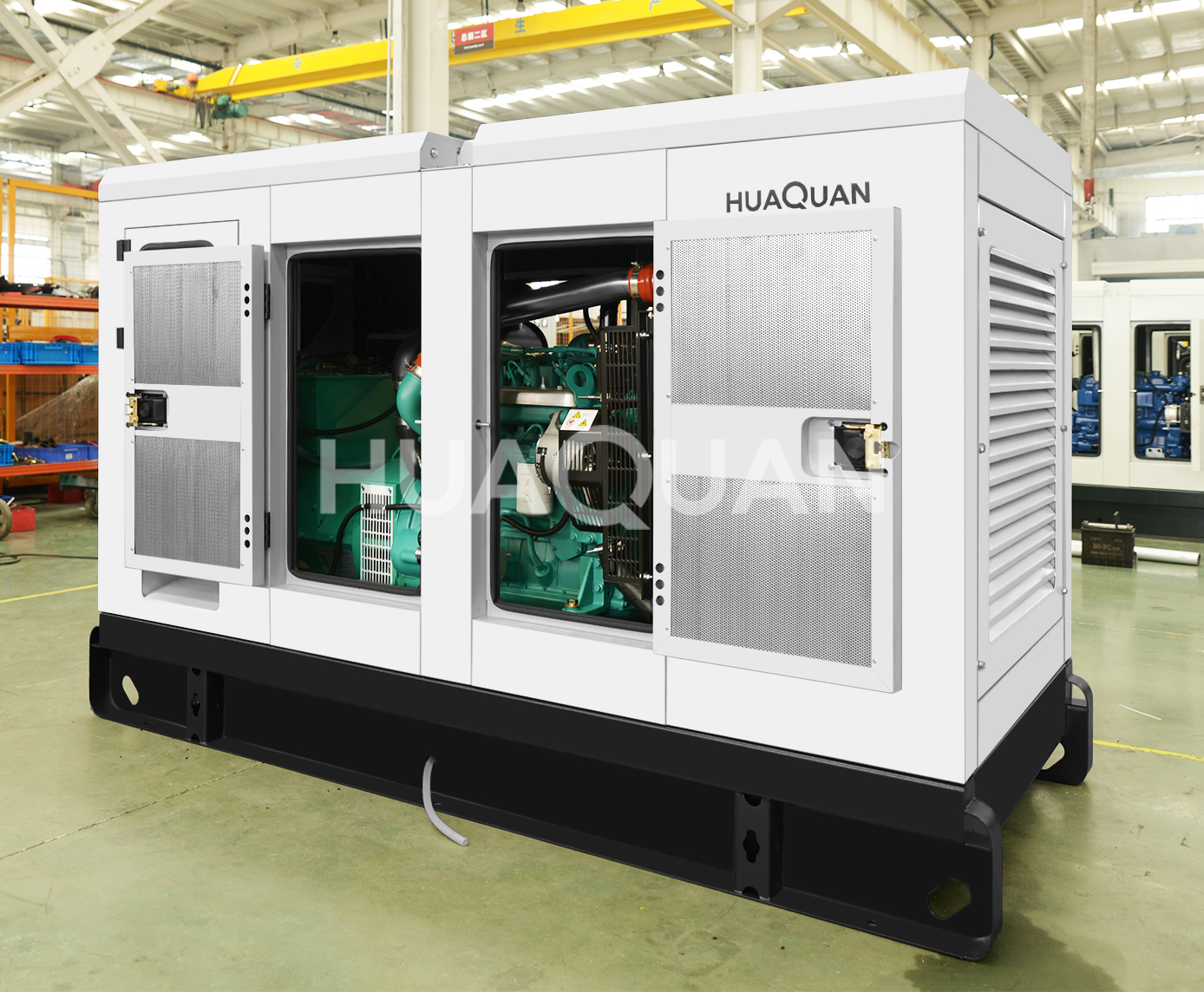
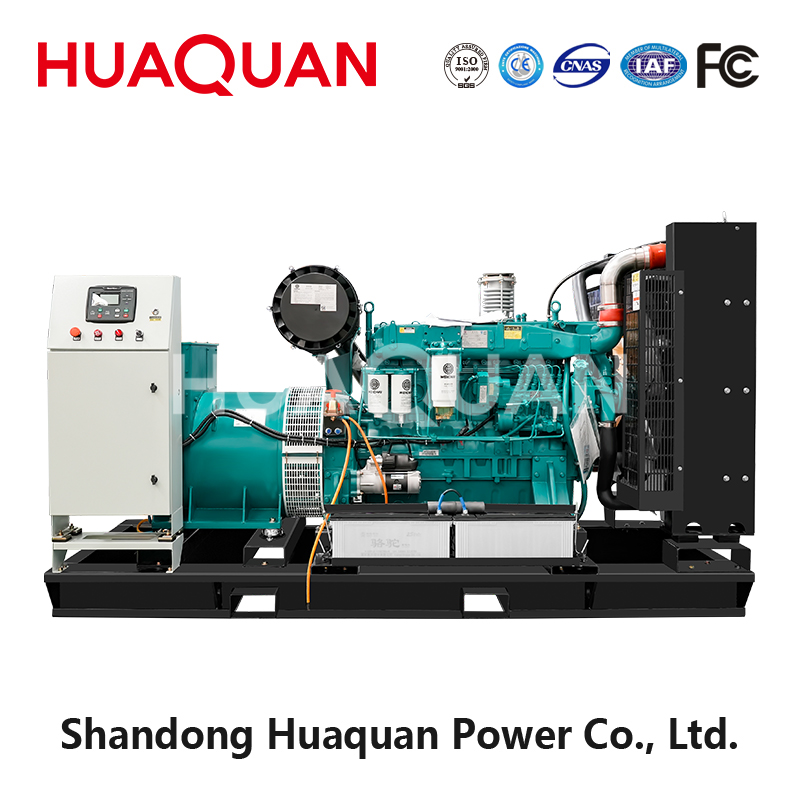
Huaquan-Tipp: All Huaquan diesel generators from 20kW and above provide 120/240V Single-Phase or 120/208V dreiphasig output, configurable at installation.